4 min walk
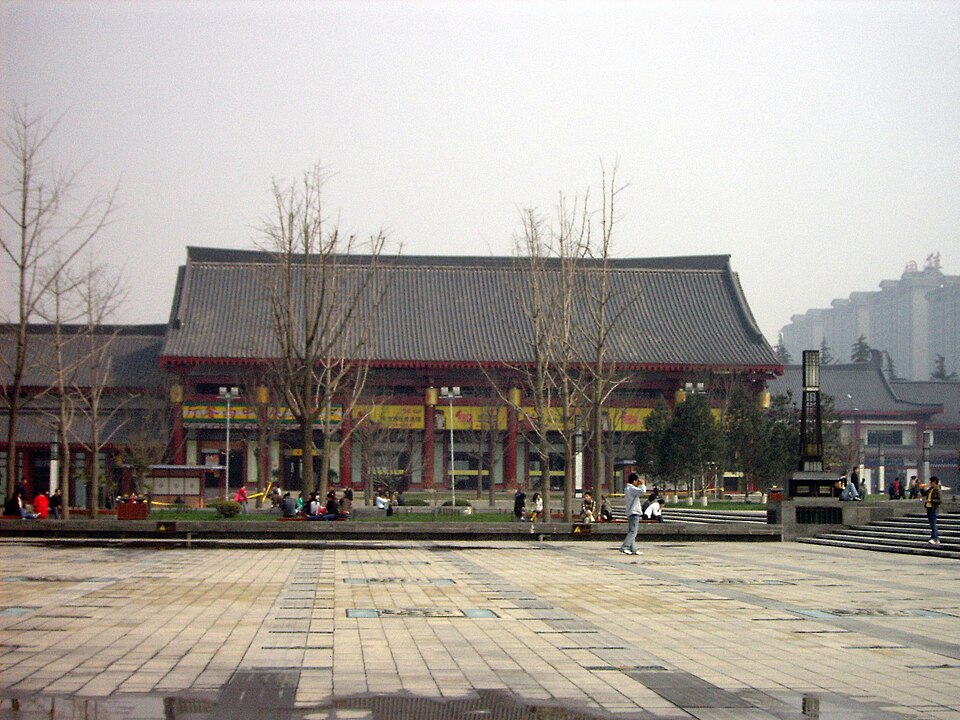
大雁塔北广场
- Must see
- Nature site
Language · 11 published
Historic monument · Xi'an
大雁塔
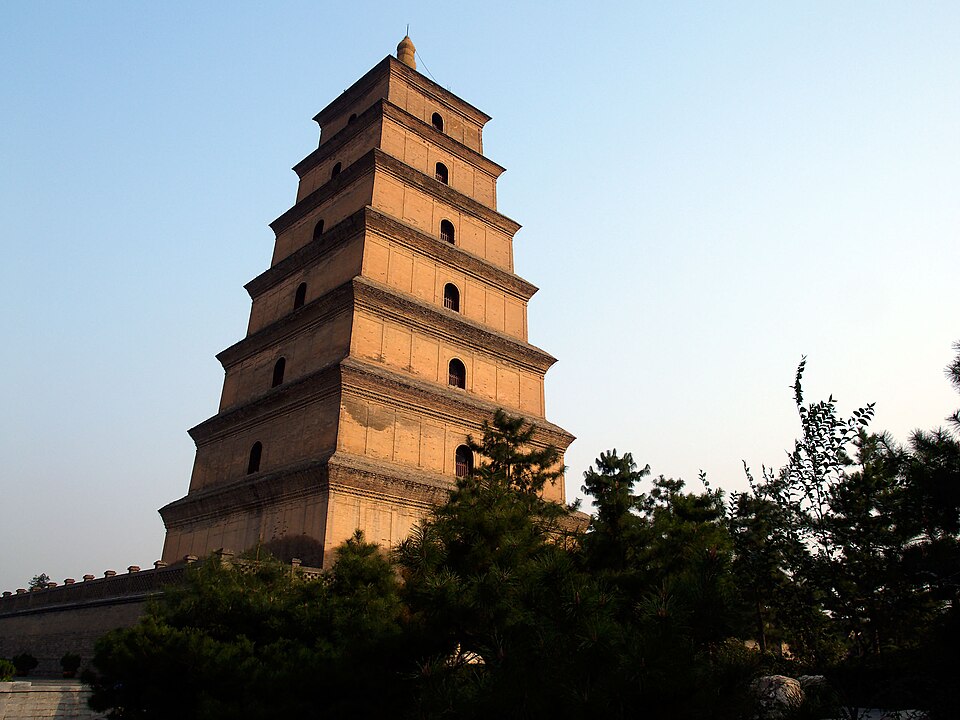
The Big Wild Goose Pagoda, known locally as 大雁塔, stands as a prominent Buddhist pagoda in Xi'an, Shaanxi Province. Originally constructed in 652 during the Tang Dynasty, it was built to house Buddhist materials brought from India to China by the traveling monk Xuanzang. The structure sits within the Da Ci'en Temple complex in the southern suburbs of Xi'an. It remains one of the city's most recognizable landmarks and has been preserved as a significant historical monument. The pagoda represents an important chapter in Chinese Buddhist history and the cultural exchange along ancient Silk Road routes.
Checked 2026-08-26
The pagoda complex contains multiple structures of historical and religious significance. Visitors encounter the main seven-story pagoda itself, constructed from brick with internal wooden staircases allowing ascent. The surrounding temple grounds include various halls, courtyards, and religious buildings that form part of the Da Ci'en Temple ensemble. The North Square of the Big Wild Goose Pagoda features one of Asia's largest musical fountains. Interior spaces contain Buddhist artifacts and materials related to Xuanzang's journey. The site functions as both active religious space and tourist destination, with commercial and cultural elements in the immediate vicinity.
Checked 2026-08-26
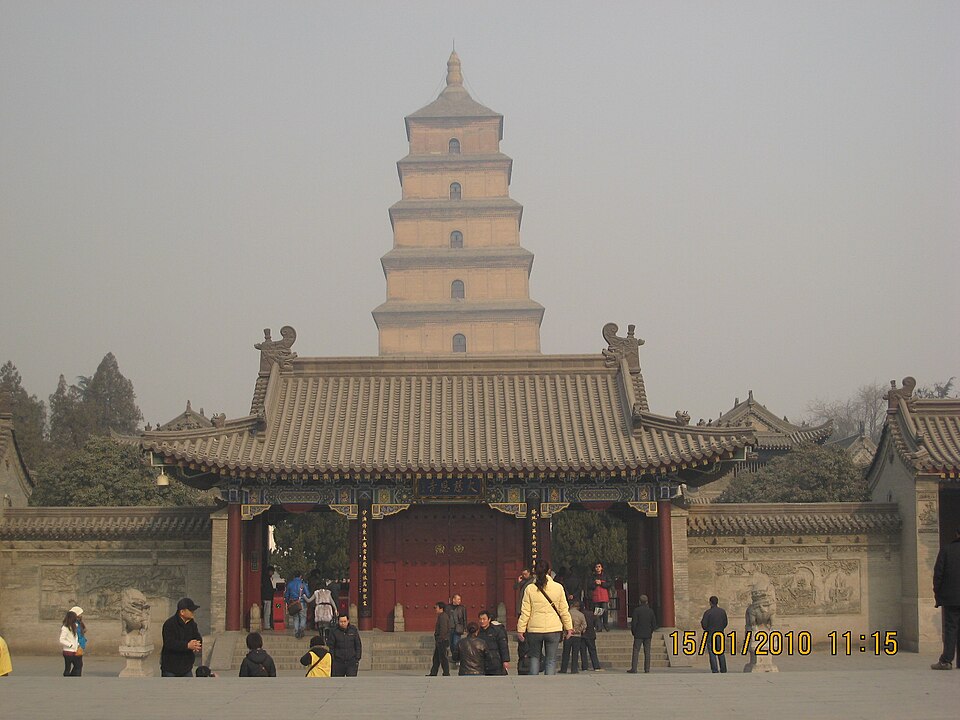
Visitor duration at the Big Wild Goose Pagoda varies considerably based on individual interests. A thorough exploration of the pagoda interior, temple grounds, and surrounding squares typically requires two to three hours. Those wishing to climb the pagoda itself should allocate additional time for queuing and the ascent. The North Square musical fountain performances, when operational, extend typical visits. Photography enthusiasts and those seeking detailed examination of architectural features may spend longer periods. Casual visitors content with exterior viewing and brief ground-level exploration may complete their visit in approximately one hour. Evening visits coincide with illuminated displays.
Checked 2026-08-26
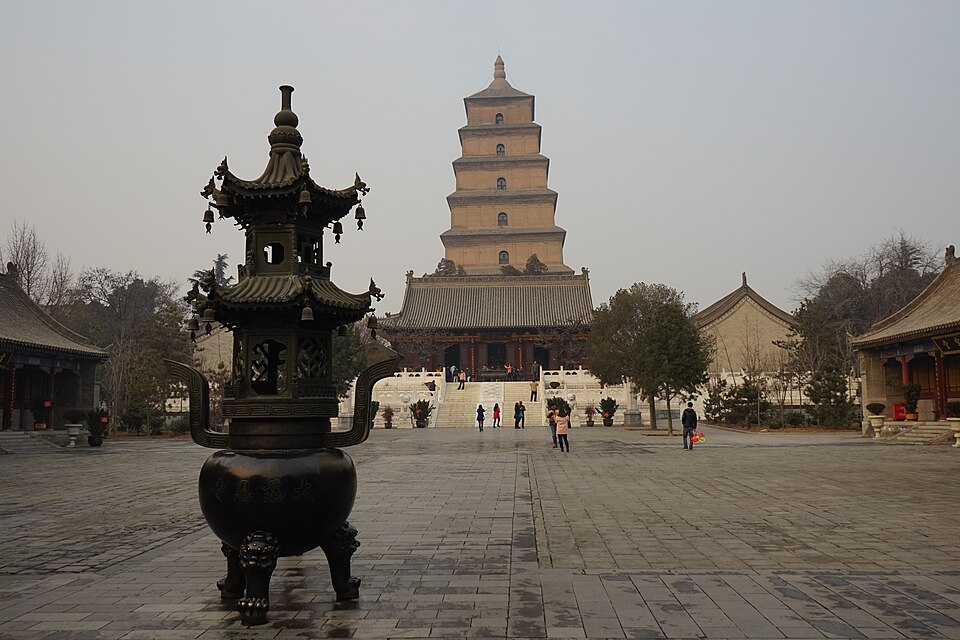
Seasonal considerations for visiting Xi'an include hot, humid summers and cold, dry winters, with spring and autumn generally offering moderate conditions. The site draws substantial visitor numbers during national holidays and peak tourist seasons. Evening hours provide illuminated views of the pagoda and fountain displays. Operator-confirmed hours are Not recorded pending review. Visitors should consult current official sources before planning their trip. Weather conditions, personal tolerance for crowds, and interest in specific features like fountain performances should inform timing decisions. Local events and festivals may affect accessibility and atmosphere throughout the year.
Checked 2026-08-26
Admission to the Big Wild Goose Pagoda complex involves separate considerations for temple grounds and pagoda interior access. Pricing structures may differ for these components. Potential additional costs apply for climbing the pagoda itself. Discount categories for eligible visitors may exist according to standard Chinese practice for heritage sites. Operator-confirmed prices are Not recorded pending review. Visitors should verify current rates through official channels before arrival. Payment methods and advance booking requirements remain unspecified in available sources. Budget-conscious travelers should prepare for possible variable expenditure depending on desired access levels and any supplementary services or features.
Checked 2026-08-26

The Big Wild Goose Pagoda occupies a location in Xi'an's Yanta District, accessible through the city's public transportation network. Metro connections serve the general area, with walking required from stations to the site itself. Multiple bus routes operate in the vicinity. Taxi and ride-hailing services provide alternative access. The pagoda's prominence makes it generally known to local drivers. Visitors should anticipate pedestrian navigation through developed commercial and residential surroundings. Signage in Chinese predominates, though the site's fame assists identification. Transportation planning should account for Xi'an's traffic patterns and potential congestion during peak periods. No specific parking information is recorded.
Checked 2026-08-26
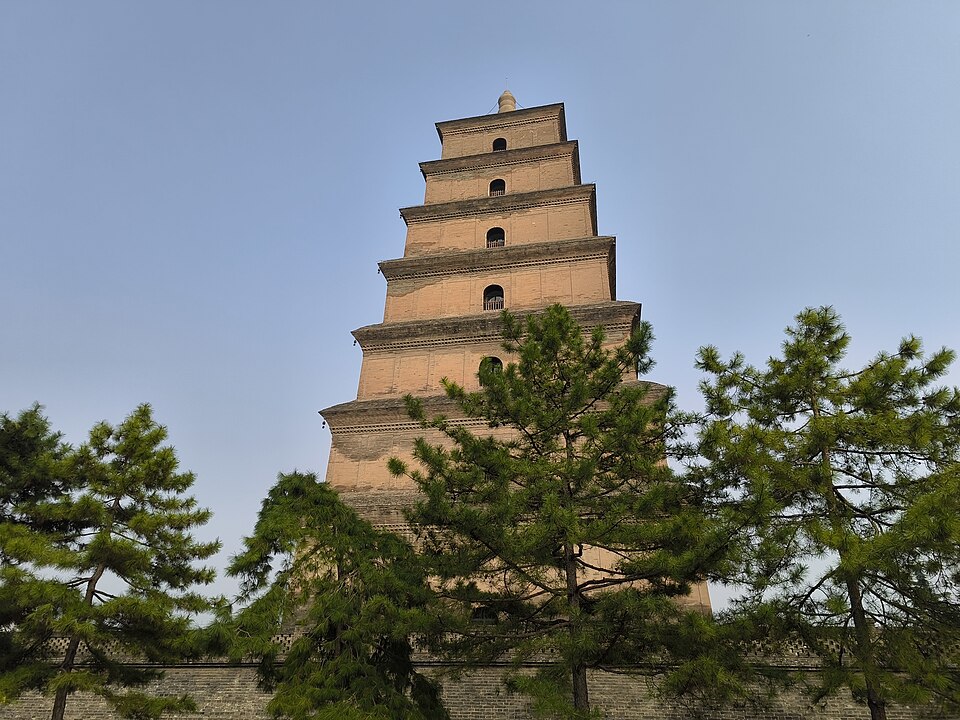
Visitors should exercise standard precautions appropriate to major Chinese tourist destinations. Crowd density fluctuates significantly, requiring awareness of personal belongings and physical surroundings. The pagoda staircase presents narrow, steep conditions potentially challenging for those with mobility limitations or discomfort with enclosed vertical spaces. Weather exposure affects open areas including the North Square. Commercial activity in surrounding districts may involve persistent solicitation. Visitors should verify operational status of specific features like fountain performances before expecting their availability. Respectful conduct within active religious spaces remains appropriate. Water, sun protection, and suitable footwear support visitor comfort during extended exploration of the extensive grounds.
Checked 2026-08-26

The Big Wild Goose Pagoda offers substantial photographic opportunities encompassing architectural detail, garden settings, and urban context. The illuminated evening presentation creates distinctive visual conditions. The North Square fountain area permits wide-angle compositions incorporating the pagoda backdrop. Interior photography may face restrictions within the pagoda itself or specific temple halls. Tripod use and professional equipment may encounter regulation in certain spaces. Optimal exterior lighting occurs during morning and late afternoon hours. Night photography requires accommodation for artificial illumination sources and potentially challenging exposure conditions. Visitors seeking unobstructed views should consider timing relative to crowd patterns and fountain performance schedules.
Checked 2026-08-26
The pagoda functions as both. It remains part of the Da Ci'en Temple complex with active Buddhist religious use, while simultaneously serving as one of Xi'an's most visited tourist destinations.
The pagoda contains internal wooden staircases allowing ascent, though this may involve separate access arrangements from general temple admission. Physical conditions are narrow and steep.
The Tang Dynasty monk Xuanzang traveled to India and returned with Buddhist scriptures and relics. The pagoda was constructed specifically to house these materials.
Operational status of the North Square fountain performances is not confirmed in available sources. Visitors should verify current schedules through local inquiry.
Both are Tang Dynasty Buddhist pagodas in Xi'an with related historical functions. The Big Wild Goose Pagoda is larger and more prominently positioned in visitor itineraries.
Advance booking requirements are not recorded in available sources. Visitors should consult current official guidance, particularly during peak seasons or special events.
Loading the interactive map…
The interactive map could not be loaded.
Last updated:
Source: OpenStreetMap contributors, Wikidata ·