


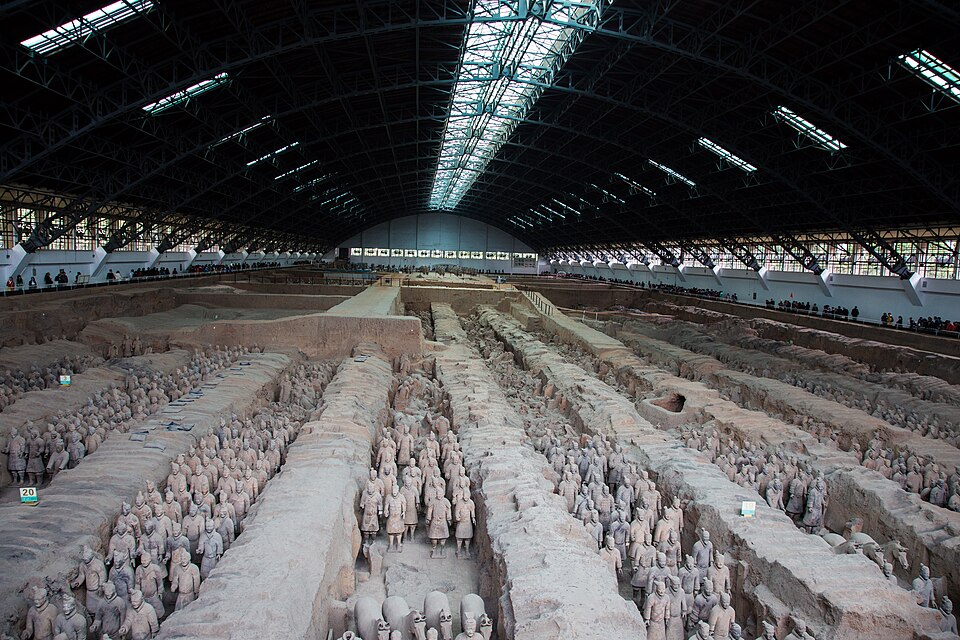
84 min walk
Terracotta Army
- Must see
- Museum
Language · 1 published
Nature site · Xi'an
华清宫
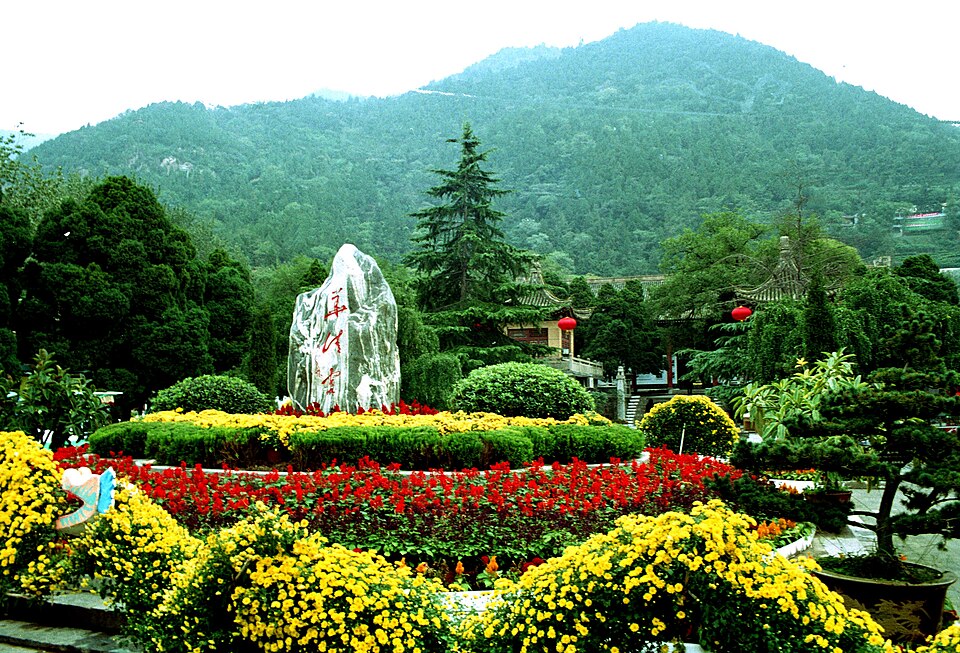
Huaqing Palace is a historic hot spring complex at the northern foot of Mount Li, approximately 30 kilometres east of central Xi'an. The site has served as an imperial retreat since the Zhou dynasty, with particular renown during the Tang dynasty when Emperor Xuanzong and his consort Yang Guifei maintained a residence here. The location combines natural geothermal springs with landscaped gardens and reconstructed palace architecture. It occupies a valley setting with Mount Li rising behind and the Wei River plain extending to the north.
Checked 2026-08-26
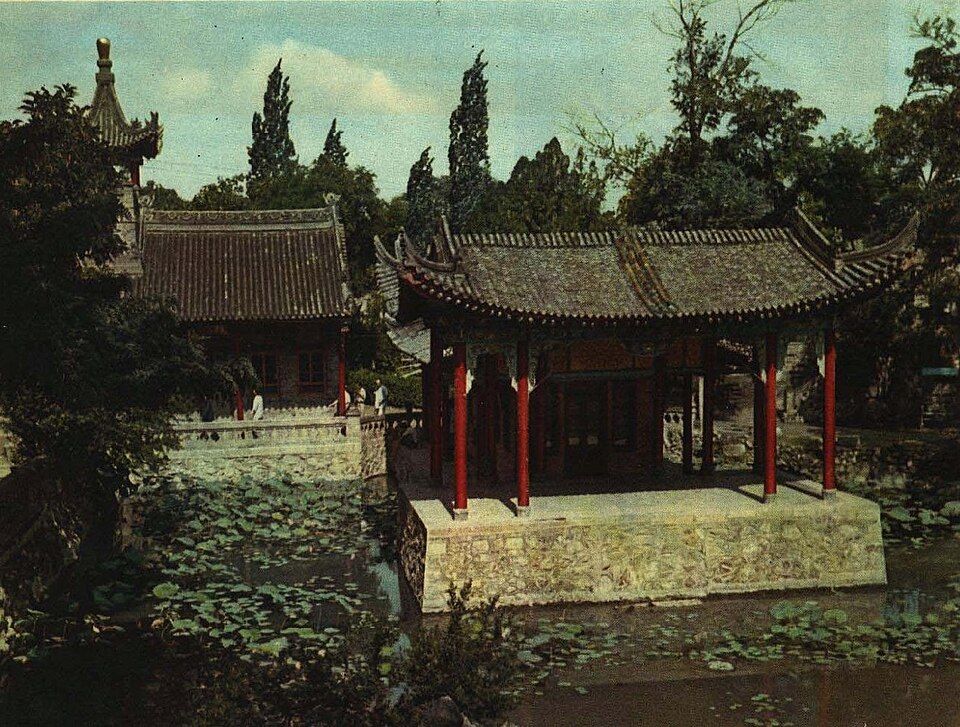
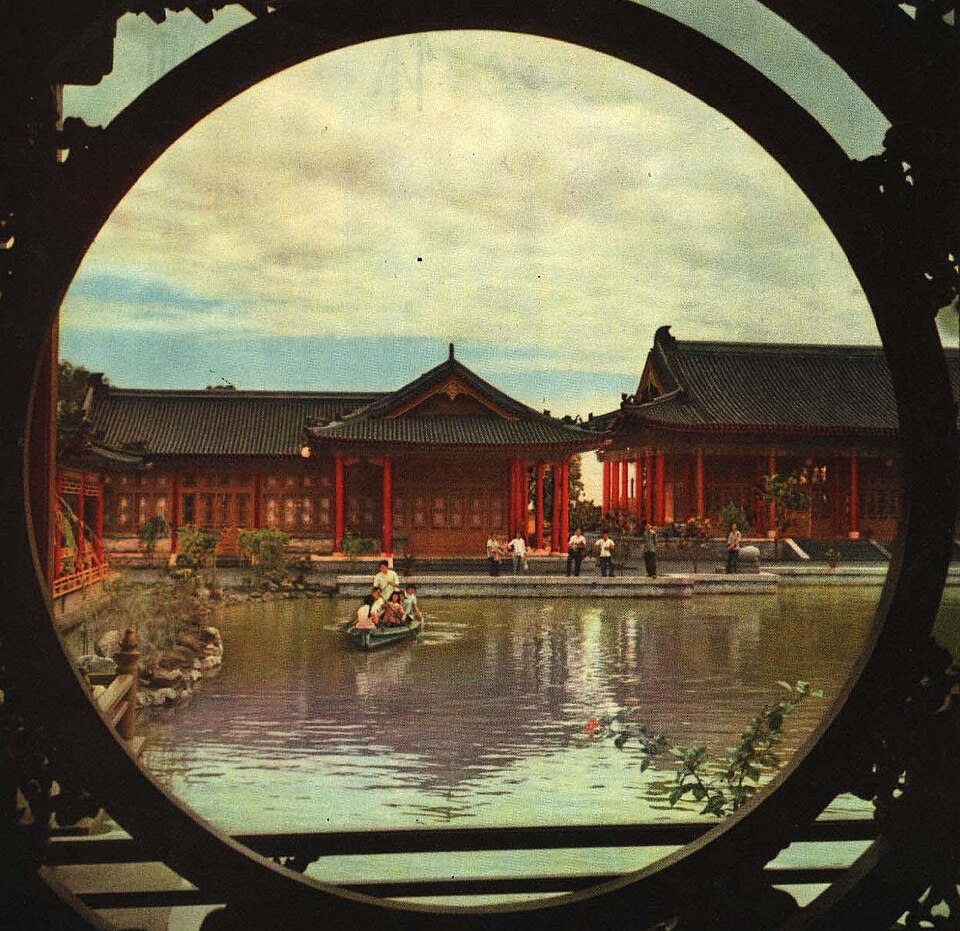
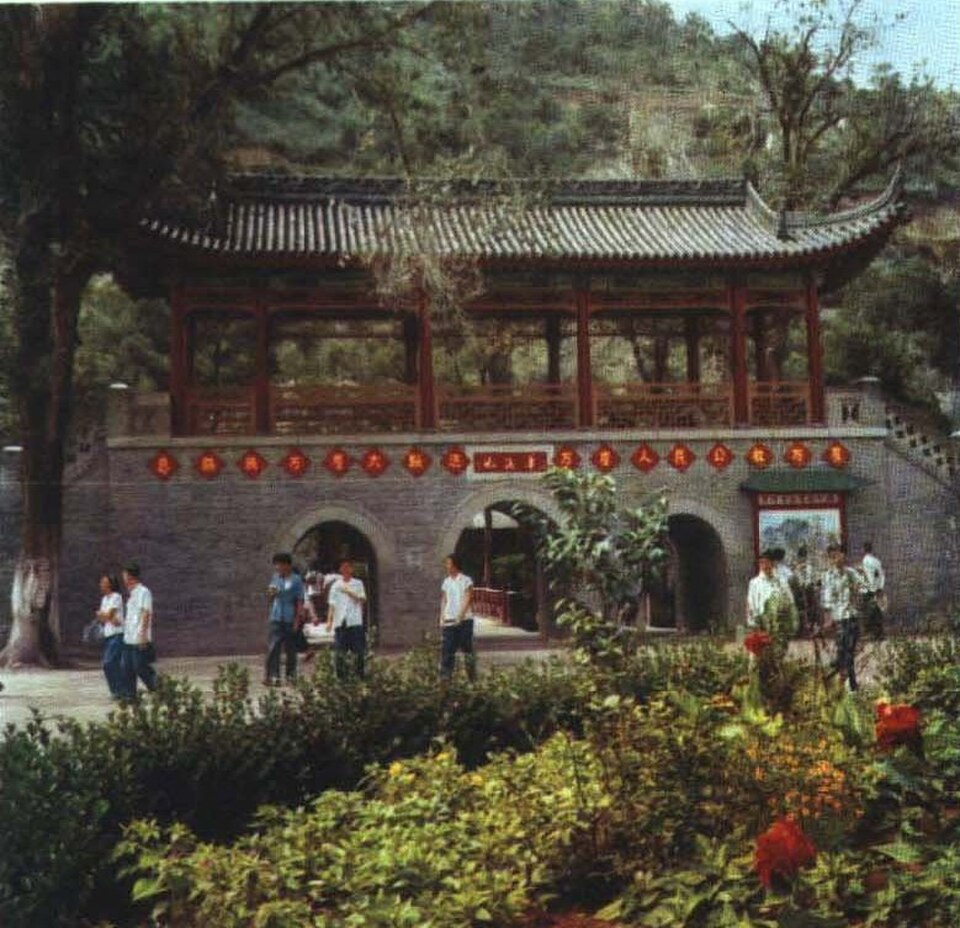
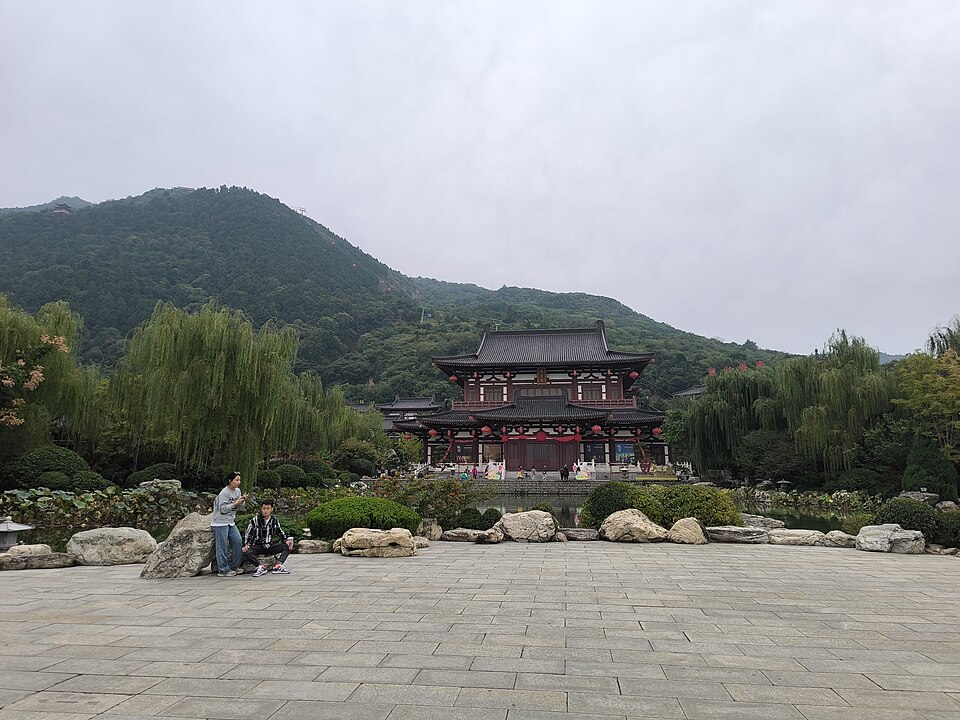
The complex contains multiple reconstructed halls and pavilions distributed across terraced grounds. The Nine-Dragon Lake sits near the entrance area. Various halls bear names referencing Tang dynasty history, including structures associated with the romance of Emperor Xuanzong and Yang Guifei. The remains of the original Tang dynasty bathing pools are preserved and displayed. A cableway ascends Mount Li from within the site. Evening performances of a historical drama are staged in an outdoor theatre setting. The grounds include garden landscaping and tree plantings.
Checked 2026-08-26
Visitors typically allocate half a day to explore the palace complex and its immediate surroundings. Those combining the visit with the Mount Li cableway and summit area should plan for a full day. The evening theatrical performance requires additional time beyond daytime hours. The sprawling layout involves considerable walking between the lower entrance zone, the central palace buildings, and the mountain ascent points. Photography and garden appreciation extend typical stays. Historical enthusiasts examining the Tang dynasty bathing pool remains and associated exhibition materials may linger longer than casual visitors.
Checked 2026-08-26
Operator-confirmed hours are Not recorded pending review. The site operates as a year-round destination. Spring and autumn generally offer moderate temperatures suitable for extensive outdoor walking across the terraced grounds. Summer brings heat to the valley location, though the mountain backdrop provides some relief. Winter visits encounter colder conditions but reduced crowding. The evening performance season may have distinct scheduling from daytime access. Visitors should verify current operational status before travel, as seasonal adjustments or special events may affect accessibility. Morning arrival allows fuller exploration before any evening programme commitment.
Checked 2026-08-26
Operator-confirmed prices are Not recorded pending review. The palace complex and the evening performance typically operate under separate ticketing arrangements. The Mount Li cableway requires additional payment beyond palace entry. Combination packages may be available but specific configurations are Not recorded pending review. Discount eligibility for students, seniors, or other categories follows standard Chinese practice at state-run attractions but precise terms are Not recorded pending review. Visitors should consult official sources or reputable booking platforms immediately before travel for current pricing. Cash and mobile payment methods are both widely accepted at major Xi'an attractions.
Checked 2026-08-26
Public bus services connect Xi'an city centre to the Huaqing Palace area, with routes serving the eastern tourist corridor that includes the Terracotta Warriors. The site lies on the route between central Xi'an and Lintong district. Metro connections may extend toward this eastern zone but specific line and station details are Not recorded pending review. Taxis and ride-hailing services provide direct access with travel time dependent on departure point and traffic conditions. Organised tour buses frequently combine Huaqing Palace with Terracotta Warriors in single-day itineraries. Self-drive visitors find parking facilities near the entrance zone.
Checked 2026-08-26
The terraced hillside terrain involves numerous stone steps and uneven surfaces, presenting challenges for mobility-impaired visitors. Summer heat demands adequate hydration and sun protection across exposed walkways. The evening performance occurs outdoors with weather-dependent conditions; attendees should prepare for temperature drops after sunset. Crowding peaks during national holiday periods and peak domestic tourism seasons. Vendors and unofficial guides operate near the entrance area. The cableway suspends service in adverse weather. Historical information presented on-site mixes authenticated Tang dynasty remains with modern reconstructions, requiring critical interpretation. Signage in English may be incomplete compared to Chinese-language materials.
Checked 2026-08-26

The reconstructed palace architecture and mountain backdrop offer composition opportunities, particularly around the Nine-Dragon Lake with reflections. The Tang dynasty bathing pool remains are displayed in protected indoor settings where flash restrictions likely apply. The evening performance presents low-light challenges requiring appropriate equipment. Morning light illuminates the east-facing palace facades. The Mount Li cableway and summit provide elevated perspectives over the Wei River plain. Garden areas with mature trees create framed views of traditional buildings. Tripod use may be restricted in high-traffic zones. Drone operation over cultural heritage sites faces strict regulatory controls in China.
Checked 2026-08-26
The broader Mount Li area includes locations associated with the 1936 Xi'an Incident, though the specific memorial site is separate from the main Huaqing Palace complex. Visitors interested in this modern historical event should verify whether it is covered by the same entry ticket or requires separate access.
Both sites lie in the eastern corridor from Xi'an and are commonly combined in day-trip itineraries. The feasibility depends on transportation arrangements, time spent at each location, and whether including the evening performance at Huaqing Palace. Self-directed visitors face tighter scheduling than organised tour participants.
The original Tang dynasty imperial bathing pools are preserved as archaeological remains and are not functional for modern use. Whether commercial bathing facilities using the same geothermal source operate within or adjacent to the complex is Not recorded pending review.
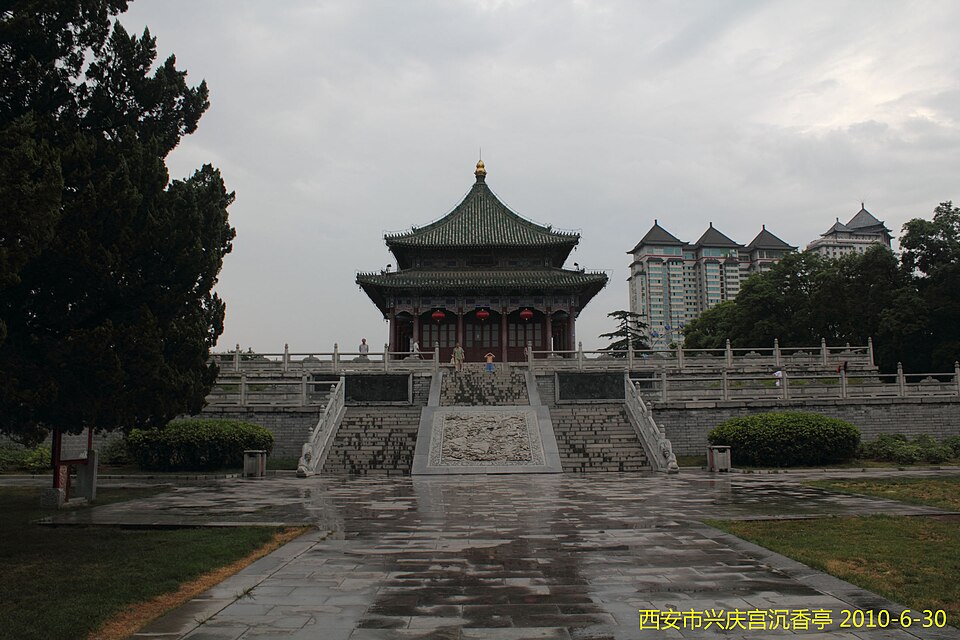
The visible palace structures are predominantly modern reconstructions rather than original Tang dynasty fabric. The authenticated historical remains consist mainly of the excavated bathing pool foundations and associated archaeological evidence. Visitors should distinguish between reconstructed architecture for atmosphere and genuine heritage elements.
The theatrical performance and daytime palace access typically operate under separate ticketing. Whether package options combining both are available is Not recorded pending review. Visitors intending to attend the performance should verify current arrangements, as performance schedules may vary seasonally or be suspended.
The site involves extensive walking on terraced terrain with numerous stone steps connecting levels. Full exploration including the Mount Li cableway and summit requires moderate fitness. Visitors with limited mobility can access portions of the lower complex but should anticipate restrictions on complete coverage. Comfortable footwear is essential.
Loading the interactive map…
The interactive map could not be loaded.
Last updated:
Source: OpenStreetMap contributors, Wikidata ·