.jpg)
1 min walk
Small Wild Goose Pagoda
- Must see
- Place of worship
Language · 11 published
Historic monument · Xi'an
小雁塔

Read from the OpenStreetMap access tags; anything not listed has no tag recorded.
Set the group type to family in the planner and the day window contracts to about three quarters of a solo day.
The Small Wild Goose Pagoda is a historic Buddhist pagoda in Xi'an, also known locally as 小雁塔. It is associated with the Jianfu Temple complex and preserves a major example of Tang Dynasty religious architecture. The pagoda's enduring presence gives the site a calm heritage character within the modern city. Travellers come primarily to see the surviving structure, understand its connection with Jianfu Temple and spend time among the surrounding historic grounds. The Small Wild Goose Pagoda is a historic Buddhist pagoda in Xian, China. Its local name is 小雁塔. The structure stands as a significant surviving monument from the Tang Dynasty period and forms part of the Xian landscape of ancient religious architecture. The pagoda is associated with the Jianfu Temple complex. Visitors to Xian frequently encounter this site alongside other heritage landmarks. The building represents traditional Chinese pagoda construction methods and materials. Its historical importance is recognized through its inclusion in visitor itineraries for the city. The Small Wild Goose Pagoda, locally named 小雁塔, is a historic Buddhist pagoda in Xian associated with the Jianfu Temple. It represents Tang Dynasty architecture and survives as a recognized visitor destination.
Checked 2026-08-26 · Source
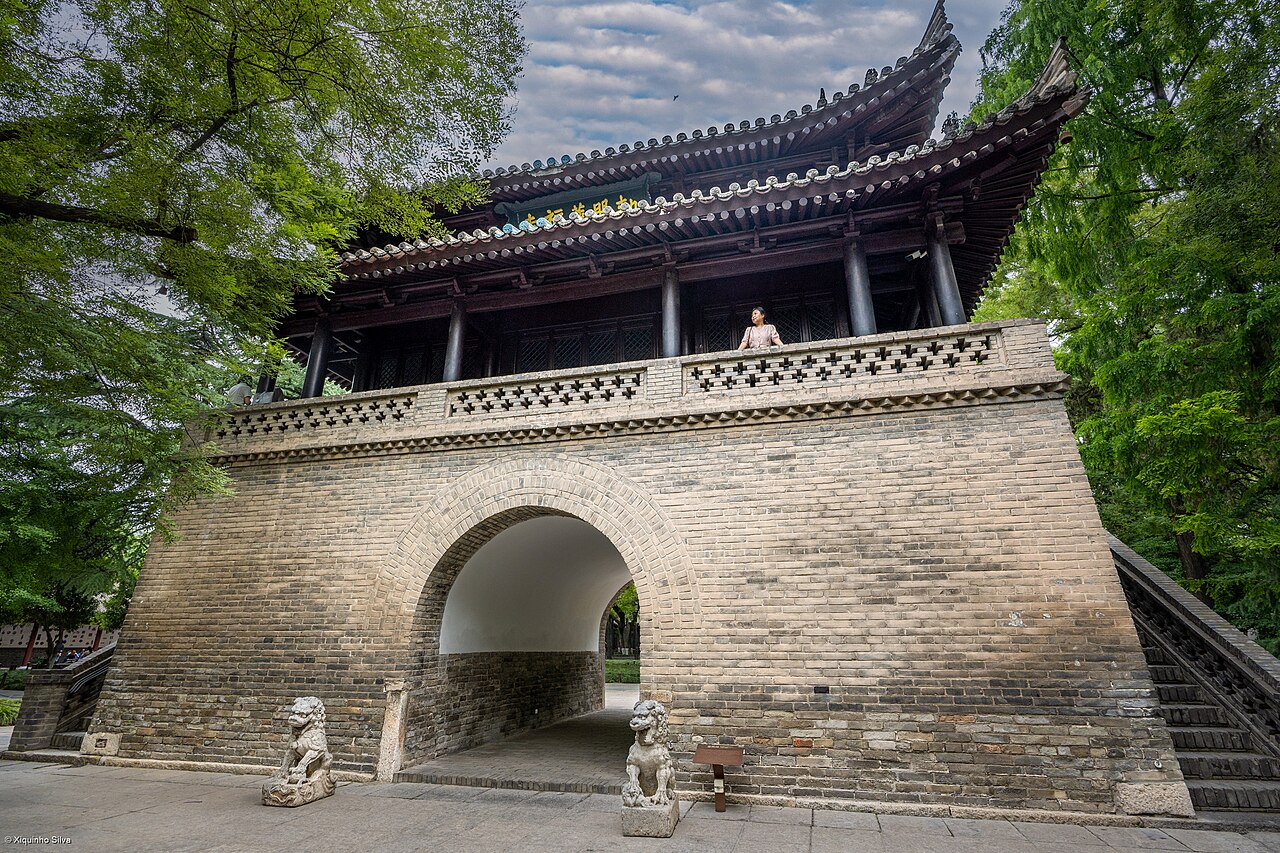
The visit centres on the pagoda itself, the temple connection and the open grounds around the structure. Paths allow views from different sides, making the changing proportions of the tiered form easier to appreciate. Traditional Buddhist architectural details and the relationship between the pagoda and temple setting are more important here than a large collection of indoor displays. Walk around the exterior at an unhurried pace, looking at the silhouette, materials, surrounding vegetation and the way the historic building sits within Xi'an's urban landscape.
Checked 2026-08-26 · Source
A moderate visit suits the Small Wild Goose Pagoda. Allow enough time to walk the grounds, view the pagoda from several angles and pause over its Tang-era form. Visitors focused on architecture or photography may stay longer, especially when the temple setting adds detail to the outing. It works well as one stop in a wider Xi'an heritage day. The experience is more compact than a large city attraction, but rushing would lose the quiet atmosphere and the opportunity to study the structure properly.
Checked 2026-08-26 · Source
Spring and autumn offer comfortable conditions for walking around the open grounds, while Xi'an summers can be hot and winters cold. Morning or late afternoon can provide softer light for the pagoda and a more measured pace through the heritage setting. Weekends and national holidays can bring more visitors to major historic sites. Outdoor conditions matter because much of the experience comes from moving around the grounds. Plan the pagoda alongside other central attractions according to the weather and the amount of walking you want that day.
Checked 2026-08-26 · Source
The visit is associated with the Jianfu Temple setting, so keep the temple grounds and the pagoda in mind as one heritage experience while planning. No monetary figure belongs in a fixed itinerary for this guide. The main value of the stop lies in its surviving Tang Dynasty architecture, open setting and connection with Xi'an's Buddhist history.
Checked 2026-08-26 · Source
The Small Wild Goose Pagoda is within Xi'an's urban area and forms part of the city's heritage landscape. Visitors can build the stop into a day of city sightseeing, using public transport for the broader district and walking for the final approach and the grounds. Taxis and ride services provide another way to reach the area. Once nearby, allow time to orient yourself around the temple setting before beginning the exterior circuit.
Checked 2026-08-26 · Source
Ancient grounds can include uneven paths and surfaces affected by weather, so comfortable footwear is useful. Treat the pagoda and temple setting with respect, particularly if religious activity is taking place. Busy periods can make the grounds less peaceful and require attention to personal belongings. Much of the experience is outdoors, so summer sun, winter cold and changing weather can shape comfort. Some areas of an historic structure may be protected from entry. Move carefully and avoid climbing on walls, steps or preserved architectural elements.
Checked 2026-08-26 · Source
The pagoda's tiered silhouette is the principal photographic subject, with the temple grounds providing foreground, framing and context. Walk the perimeter to find views that show the structure against trees, paths and the wider city. Morning and late afternoon light can reveal surface texture and soften contrasts. Crowds may occupy popular viewpoints, so patience is often more effective than equipment. Follow any local restrictions on tripods, drones, flash or interior photography, and keep religious activity outside the frame when people are worshipping.
Checked 2026-08-26 · Source
It is a historic Buddhist pagoda in Xi'an, locally called 小雁塔, associated with the Jianfu Temple complex and Tang Dynasty architecture.
Both are Tang-era Buddhist landmarks in Xi'an, but the Small Wild Goose Pagoda is a separate monument associated with Jianfu Temple and distinct in scale and setting.
Focus on the pagoda's tiered exterior, the surrounding temple grounds, traditional details and the changing views gained by walking around the structure.
A moderate visit allows time to walk the grounds, study the pagoda and take photographs without treating the compact site as a full-day attraction.
The Small Wild Goose Pagoda is associated with the Tang Dynasty and represents traditional Buddhist religious architecture in Xi'an.
The experience focuses on the pagoda's exterior, open grounds and temple setting, with the surrounding architecture providing the main visual interest.
Loading the interactive map…
The interactive map could not be loaded.
Last updated:
Source: OpenStreetMap contributors, Wikidata ·