
.jpg)
.jpg)
.jpg)
.jpg)
.jpg)
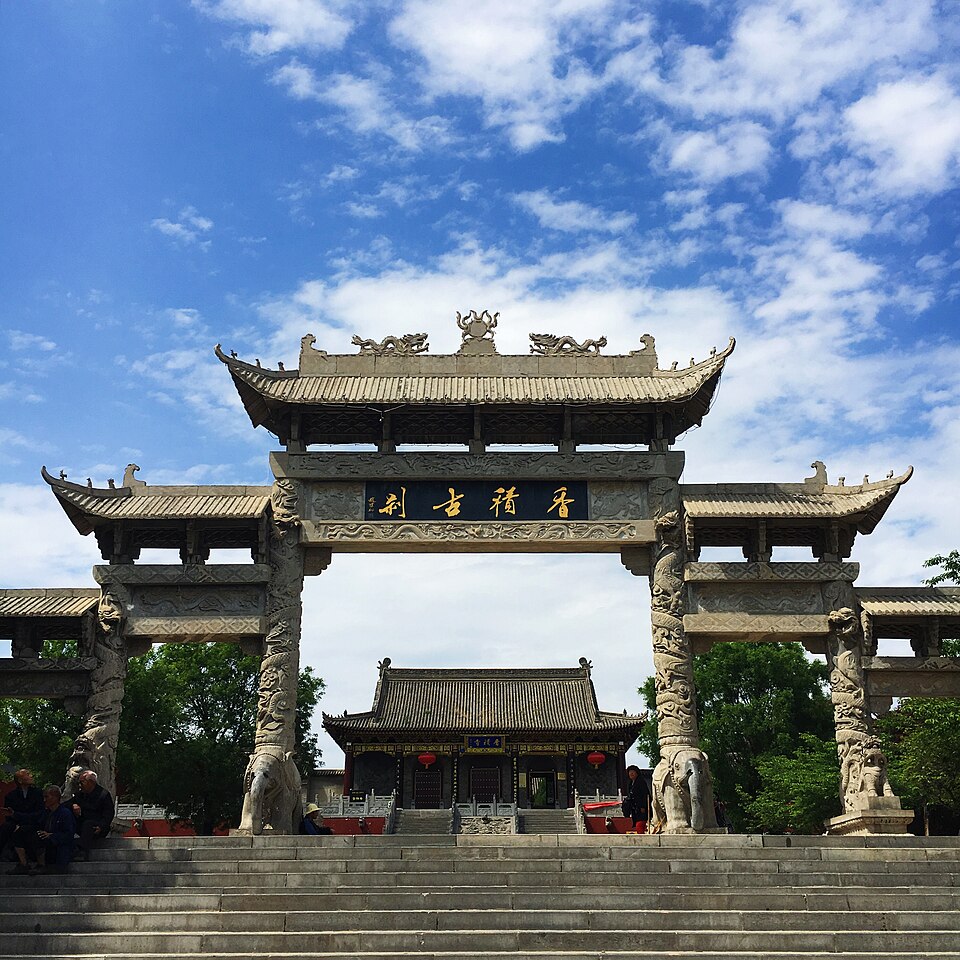
230 min walk
Xiangji Temple
- Must see · Heritage site
- Place of worship
Language · 11 published
Place of worship · Xi'an
草堂寺
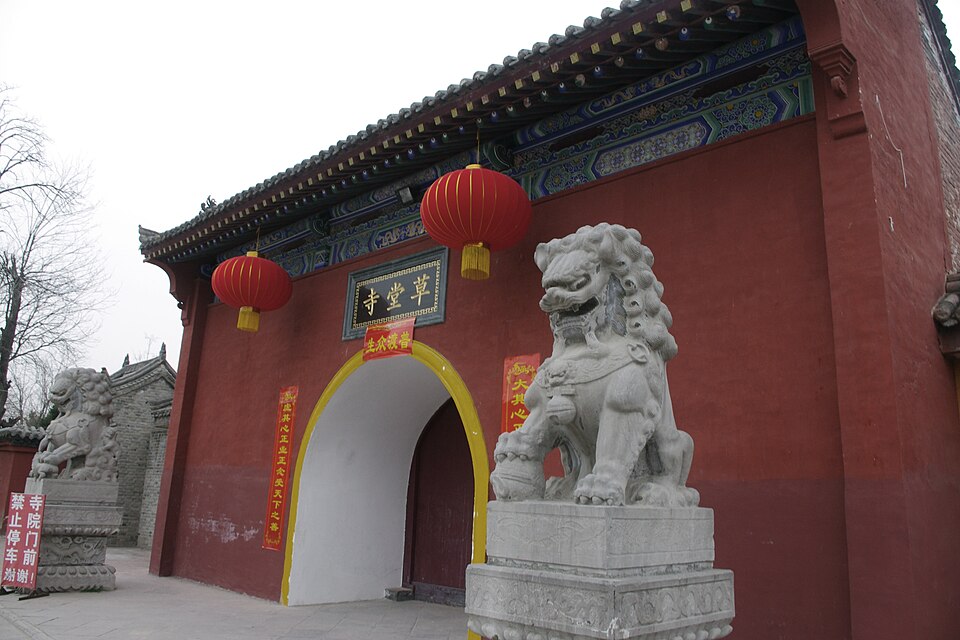
Caotang Temple, known locally as 草堂寺, is a Buddhist temple located in Xi'an, China. It holds significance as a historic religious site within the broader cultural landscape of the ancient capital. The temple is associated with the translation of Buddhist scriptures and the early development of Buddhist thought in China. Its name references the thatched hut tradition of scholarly retreat. Visitors encounter a place where religious practice and historical memory intersect, offering insight into the layered spiritual heritage of the Xi'an region beyond its more famous terracotta warrior attractions.
Checked 2026-08-26
The temple complex contains traditional Buddhist architectural elements including halls, courtyards, and religious statuary typical of Chinese temple design. Structures reflect conventional layouts with main halls for worship, subsidiary buildings, and spaces for monastic residence. Gardens and trees may provide contemplative settings consistent with temple environments. Specific interior contents, artwork details, and the condition of individual buildings are not recorded in available sources. Visitors should expect a functioning religious site rather than a museum, with active worship spaces that may restrict access during ceremonies or private observances.
Checked 2026-08-26

Most visitors allocate between one and two hours for exploring Caotang Temple at a measured pace. This duration allows for walking the main courtyard areas, entering accessible halls, and brief contemplation of the architectural setting. Those with particular interest in Buddhist history or architectural photography may extend their stay. The compact nature of many Chinese temple complexes suggests a relatively contained physical area. Combine with other nearby attractions for a fuller day in the Xi'an suburbs. Individual pacing varies significantly based on personal interest and crowd conditions.
Checked 2026-08-26
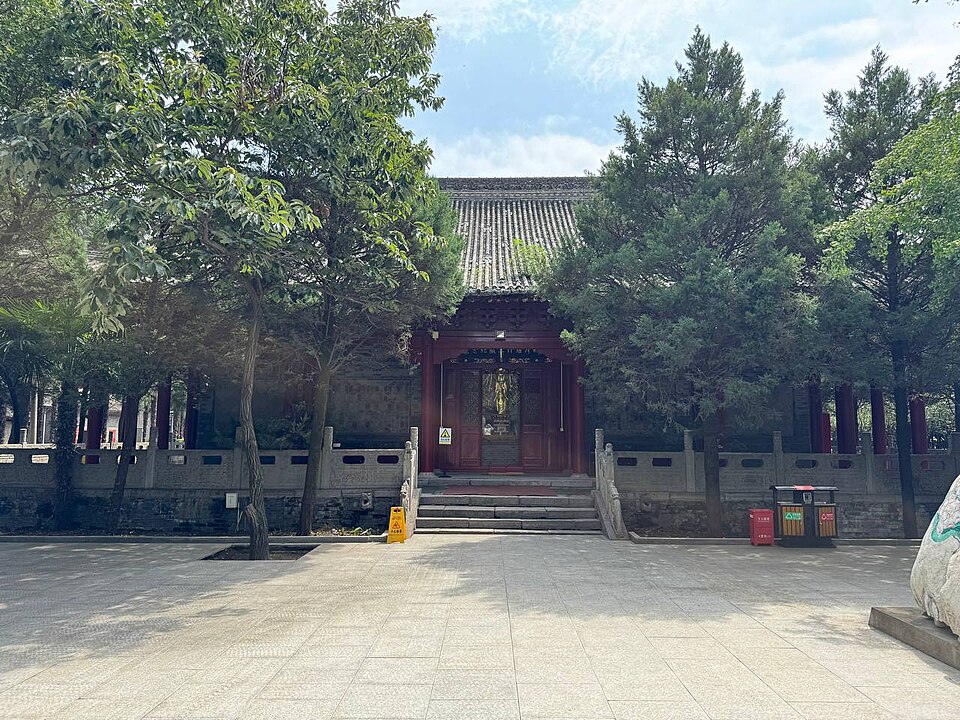
Operator-confirmed hours are Not recorded pending review. Visitors should verify current opening times through official channels before planning their visit. Seasonal considerations for Xi'an apply broadly: spring and autumn offer moderate temperatures favorable to outdoor exploration, while summer brings heat and winter cold. Morning visits may coincide with active religious practice, offering atmospheric experience but potentially restricting certain areas. Festival periods could alter accessibility or increase visitor numbers. Advance confirmation remains essential given the absence of verified scheduling information in available source materials.
Checked 2026-08-26
Operator-confirmed prices are Not recorded pending review. Visitors must seek current admission fees through official temple communications or authorized tourism offices. Many Chinese temples operate with modest entry charges, though policies vary between free religious access and managed tourist ticketing. Possible additional fees for specific exhibitions or services are unverified. Carry sufficient cash as rural or suburban temple sites may lack comprehensive electronic payment infrastructure. Student, senior, or group discount policies are not documented. Budget flexibility advised pending direct price confirmation at point of visit or beforehand.
Checked 2026-08-26
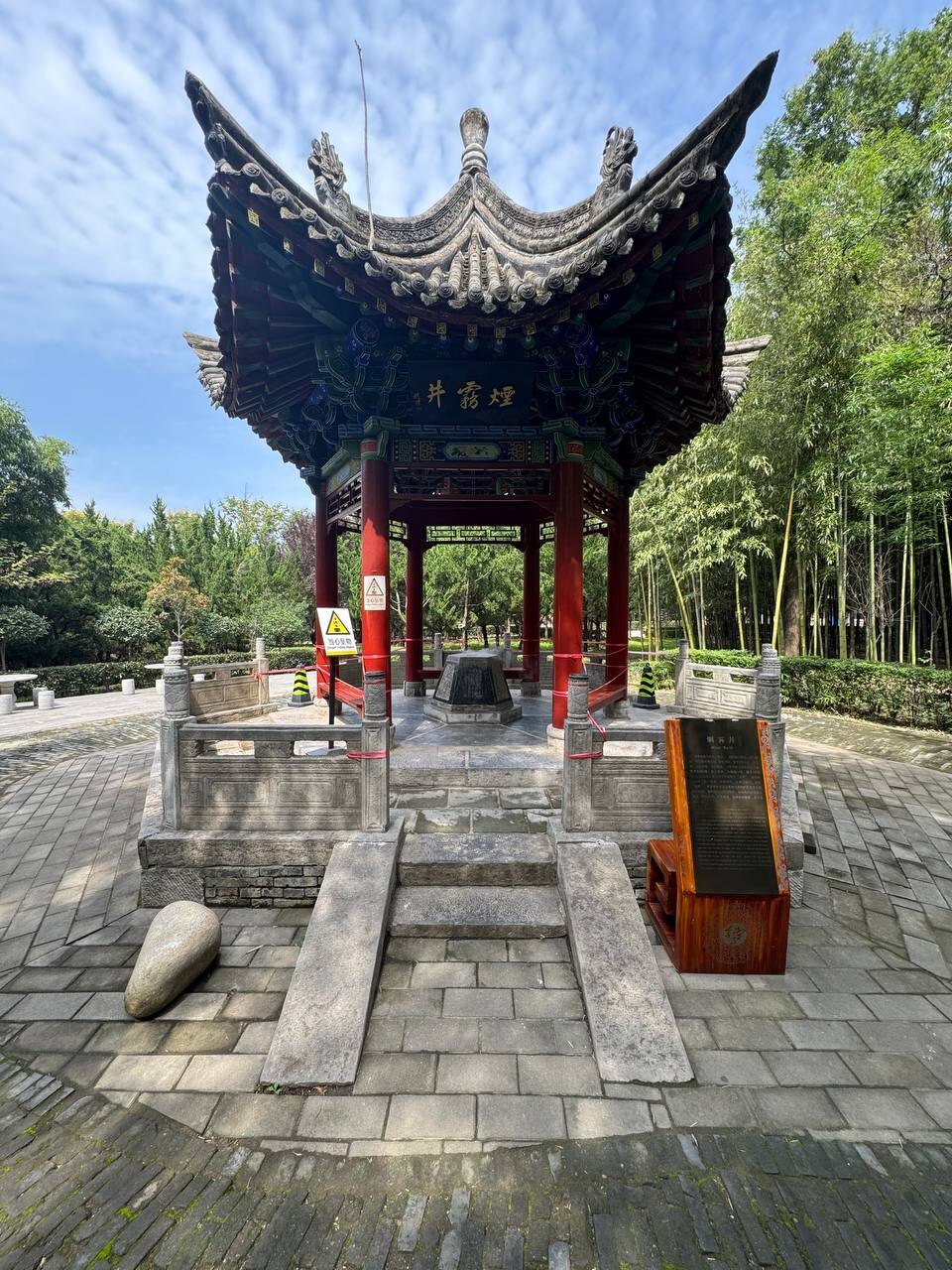
Caotang Temple occupies a suburban position relative to Xi'an's central districts, requiring transportation planning. Public bus routes serve the general area though specific line numbers and schedules are not recorded. Taxi or rideshare services offer direct access with variable cost depending on origin point. The temple's location outside dense urban core necessitates longer transit times than central Xi'an attractions. Visitors based in city center should anticipate journeys potentially exceeding one hour each way. Private vehicle access may be possible with nearby parking availability unverified. Consider combining with other suburban sites to justify travel investment.
Checked 2026-08-26

Active religious sites demand respectful conduct: moderate volume, appropriate dress covering shoulders and knees, and observance of photography restrictions in worship spaces. Physical conditions may include uneven paving, steps without railings, and limited accessibility accommodations. Facilities for visitors with mobility challenges are not documented. Weather exposure is significant in courtyard-dominated layouts with minimal covered areas. Limited English signage may complicate independent navigation. Food and beverage options within immediate temple precincts are unverified. Carry water and basic supplies. Emergency service access in suburban location may involve longer response times than central urban areas.
Checked 2026-08-26

Photography policies at Caotang Temple are not explicitly documented in available sources. Visitors should assume restrictions apply within interior worship halls, where flash photography and imaging of worshippers may be prohibited or culturally insensitive. Exterior architectural photography in courtyards and gardens is typically permitted at Chinese temples, though tripod use may require permission. Morning and late afternoon light offer favorable conditions for capturing traditional rooflines and courtyard perspectives. Overcast conditions reduce harsh shadows beneficial for detail work. Drone operation would require specific authorization and is not advised without explicit permission. Respect active worshippers by avoiding intrusive imaging.
Checked 2026-08-26
No. Caotang Temple occupies a more peripheral position compared to iconic attractions like the Terracotta Warriors or the city wall. It suits visitors seeking secondary religious and historical sites.
Not recorded. Visitors should not rely on comprehensive English materials and may benefit from translation applications or guided arrangements.
On-site commercial facilities are not documented. Visitors should plan accordingly for meals and supplies.
Observation of ongoing practice may be possible, but active participation protocols are not recorded. Maintain respectful distance from ceremonies unless explicitly invited.
Accessibility accommodations are not documented. Traditional temple architecture with steps and uneven surfaces presents likely challenges.
The temple connects to early Buddhist translation activities in China, contributing to the region's significance in religious transmission, though specific historical details in available sources remain limited.
Loading the interactive map…
The interactive map could not be loaded.

Last updated:
Source: OpenStreetMap contributors, Wikidata ·