


3 min walk
Gate
- High
- Historic monument
Language · 11 published
Historic monument · Siem Reap
ប្រាសាទភិមានអាកាស

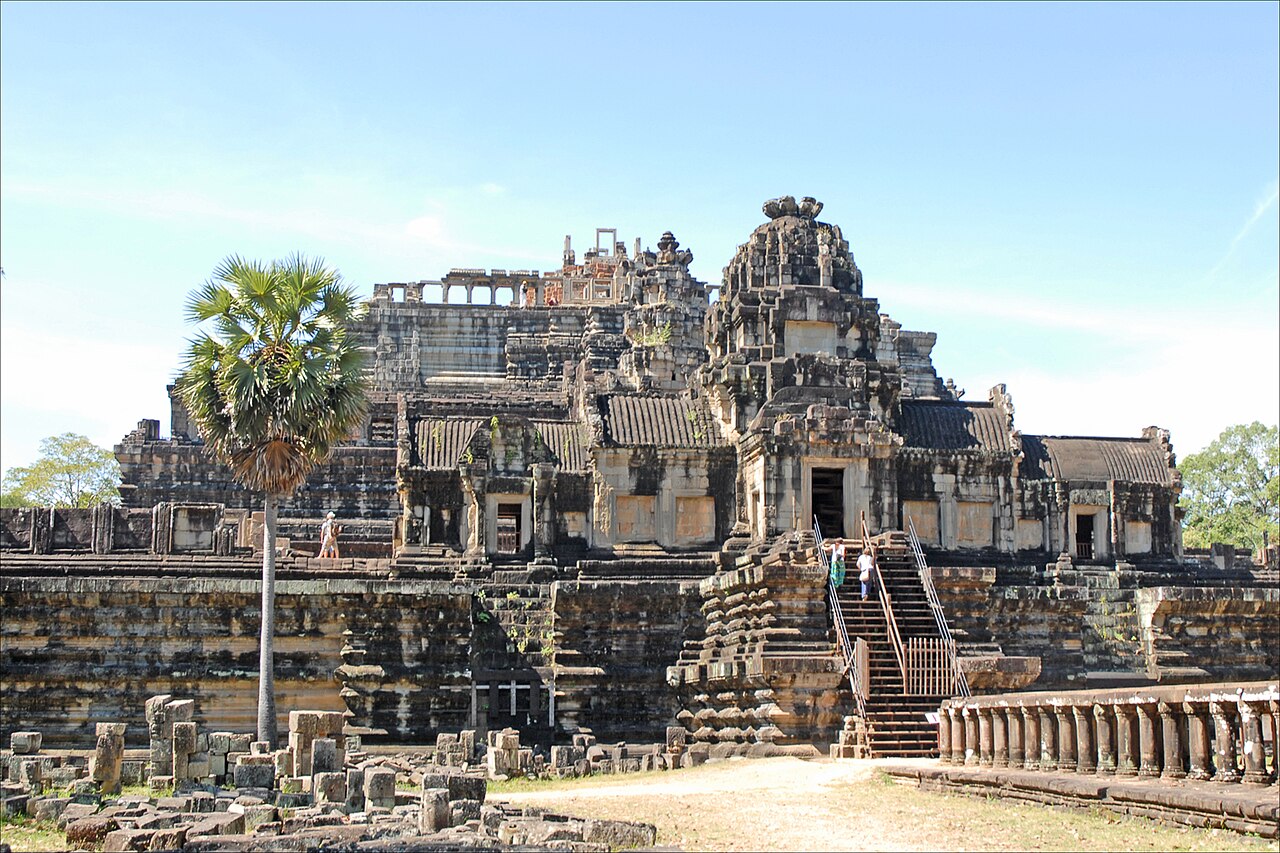
Phimeanakas is a Hindu temple located within the Angkor Thom complex near Siem Reap, Cambodia. Constructed during the Khmer Empire, it stands as a three-tiered pyramid temple representing Mount Meru in Hindu cosmology. The structure was built primarily in the late 10th and early 11th centuries, with later modifications. It served as a state temple and royal chapel associated with Khmer kings. The temple sits within the Royal Palace enclosure, indicating its significance in religious and political ceremonies of the Angkorian period. Phimeanakas also earns time in a siem reap itinerary because A meaningful siem-reap visitor landmark retained in the breadth-first top 100; production has no city POI pool for an exact match. Its value becomes clearer when the stop is compared with the surrounding streets and the other ranked places nearby.
Checked 2026-08-26
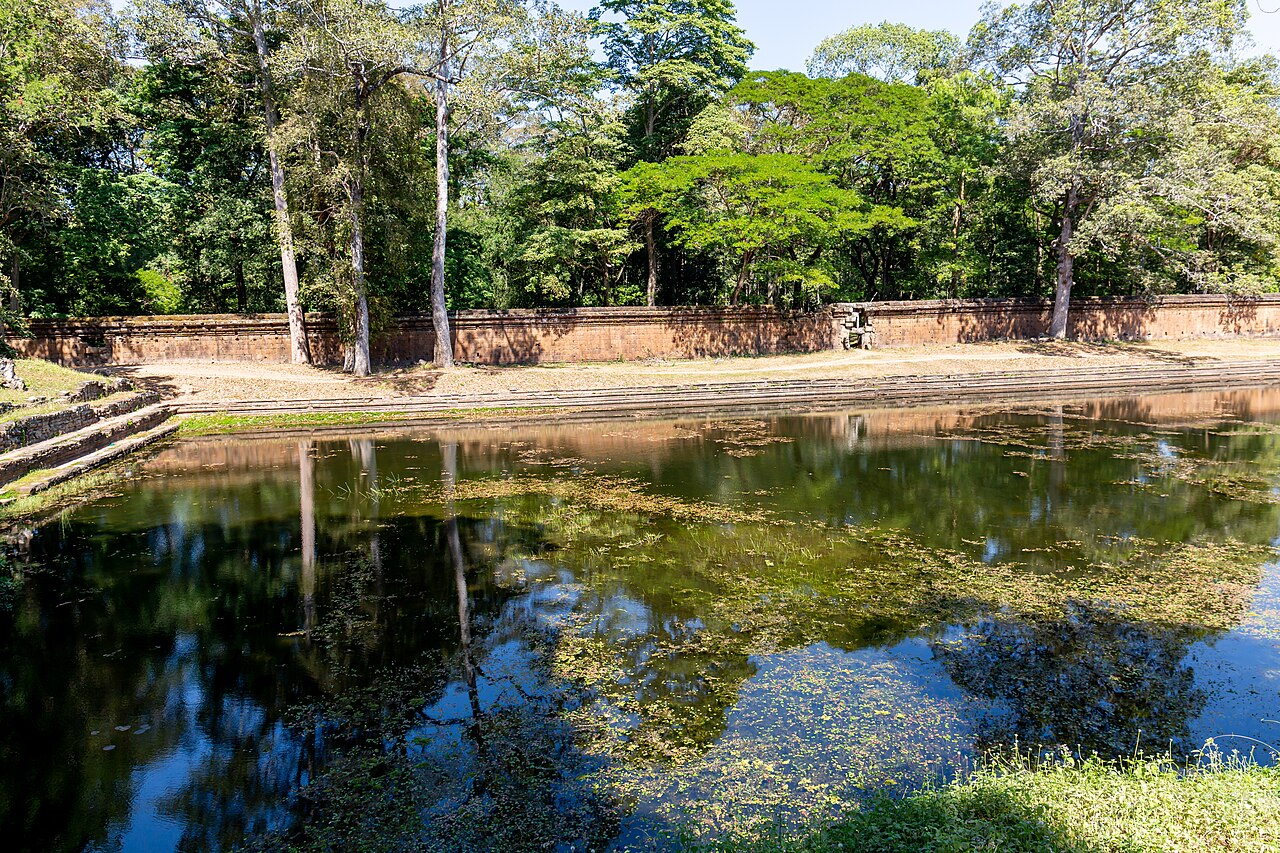
The temple features a pyramidal structure with three diminishing terraces constructed from laterite and sandstone. Visitors can observe the remains of galleries and entrance gates at the base. The upper terrace once supported a small sanctuary tower, now largely ruined. Stone lions flank the staircases ascending the structure. The architectural design demonstrates classic Khmer temple-mountain construction techniques. Original decorative elements have largely weathered or been removed over centuries. The surrounding area includes traces of the Royal Palace complex and associated water features that formed part of the original ceremonial layout.
Checked 2026-08-26

A visit to Phimeanakas typically requires between thirty minutes and one hour for most visitors. This duration allows for circumambulation of the base, careful ascent of the steep staircases to the upper levels, and observation of the architectural details and surrounding landscape. The site connects to other structures within the Royal Palace enclosure, including the Terrace of the Leper King and the Royal Palace area, which visitors often combine in a longer itinerary. Physical fitness affects visit duration due to the steep climbs involved.
Checked 2026-08-26
Visitors should verify current opening times with official Angkor Archaeological Park authorities before planning their visit. The dry season from November to March generally offers more comfortable conditions for climbing the steep staircases, though this period attracts larger crowds. The wet season brings lush vegetation but slippery conditions and occasional flooding. Early morning and late afternoon provide softer lighting for observation and potentially fewer visitors. Temperatures and humidity remain high year-round in this tropical climate. Check the operator's own site for the travel date before relying on a schedule or fare.
Checked 2026-08-26
Phimeanakas stands within the Angkor Archaeological Park, which requires a valid park admission pass for entry. Visitors must obtain the appropriate pass from official ticket vendors. Pass options have historically included single-day and multi-day formats, but current pricing structures should be verified directly with park authorities. The temple itself does not charge separate admission beyond the park pass. International visitors should carry identification and their park pass at all times for inspection by officials within the archaeological zone. Check the operator's own site for the travel date before relying on a schedule or fare.
Checked 2026-08-26

Phimeanakas lies within the Angkor Thom complex, approximately eight kilometers north of Siem Reap town center. Most visitors reach the site via hired transportation including tuk-tuks, taxis, or bicycles arranged in Siem Reap. Organized tours frequently include the temple in broader Angkor Thom itineraries. The structure sits near the center of Angkor Thom, accessible from multiple gates. From the Victory Gate or other Angkor Thom entrances, visitors proceed toward the Royal Palace area. Signage within the park guides visitors to major monuments, though detailed wayfinding requires attention.
Checked 2026-08-26

The original Khmer staircases are exceptionally steep and narrow, presenting significant fall risk particularly during descent. Visitors should exercise extreme caution, use handrails where present, and consider whether physical limitations permit safe ascent. Weathered stone surfaces become slippery after rain. The structure lacks modern safety barriers at upper levels. Sun exposure is intense with minimal shade at the summit. Visitors should carry adequate water and sun protection. The archaeological site contains uneven surfaces, protruding stones, and trip hazards throughout. Appropriate footwear with grip is essential. Children require close supervision.
Checked 2026-08-26

Photography is generally permitted at Phimeanakas for personal use. The pyramid structure offers distinctive angles from ground level and elevated perspectives from the upper terraces. The surrounding jungle canopy and glimpses of neighboring monuments provide contextual framing. Morning and late afternoon light creates dramatic shadows across the tiered surfaces. The steep staircases and stone lions offer compositional elements. Tripod use may attract attention from site staff. Drone operation within Angkor Archaeological Park is restricted and requires explicit permission from heritage authorities. Visitors should respect any posted restrictions or staff instructions regarding photography.
Checked 2026-08-26
No. Phimeanakas is a separate temple located within the Angkor Thom complex, distinct from Angkor Wat which stands several kilometers to the south.
Yes, though the original staircases are extremely steep and narrow, requiring caution and physical fitness.
No separate ticket exists; access requires the general Angkor Archaeological Park admission pass.
The temple was constructed as a Hindu monument dedicated to Shiva, consistent with state religious practice during its construction period.
Licensed guides may be hired in Siem Reap or may approach visitors within the park, though official availability at the temple itself is Not recorded.
The pyramidal base structure survives substantially, though the summit sanctuary is largely ruined and many decorative elements have been lost over centuries.
Loading the interactive map…
The interactive map could not be loaded.

Last updated:
Source: OpenStreetMap contributors, Wikidata ·