


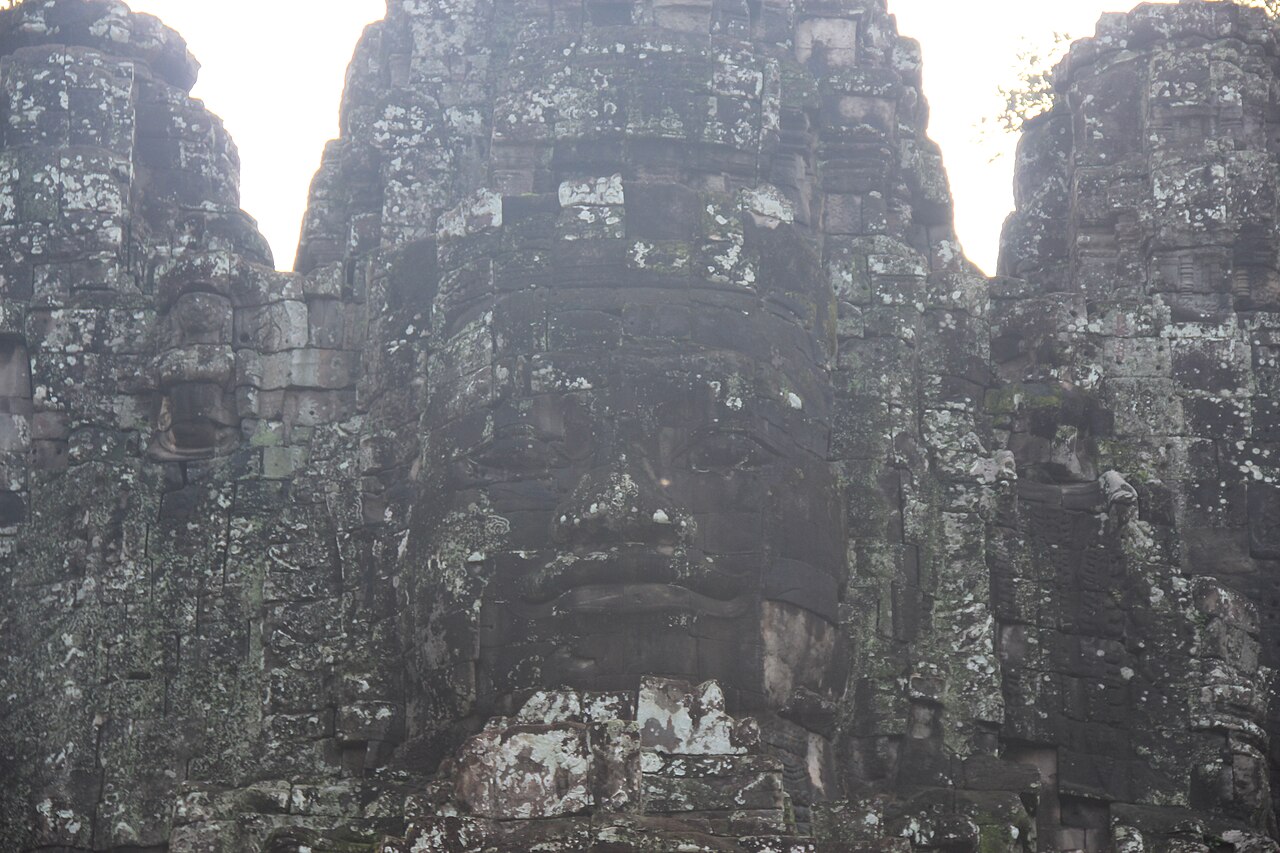
8 min walk
Victory Gate
- Must see
- Historic monument
Language · 11 published
Historic monument · Siem Reap
មង្គលាថ៌
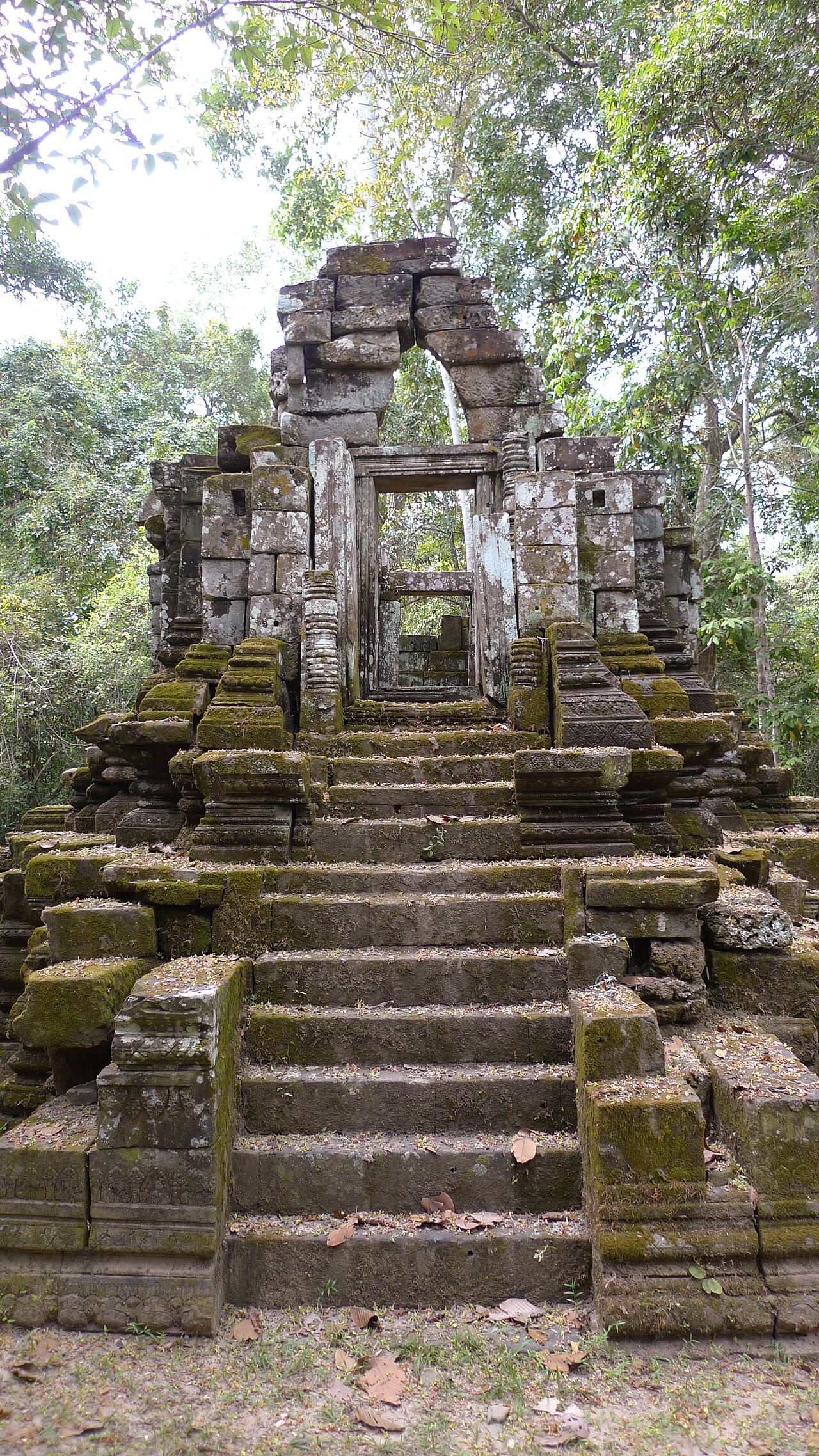
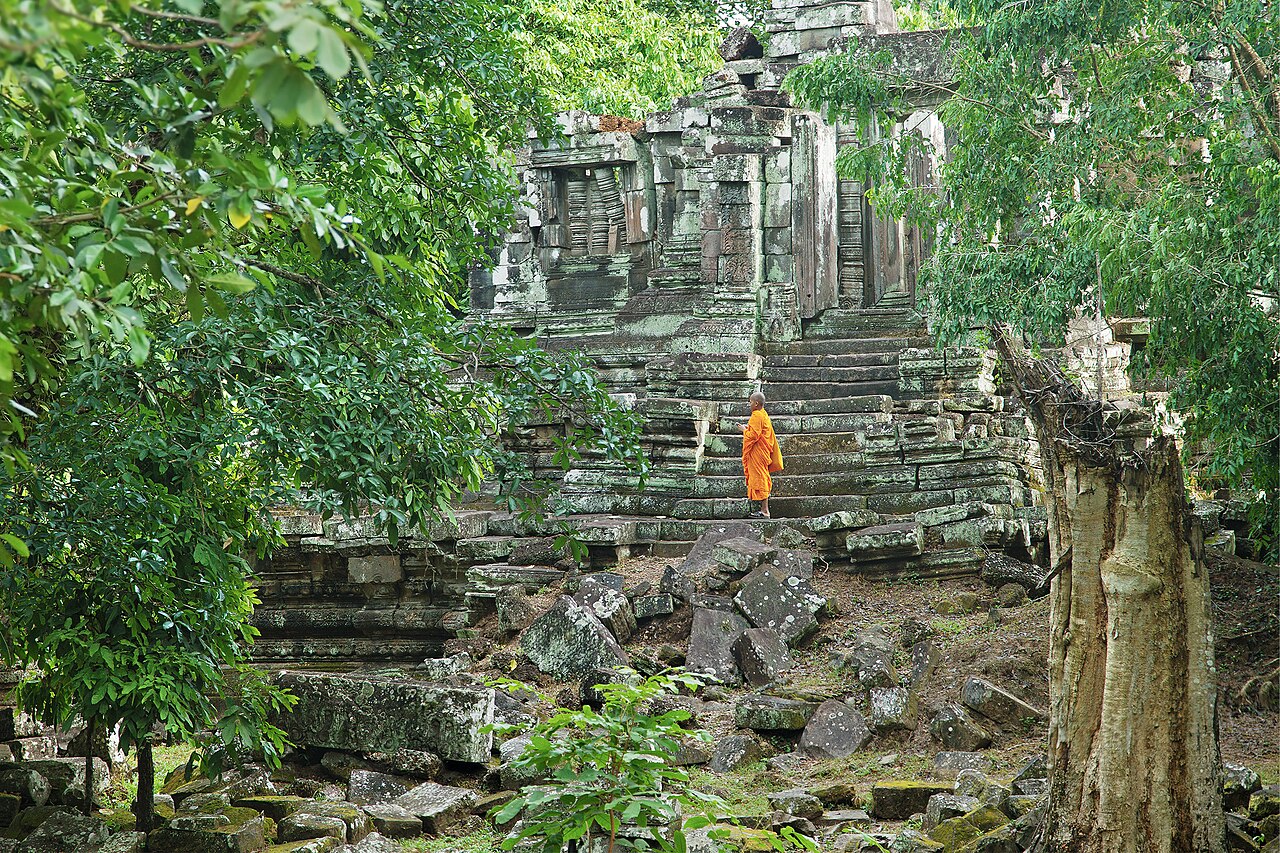
Mangalartha is a Buddhist temple monument situated within the Angkor archaeological zone near Siem Reap, Cambodia. The structure forms part of the broader UNESCO World Heritage Site designated in 1992, encompassing the ancient Khmer capital and its surrounding temple complexes. Mangalartha represents a later period of Angkorian construction, distinct from the more famous earlier monuments. The temple stands as evidence of continued religious activity and building patronage during the declining phases of the Khmer Empire. Visitors encountering Mangalartha typically explore it as part of extended itineraries through the Angkor complex rather than as a primary standalone destination.
Checked 2026-08-26
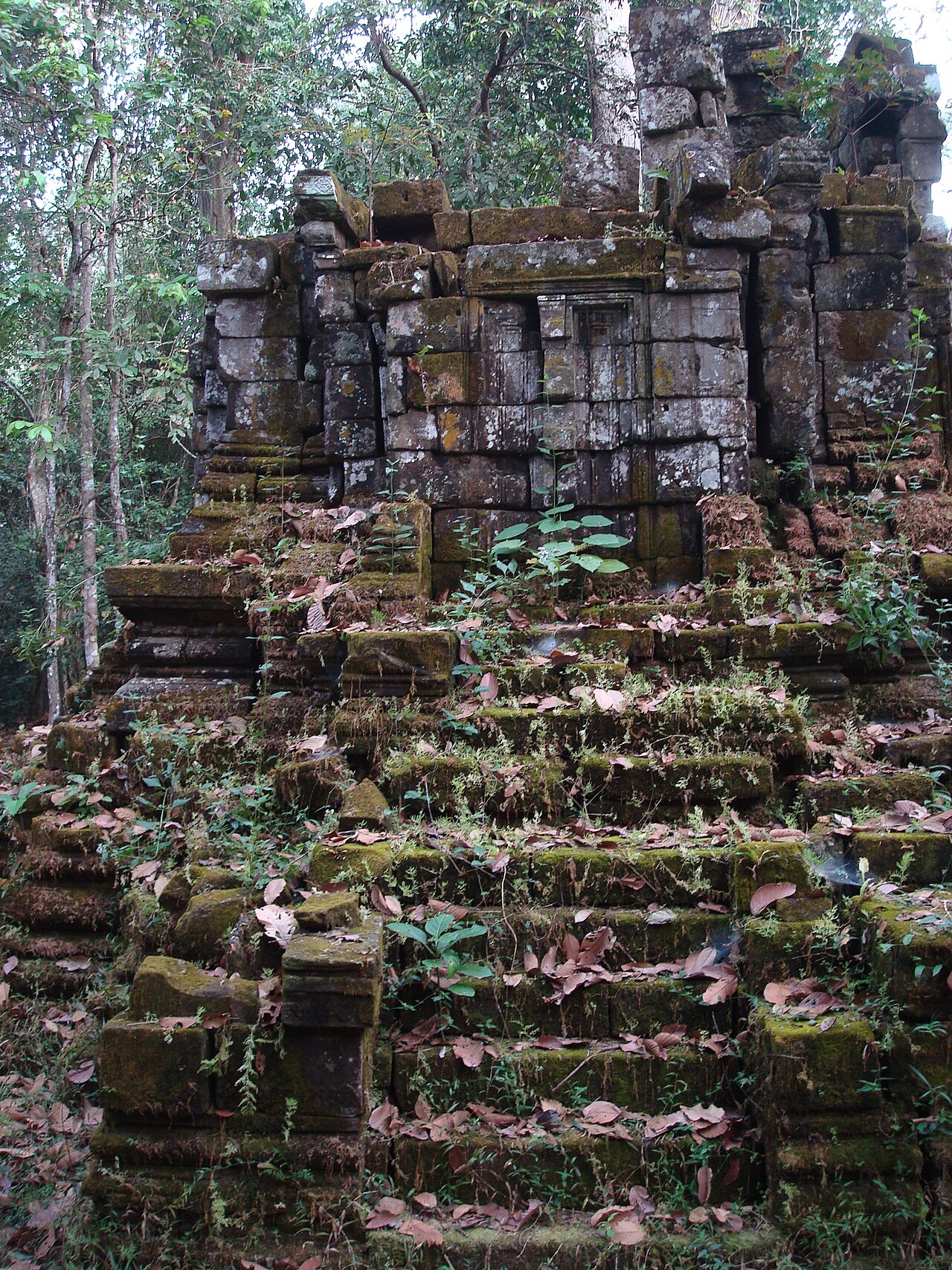
The monument features architectural elements characteristic of late Angkorian Buddhist temple design. Stone construction comprises the primary fabric of the structure, with carved decorative elements present in surviving portions. The temple layout follows conventions of sacred Khmer spatial organisation, though on a more modest scale than major state temples. Interior spaces include sanctuary chambers and surrounding enclosures typical of the period's religious architecture. Decorative motifs reflect Buddhist iconographic programmes rather than the Hindu themes dominant in earlier Angkorian construction. Weathering and vegetation encroachment affect visible surfaces, consistent with the monument's age and tropical environment exposure over centuries.
Checked 2026-08-26
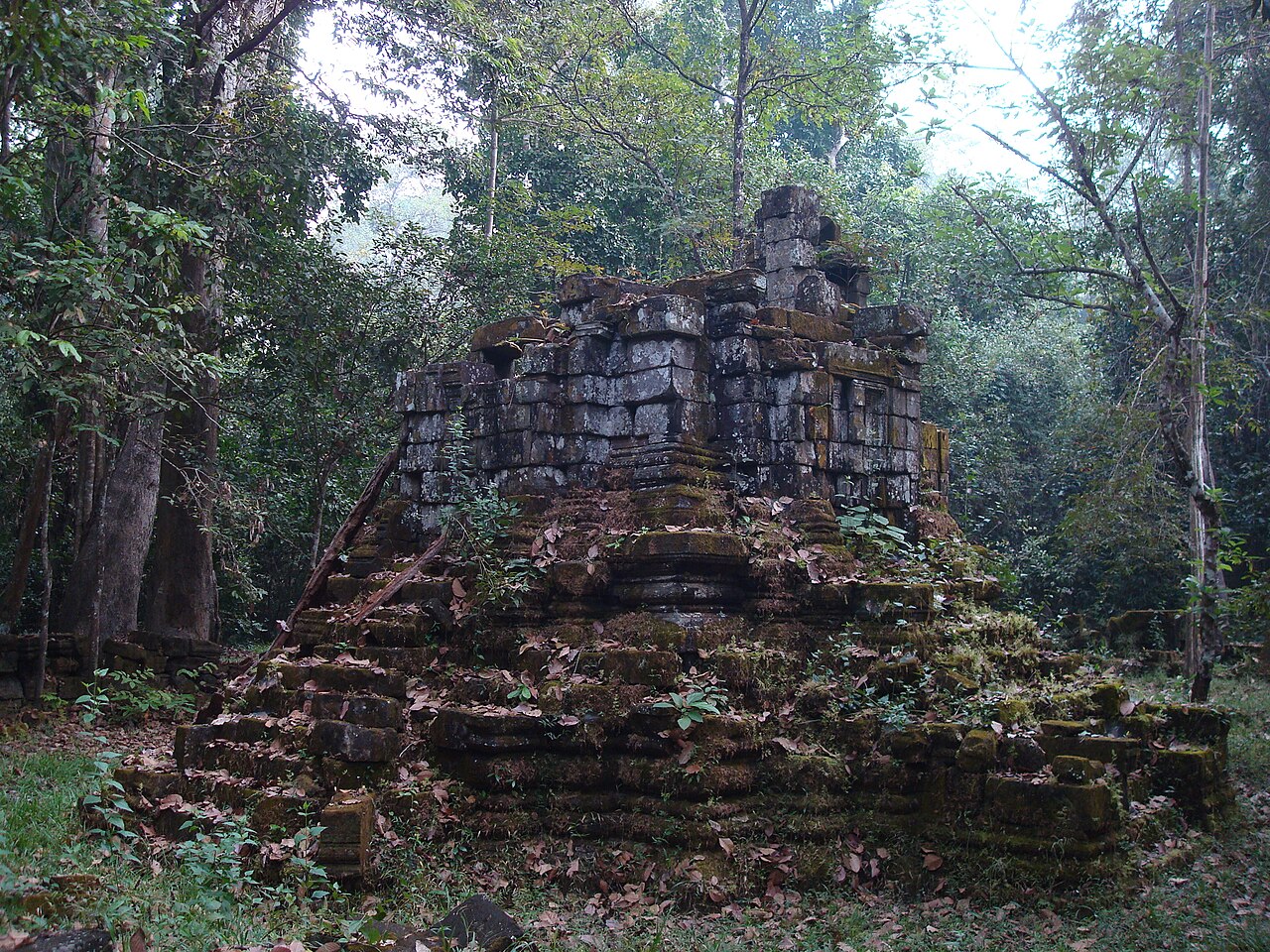
A visit to Mangalartha typically requires between twenty and forty minutes for thorough examination, depending on visitor interest in architectural detail and photographic documentation. The monument's compact scale permits efficient circumambulation and interior exploration without extended time commitment. Visitors incorporating Mangalartha into broader Angkor touring itineraries should allocate this duration within their overall schedule. Those with specialised interest in late Angkorian Buddhist architecture may extend their stay for closer study of construction techniques and decorative elements. The site's limited footprint means that crowding rarely extends visit duration significantly, even during peak tourism periods in the surrounding region.
Checked 2026-08-26
Visitors should independently verify current access arrangements before planning their visit. The tropical climate of the Siem Reap region produces distinct wet and dry seasons that affect touring conditions throughout the Angkor zone. Morning hours generally offer cooler temperatures and more favourable lighting for observation and photography. Afternoon visits coincide with higher temperatures and potential precipitation during monsoon months. The surrounding vegetation and tree cover provide partial shade, though sun exposure remains significant during midday. Seasonal variations in visitor density across the broader Angkor complex may influence the experience of visiting this particular monument. Check the operator's own site for the travel date before relying on a schedule or fare.
Checked 2026-08-26
Access to Mangalartha falls under the broader Angkor archaeological park admission system administered by relevant authorities. Visitors must obtain appropriate passes covering the entire designated heritage zone rather than individual monument tickets. Pass options typically include single-day and multi-day configurations, though specific current pricing requires direct verification. International visitors should anticipate differential pricing structures common at major Southeast Asian heritage sites. Payment methods and purchase locations for park entry should be confirmed through official channels prior to arrival. Budget planning for Angkor visits must account for transportation and guide services in addition to admission costs. Check the operator's own site for the travel date before relying on a schedule or fare.
Checked 2026-08-26
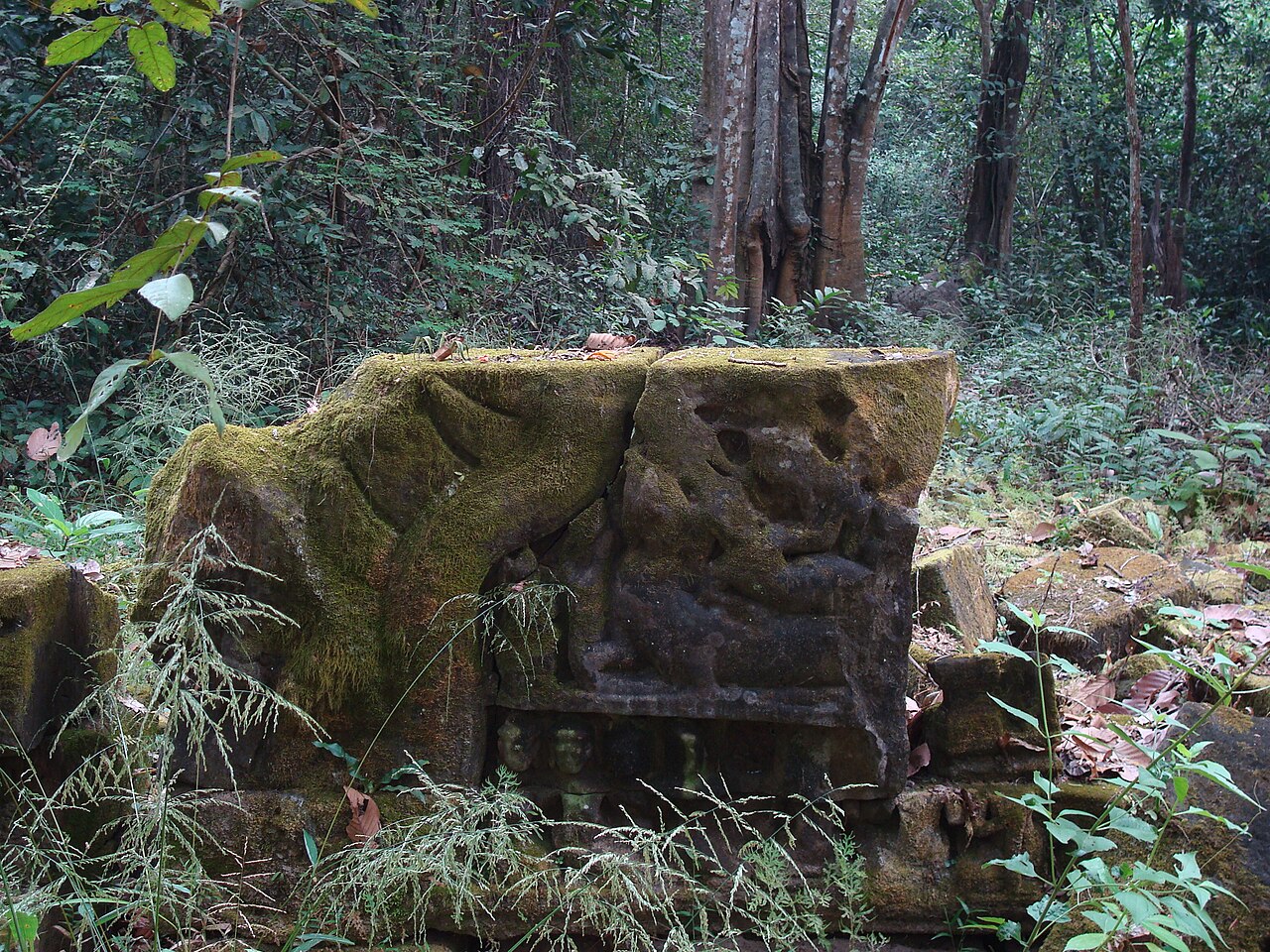
Mangalartha occupies a location within the Angkor archaeological zone accessible via the road network connecting Siem Reap town to the temple complexes. Transportation options include hired vehicles with drivers, motorbike taxis, bicycles, and organised tour services. The monument's specific position requires navigation through the broader temple area, with distances from Siem Reap town centre estimated at several kilometres. Road conditions vary between sealed surfaces and unpaved sections, particularly during wet season periods. Visitors utilising independent transport should obtain accurate directional information before departure, as signage for secondary monuments remains limited. Return journey planning should account for potential delays and fuel requirements.
Checked 2026-08-26
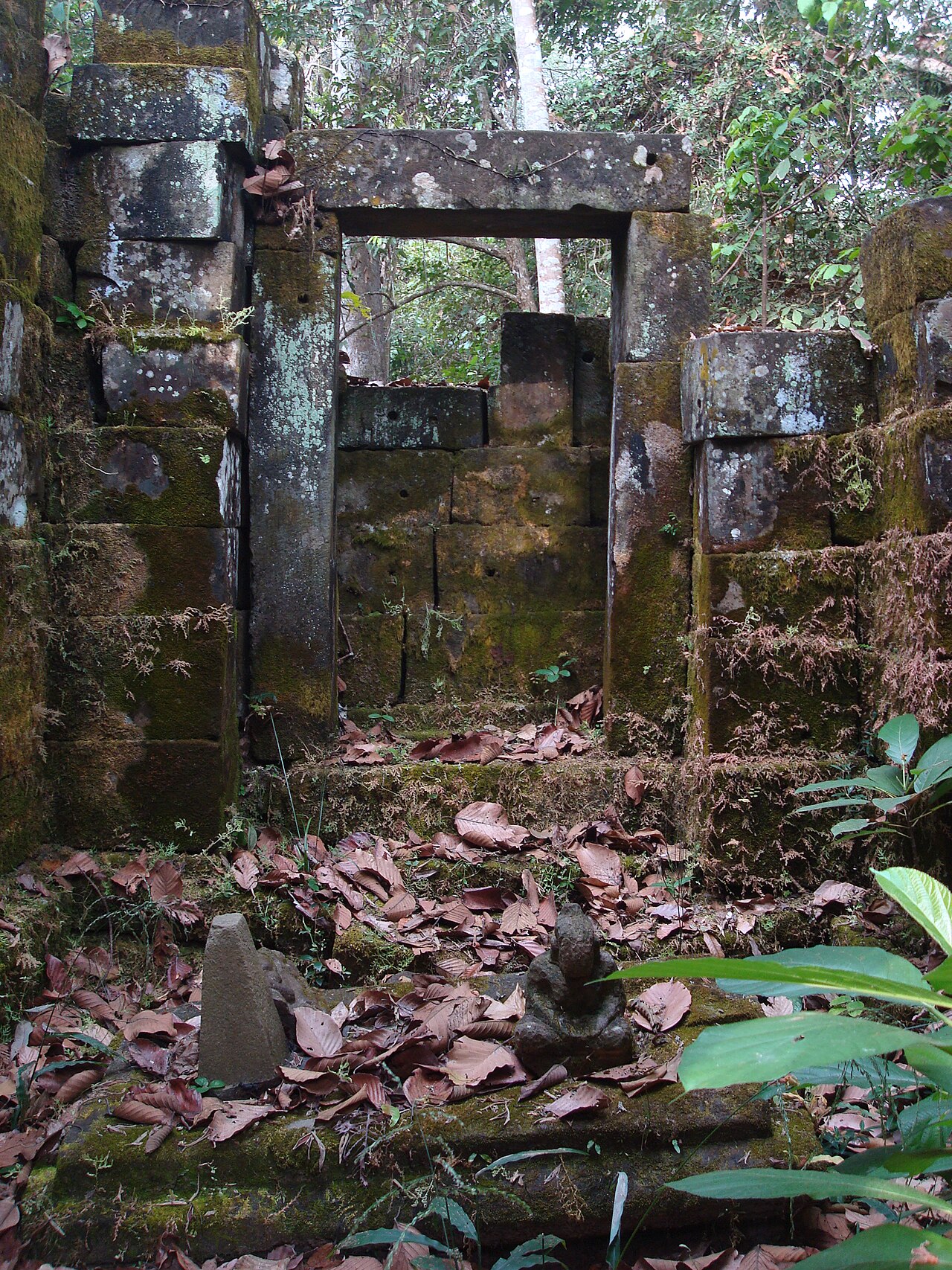
Structural instability and deteriorating stonework present potential hazards requiring visitor caution around the monument. Uneven surfaces, fallen debris, and partially collapsed elements necessitate careful foot placement during exploration. Vegetation growth including tree roots disrupts structural elements and creates tripping risks. Wildlife inhabiting the monument and surrounding forested areas may include snakes and insects requiring awareness. Limited visitor facilities mean absence of emergency services, potable water, and sanitation provisions at the site itself. Sun exposure and heat demand adequate hydration and protective measures. Remote location relative to medical facilities underscores the importance of precautionary behaviour and appropriate travel insurance coverage for visitors.
Checked 2026-08-26
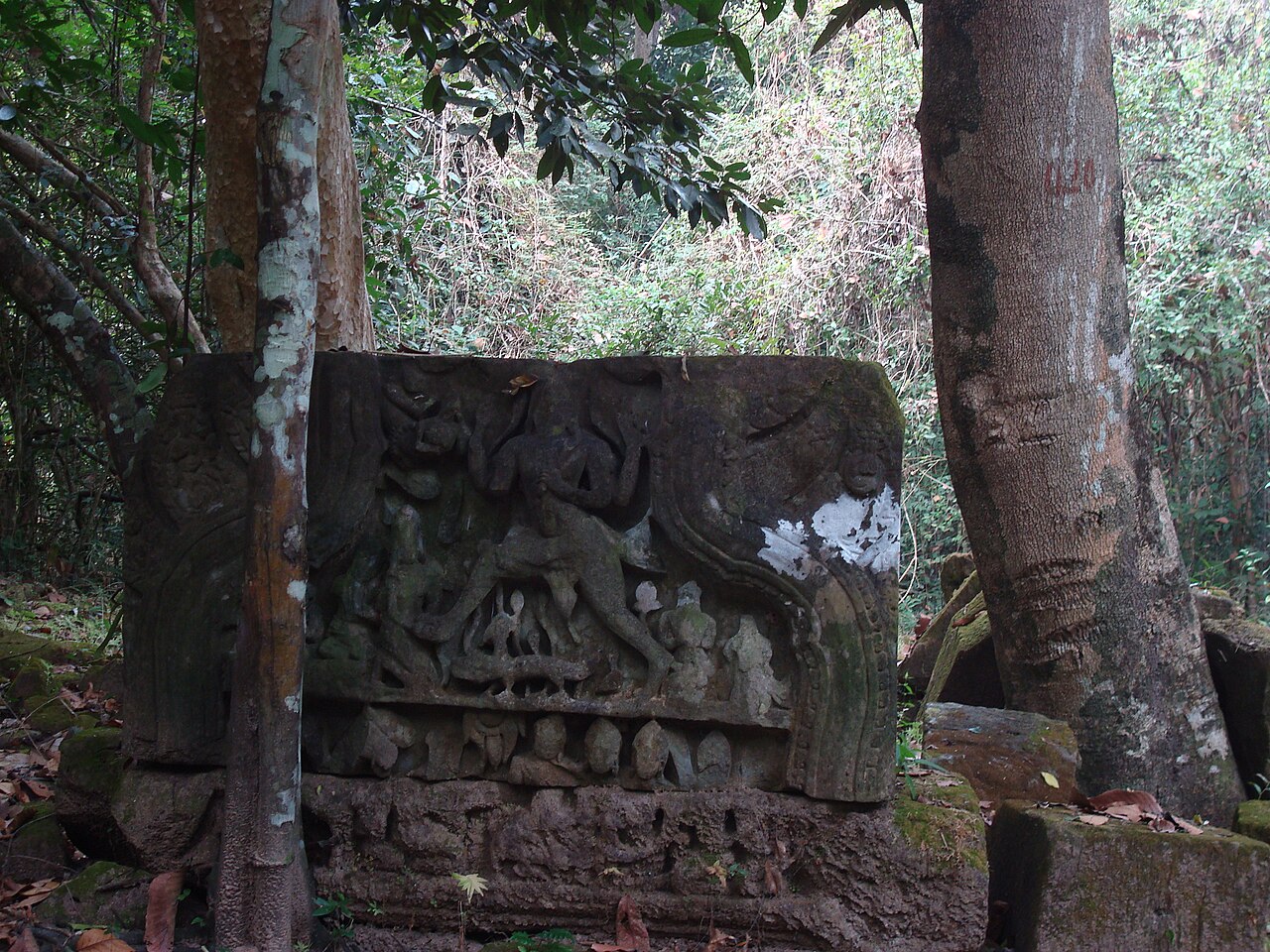
The monument offers photographic subjects encompassing architectural details, sculptural elements, and environmental context including vegetation integration. Morning and late afternoon light produces favourable conditions for capturing stone textures and atmospheric qualities. Tripod usage may attract scrutiny from site authorities and should be conducted discreetly if permitted. Flash photography potentially damages sensitive surfaces and should be avoided. The compact scale permits comprehensive documentation without extensive equipment movement. Overhead vegetation creates dappled lighting conditions requiring exposure compensation. Visitors should balance photographic activity with respectful behaviour appropriate to the sacred character of the monument. Drone operation likely faces restrictions within the World Heritage designated zone.
Checked 2026-08-26
No. Mangalartha represents a later, more modest construction within the Angkor complex, lacking the scale, state sponsorship, and architectural prominence of Angkor Wat or Bayon.
No. Access requires valid admission to the broader Angkor archaeological zone; individual monument ticketing does not operate.
Not recorded. Visitors typically engage guides for broader Angkor itineraries rather than this specific monument.
Visitor discretion is required. Deterioration and instability affect portions of the monument; caution is essential during exploration.
Buddhist. The temple reflects late Angkorian Buddhist patronage, distinct from the Hindu foundations of earlier major monuments.
Not recorded. The visible condition suggests limited recent intervention, though specific conservation programmes are not documented in available sources.
Loading the interactive map…
The interactive map could not be loaded.
Last updated:
Source: OpenStreetMap contributors, Wikidata ·