Museu Nacional
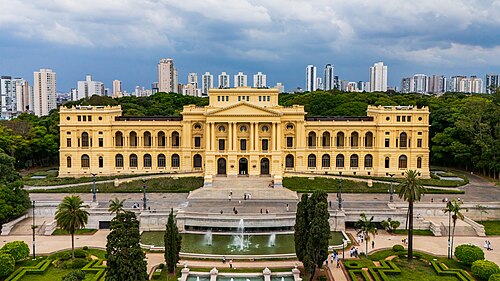
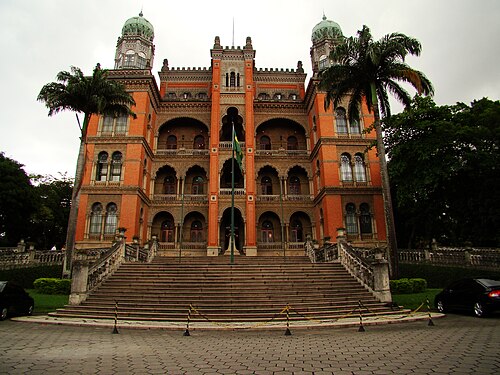
The Museu Nacional is a museum located in Rio de Janeiro, Brazil. It is situated within the Quinta da Boa Vista park in the São Cristóvão neighbourhood.
- Must see
- Museum
- Rio de Janeiro
Language · 11 published
Country guide
Brazil is the largest country in South America and the fifth largest on earth, with over 213 million people, 26 states and a Federal District built to hold the capital, Brasília. Its Atlantic coastline runs 7,491 kilometres and it borders every country on the continent except Ecuador and Chile. Most of the Amazon basin is Brazilian, including the world's largest river system and the most extensive virgin tropical forest left standing; the same country also holds wetlands, savanna, plateau and low mountains. São Paulo is the most populous city and Rio de Janeiro the second. The distance between any two of these is the planning problem.
Every city catalogued in this country so far, ranked by how much there is to see.
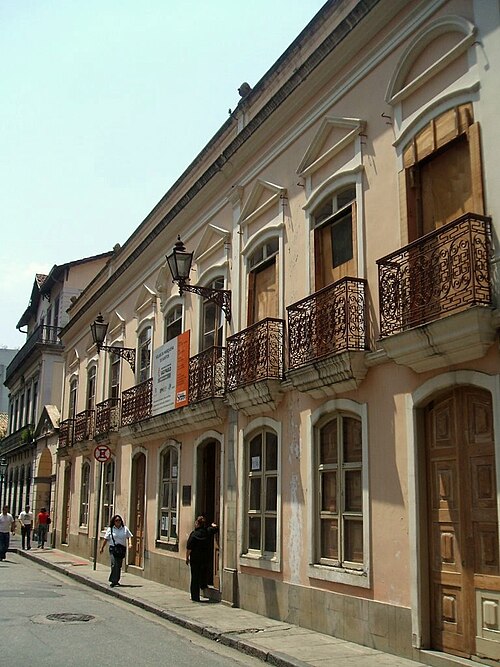
Photograph · Thomas Hobbs · CC BY-SA 2.0
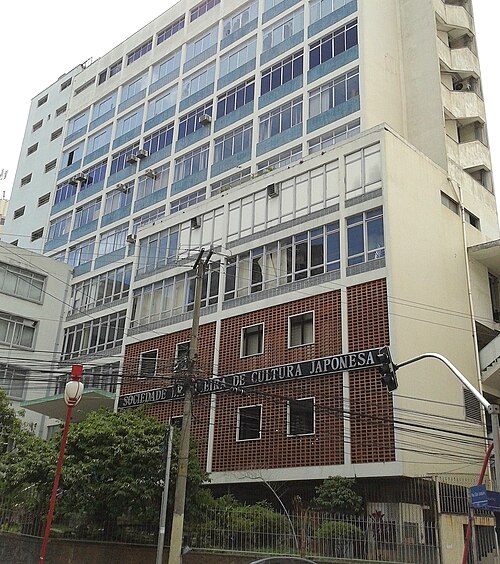
Photograph · Rafael Rabello de Barros · CC BY-SA 3.0
Ranked by importance — sitelinks, pageviews and heritage status, not editor preference.
100 places match
Category
Typical visit duration
The Museu Nacional is a museum located in Rio de Janeiro, Brazil. It is situated within the Quinta da Boa Vista park in the São Cristóvão neighbourhood.
Museu de Arte de São Paulo - Edifício Pietro Maria Bardi
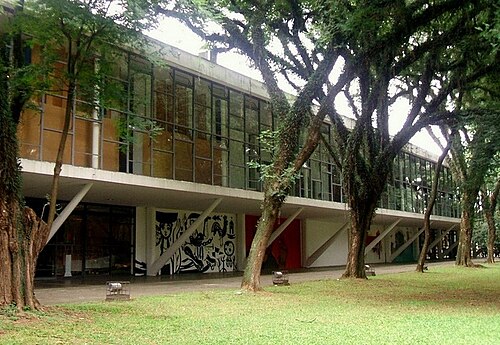
The São Paulo Museum of Art, usually called MASP, is a private not-for-profit museum founded in 1947 by Assis Chateaubriand.
Museu de Arte Contemporânea
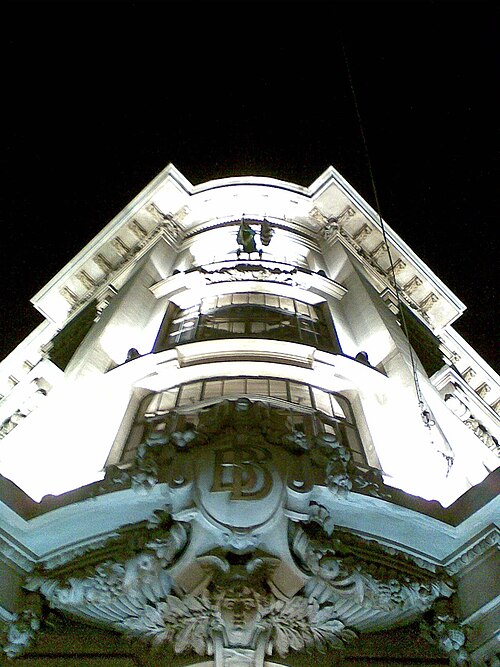
The Niterói Contemporary Art Museum, known locally as Museu de Arte Contemporânea, is a prominent art museum located in Niterói, a city across Guanabara Bay from Rio de Janeiro.
Museu Nacional de Belas Artes
The National Museum of Fine Arts, locally known as Museu Nacional de Belas Artes, stands as Brazil's premier institution for visual arts. Located in Cinelândia, central Rio de Janeiro, it occupies a monumental building that anchors this historic cultural square.
Pinacoteca do Estado de São Paulo
The Pinacoteca de São Paulo stands as the city's oldest major art museum, housed within the restored Luz building. This institution holds nationally important significance for Brazilian art, serving as a cornerstone of São Paulo's cultural landscape.
Museu Histórico Nacional
The National Historical Museum, locally known as Museu Histórico Nacional, occupies a former colonial fort and arsenal complex in central Rio de Janeiro. Its buildings represent layered military and imperial history spanning several centuries.
Museu do Amanhã
The Museum of Tomorrow, known locally as Museu do Amanhã, is a science museum situated on the Mauá waterfront in Rio de Janeiro's Porto Maravilha district.
Paço Imperial
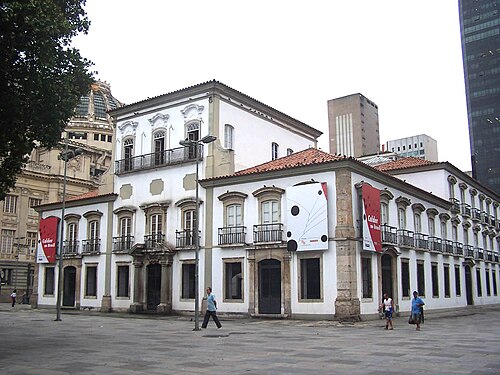
Paço Imperial is a historic palace in Rio de Janeiro's Centro district, facing Praça XV de Novembro. It served as the colonial vice-regal residence, later becoming the seat of the Portuguese royal court and the Brazilian imperial family.
Real Gabinete Português de Leitura
The Real Gabinete Português de Leitura is a neo-Manueline library in downtown Rio de Janeiro. Founded in 1837 by Portuguese immigrants, the institution preserves cultural ties between Brazil and Portugal.
Memorial da América Latina
The Latin America Memorial is a civic-cultural complex in São Paulo designed by architect Oscar Niemeyer. It was conceived as a space dedicated to Latin American culture, integration, and identity.
Museu Lasar Segall
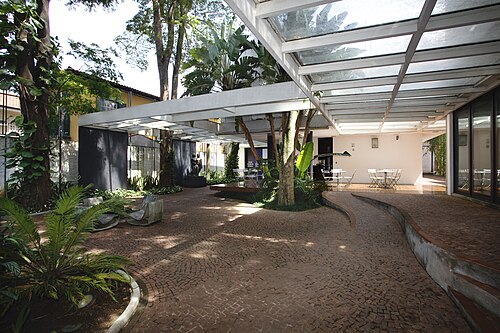
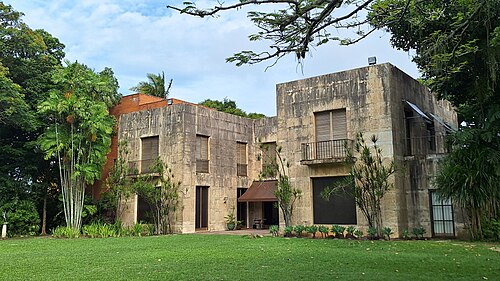
The Lasar Segall Museum, known locally as Museu Lasar Segall, is an artist's house-museum and modernist cultural centre situated in the Vila Mariana neighbourhood of São Paulo, Brazil.
Casa das Rosas is a preserved mansion on Paulista Avenue in São Paulo, Brazil. It serves as a cultural center devoted to poetry and literature.
Museu Paulista
The Museu do Ipiranga is a Brazilian history museum located in São Paulo. It stands as the anchor institution of Independence Park, a monumental green space in the city.
Museu de Arte Moderna de São Paulo
The São Paulo Museum of Modern Art, known locally as Museu de Arte Moderna de São Paulo (MAM), is a leading institution dedicated to modern and contemporary art.
Pavilhão Bienal - São Paulo
Instituto Bardi
Museu Carmem Miranda
Museu Afro-Brasil
The Afro Brazil Emanoel Araujo Museum is a separately entered institution located within Ibirapuera Park in Sao Paulo. The museum is dedicated to preserving and showcasing Afro-Brazilian culture, history, and artistic production.
Museu de Arte Moderna (MAM)
The Museum of Modern Art Rio, locally Museu de Arte Moderna do Rio de Janeiro, is a modernist museum and gardens forming a major arts complex beside Flamengo Park.
Museu da Língua Portuguesa
The Museum of the Portuguese Language is an interactive museum dedicated to the Portuguese language, located inside the historic Luz Station in São Paulo. Its Portuguese name is Museu da Língua Portuguesa.
Casa Brasil
Casa França-Brasil is a neoclassical building in Rio de Janeiro that formerly served as a customs house. The structure represents an important example of colonial-era architecture adapted for civic use.
Centro Cultural Banco do Brasil São Paulo
The Centro Cultural Banco do Brasil São Paulo (CCBB SP) is a major cultural institution operated by Banco do Brasil, one of Brazil's largest public banks.
Museu da Imigração do Estado de São Paulo
The Museum of Immigration of the State of São Paulo occupies a former immigrant hostel that received millions of newcomers who shaped Brazil's most populous state.
Museu do Indio
Museu de Arte Sacra de São Paulo
The Museum of Sacred Art of São Paulo occupies the historic Luz monastery complex, a significant colonial-era religious site in Brazil's largest city. Founded as a convent, the complex preserves important architectural heritage from the Portuguese colonial period.
Antigo Convento de Nossa Senhora do Carmo
Museu da Polícia Civil
Museu do Futebol
The Football Museum, locally known as Museu do Futebol, is an interactive museum located beneath the historic Pacaembu Stadium in São Paulo. It examines football's profound significance within Brazilian society and culture.
Museu Judaico de São Paulo
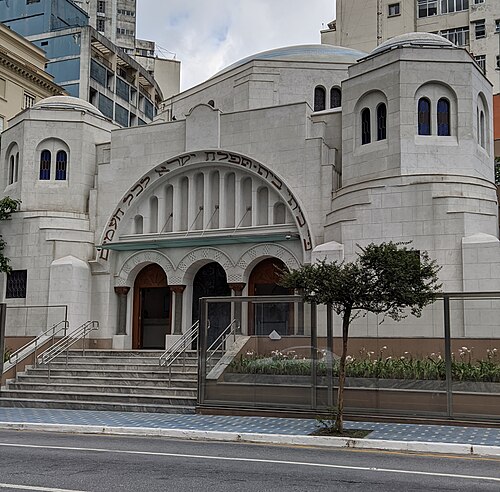
The Jewish Museum of São Paulo is a museum dedicated to Jewish life and migration in Brazil. It occupies the restored Beth-El synagogue, a historically significant building that has been adapted for its present cultural purpose.
Museu Casa Guilherme de Almeida
Museu Chácara do Céu
The Chácara do Céu Museum is a cultural institution located in the Santa Teresa neighborhood of Rio de Janeiro. It forms part of the Castro Maya Museums network, administered by the Brazilian federal government.
Museu de Santo André Doutor Octaviano Armando Gaiarsa
Casa do Bandeirante
Solar da Marquesa de Santos
Solar da Marquesa de Santos is a rare surviving eighteenth-century urban residence in São Paulo. It serves as a core site of the City Museum, preserving historical architecture from the colonial period.
Navio-Museu Bauru
Fundação Ema Klabin
Museu de Ciências da Terra
Museu de Arqueologia e Etnologia
Museu de Zoologia da USP
The Museum of Zoology of the University of São Paulo is a major natural-history museum located beside Independence Park in São Paulo, Brazil. Operated by the university, it serves as a significant institution for zoological research and public education.
Submarino-Museu Riachuelo
Museu da Imagem e do Som
Solar Grandjean de Montigny
Capela do Morumbi
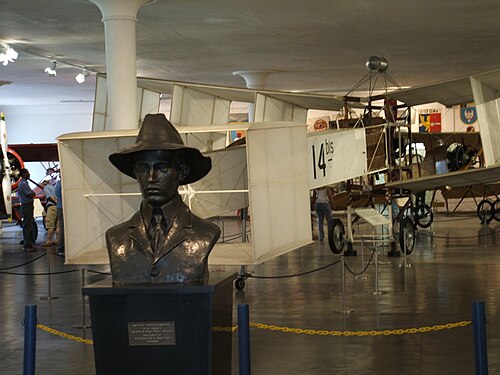
The Museu Aeroespacial, known in English as the Aerospace Museum, stands at Campo dos Afonsos in Rio de Janeiro. It serves as Brazil's principal institution dedicated to preserving and exhibiting the nation's aviation and aerospace heritage.
Museu de Arte do Rio
The Rio Art Museum, known locally as Museu de Arte do Rio, is a cultural institution situated in Rio de Janeiro's port zone.
Centro Cultural Banco do Brasil
Centro Cultural Banco do Brasil is a cultural institution housed in a historic building in downtown Rio de Janeiro. Formerly a bank headquarters, the neoclassical structure has been adapted for contemporary cultural use.
Catavento Cultural e Educacional
Catavento Museum, locally known as Museu Catavento, is a hands-on science museum housed in the historic Palácio das Indústrias in São Paulo.
Museu dos Transportes Públicos Gaetano Ferolla
The São Paulo Railway Museum, locally named Museu dos Transportes Públicos Gaetano Ferolla, is a municipal public-transport museum dedicated to preserving vehicles and infrastructure from São Paulo's mobility history.
Centro Cultural Justiça Federal
Museu Brasileiro de Escultura
Museu da Vida
The Museum of Life Fiocruz, known locally as Museu da Vida Fiocruz, is an interactive science museum operated by the Oswaldo Cruz Foundation, Brazil's leading public health research institution.
The Museum of Açude is a cultural institution within Rio de Janeiro's Tijuca Forest. It forms part of the Castro Maya Museums network, administered under Brazilian federal museum governance.
Museu Botânico Doutor João Barbosa Rodrigues
Salão de Chá e Museu
Museu do Primeiro Reinado
A CASA
Museu Histórico
Museu Naval
The Museu Naval is a museum in downtown Rio de Janeiro dedicated to Brazilian naval history. Operated by the Brazilian Navy, it occupies a central location near Guanabara Bay.
Colégio José de Anchieta
Centro Cultural Aúthos Pagano
Museu do Crime
Forte Duque de Caxias is a military fortification located on Morro do Leme, a hill at the eastern end of Copacabana Beach in Rio de Janeiro.
Museu do Ingá
Museu Histórico da Cidade do Rio de Janeiro
Nau dos Descobrimentos
Centro de Preservação Cultural
Estação Ciência
Casa de Rui Barbosa
Museu de Geociências
Museu Histórico e Diplomático do Itamaraty
Memorial da pessoa com deficiência
Museu do Tribunal de Justiça SP
Museu Internacional de Arte Naïf
Museu de Astronomia e Ciências Afins
Museus de Arte Brasileira da FAAP
Museu de Oceanografia
Museu Xingu
Source: OpenStreetMap contributors, Wikidata ·
Brazil’s scale makes 10–16 days appropriate for one region rather than a national circuit. Build around a single gateway such as Rio de Janeiro or São Paulo, then add one coherent coastal, nature or cultural extension.
Visa information is maintained by Brazil’s Ministry of Foreign Affairs through its consular portal. Eligibility depends on nationality and visit purpose; use the ministry’s current table instead of relying on a past visa waiver.
São Paulo and Rio de Janeiro handle major international and domestic connections. Flights bridge the country’s long distances, coaches cover many regional corridors, and national passenger rail is not a general substitute for either.
Brazil has no single best month because Amazon, northeast-coast, Pantanal and southern conditions differ. April–June and August–October are broad shoulder periods, but the chosen region’s rainfall and access cycle should decide the dates.
The Brazilian real (BRL) is the unit used for prices. This guide does not record current bank fees or acceptance patterns; check the displayed total and conversion currency before authorising a card or cash transaction.
Brazil separates emergency services: 190 police, 192 ambulance and 193 fire. Type N sockets operate at either 127 or 220 V depending on location, and national tap-water suitability is Not recorded.