

19 min walk
Templo de Salomão
- Must see
- Place of worship
Language · 11 published
Museum · São Paulo
Museu da Imigração do Estado de São Paulo
Reviewed by Elena Voss · SSMTour Travel Editor

| Monday | Closed |
|---|---|
| Tuesday | 09:00 – 17:00 |
| Wednesday | 09:00 – 17:00 |
| Thursday | 09:00 – 17:00 |
| Friday | 09:00 – 17:00 |
| Saturday | 09:00 – 17:00 |
| Sunday | 10:00 – 17:00 |
Parsed from OpenStreetMap opening hours on 2026-09-09.
This place is a Museum. It was established in 1993.
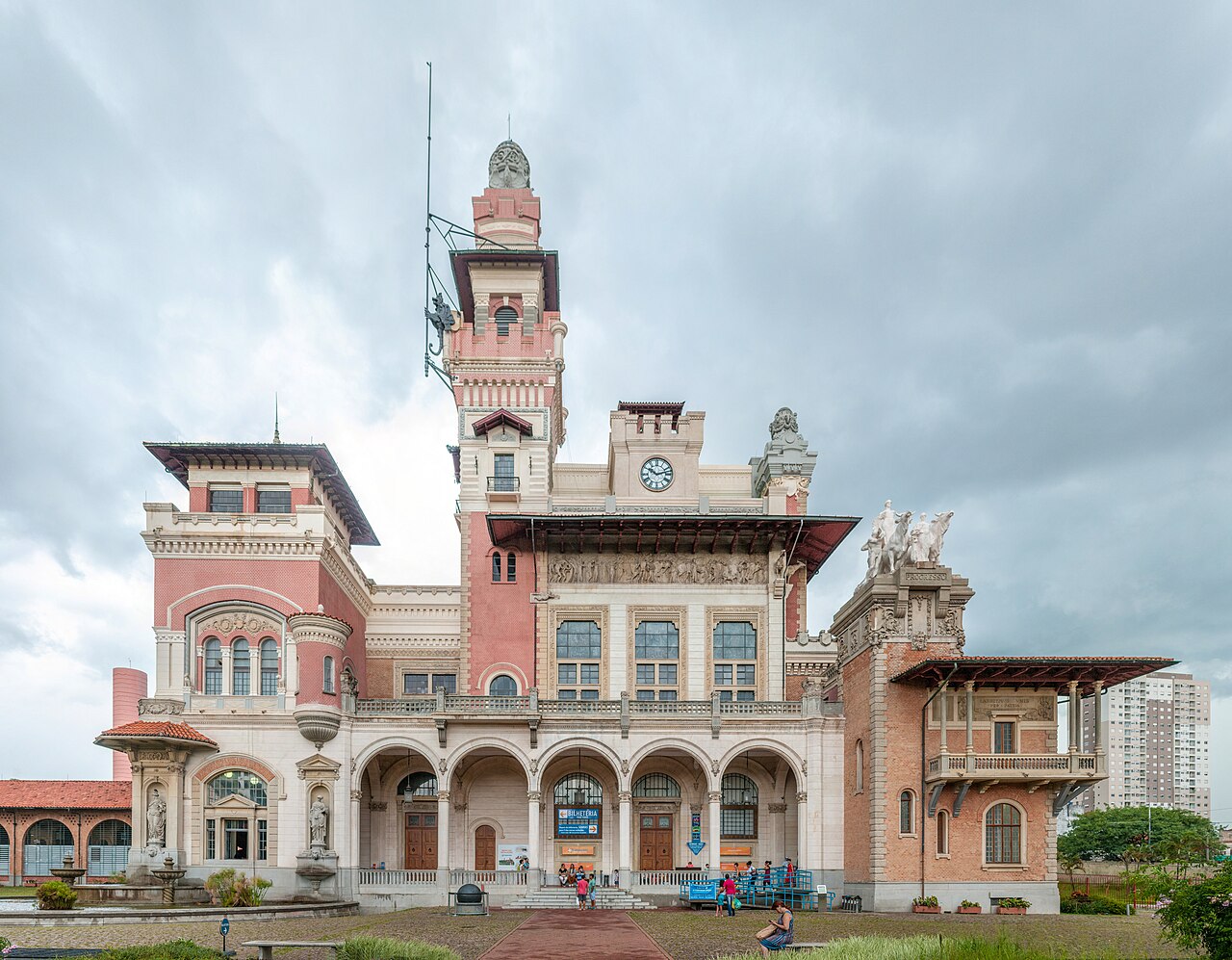
The Museum of Immigration of the State of São Paulo occupies the former immigrant hostel in Mooca, where newcomers stayed after arriving in Brazil. The site connects São Paulo’s modern multicultural identity with the personal experience of migration. Its preserved buildings make the subject tangible: this is a place to think about arrival, temporary shelter, work, family separation, and the communities that later transformed the state. Visit for a historically grounded view of São Paulo’s population and culture. The Museum of Immigration of the State of São Paulo occupies a former immigrant hostel that received millions of newcomers who shaped Brazil's most populous state. Located in the Mooca district, the historic compound preserves buildings where immigrants from Europe, Asia, and the Middle East first stayed upon arrival. The site represents one of the most significant physical remnants of São Paulo's demographic transformation through organized migration. Its architecture and layout reflect early twentieth-century institutional design intended to process and temporarily house displaced populations seeking economic opportunity in coffee plantations and urban industries. Yes, the museum occupies the former immigrant hostel where newcomers were processed and housed, preserving the original structures.
Checked 2026-08-26 · Source
The exhibitions bring together personal belongings, documents, photographs, and recorded testimonies. Preserved dormitories, baggage areas, and processing rooms help explain how the hostel functioned as a first stop for immigrants. Stories include Italians, Portuguese, Spaniards, Japanese visitors, and other communities whose languages, customs, and labor shaped São Paulo. Move between the objects and the rooms: the displays work best when individual family stories are considered alongside the larger history of migration. Exhibitions interpret the migrations that fundamentally shaped São Paulo's society and economy.
Checked 2026-08-26 · Source
Allow about ninety minutes to two hours for the main exhibitions and the preserved hostel spaces. A shorter visit can cover the central displays, while visitors interested in family history, migration documents, or particular national communities may want more time. Leave room to examine the architecture rather than treating it as a simple passage between galleries. The experience is primarily self-paced, so the visit can be adjusted to suit a museum-focused afternoon in Mooca.
Checked 2026-08-26 · Source
The museum works well as an indoor cultural stop during São Paulo’s rainy periods, especially when heavy weather makes a long outdoor itinerary uncomfortable. Weekends can bring a livelier atmosphere, while a weekday visit may feel more measured. Cultural events and temporary exhibitions can change the character of the visit. Plan enough time for both the galleries and the historic compound, and keep the museum as the main purpose of this stop rather than adding too many distant attractions around it.
Checked 2026-08-26 · Source
Treat admission as a practical detail to settle before setting out, particularly if you are travelling with a group or planning around a special programme. The museum’s value does not depend on a single headline exhibition: the former hostel, personal objects, photographs, and testimonies form the core experience. Once inside, budget time for the permanent historical material as well as any current display, since the preserved spaces give the visit its strongest sense of place.
Checked 2026-08-26 · Source
The museum is in Mooca, a traditional São Paulo district with access through the city’s metro and bus network. Public transport is practical for many visitors, while taxis and rideshare vehicles simplify the final approach. Road traffic can make a car journey slow, especially during busy daytime periods. Arrange your route with the museum’s Mooca location in mind and avoid leaving the return journey entirely to chance if you plan to stay for an evening programme.
Checked 2026-08-26 · Source
The subject includes displacement, difficult working conditions, discrimination, and the emotional cost of migration. Give yourself time with the testimonies rather than rushing through them. Historic buildings can feel different from modern galleries, with changes in floor level, stairs, or narrower passages. Keep personal belongings secure while travelling through the city, and wear comfortable shoes for moving between rooms. The museum rewards attention to ordinary objects, so a slower pace usually produces a richer visit.
Checked 2026-08-26 · Source
The hostel’s architecture, dormitory spaces, and personal objects offer meaningful photographic subjects, but exhibition rooms deserve a restrained approach. Follow the signs inside each gallery and keep flash away from documents and photographs. Photographing the exterior can help record the contrast between the historic compound and contemporary Mooca. Avoid letting the camera replace the displays: the strongest details are often found in names, belongings, and testimony fragments that need time to read.
Checked 2026-08-26 · Source
It occupies the former immigrant hostel in Mooca, where newcomers stayed after arriving in Brazil.
The displays discuss Italians, Portuguese, Spaniards, Japanese visitors, and other communities that helped shape São Paulo.
You can see documents, photographs, personal belongings, recorded testimonies, and preserved hostel spaces including dormitories and processing areas.
Plan around ninety minutes to two hours, with extra time if migration history or family stories are your main interest.
The museum is in Mooca, a traditional district with metro and bus connections through São Paulo’s urban transport network.
Its stories address arrival, temporary shelter, work, displacement, cultural adaptation, and the communities formed by migration.
Loading the interactive map…
The interactive map could not be loaded.
Last updated:
Source: OpenStreetMap contributors, Wikidata ·