

6 min walk
Naval Museum
- Must see
- Museum
Language · 11 published
Museum · Rio de Janeiro
Museu Histórico Nacional
Closed today, Tuesday. Next open Wednesday at 10:00 — the planner will not place a stop here on a Tuesday.
Plan around it
| Monday | Closed |
|---|---|
| Tuesday | Closed |
| Wednesday | 10:00 – 17:00 |
| Thursday | 10:00 – 17:00 |
| Friday | 10:00 – 17:00 |
| Saturday | 13:00 – 17:00 |
| Sunday | 13:00 – 17:00 |
Parsed from OpenStreetMap opening hours on 2026-08-26.
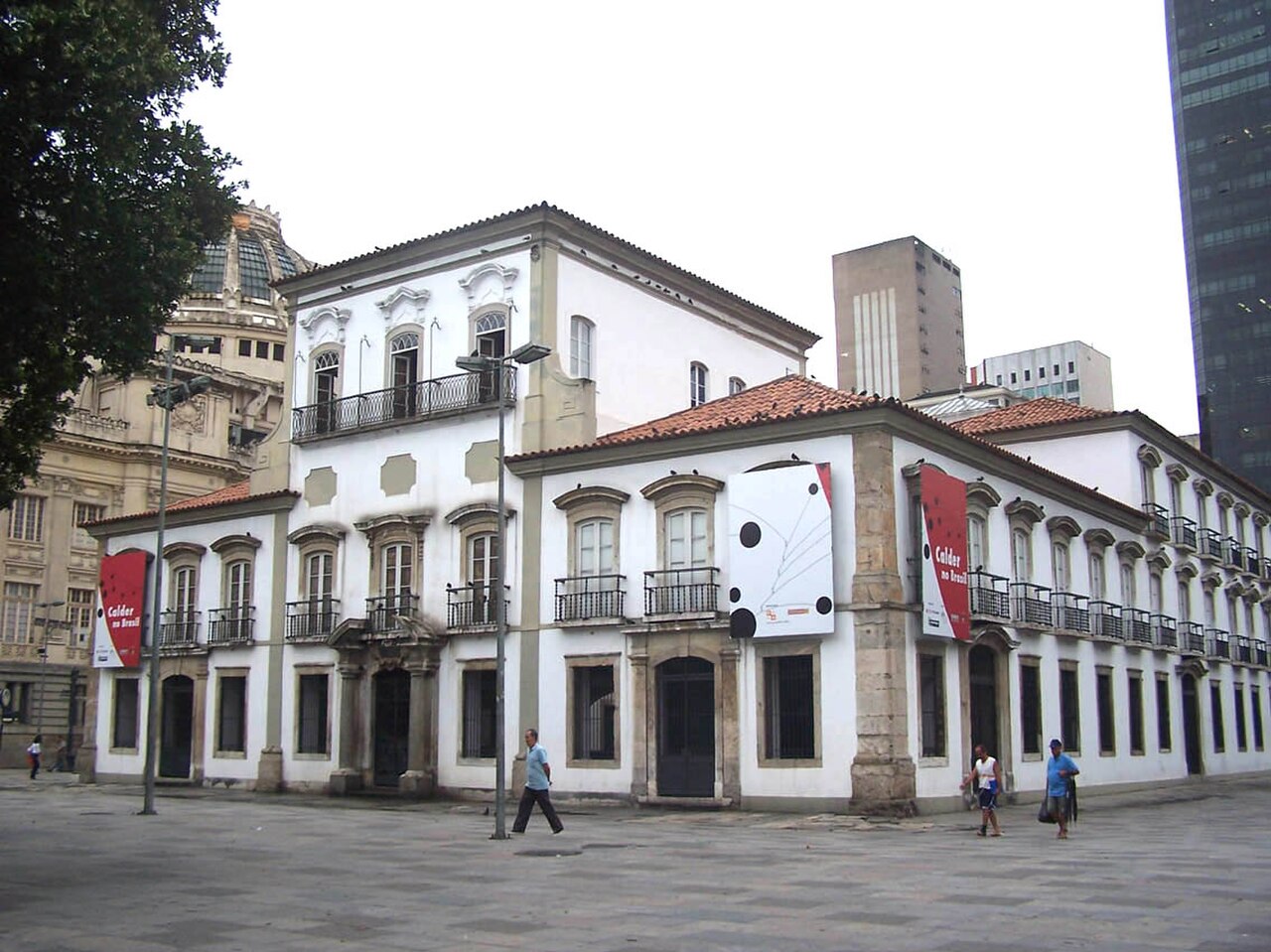
The National Historical Museum, locally known as Museu Histórico Nacional, occupies a former colonial fort and arsenal complex in central Rio de Janeiro. Its buildings represent layered military and imperial history spanning several centuries. The institution serves as a federal museum under Brazil's national museum system. The complex includes structures from different periods, reflecting changing defensive needs and later adaptation for cultural preservation. The site holds significance as both architectural heritage and a repository of national memory, positioned near Rio's port zone where Brazil's historical narratives of colonization, monarchy, and republic intersect in physical space.
Checked 2026-08-26
The museum presents a large collection interpreting Brazilian history through diverse material culture. Holdings include documents, paintings, furniture, weapons, and everyday objects spanning colonial through republican periods. The collection emphasizes political history, social customs, and economic activities that shaped Brazil. Display strategies vary across the complex's multiple buildings, with some areas maintaining historical room arrangements while others follow thematic organization. The former arsenal and fort structures themselves constitute part of the interpretive experience, with architectural features visible alongside exhibited objects. Specific current exhibitions and temporary displays are not recorded pending review of official communications.
Checked 2026-08-26
Visitor duration depends on depth of engagement with the extensive collections and architectural complex. A thorough visit examining multiple buildings and their contents requires substantial time. Casual visitors might prioritize select galleries or architectural highlights. The dispersed nature of exhibition spaces across the historic compound necessitates walking between structures, adding time beyond pure viewing. Visitors with specific historical interests may linger longer in relevant sections. Those combining this museum with nearby port-zone attractions should allocate accordingly. Self-guided pacing allows adjustment based on energy and interest levels, though the collection's breadth rewards extended attention for historically motivated visitors.
Checked 2026-08-26
Visitors should consult the official website at https://mhn.museus.gov.br/ before planning. Rio de Janeiro's climate features warm temperatures year-round with summer humidity and occasional heavy rainfall that may affect comfort in outdoor circulation areas between buildings. The museum's partially open-air complex structure suggests dry season visits may prove more comfortable for extended exploration. Weekdays potentially offer quieter conditions than weekends when domestic visitors are more numerous. Morning arrival typically provides cooler temperatures and fresher conditions for walking the extensive grounds regardless of season. Check the operator's own site for the travel date before relying on a schedule or fare.
Checked 2026-08-26
The museum operates under federal administration, suggesting possible free entry or variable pricing structures common to Brazilian national museums, though this remains unverified. Visitors should check https://mhn.museus.gov.br/ for current admission policies, any free-entry days, and documentation requirements. Federal museums in Brazil sometimes offer free admission to specific demographic categories such as students, seniors, or teachers with appropriate identification, but specific policies here are unconfirmed. Payment methods, online booking availability, and guided tour supplement costs require direct verification with official sources before visiting. Check the operator's own site for the travel date before relying on a schedule or fare.
Checked 2026-08-26
The museum occupies a central location near Rio de Janeiro's port area, accessible through the city's public transportation network. Metro and bus services connect to the general downtown region, though exact optimal stops require local verification. The port zone has undergone significant urban transformation, affecting access routes and surrounding street patterns. Visitors should consult current transit applications or official sources for precise directions from their departure points. The area's commercial and maritime character means daytime arrival presents fewer concerns than evening. Walking from nearby transit points involves urban navigation through active port-adjacent districts with variable pedestrian infrastructure conditions.
Checked 2026-08-26
The historic fort and arsenal structures likely present accessibility challenges including uneven surfaces, stairs, and threshold variations between buildings of different construction periods. Visitors with mobility considerations should verify current accessibility provisions directly. The port-zone location requires standard urban awareness regarding personal belongings and surroundings, particularly during less busy periods. Some exhibition areas may lack climate control consistent with modern museum standards given the historic building constraints. Lighting conditions vary across the complex. Water fountains, seating, and restroom distribution across multiple buildings may require planning for comfort during extended visits. Emergency exit routes merit attention given the architectural complexity.
Checked 2026-08-26
Photography policies for permanent collections and temporary exhibitions are not recorded pending review. Federal Brazilian museums typically regulate commercial photography, flash usage, and tripod deployment separately from casual personal photography, though specific rules here remain unverified. Visitors should observe posted signage and staff guidance upon entry. Some historically sensitive objects or loaned exhibition pieces may carry additional restrictions. The architectural complex itself offers photography subjects including fortification features, courtyard spaces, and building exteriors, though drone usage would require specific authorization. Respect for other visitors' viewing experience should guide photography behavior regardless of formal policy details.
Checked 2026-08-26
Check https://mhn.museus.gov.br/ for current admission policies. Check the operator's own site for the travel date before relying on a schedule or fare.
Consult the official website before visiting.
The extensive collection across multiple historic buildings rewards substantial time. Casual visitors might spend less, while thorough exploration requires several hours.
The historic fort and arsenal structures likely present accessibility challenges. Verify current provisions directly with the museum before visiting.
Parking availability is Not recorded pending review. The central port-zone location suggests public transportation may be preferable.
Guided tour availability and languages offered are Not recorded pending review. Check the official website or inquire upon arrival.
Loading the interactive map…
The interactive map could not be loaded.

Last updated:
Source: OpenStreetMap contributors, Wikidata ·