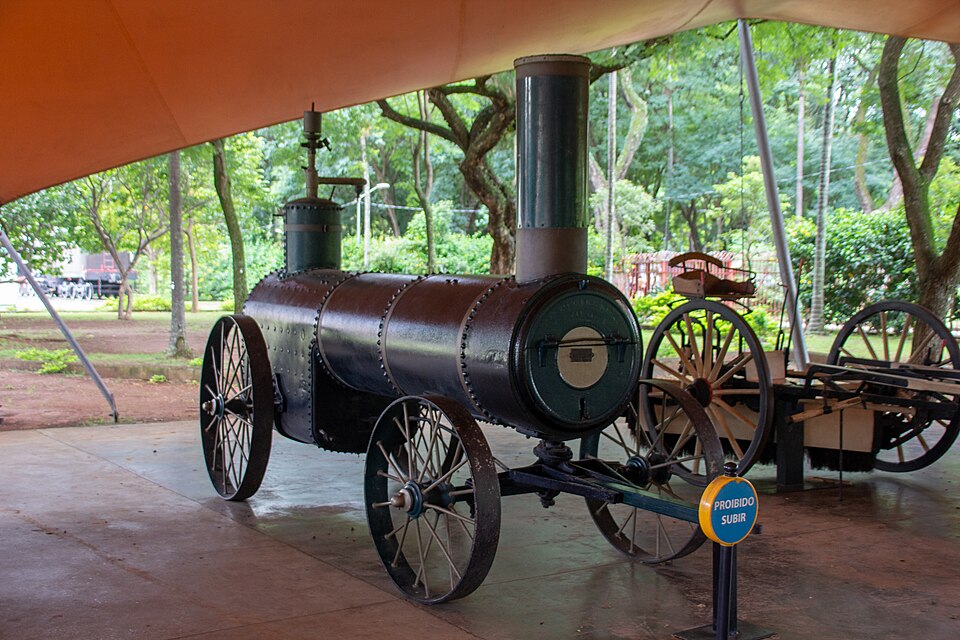
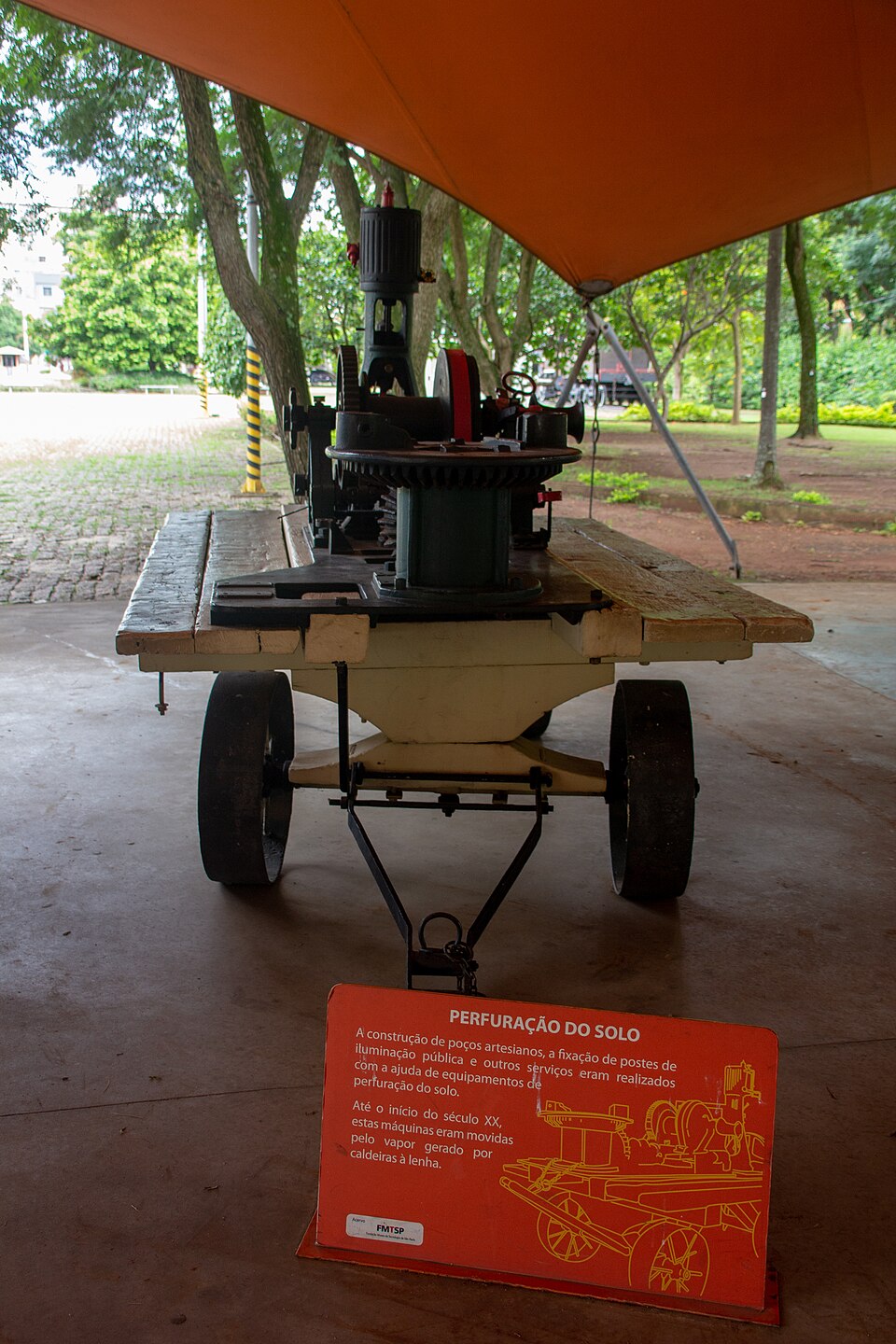
Catavento Museum, locally known as Museu Catavento, is a hands-on science museum housed in the historic Palácio das Indústrias in São Paulo. The building itself carries significant historical weight as a former industrial palace, providing an imposing architectural setting for interactive learning. The museum emphasizes experiential engagement with scientific principles, making complex concepts accessible through touch and participation rather than passive observation. Its location within this heritage structure creates a distinctive contrast between historical grandeur and contemporary educational methodology. Catavento Museum also earns time in a sao paulo itinerary because Hands-on science museum in the historic Palácio das Indústrias, with strong family appeal; no production row exists. Its value becomes clearer when the stop is compared with the surrounding streets and the other ranked places nearby.
The museum contains interactive science exhibits designed for physical engagement and experimentation. Visitors encounter displays covering fundamental scientific disciplines including physics, biology, and chemistry through manipulable installations. The hands-on approach encourages direct interaction with phenomena rather than reading placards. Family appeal is central to the programming, with exhibits scaled and designed for multi-generational participation. The historic Palácio das Indústrias provides exhibition halls with characteristic early twentieth-century architectural elements. Specific current temporary exhibitions or permanent collection rotations are not recorded.
Visitor duration depends significantly on engagement level with interactive elements. Families with children typically spend extended periods at hands-on stations. A thorough visit allowing meaningful interaction with multiple exhibits would reasonably require several hours. Casual visitors might complete a quicker circuit. The museum's design encourages lingering at individual installations rather than rapid progression. Peak periods with school groups may extend wait times for popular interactive stations. Personal pacing varies considerably at participatory museums. No official recommended duration is recorded.
Operator-confirmed hours are Not recorded pending review. Visitors should consult the official website at museucatavento.org.br for current opening schedules before planning. São Paulo's climate is generally mild year-round, though indoor venues offer climate-controlled environments regardless of season. Weekends and school holidays typically attract higher family attendance. Weekday mornings may offer quieter conditions for unhurried interaction with exhibits. Brazilian school vacation periods likely increase demand substantially. Advance verification of operational status is prudent given potential unannounced modifications to public schedules.
Operator-confirmed prices are Not recorded pending review. The museum's family-oriented positioning suggests pricing structures likely accommodate various visitor categories including children, adults, and potentially family packages. Free admission policies for specific demographics common in Brazilian public institutions may apply but remain unverified. Visitors should check museucatavento.org.br for current fee structures and any available advance purchase options. Payment methods accepted, online booking capabilities, and potential timed-entry requirements are not recorded. Budget-conscious travelers should verify all costs before arrival.
The museum occupies the Palácio das Indústrias in São Paulo's central district, generally accessible via the city's extensive public transportation network. São Paulo Metro and municipal bus systems serve the surrounding area, though specific nearest stations require on-ground verification. Traffic congestion characterizes the metropolis, making public transit often preferable to private vehicles. Parking availability at the historic building itself is not recorded. Rideshare services operate throughout the city. Visitors should consult current transit applications for route optimization, as São Paulo's network undergoes continuous adjustment.
Interactive exhibits may involve physical movement, small components, or mechanisms requiring supervision of young children. Historic building infrastructure might present accessibility challenges including staircases or uneven surfaces not originally designed for universal access. Crowding at popular hands-on stations could create waiting periods or reduced supervision quality. The participatory nature increases germ transmission potential on shared surfaces. Visitors with sensory sensitivities should anticipate ambient noise from excited children and active installations. Emergency procedures and staff visibility levels are not recorded. Personal belongings require attention in active engagement zones.
Photography policies at participatory museums vary considerably. Flash photography may be restricted near light-sensitive exhibits or interactive screens. Tripod and professional equipment use typically requires advance authorization. Selfie opportunities exist with distinctive historic architecture and colorful installations, though other visitors' privacy and experience should inform shooting decisions. Some interactive elements may function poorly if visitors prioritize documentation over engagement. Drone usage would be inappropriate and likely prohibited in this central urban location. Specific current restrictions should be verified with staff upon entry or through official channels before visiting.
Checked 2026-08-26
Common questions
Is Catavento Museum suitable for very young children for Catavento Museum in Sao Paulo?
The museum emphasizes family appeal with hands-on exhibits designed for broad age participation. Very young children may engage with simpler interactive elements, though direct supervision is essential given active installations and potential small components. Suitability depends on individual child temperament and mobility.
Are exhibits presented in English for Catavento Museum in Sao Paulo?
Primary interpretive language is not recorded. Brazilian institutions typically prioritize Portuguese. Some science museums incorporate universal visual design reducing language dependency. Visitors with limited Portuguese should anticipate potential comprehension barriers for detailed explanatory content.
Is the historic building fully accessible for Catavento Museum in Sao Paulo?
Accessibility features in the Palácio das Indústrias are not recorded. Historic structures often present inherent challenges including staircases, narrow doorways, or uneven flooring. Visitors requiring specific accommodations should contact the museum directly before visiting to verify current provisions.
Can visitors bring food inside for Catavento Museum in Sao Paulo?
Food and beverage policies are not recorded. Most museums restrict consumption near exhibits to prevent damage. The surrounding central São Paulo area offers numerous dining alternatives for before or after visits. On-site café availability is unverified.
Are guided tours available for Catavento Museum in Sao Paulo?
Tour programming is not recorded. Hands-on museums sometimes prioritize self-directed exploration over formal guiding. Group visit arrangements may require advance reservation. Educational programming for schools likely exists given family positioning. Direct inquiry with the museum is recommended.
How does this museum compare to other São Paulo attractions for Catavento Museum in Sao Paulo?
Catavento distinguishes itself through interactive science engagement within a historic architectural setting, contrasting with traditional contemplative museums. Its family orientation differs from adult-focused cultural institutions. The Palácio das Indústrias location provides distinctive heritage value absent from purpose-built science centers. Visitor preference depends on interest in participatory versus observational experiences.
Nothing non-essential is set before you choose, in regions where consent is required. If you decline, ads still appear but they are non-personalised, and analytics is switched off entirely.