
4 min walk
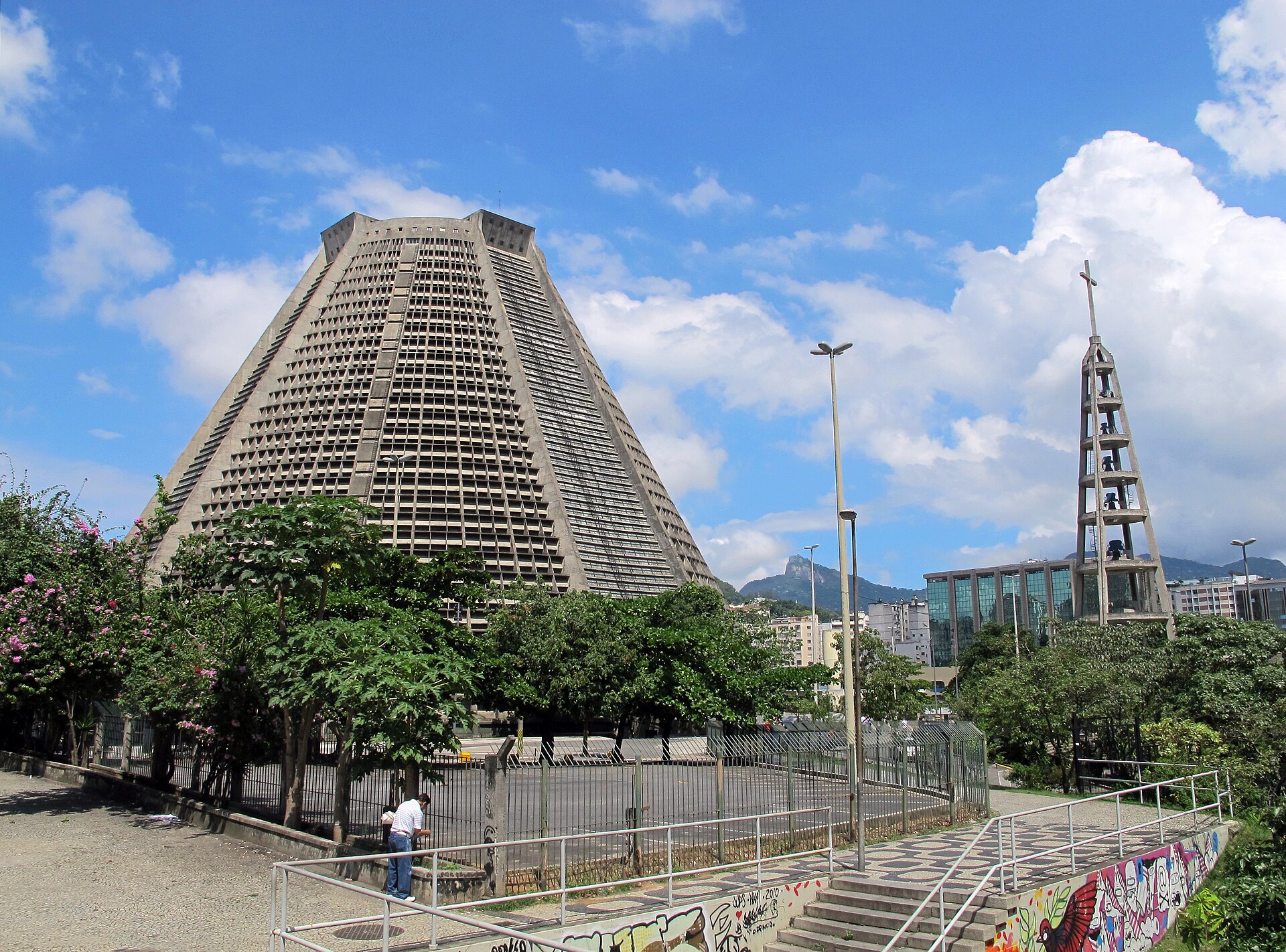
Rio de Janeiro Cathedral
- Must see
- Place of worship
Language · 11 published
Historic monument · Rio de Janeiro
Arcos da Lapa
Read from the OpenStreetMap access tags; anything not listed has no tag recorded.
Set the group type to family in the planner and the day window contracts to about three quarters of a solo day.
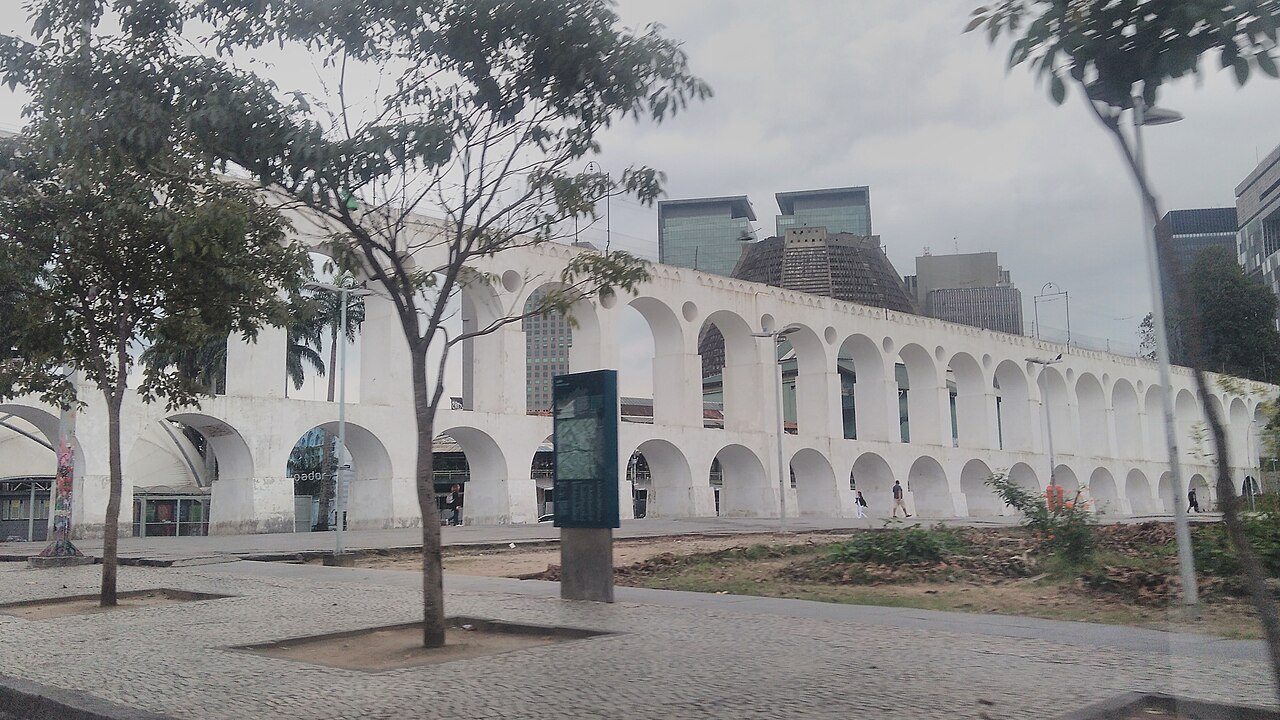
The Arcos da Lapa is a colonial-era aqueduct in Rio de Janeiro's Lapa neighbourhood. This monumental structure comprises two tiers of arches that originally served as a water supply system for the city. Today it functions as a distinctive landmark and carries the historic Santa Teresa tram across its upper level. The aqueduct represents one of the most significant examples of colonial architecture remaining in Rio de Janeiro, marking the threshold between downtown and the bohemian Lapa district below. No gated visiting hours: the exterior monument is viewed from the public Praça Cardeal Câmara.
Checked 2026-08-31 · Source
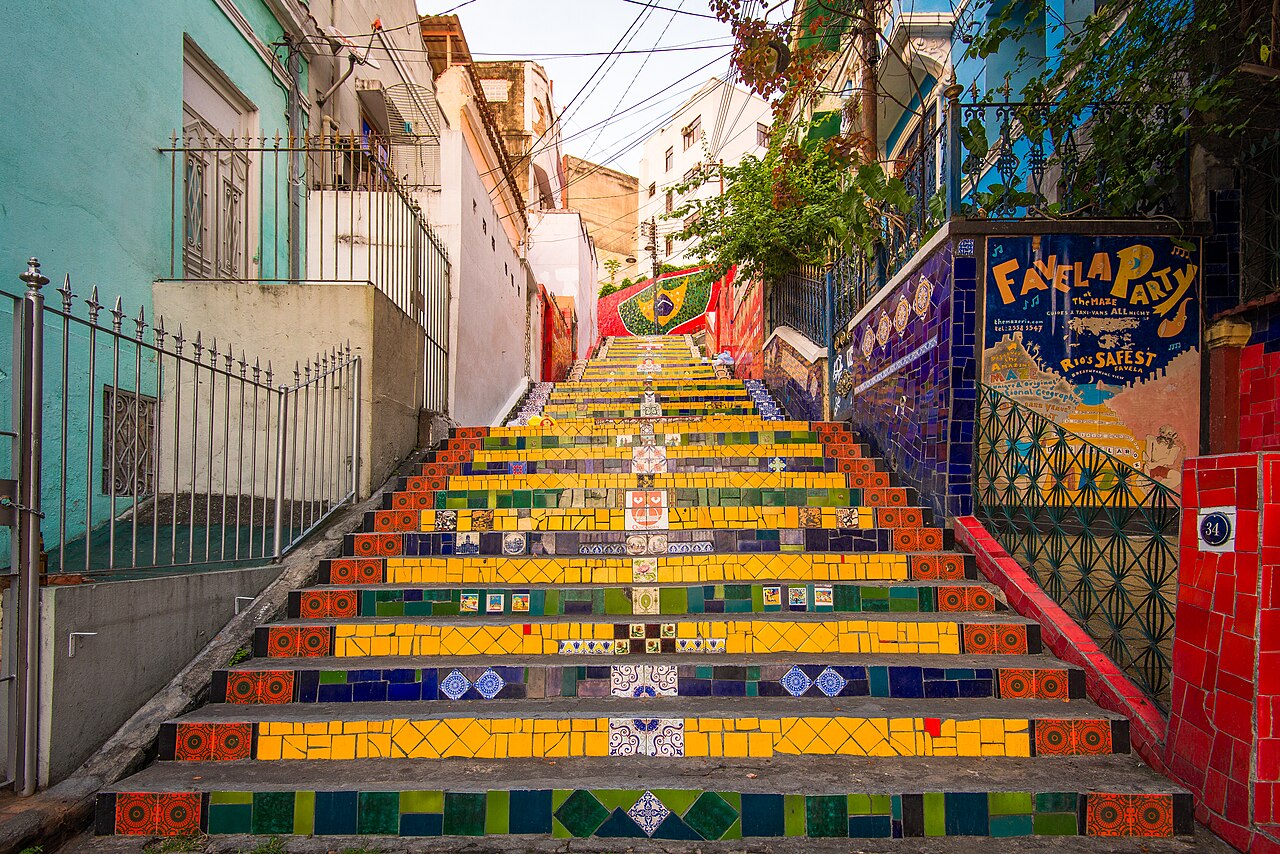
The structure itself consists of an extensive series of stone arches forming a dramatic elevated passage. The lower level presents a massive colonnade visible from street level, while the upper deck supports tram tracks for the historic bondinho that connects downtown to the Santa Teresa neighbourhood. There is no enclosed interior space for visitors to enter. The surrounding Lapa area features numerous bars, music venues, and the nearby Selarón Steps, creating a vibrant cultural zone around this architectural monument. No weekly closure day applies. Rio City Hall announced that restoration of the arches and recovery of the square were complete on 24 July 2026.
Checked 2026-08-31 · Source
Visitors typically spend fifteen to thirty minutes observing and photographing the aqueduct from various street-level vantage points. Those intending to ride the Santa Teresa tram across the upper arches should allow additional time for queueing and the journey itself. The surrounding Lapa district merits extended exploration, with its concentration of nightlife, dining, and live music venues. The arches serve principally as a photogenic landmark and transit connection rather than a destination requiring prolonged visitation. Free exterior access; there is no ticketed visitor interior or admission gate.
Checked 2026-08-31 · Source
The arches remain publicly visible at all hours as they constitute an open urban structure. Evening and night hours prove particularly atmospheric when illumination highlights the stonework and the adjacent Lapa neighbourhood becomes active with music and social life. Daytime visits offer superior conditions for architectural photography and observation of the tram crossing. No gated visiting hours: the exterior monument is viewed from the public Praça Cardeal Câmara. The principal viewing area is at ground level in Praça Cardeal Câmara. The municipality created accessible routes in Lapa, including eight ramps around the Arches area.
Checked 2026-08-31 · Source
No admission fee applies for viewing the arches from street level as this is a public thoroughfare and open urban monument. The Santa Teresa tram service that crosses the upper level operates as a separate municipal transport service with its own fare structure. Visitors should verify current tram fares through official transport authorities. Free exterior access; there is no ticketed visitor interior or admission gate. The principal viewing area is at ground level in Praça Cardeal Câmara. The municipality created accessible routes in Lapa, including eight ramps around the Arches area.
Checked 2026-08-31 · Source
The Arcos da Lapa occupies a prominent position in central Rio de Janeiro, forming a natural gateway to the Lapa neighbourhood. Multiple bus routes serve the surrounding area. The nearest metro station is Cinelândia on Line 1, requiring a walk of several blocks. Take MetrôRio Line 1 or Line 2 to Cinelândia/Centro. Access D, named Passeio (Odeon), is the useful exit for the walk via Rua do Passeio and Largo da Lapa to Praça Cardeal Câmara. Access D operates Monday–Saturday 05:00–00:00 and Sundays and public holidays 07:00–23:00. Cinelândia station has an elevator.
Checked 2026-08-31 · Source
The Lapa neighbourhood becomes extremely crowded during nightlife hours, with associated risks of petty theft common to busy entertainment districts. Visitors should exercise standard urban precautions regarding valuables and personal awareness. The stairs accessing the tram platform are steep. Traffic around the arches moves constantly; pedestrians should remain alert when crossing streets for photographs. The principal viewing area is at ground level in Praça Cardeal Câmara. The July 2026 revitalization recovered the square and its surrounding paving. They are the surviving Carioca Aqueduct, an eighteenth-century stone-and-lime structure built to carry water into central Rio de Janeiro.
Checked 2026-08-31 · Source
The arches present exceptional photographic subjects from multiple angles. Street-level positions directly beneath the structure emphasise its imposing scale and repetitive arch pattern. The adjacent Praça Cardeal Câmara offers framed views incorporating both tiers. Capturing the yellow tram crossing the upper level requires patience and timing. Night illumination creates dramatic contrast against dark skies. Wide-angle lenses accommodate the structure's breadth. Early morning provides cleaner compositions without crowds. The surrounding colonial streetscape complements architectural detail shots. They are the surviving Carioca Aqueduct, an eighteenth-century stone-and-lime structure built to carry water into central Rio de Janeiro.
Checked 2026-08-31 · Source
They are the surviving Carioca Aqueduct, an eighteenth-century stone-and-lime structure built to carry water into central Rio de Janeiro.
Construction ran from 1723 to 1750, and the aqueduct was completed in 1750.
The structure has 42 Roman-style arches and measures approximately 270 metres long and 17 metres high.
It carried water from the Carioca River to the fountain at Largo da Carioca.
Yes. Since 1896, the former aqueduct has served as the elevated route used by the Santa Teresa tram between central Rio and Santa Teresa.
Yes. Rio City Hall completed a R$1.7 million revitalization in July 2026, including cleaning, traditional limewashing, repairs to Praça Cardeal Câmara and maintenance of two Jorge Selarón panels.
Loading the interactive map…
The interactive map could not be loaded.
Last updated:
Source: OpenStreetMap contributors, Wikidata ·