
.jpg)
.jpg)
.jpg)


5 min walk
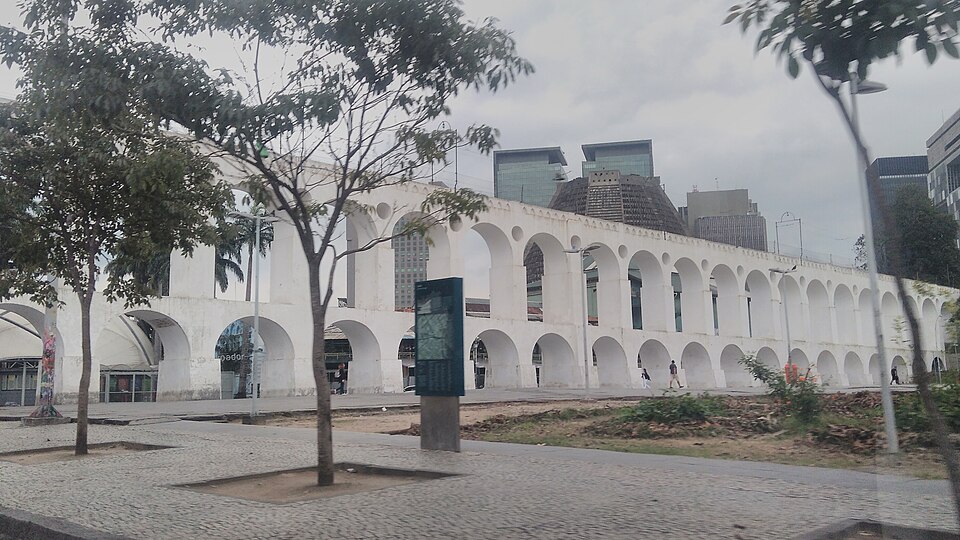
Lapa Arches
- Must see · Heritage site
- Historic monument
Language · 11 published
Nature site · Rio de Janeiro
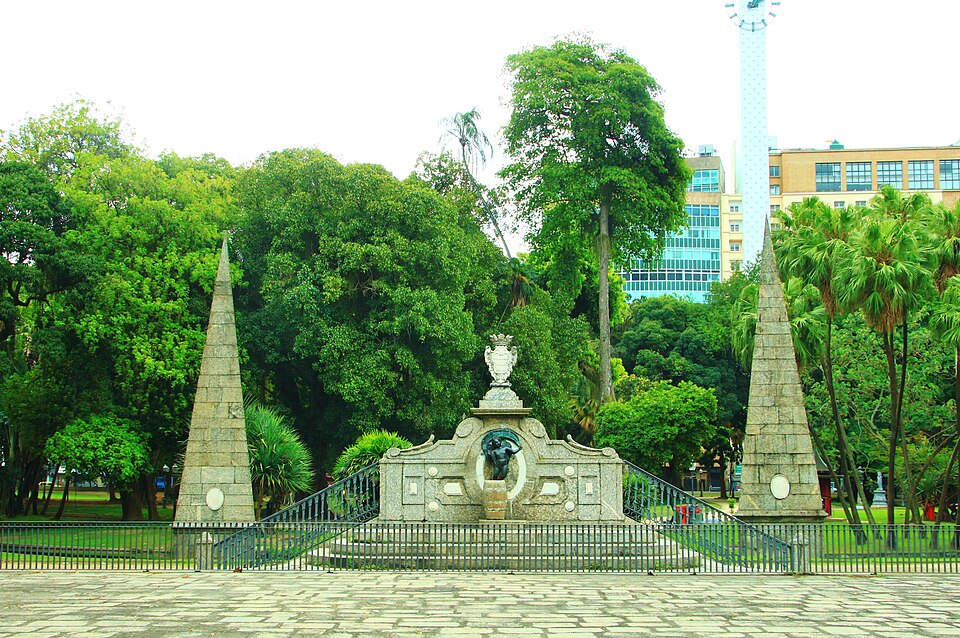
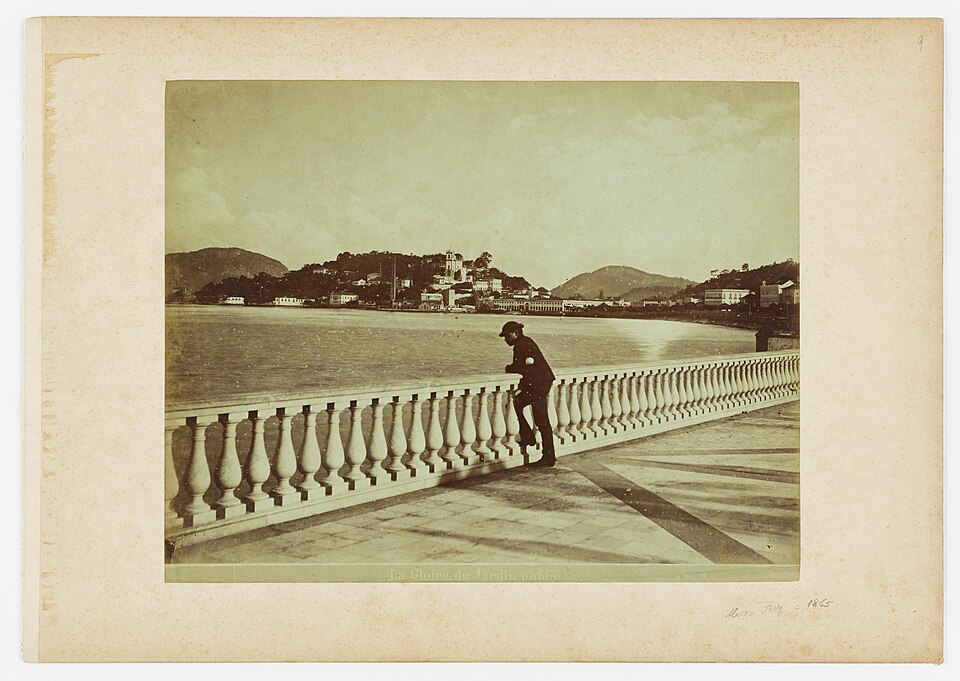
Passeio Público is Brazil's oldest public park, situated in Rio de Janeiro at a strategic junction between the historic neighbourhoods of Lapa, Cinelândia, and Glória. Established in the colonial era, it represents an early example of planned urban green space in South America. The park functions as a landscaped pause amid dense city development, offering a transitional zone between three culturally significant districts. Its historical status as the nation's first public park gives it institutional importance, though it occupies a modest footprint within the broader metropolitan context of central Rio.
Checked 2026-08-26
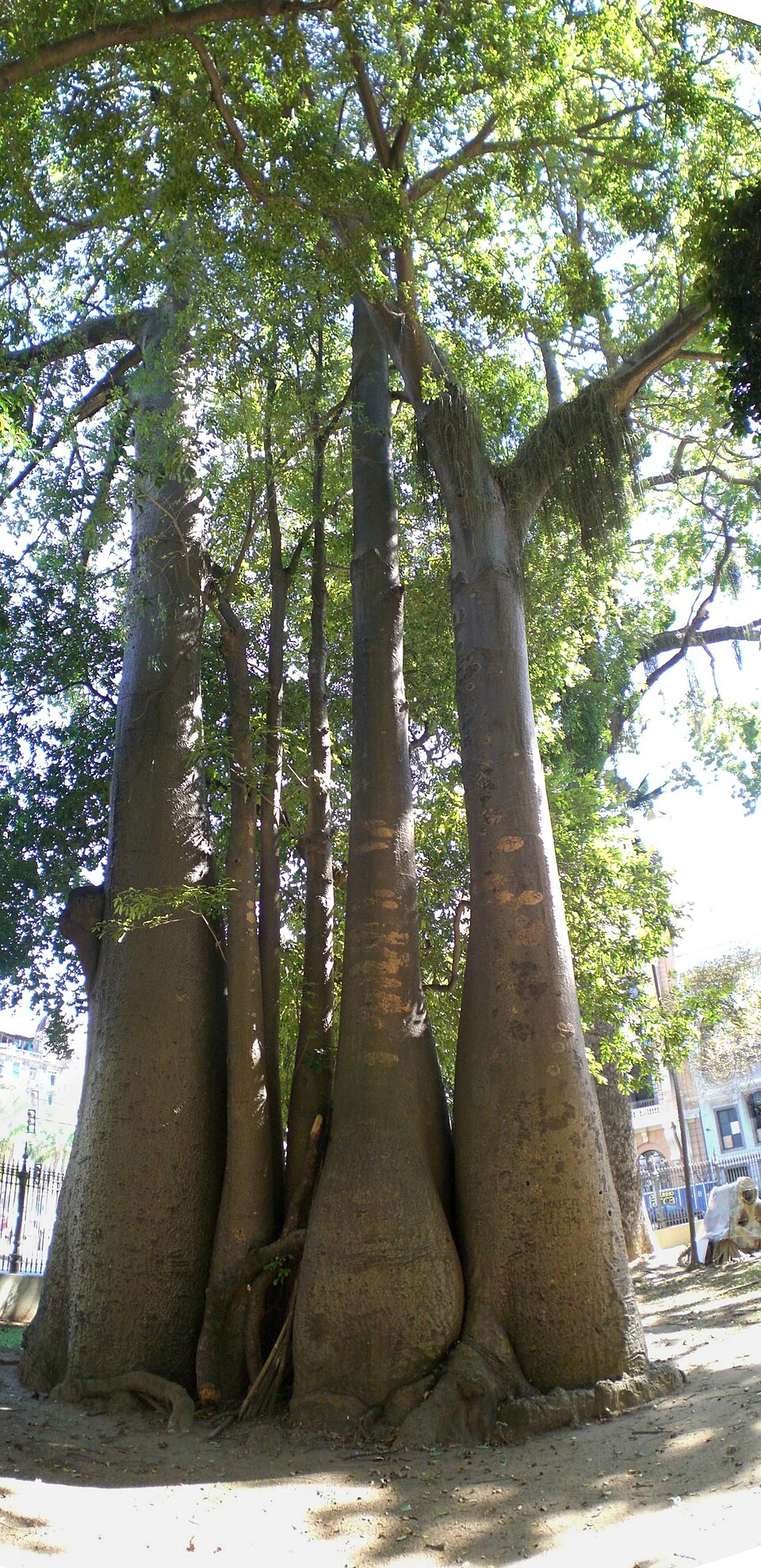
The park contains landscaped greenery typical of nineteenth-century public garden design, with tree cover and maintained vegetation providing shade and visual relief. Its position between major thoroughfares means it contains pathways for pedestrian circulation. The surrounding area includes notable architectural landmarks: the Arcos da Lapa aqueduct, the Municipal Theatre, and the National Library. The park itself does not contain major monuments or built attractions beyond its foundational landscaping. Visitors should expect an urban green space rather than a destination with extensive programmed facilities or recreational equipment.
Checked 2026-08-26
A visit to Passeio Público requires minimal time commitment. The compact nature of the site suggests a brief stop rather than a dedicated excursion. Most visitors would spend between fifteen and thirty minutes traversing the space or pausing on benches. It functions effectively as a waypoint between longer visits to neighbouring districts. Those combining it with exploration of Lapa's nightlife district, Cinelândia's cultural institutions, or Glória's residential streets might allocate half a day for the broader area. The park itself does not demand extended engagement.
Checked 2026-08-26

Operator-confirmed hours are Not recorded pending review. Visitors should not rely on assumed opening times. The park's urban location suggests daytime visits offer better visibility and comfort, particularly given the surrounding traffic and commercial activity. Evening visits may coincide with Lapa's nightlife economy, though this brings different ambient conditions. Weather considerations for Rio de Janeiro apply generally: summer months bring heat and humidity, winter offers milder temperatures. No seasonal programming or special events schedule is documented in available sources. Personal discretion regarding safety and comfort should guide timing decisions.
Checked 2026-08-26
Operator-confirmed prices are Not recorded pending review. As a public park, Passeio Público likely operates without admission charges, consistent with global norms for municipal green spaces. No ticketing infrastructure is evident from available information. Visitors should carry minimal cash for incidental purchases in surrounding areas. The park's integration with public thoroughfares suggests unrestricted access at operational hours. Any future changes to access policy would require verification through official municipal channels. Commercial activity within the park boundaries, if present, would operate independently of any entrance regime.
Checked 2026-08-26

The park sits at a convergence point served by multiple transport options. The Cinelândia metro station on Line 1 and Line 2 provides underground access within walking distance. Numerous bus routes traverse the adjacent corridors of Avenida Rio Branco and surrounding streets. The Arcos da Lapa, a visible landmark, assists orientation. From Centro, the park lies southwest; from Glória, northwest. Walking from nearby cultural institutions is feasible. Traffic congestion characterises this central zone, so public transport may prove more reliable than private vehicles. Parking availability in the immediate vicinity is not documented.
Checked 2026-08-26
Urban vigilance applies in this transitional zone between districts of varying character. The Lapa vicinity attracts nighttime crowds and associated street activity. Daytime visitors should observe standard precautions for central Rio: awareness of belongings, avoidance of conspicuous valuables, and sensitivity to local dynamics. The park's open design offers limited enclosure. Maintenance conditions may vary. Surrounding traffic on multiple sides creates pedestrian hazards at crossings. No specific facility-related warnings are documented, but visitors should assess infrastructure conditions personally. Water and sanitation facilities are not confirmed in available sources.
Checked 2026-08-26

The park offers framed views of surrounding architectural landmarks, particularly the Arcos da Lapa's distinctive colonial aqueduct structure. Tree canopy and garden layout provide textural foreground interest. The transitional space between neighbourhoods yields street photography opportunities capturing urban movement. Lighting conditions vary: morning shade from mature trees, harsher midday contrast, potential atmospheric effects in humid conditions. No photography restrictions are documented, though discretion near any adjacent institutional buildings is prudent. The compact scale limits panoramic composition without surrounding intrusion. Tripod use in pedestrian pathways would require spatial awareness.
Checked 2026-08-26
Standard urban precautions apply. The park sits between districts with different character profiles. Daytime visits generally present fewer concerns than nighttime. Visitors should remain aware of surroundings and secure personal belongings.
Not recorded. Available sources do not confirm facility provision within the park boundaries. Visitors should plan accordingly before arrival.
No regulations are documented. The park's small scale and urban context suggest it functions primarily as a passage space rather than a picnic destination. Visitor discretion advised.
Not recorded. No organised tour provision is documented. The site may appear incidentally in broader walking tours of central Rio districts.
Not recorded. Pathway surfaces and gradient information are not confirmed. Visitors requiring accessibility accommodations should assess conditions personally or seek municipal verification.
Not recorded. No programmed event calendar is documented. The park's modest dimensions may limit capacity for organised gatherings.
Loading the interactive map…
The interactive map could not be loaded.

Last updated:
Source: OpenStreetMap contributors, Wikidata ·