WA Maritime Museum
The WA Maritime Museum is a maritime history museum located in Fremantle, Western Australia. It sits at the entrance to Fremantle Harbour, occupying a prominent waterfront position at Victoria Quay.
- Must see
- Museum
- Perth
Language · 1 published
Country guide
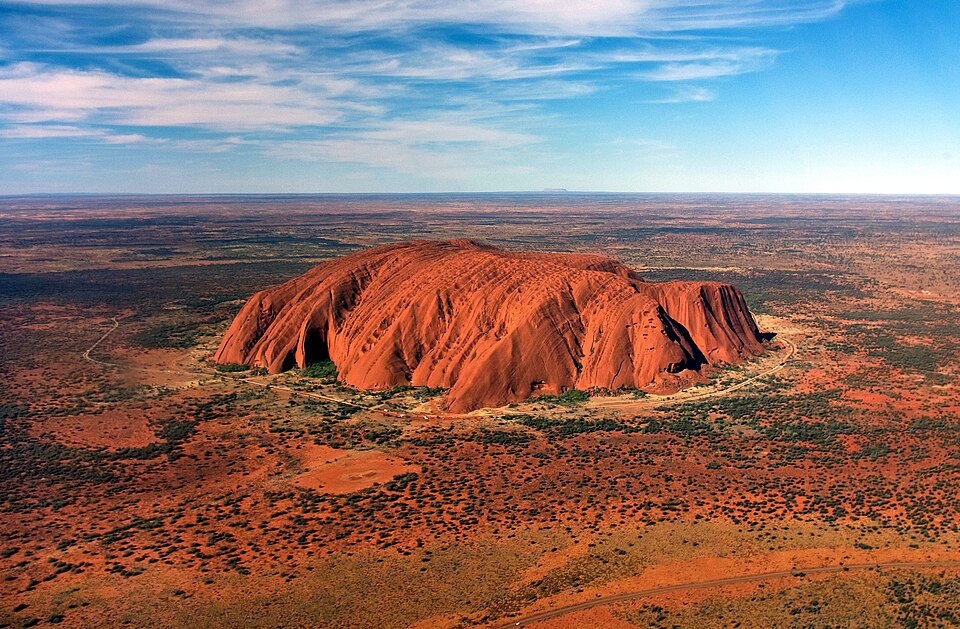
Australia covers 7,688,287 km², sixth largest in the world, and close to 4,000 km separate its east coast from its west. Nearly 28 million people live here, about 80 per cent of them within 25 km of a mainland coastline 35,821 km long — which is the fact that governs any trip taken across it. The cities form a rim around an interior that stays largely empty; Sydney and Melbourne pass five million each, and Canberra, the capital, is neither of them. Six states and ten territories, and a sensible visit chooses two of them rather than the map.
Every city catalogued in this country so far, ranked by how much there is to see.
Photograph · W. Bulach · CC BY-SA 4.0
Photograph · Shkuru Afshar · CC BY-SA 4.0
Photograph · Chris Olszewski · CC BY-SA 4.0
Photograph · Samuel Wiki · CC BY 4.0
Photograph · Photograph by Doug Barber · CC BY-SA 3.0
Ranked by importance — sitelinks, pageviews and heritage status, not editor preference.
100 places match
Category
Typical visit duration
The WA Maritime Museum is a maritime history museum located in Fremantle, Western Australia. It sits at the entrance to Fremantle Harbour, occupying a prominent waterfront position at Victoria Quay.
The Army Museum of Western Australia is a military heritage institution located in the Perth metropolitan area. It preserves and presents the history of the Australian Army in Western Australia, covering conflicts from colonial times through to contemporary operations.
Cockatoo Island is the largest island in Sydney Harbour, located at the junction of the Parramatta and Lane Cove rivers. The site holds UNESCO World Heritage status as part of the Australian Convict Sites.
Australian Museum is Australia's oldest public museum, presenting natural history and cultural collections beside Hyde Park.
Hyde Park Barracks is a historic convict site in central Sydney, located on Macquarie Street adjacent to Hyde Park.
The Mint is a heritage building in Sydney with historical significance tied to Australia's colonial past. Originally constructed as part of the colony's infrastructure, it served an important role in early Sydney's development.
Sydney Observatory is a heritage astronomical observatory and museum located in The Rocks area of Sydney. Established in 1858, it occupies a prominent position on Observatory Hill near the harbour.
Melbourne Museum is a broad museum and one of Melbourne's highest-priority visitor stops in the current curated list. The visit is best understood through the natural-history, social-history, and cultural displays, rather than as a generic pin on a city map.
The Australian National Maritime Museum is a major cultural institution located in Sydney's Darling Harbour. It preserves and presents Australia's maritime heritage through exhibitions, vessels, and programs.
The South Australian Museum is a major natural history and cultural institution in Adelaide. It occupies a prominent position on North Terrace in the cultural precinct.
Elizabeth Bay House is a historic colonial residence in Sydney, New South Wales. It stands as a significant example of early Australian architecture and domestic life from the nineteenth century.
Elizabeth Farm is a historic house museum in Sydney, recognised as one of Australia's oldest surviving European buildings. Constructed in 1793 for John and Elizabeth Macarthur, it represents early colonial architecture and the beginnings of Australia's wool industry.
The Immigration Museum is a museum in Melbourne dedicated to the history of immigration to Australia. It explores the stories of people who have migrated to Victoria and Australia, examining the causes, processes, and impacts of immigration.
The Museum of Sydney is a history museum located in Sydney, New South Wales. It occupies the site of Australia's first Government House, built in 1788.
Susannah Place Museum is a heritage house museum located in Sydney. It preserves a terrace of four houses built in 1844, offering visitors insight into urban working-class life across more than 150 years.
Ian Potter Centre: NGV Australia is an Australian art gallery and one of Melbourne's highest-priority visitor stops in the current curated list.
The Migration Museum in Adelaide is a cultural institution dedicated to documenting and sharing the stories of people who have migrated to South Australia. It explores themes of displacement, settlement, identity, and belonging through personal narratives and historical records.
Carrick Hill is a historic house and garden estate located in Adelaide, South Australia.
Experiment Farm Cottage is a heritage property located in the Parramatta area of Sydney. The site holds historical significance as part of Australia's early colonial agricultural history.
Scienceworks is a science museum and technology centre located in the Spotswood area of Melbourne. It operates as part of Museums Victoria, one of Australia's largest public museum organisations.
The Hellenic Museum is a cultural institution in Melbourne dedicated to preserving and showcasing Greek history, art, and culture. Located in the city, it serves as a bridge between Australia's Greek community heritage and broader public engagement.
The RAAF Museum is an aviation museum located at Point Cook, Victoria, within the Greater Melbourne region. It serves as the official museum of the Royal Australian Air Force, preserving and presenting the history of Australian military aviation.
The South Australian Aviation Museum is a heritage aviation museum located within the Adelaide Park Lands. It preserves and displays aircraft and aviation artifacts significant to South Australia's aerospace history.
ACMI is a screen-culture museum and one of Melbourne's highest-priority visitor stops in the current curated list. The visit is best understood through the moving-image, television, film, and games displays, rather than as a generic pin on a city map.
The National Railway Museum is a railway heritage museum located in the Adelaide metropolitan area of South Australia. It preserves and displays Australia's railway history through locomotives, carriages, and associated artefacts.
The South Australian Maritime Museum is a cultural institution in Adelaide dedicated to the maritime heritage of South Australia.
The Koorie Heritage Trust is an Aboriginal cultural centre located in Melbourne. It serves as a significant institution dedicated to preserving and promoting the living culture of south-eastern Australia's First Peoples.
The Museum of Lands, Mapping and Surveying is a specialist museum in Brisbane dedicated to the history of land administration, cartography, and surveying in Queensland.
The Abbey Museum of Art and Archaeology is a cultural institution in the Greater Brisbane region, dedicated to collecting and displaying art and archaeological artefacts.
The Brisbane Tramway Museum is a heritage transport museum located in the Brisbane metropolitan area. It preserves and operates historic tramcars that once served the city of Brisbane.
The Queensland Maritime Museum is a maritime heritage institution located in Brisbane. It occupies a site at the South Brisbane Dry Dock on the Brisbane River.
Tandanya National Aboriginal Cultural Institute stands as a dedicated Aboriginal cultural centre in Adelaide, South Australia. The institution serves as a gallery and performance space focused on promoting contemporary and traditional Aboriginal and Torres Strait Islander arts and culture.
The Aviation Heritage Museum is a museum in Perth dedicated to aviation history and aircraft preservation. It serves as a repository for historical aircraft, aviation artifacts, and related memorabilia.
Claremont Museum is a local heritage museum situated in the Perth metropolitan area of Western Australia. It serves as a community-focused institution dedicated to preserving and presenting the history of the Claremont district and its surrounding region.
Wireless Hill Museum occupies the site of a former telecommunications station that played a significant role in Australia's early radio history. The museum preserves equipment and stories from the era when wireless communication connected Perth to the world.
Source: OpenStreetMap contributors, Wikidata ·
Ten to fourteen days should cover one coast, one city pair or one city plus a nearby landscape, not the continent. Sydney and Melbourne can share a southeastern route; Perth, the tropical north and the Red Centre each demand separate flights and more time.
Australia’s Department of Home Affairs is the authority for Visitor visas and electronic travel permissions. Select the product for the passport and purpose, complete required declarations, and remember that visa approval does not remove Australia’s strict biosecurity obligations.
Flights are usually the efficient link between distant states. Rail and coaches serve selected corridors, cars become important outside cities, and urban fare cards are local rather than national; remote drives require fuel, water, communications and realistic distance planning.
Australia’s seasons and hazards vary dramatically by latitude. Southern-city summers, tropical dry seasons and Red Centre heat create different windows, so choose dates for the selected region and check official fire, cyclone or flood advice before road travel.
The Australian dollar is the sole recorded currency. Contactless payment is common, but remote roadhouses and small services justify a backup card or cash; check surcharges at the point of sale and budget fuel around long gaps rather than metropolitan prices.
Use 000 for urgent police, fire or ambulance assistance; Australia uses Type I power at 230 V. Treated public tap supplies are recorded as safe, but remote-site notices take precedence, and travellers should save the state emergency service relevant to their route.