
41 min walk
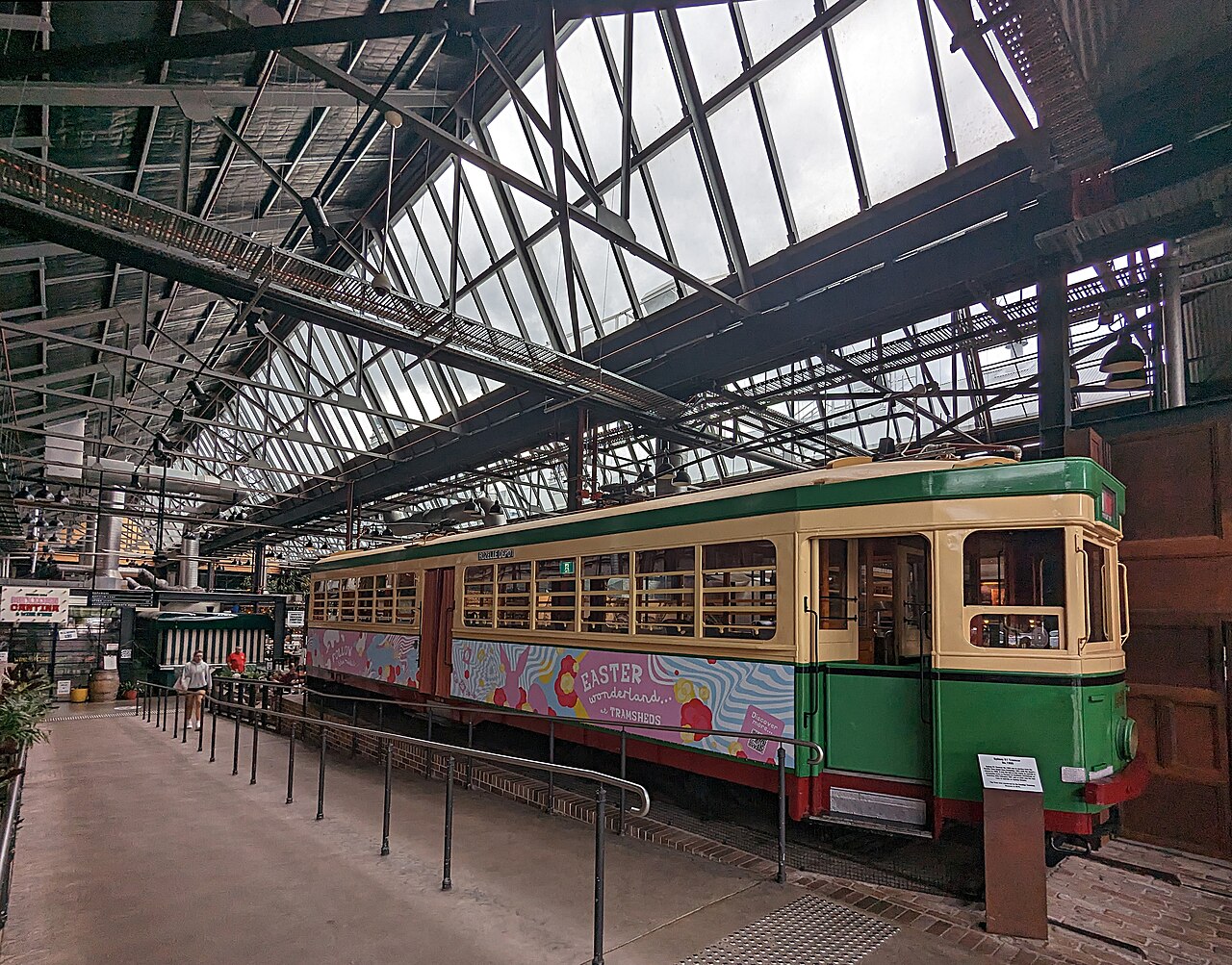
Sydney R1 Tramcar No. 1995
- High
- Historic monument
Language · 11 published
Museum · Sydney
| Monday | 00:00 – 23:59 |
|---|---|
| Tuesday | 00:00 – 23:59 |
| Wednesday | 00:00 – 23:59 |
| Thursday | 00:00 – 23:59 |
| Friday | 00:00 – 23:59 |
| Saturday | 00:00 – 23:59 |
| Sunday | 00:00 – 23:59 |
Parsed from OpenStreetMap opening hours on 2026-08-26.
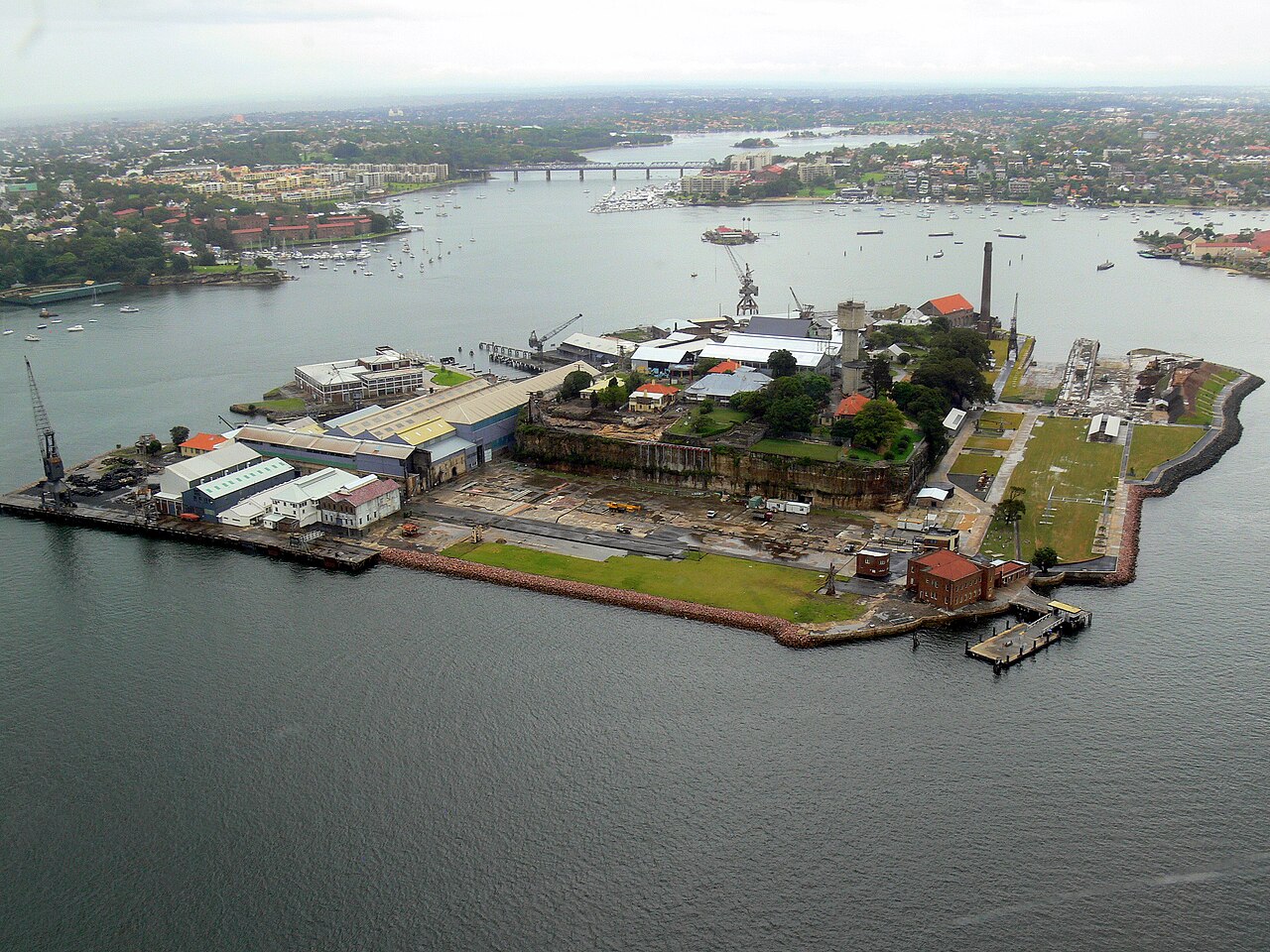
Cockatoo Island is the largest island in Sydney Harbour, positioned where the Parramatta and Lane Cove rivers meet. It forms part of the Australian Convict Sites UNESCO World Heritage property. The island brings together convict history, Aboriginal significance, shipbuilding and contemporary cultural life. Visitors walk through preserved buildings, docks and open harbour landscapes rather than a conventional museum. It is a strong choice for travellers who enjoy industrial heritage, architecture, waterfront views and places with several historical layers visible in one compact destination. Cockatoo Island is the largest island in Sydney Harbour, located at the junction of the Parramatta and Lane Cove rivers. The site holds UNESCO World Heritage status as part of the Australian Convict Sites. Its layered history encompasses Aboriginal significance, convict incarceration, industrial shipyard operations, and contemporary cultural use. The island now functions as a venue for festivals, accommodation, and heritage tourism, managed within the Sydney Harbour Federation Trust portfolio. Visitors encounter preserved buildings and landscapes reflecting multiple historical periods. Visitors should verify current access status through official channels before travel. Camping and glamping accommodation options are available. Specific availability, facilities, and booking requirements should be confirmed through official reservation systems.
Checked 2026-08-26 · Source
The island contains convict-built sandstone structures, warehouses, docks and former shipyard facilities. Fitzroy Dock and Sutherland Dock anchor the maritime story, while buildings from different periods create a varied walking route. Interpretive signs and self-guided paths help visitors connect the penal and industrial histories. Camping and glamping provide overnight options, and festivals or cultural programmes can change the island’s atmosphere. Elevated areas open views across Sydney Harbour, making the heritage fabric and waterfront scenery equally important parts of the visit.
Checked 2026-08-26 · Source
Allow several hours for a self-guided visit that includes the major heritage buildings, docks and harbour perimeter. The island rewards an unhurried pace because its features are spread across a working historical landscape rather than concentrated in one gallery. Add more time for photographs, a festival, a programmed activity or a meal. Camping and glamping turn the visit into an overnight stay. Uneven surfaces and changes in level can slow the route, particularly for visitors exploring every section.
Checked 2026-08-26 · Source
Cockatoo Island suits visits throughout the year, with warm summers, mild winters and harbour breezes shaping the outdoor experience. Spring and autumn are comfortable seasons for extended walking. Summer can be bright and exposed, while winter may bring cooler wind along the water. Festivals and cultural events create especially active periods and can alter how you move around the site. Bring weather protection because some routes have limited shelter, and allow time to enjoy the island beyond the event programme.
Checked 2026-08-26 · Source
General day access for heritage exploration and self-guided walking does not typically require purchased admission. Accommodation, festivals, event tickets and selected programmed activities are charged separately. A simple sightseeing visit can therefore remain flexible, while an overnight or event-focused trip needs a booking and a larger budget. The island’s costs depend on the experience chosen, so distinguish ordinary walking from accommodation or scheduled activities when planning the day.
Checked 2026-08-26 · Source
Ferries operated through Transport for NSW provide the main public connection, including services on the F3 Parramatta River route. Circular Quay and other harbour locations can connect travellers to the island. There is no vehicle bridge, so every visitor arrives by water or private vessel. Ferry schedules vary by day and season, and weather or special events can affect the service. Private boats require suitable maritime arrangements and mooring permissions, making the public ferry the straightforward option for most visitors.
Checked 2026-08-26 · Source
Industrial heritage areas can include uneven ground, exposed edges, deteriorating structures and restricted zones. Stay behind barriers and keep children close near docks, harbour edges and old buildings. Sun, wind and limited shelter make water, sun protection and suitable clothing useful. Commercial services on the island are limited. At night, carry a light and remain on designated paths. The island location can delay emergency access, so keep the route within your group’s ability and avoid entering closed areas.
Checked 2026-08-26 · Source
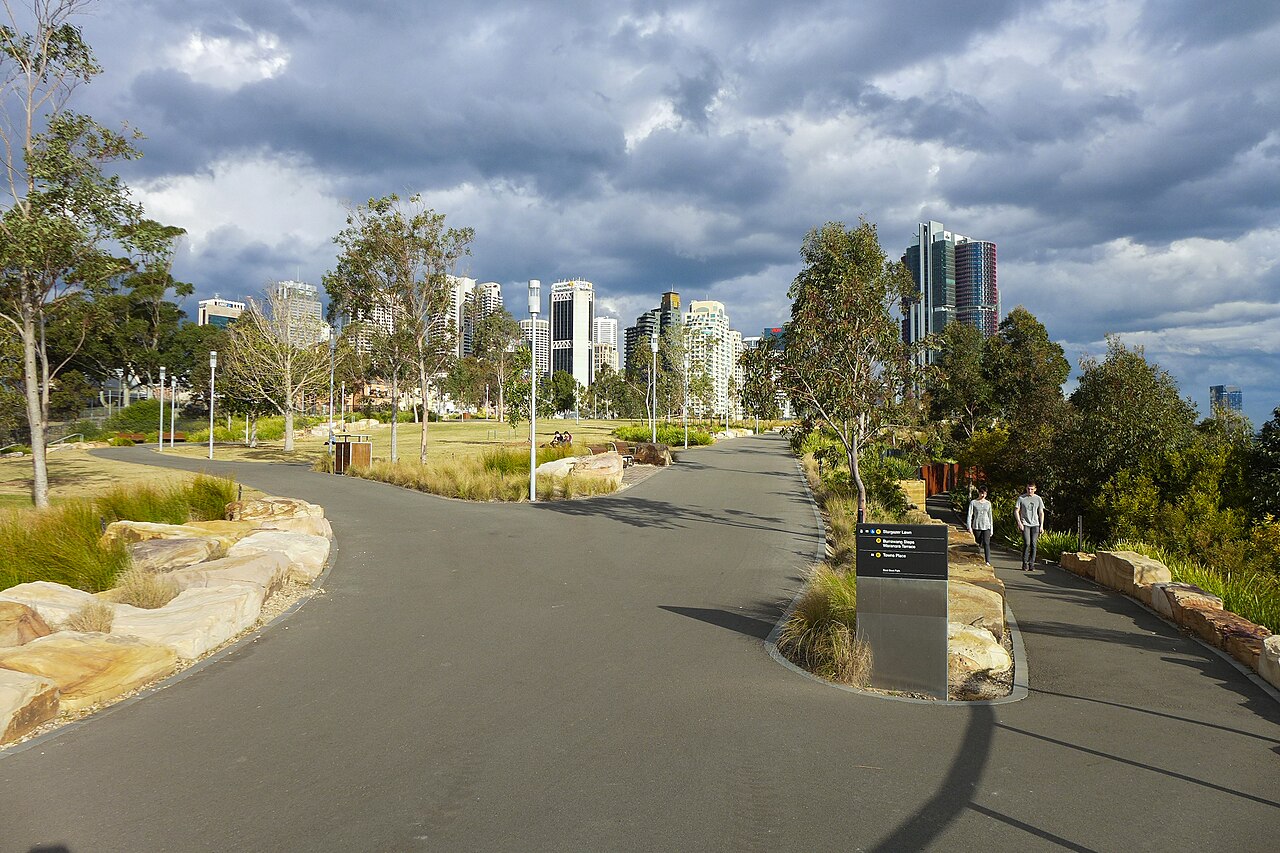
Cockatoo Island combines harbour panoramas with convict-era sandstone, industrial architecture, docks and maritime details. Elevated viewpoints can frame the Harbour Bridge, water and surrounding shoreline, while the old shipyard creates strong lines and textures for architectural images. Golden hour and twilight add atmosphere to the industrial remains. Keep a safe distance from edges and restricted structures when seeking a composition. Drone use requires the relevant permissions, and commercial photography may need prior arrangements with management.
Checked 2026-08-26 · Source
The island’s main sights include convict-built sandstone structures, Fitzroy Dock, Sutherland Dock, former shipyard buildings, warehouses, interpretive walking routes and elevated harbour viewpoints.
Yes. Camping and glamping accommodation are available on the island, providing an overnight way to experience the heritage landscape and harbour setting.
Public ferries operated through Transport for NSW provide the main connection, including the F3 Parramatta River route. Circular Quay and other harbour locations can connect with island services.
General heritage exploration and self-guided walking typically do not require purchased admission. Accommodation, festivals, events and selected activities involve separate charges.
Children can explore the island, but close supervision is important near harbour edges, docks, uneven ground and heritage structures. Stay on designated paths and behind barriers.
Bring water, sun protection, weather-appropriate clothing and comfortable footwear. The island has limited commercial services, while uneven surfaces and exposed harbour areas make practical preparation useful.
Loading the interactive map…
The interactive map could not be loaded.

Last updated:
Source: OpenStreetMap contributors, Wikidata ·