
.jpg)

.jpg)
.jpg)
.jpg)

7 min walk
Streets Beach
- Must see
- Historic monument
Language · 11 published
Museum · Brisbane
| Monday | 09:30 – 16:30 |
|---|---|
| Tuesday | 09:30 – 16:30 |
| Wednesday | 09:30 – 16:30 |
| Thursday | 09:30 – 16:30 |
| Friday | 09:30 – 16:30 |
| Saturday | 09:30 – 16:30 |
| Sunday | 09:30 – 16:30 |
Parsed from OpenStreetMap opening hours on 2026-08-26.
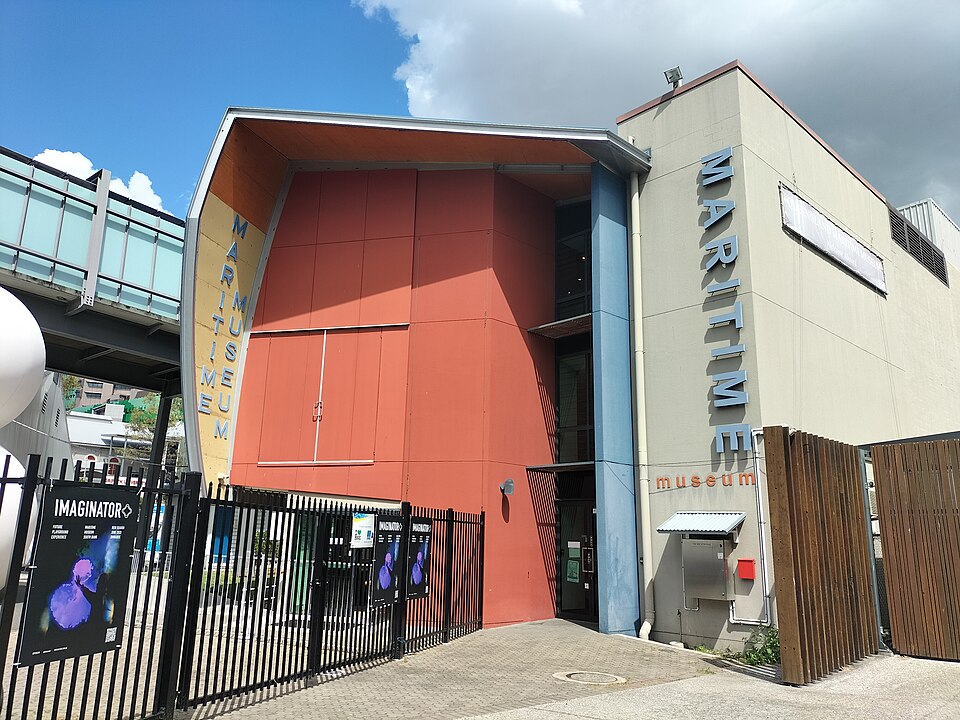
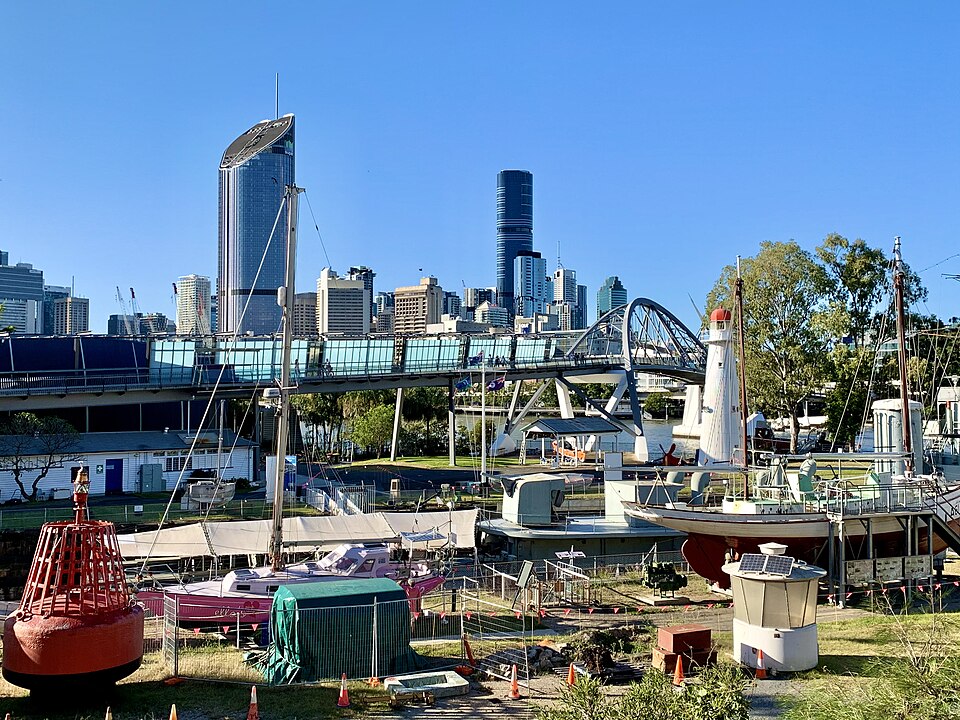
The Queensland Maritime Museum is a maritime heritage institution located in Brisbane. It occupies a site at the South Brisbane Dry Dock on the Brisbane River. The museum preserves and presents Australia's maritime history through vessel displays and associated collections. Its location within a historic working dock provides authentic context for interpreting nautical heritage. The museum serves as a cultural repository for naval, commercial, and recreational maritime activities connected to Queensland and broader Australian waters. Visitors encounter physical evidence of shipbuilding and repair traditions in an industrial riverside setting.
Checked 2026-08-26
The museum's collection includes the former Royal Australian Navy destroyer HMAS Diamantina, permanently berthed as a floating exhibit. Other displayed vessels and maritime artifacts represent regional seafaring history. Indoor exhibition spaces contain photographs, documents, models, and equipment related to maritime operations. The South Brisbane Dry Dock itself constitutes a significant heritage element, demonstrating nineteenth-century engineering capabilities. Collections address themes of immigration, trade, naval defense, and recreational boating. The scope reflects Queensland's dependence on coastal and riverine transport before modern road infrastructure developed throughout the state.
Checked 2026-08-26

Visitor duration depends on individual interest in maritime subjects and desired level of vessel exploration. A thorough examination of HMAS Diamantina requires additional time due to its multiple decks and compartments. Casual visitors typically allocate shorter periods for surface-level appreciation. The combination of indoor galleries and outdoor vessel boarding suggests flexible pacing. Enthusiasts of naval history or maritime technology may extend their stay significantly. Families with younger visitors often concentrate on accessible exterior features rather than detailed interior passages. Personal scheduling should account for Queensland's warm climate during outdoor portions.
Checked 2026-08-26
Operator-confirmed hours are Not recorded pending review. Visitors should consult the Queensland Maritime Museum's official communications for current opening schedules before planning attendance. Seasonal considerations include Brisbane's subtropical climate, with summer months bringing high temperatures and humidity that may affect comfort during outdoor vessel exploration. Winter offers milder conditions generally favorable for extended site visitation. Rainfall occasionally impacts outdoor components. The riverside location may experience variable wind exposure. Advance verification of operational status remains advisable regardless of season, as museums occasionally modify schedules for maintenance or special events.
Checked 2026-08-26
Operator-confirmed prices are Not recorded pending review. The museum likely implements differentiated admission categories common to comparable institutions, potentially including concessions for seniors, students, and children. Family group rates may apply. Some maritime museums incorporate voluntary donation components or membership programs supporting ongoing preservation efforts. Visitors should verify current fee structures through official channels before arrival. Special exhibition surcharges occasionally supplement base admission. Group bookings typically require advance arrangement. Any vessel-specific access restrictions or premium experiences would be communicated through official museum publications rather than assumed.
Checked 2026-08-26

The museum occupies a riverside position in South Brisbane, accessible through the city's public transport network. The South Bank railway station and corresponding bus services connect to the broader Translink system. Walking access from the South Bank Parklands cultural precinct is feasible. The site sits near the Goodwill Bridge pedestrian crossing from the Brisbane central business district. River ferry services operating along the Brisbane River may provide alternative arrival options depending on current route configurations. Cyclists can utilise riverside pathway networks. Limited on-site parking availability should be anticipated given the central location and competing demand from adjacent cultural attractions.
Checked 2026-08-26
Historic vessels present inherent physical hazards including steep companionways, confined spaces, and uneven surfaces requiring appropriate footwear and mobility caution. The dry dock environment contains industrial features not designed for casual pedestrian traffic. Weather exposure affects outdoor exhibits without climate control. Supervision of children is essential given water adjacency and vertical drops. Some interior spaces may lack modern accessibility accommodations due to heritage preservation requirements. Visitors should respect any roped-off or signed restrictions indicating unstable or protected areas. Personal belongings require secure management during vessel boarding where storage facilities are unavailable. Sun protection remains necessary for extended outdoor circulation.
Checked 2026-08-26

Photography policies at heritage maritime sites typically permit personal non-commercial imaging while restricting flash usage near light-sensitive collection materials. Drone operation would require explicit authorization given proximity to operational river traffic and potential security considerations. Tripod deployment may obstruct narrow vessel passageways and likely requires advance arrangement. Commercial or promotional photography necessitates formal permission. Visitors should observe signage indicating prohibited zones where conservation concerns or privacy considerations apply. The industrial maritime setting offers distinctive visual character including rusted steel, weathered timber, and water reflections. Respectful conduct preserves conditions for subsequent visitors and protects deteriorating historic fabric from unnecessary handling or interference.
Checked 2026-08-26
Children can engage with the large vessel displays, though steep stairs and confined spaces require close supervision. The outdoor setting permits movement, but water adjacency and industrial features demand vigilant oversight.
The destroyer is presented as a floating exhibit with multiple accessible areas, though some compartments may be restricted due to preservation or safety considerations. Physical agility is necessary for full exploration.
Tour offerings are Not recorded pending review. Visitors should consult official museum communications for current programming including any scheduled guided experiences or audio alternatives.
Historic vessels and dry dock infrastructure present accessibility challenges. Modern standards may not be achievable throughout. Specific access provisions should be verified directly with the museum before visiting.
On-site dining facilities are Not recorded pending review. The South Bank precinct nearby offers numerous eating options within walking distance for visitors seeking refreshments before or after their museum visit.
The supplied source pointer references the Queensland Art Gallery Gallery of Modern Art website. The Queensland Maritime Museum operates as a separate institution. No direct operational connection is established by the provided context.
Loading the interactive map…
The interactive map could not be loaded.

Last updated:
Source: OpenStreetMap contributors, Wikidata ·