Smart Self-Managed Tours

Country guide

Australia

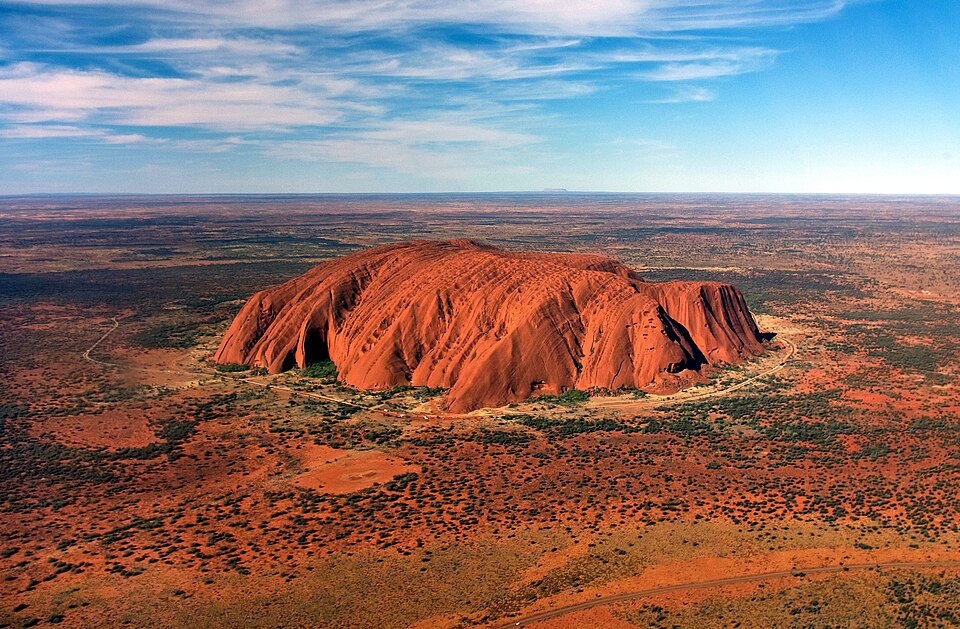
A photograph of Australia
Photograph · Corey Leopold · CC BY 2.0

Australia covers 7,688,287 km², sixth largest in the world, and close to 4,000 km separate its east coast from its west. Nearly 28 million people live here, about 80 per cent of them within 25 km of a mainland coastline 35,821 km long — which is the fact that governs any trip taken across it. The cities form a rim around an interior that stays largely empty; Sydney and Melbourne pass five million each, and Canberra, the capital, is neither of them. Six states and ten territories, and a sensible visit chooses two of them rather than the map.

Cities

Every city catalogued in this country so far, ranked by how much there is to see.

Practical information

Language spoken
English is the principal language; no federal official language
National practical orientation; regional and minority languages may also be used
Dialling code
+61
International calling code; local area and mobile prefixes still apply
Currency
Australian dollar (AUD)
Use the official local currency; card acceptance varies by place
Emergency number
000
Use only for an emergency; tourist assistance may use a separate number
Plug type
Type I · 230 V
Check that chargers support the recorded voltage before using an adapter
Tap water
Safe from treated public supplies
Follow local notices in remote communities and after disruptions

Planning a visit

  1. January: seasonal closure recorded
  2. February: seasonal closure recorded
  3. March: seasonal closure recorded
  4. April: seasonal closure recorded
  5. May: seasonal closure recorded
  6. June: seasonal closure recorded
  7. July: no seasonality data recorded
  8. August: no seasonality data recorded — this month
  9. September: seasonal closure recorded
  10. October: seasonal closure recorded
  11. November: seasonal closure recorded
  12. December: seasonal closure recorded

Top things to see

Ranked by importance — sitelinks, pageviews and heritage status, not editor preference.

  1. St Mary’s Cathedral
    02 30 min

    St Mary’s Cathedral

    St Mary's Cathedral is a significant ecclesiastical structure in Sydney, recognised as a meaningful visitor destination within the documented city scope. The cathedral represents an important example of Gothic Revival architecture in Australia.

    • High
    • Place of worship
    • Sydney
  2. St Paul's Cathedral
    05 30 min

    St Paul's Cathedral

    St Paul's Cathedral is a major Anglican cathedral located in the heart of Melbourne, near the intersection of Flinders and Swanston Streets.

    • High
    • Place of worship
    • Melbourne
  3. St Peter's Cathedral
    10 30 min

    St Peter's Cathedral

    St Peter's Cathedral is a prominent Anglican cathedral in Adelaide, South Australia. It serves as the seat of the Archbishop of Adelaide and stands as a significant religious and architectural landmark within the metropolitan area.

    • High
    • Place of worship
    • Adelaide
  4. Abbotsford Convent
    11 30 min

    Abbotsford Convent

    Abbotsford Convent is a heritage-listed multi-use precinct occupying former convent grounds in Melbourne's inner north-east. The site encompasses multiple nineteenth-century buildings set within substantial gardens along the Yarra River.

    • High
    • Place of worship
    • Melbourne
  5. St George's Cathedral
    16 30 min

    St George's Cathedral

    St George's Cathedral is a prominent Anglican cathedral located in Perth, Western Australia. It serves as the principal place of worship for the Anglican Diocese of Perth and holds significant heritage value within the metropolitan area.

    • High
    • Place of worship
    • Perth

Source: OpenStreetMap contributors, Wikidata ·

Common questions

How long should a first trip to Australia be?

Ten to fourteen days should cover one coast, one city pair or one city plus a nearby landscape, not the continent. Sydney and Melbourne can share a southeastern route; Perth, the tropical north and the Red Centre each demand separate flights and more time.

What entry documents are needed for Australia?

Australia’s Department of Home Affairs is the authority for Visitor visas and electronic travel permissions. Select the product for the passport and purpose, complete required declarations, and remember that visa approval does not remove Australia’s strict biosecurity obligations.

What is the best way to travel around Australia?

Flights are usually the efficient link between distant states. Rail and coaches serve selected corridors, cars become important outside cities, and urban fare cards are local rather than national; remote drives require fuel, water, communications and realistic distance planning.

When is a practical time to visit Australia?

Australia’s seasons and hazards vary dramatically by latitude. Southern-city summers, tropical dry seasons and Red Centre heat create different windows, so choose dates for the selected region and check official fire, cyclone or flood advice before road travel.

What money and payment basics apply in Australia?

The Australian dollar is the sole recorded currency. Contactless payment is common, but remote roadhouses and small services justify a backup card or cash; check surcharges at the point of sale and budget fuel around long gaps rather than metropolitan prices.

What practical safety details should I save for Australia?

Use 000 for urgent police, fire or ambulance assistance; Australia uses Type I power at 230 V. Treated public tap supplies are recorded as safe, but remote-site notices take precedence, and travellers should save the state emergency service relevant to their route.