Museum of Latin American Art of Buenos Aires
MALBA, the Museo de Arte Latinoamericano de Buenos Aires, is a museum dedicated to Latin American art from the early twentieth century to the present.
- Must see
- Museum
- Buenos Aires
Language · 11 published
Country guide
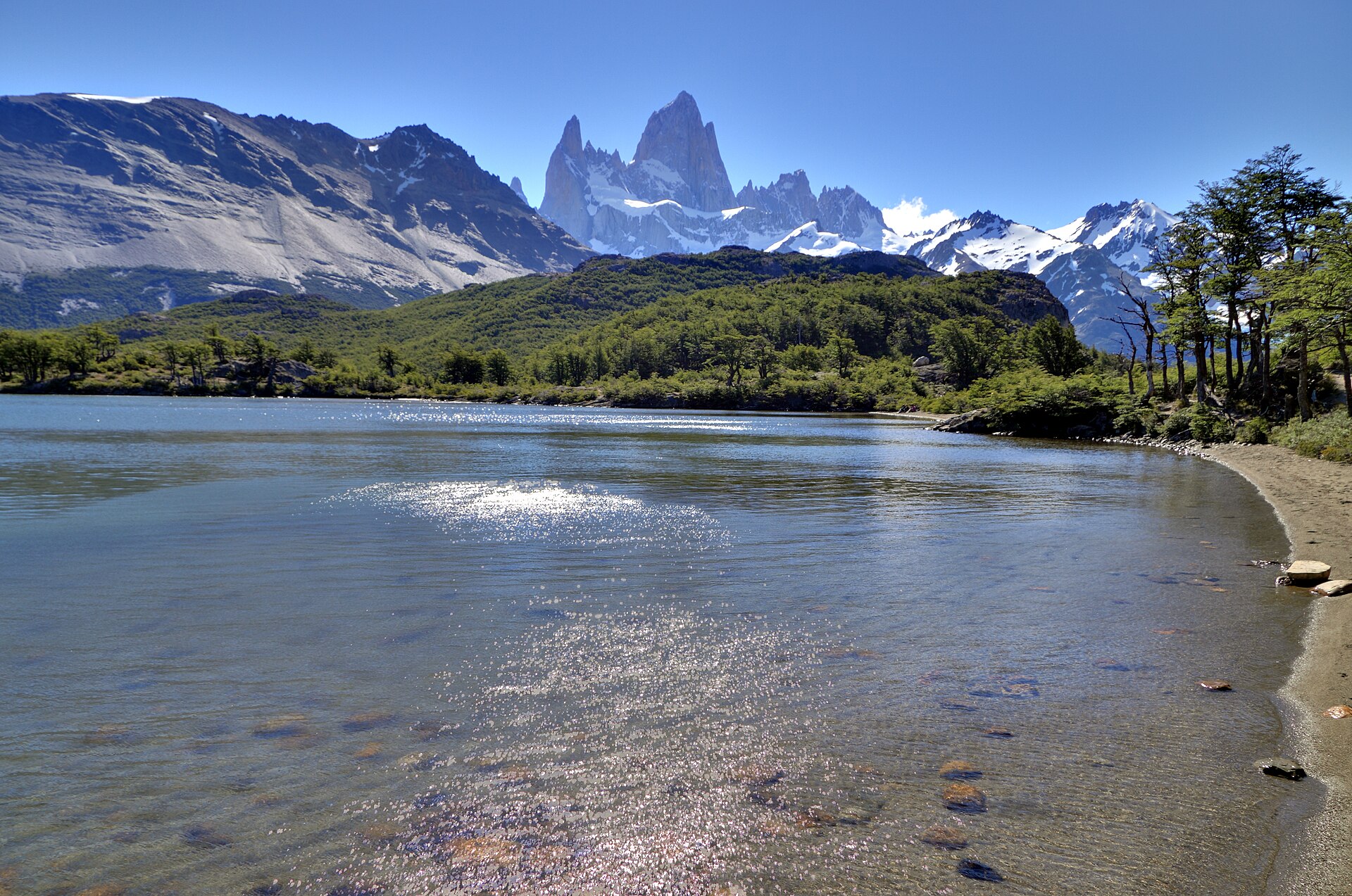
Argentina is 2,780,400 km², the eighth-largest country on earth, and the practical consequence is that its regions do not substitute for one another. Twenty-three provinces and one autonomous city take in subtropical forest and the Iguazú falls in the northeast, the flat cattle country of the Pampas around Buenos Aires, the Andean front of Cuyo where Aconcagua reaches 6,960 m, and then Patagonia, where the glaciers are and where the ground falls to 105 m below sea level at Laguna del Carbón. Choosing a city here is mostly a question of latitude and season.
Every city catalogued in this country so far, ranked by how much there is to see.
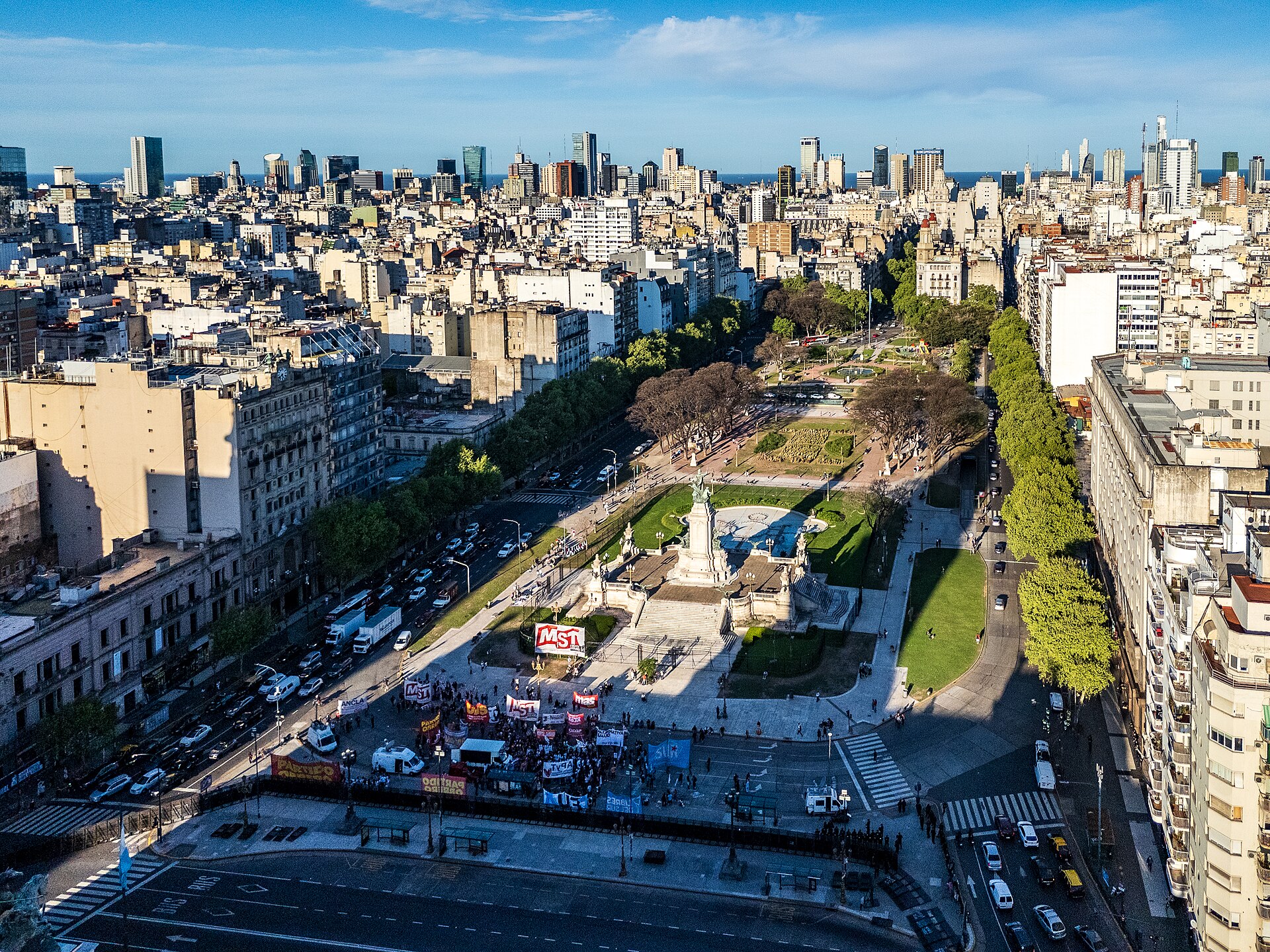
Photograph · ProtoplasmaKid · CC BY-SA 4.0
Ranked by importance — sitelinks, pageviews and heritage status, not editor preference.
100 places match
Category
Typical visit duration
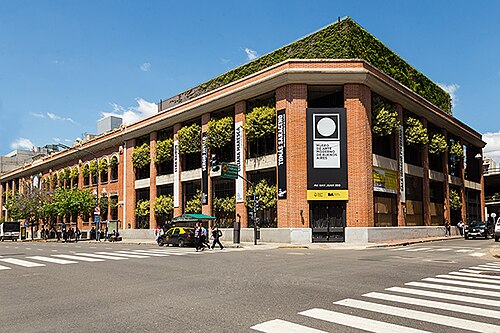
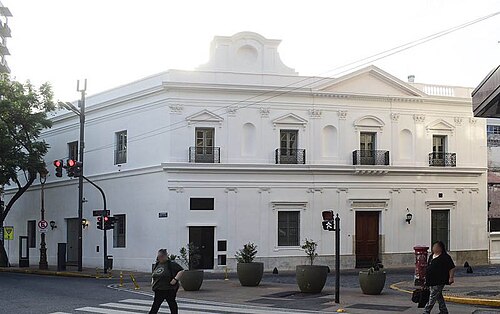
MALBA, the Museo de Arte Latinoamericano de Buenos Aires, is a museum dedicated to Latin American art from the early twentieth century to the present.
La Bombonera is the popular name for Estadio Alberto J. Armando, the home stadium of Club Atlético Boca Juniors, one of Argentina's most storied football clubs.
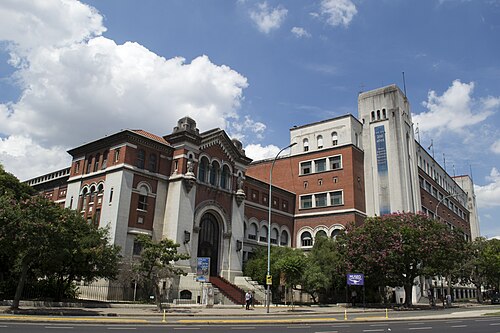
The Museo Nacional de Bellas Artes is Argentina's premier fine-arts institution, housed in a landmark building in the Recoleta district of Buenos Aires. The museum occupies a renovated structure originally built for the city's waterworks.
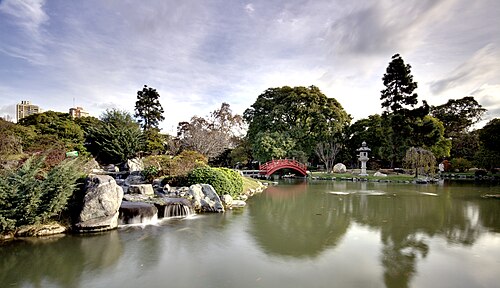
The Buenos Aires Japanese Gardens, known locally as Jardín Japonés de Buenos Aires, constitute a public garden space in the Argentine capital.
El Zanjón de Granados is a historic underground site in Buenos Aires, revealing layers of the city's architectural past beneath the San Telmo neighborhood.
The Museum of Modern Art of Buenos Aires, locally known as Museo de Arte Moderno de Buenos Aires, stands as the city's principal modern-art museum.
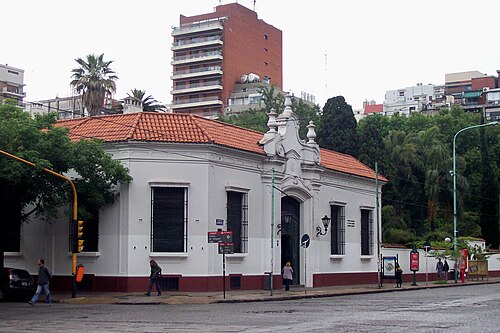
The Museo Histórico Nacional is Argentina's central national-history museum, housed in a historic mansion in the San Telmo district. The building stands beside Parque Lezama, one of Buenos Aires' older parks.
The Museo de Artistas Argentinos Benito Quinquela Martín is a museum in Buenos Aires dedicated to the work of Benito Quinquela Martín, the painter most closely associated with La Boca neighbourhood.
Museo Casa Carlos Gardel is a biographical museum located in the former residence of Carlos Gardel, the legendary singer and central figure in Buenos Aires tango history.
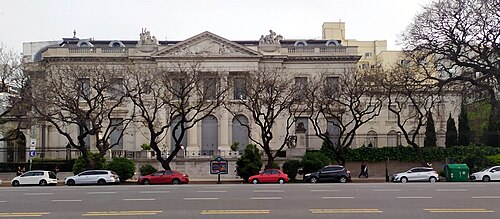
The Museo Nacional de Arte Decorativo occupies a French-style palace in Buenos Aires. The building itself serves as a significant example of European-influenced architecture in Argentina.
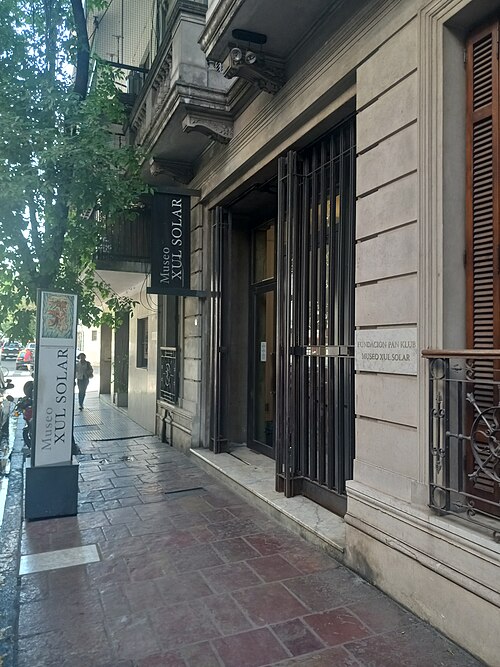
The Xul Solar Museum is a purpose-built museum in Buenos Aires dedicated to the Argentine artist Alejandro Xul Solar. Born in 1887, Xul Solar was a painter, sculptor, writer, and inventor of imaginary languages.
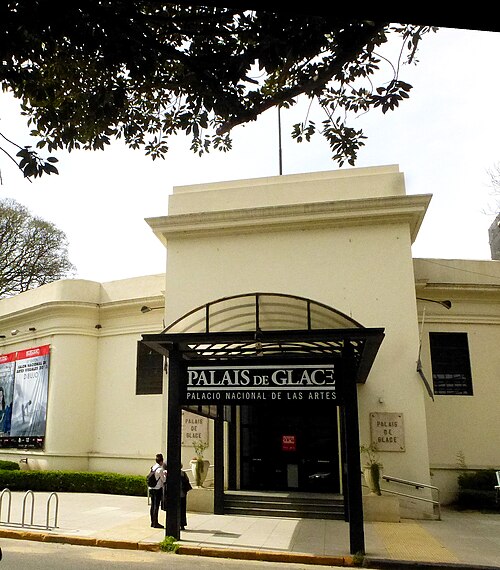
The Palais de Glace, also known as Palacio Nacional de las Artes, is a circular former ice rink in Buenos Aires. Located in the Recoleta neighbourhood, it stands as a nationally important visual-arts institution and a recognised landmark.
The Museum of the Casa Rosada occupies a subterranean space beneath the presidential palace in Buenos Aires. Its location directly under the seat of Argentine executive power gives it singular symbolic weight.
The Immigration Museum occupies the former Hotel de Inmigrantes, a historic building constructed to receive and process the millions of immigrants who arrived in Argentina between the late 19th and early 20th centuries.
The ESMA Memory Site Museum is a museum and memorial at a former clandestine detention centre operated during Argentina's last military dictatorship from 1976 to 1983.
The Museo Malvinas e Islas del Atlántico Sur is a national museum in Buenos Aires dedicated to the history, geography and contested memory of the South Atlantic islands known in Argentina as the Malvinas and in the United Kingdom as…
The Bernardino Rivadavia Natural Sciences Museum, known locally as Museo Argentino de Ciencias Naturales Bernardino Rivadavia, stands as Argentina's leading natural-history museum. Located in Buenos Aires, it carries the name of Bernardino Rivadavia, a significant figure in Argentine history.
The Enrique Larreta Museum of Spanish Art is a house museum in the Belgrano neighbourhood of Buenos Aires.
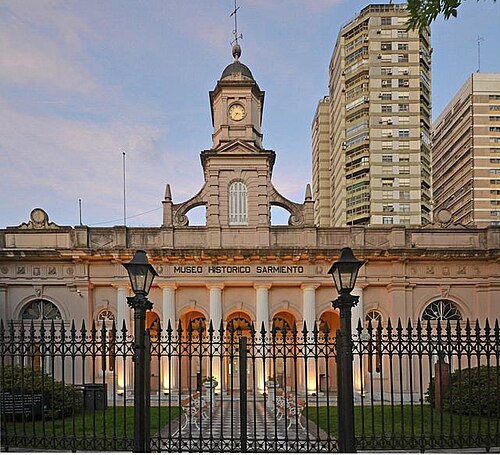
The Sarmiento Historical Museum is a heritage institution in Buenos Aires dedicated to interpreting the life and legacy of Domingo Faustino Sarmiento, the Argentine statesman, educator, and writer who served as president from 1868 to 1874.
The Museum of Popular Art Jose Hernandez is a Buenos Aires institution dedicated to Argentine folk and decorative arts. Located in the Palermo neighbourhood, it occupies a distinctive building that contributes to the area's cultural density.
The Luis Perlotti Sculpture Museum, known locally as Museo de Esculturas Luis Perlotti, occupies the former workshop of Argentine sculptor Luis Perlotti in the Caballito neighborhood.
The Pablo Ducros Hicken Cinema Museum, known locally as Museo del Cine Pablo Ducrós Hicken, is a film museum dedicated to preserving Argentina's cinematic heritage.
The World Tango Museum, known locally as Museo Mundial del Tango, stands as the National Academy of Tango's dedicated museum in central Buenos Aires.
Manzana de las Luces is a historic Jesuit complex in Buenos Aires' Monserrat neighbourhood. Its name translates as Block of Enlightenment, reflecting its role as a centre of learning.
Los Corrales Criollo Museum, known locally as Museo Criollo de los Corrales, is a heritage museum located in Buenos Aires. It interprets rural traditions, livestock culture, and the market history of its surrounding area.
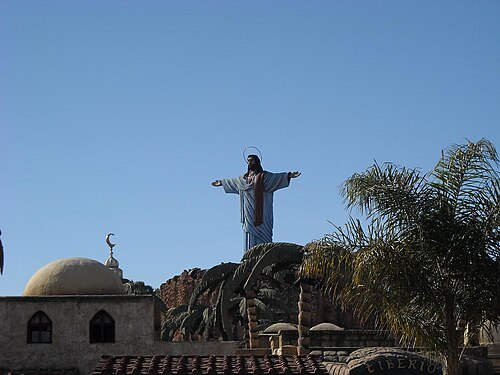
Tierra Santa is a religious-themed amusement park located on the northern waterfront of Buenos Aires. It presents biblical scenes and narratives through theatrical performances, statues, and reconstructed settings.
Source: OpenStreetMap contributors, Wikidata ·
A 10–16 day Argentina trip can give Buenos Aires four or five days and use the remaining time for one distant region. Patagonia, the northwest and the Iguazú area should be treated as separate journeys because their transfers consume full travel days.
Argentina’s Dirección Nacional de Migraciones is the authority for admission rules. Passport, visa and permitted-stay conditions vary by nationality and purpose, so verify the current requirement there before purchasing non-refundable travel.
Buenos Aires uses Aeroparque and Ezeiza for different route mixes, while domestic flights and long-distance coaches carry most interregional journeys. Passenger rail serves limited corridors, and each city sets its own local transport payment rules.
March to May and September to November are useful broad windows for Buenos Aires and several central routes. Patagonia, Iguazú and the Andean northwest follow different weather patterns, so choose dates around the region that anchors the trip.
Argentina uses the Argentine peso (ARS). Exchange rates and payment conditions are not recorded here; confirm the amount at a bank or authorised exchange counter before accepting a conversion.
Police assistance is generally reached on 911, although local emergency numbers vary. Argentina uses Type C and I plugs at 220 V; nationwide tap-water guidance is Not recorded, so ask the local water authority or accommodation.