


8 min walk
Parroquia San Ildefonso
- Notable
- Place of worship
Language · 11 published
Museum · Buenos Aires
Museo Xul Solar
| Monday | Closed |
|---|---|
| Tuesday | 12:00 – 20:00 |
| Wednesday | 12:00 – 20:00 |
| Thursday | 12:00 – 20:00 |
| Friday | 12:00 – 20:00 |
| Saturday | 12:00 – 19:00 |
| Sunday | Closed |
Parsed from OpenStreetMap opening hours on 2026-08-26.
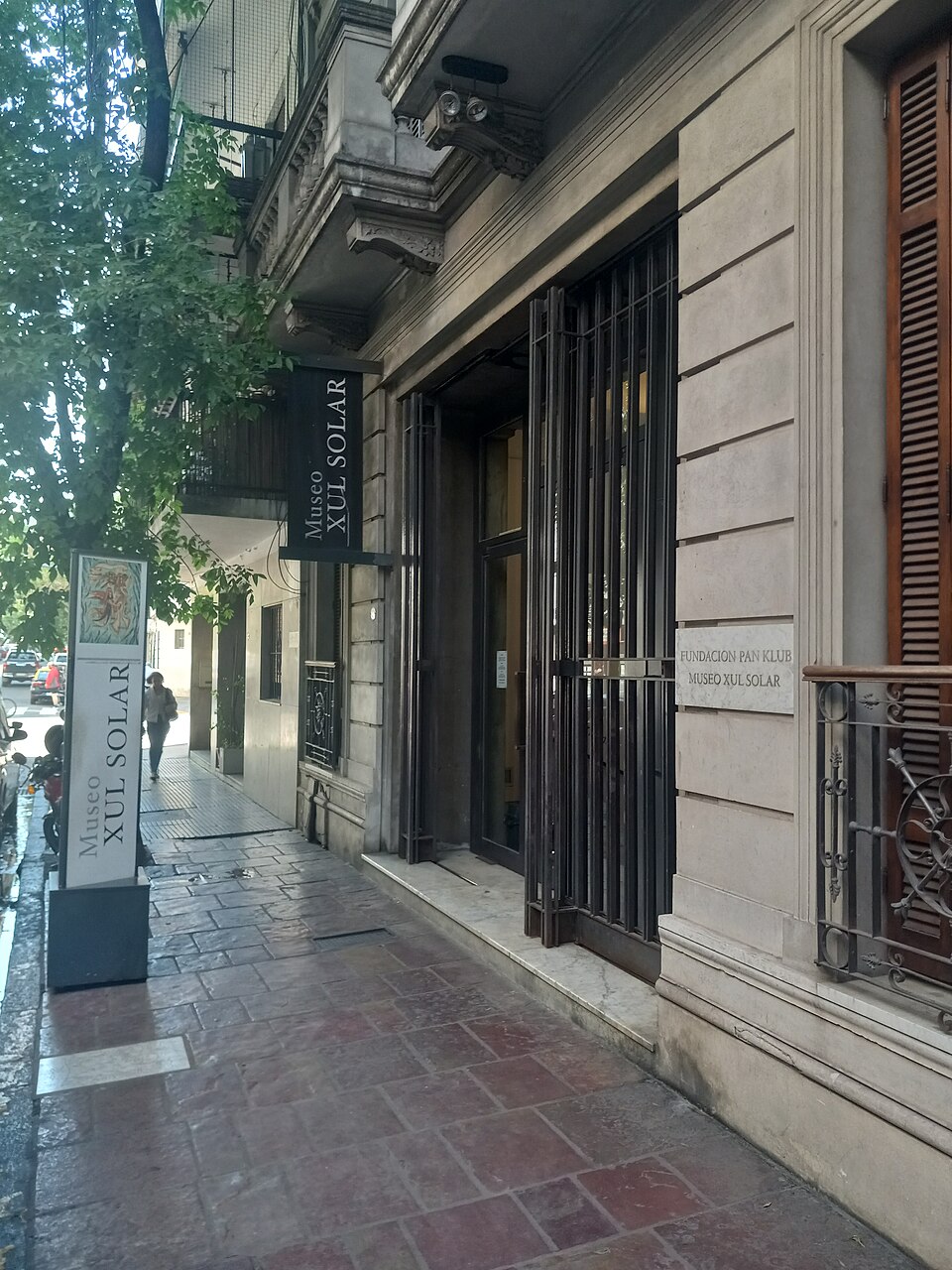
The Xul Solar Museum is a purpose-built museum in Buenos Aires dedicated to the Argentine artist Alejandro Xul Solar. Born in 1887, Xul Solar was a painter, sculptor, writer, and inventor of imaginary languages. The museum was established to preserve and display his visionary body of work. It stands as the primary institution for encountering his unique artistic and philosophical contributions. The building itself was designed specifically as a museum space to house his creations. A flexible visit lets travellers connect Xul Solar Museum with the rest of the day without treating one room, viewpoint or photograph as the whole experience. The useful pace depends on personal interest and conditions on arrival.
Checked 2026-08-26
The museum contains the most concentrated collection of Xul Solar's art and ideas anywhere. Visitors encounter his paintings, which blend European avant-garde influences with South American indigenous themes. The collection includes his invented languages, musical instruments, and architectural models. His visionary cosmology and spiritual philosophy permeate the displays. The institution also holds his manuscripts and personal objects. The purpose-designed architecture enhances the contemplative experience of his multifaceted creative output across multiple disciplines and media. Xul Solar Museum also earns time in a buenos aires itinerary because A purpose-designed museum offers the most concentrated encounter with Xul Solar's visionary art and ideas. Its value becomes clearer when the stop is compared with the surrounding streets and the other ranked places nearby.
Checked 2026-08-26
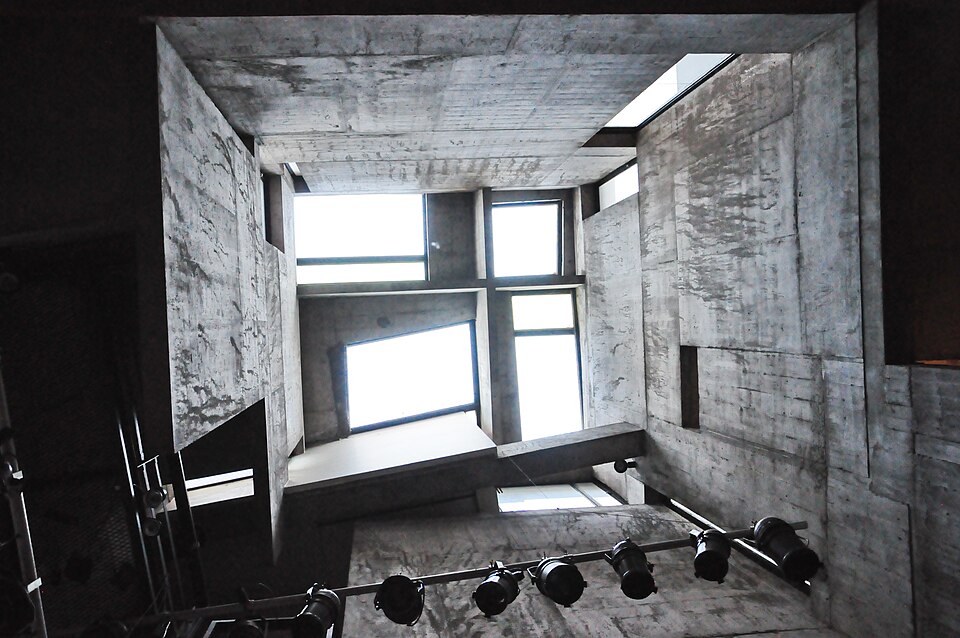
Visitors typically spend between one and two hours exploring the museum's galleries. The compact, purpose-designed space allows for thorough engagement without overwhelming duration. Art enthusiasts studying Xul Solar's intricate symbolic systems may prefer extended visits. Casual visitors can appreciate the highlights in approximately sixty minutes. The museum's concentrated nature means every room contains significant material. Planning for ninety minutes provides comfortable pacing through the collections without rushing past the detailed, symbol-rich artworks that reward attentive observation.
Checked 2026-08-26
Operator-confirmed hours are Not recorded pending review. Visitors should consult the official website at https://www.xulsolar.org.ar/ for current opening times before planning their visit. The museum's central Buenos Aires location makes it accessible year-round. Weekday mornings may offer quieter experiences for contemplative viewing of the detailed artworks. Weekends and holidays potentially draw larger crowds. Seasonal considerations for Buenos Aires include warm, humid summers and mild winters. Advance planning through official channels remains essential for successful scheduling.
Checked 2026-08-26
Operator-confirmed prices are Not recorded pending review. Admission fees and any available concessions should be verified through https://www.xulsolar.org.ar/ prior to visiting. Some Buenos Aires museums offer free entry on certain days, though this policy at Xul Solar Museum remains unconfirmed in available sources. Payment methods accepted are not specified in accessible information. Visitors should prepare for potential entry costs and inquire about guided tour options or audio guides that may involve separate charges. Advance booking possibilities are unknown.
Checked 2026-08-26
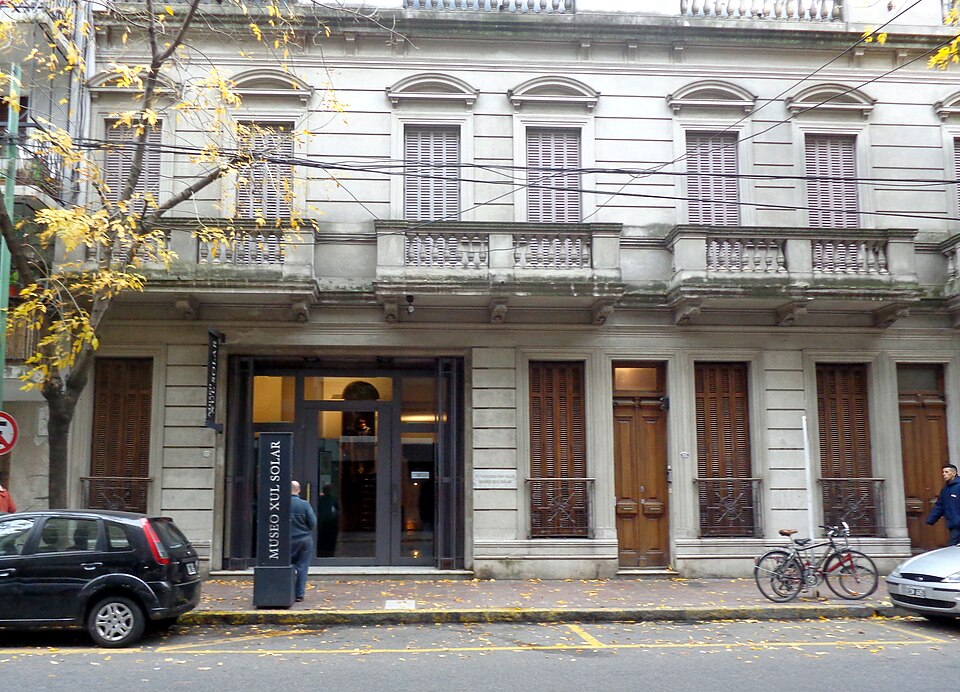
The museum occupies a location in Buenos Aires accessible through the city's public transportation network. Visitors can utilize the extensive bus and subway systems serving the Argentine capital. Taxis and ride-sharing services operate throughout the city. The exact street address and nearest transit stations should be confirmed through https://www.xulsolar.org.ar/ or reliable mapping services. Walking from nearby accommodations in central Buenos Aires neighborhoods may be feasible depending on visitor lodging choices. Cycling infrastructure exists in portions of the city.
Checked 2026-08-26
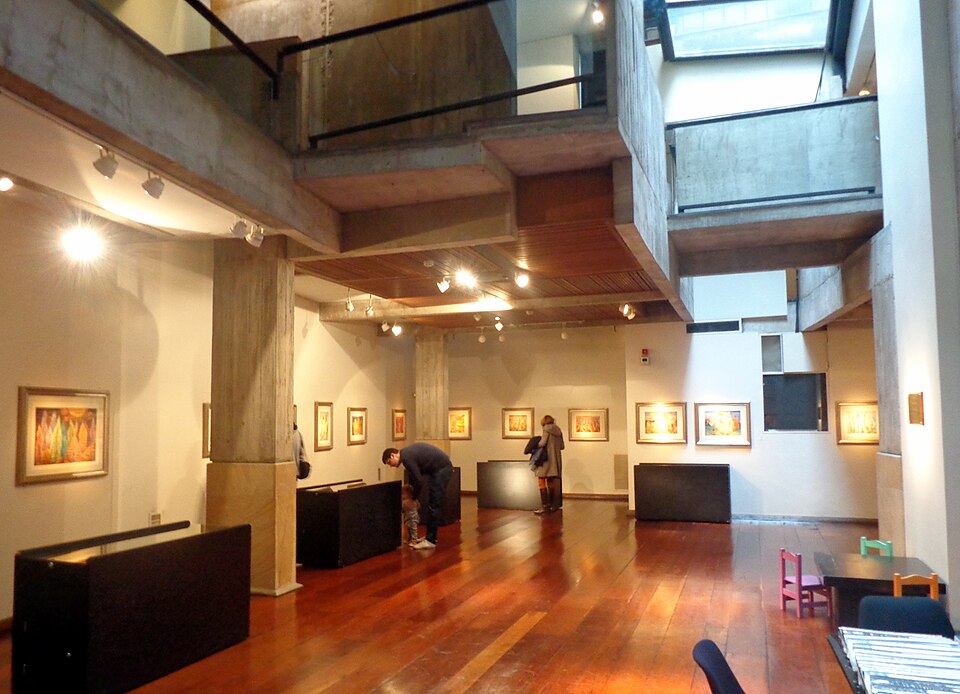
The museum contains delicate artworks requiring respectful behavior. Visitors should observe standard gallery protocols: no touching exhibits, maintaining appropriate distance from displayed pieces, and following staff instructions. Xul Solar's intricate, symbol-dense creations demand attentive viewing; rushing diminishes their impact. Language barriers may affect non-Spanish speakers; English information availability is uncertain. Climate control maintains preservation conditions; visitors should dress comfortably for indoor temperatures. Accessibility features for visitors with mobility needs are not documented in available sources and should be confirmed directly with the institution.
Checked 2026-08-26
Photography policies at the Xul Solar Museum are not specified in available sources. Visitors should assume restrictions may apply until confirmed otherwise. Many museums prohibit flash photography to protect light-sensitive artworks. Some institutions ban all photography, while others permit non-flash images for personal use. Commercial photography typically requires advance authorization. Visitors wishing to photograph should inquire at entry or consult https://www.xulsolar.org.ar/ beforehand. Respecting any restrictions protects the collection and ensures compliance with institutional policies. When uncertain, refraining from photography represents the cautious approach.
Checked 2026-08-26
For those interested in visionary art, Argentine cultural history, or avant-garde movements, the museum offers the most concentrated encounter with Xul Solar's work. Its purpose-designed setting enhances appreciation of his unique creative output.
English information availability is not documented in available sources. Non-Spanish speakers should prepare for potential language barriers or inquire directly with the museum about translation resources.
Museum shop offerings are not specified in available sources. Visitors interested in purchases should inquire on-site or check https://www.xulsolar.org.ar/ for information about available merchandise.
The museum's contemplative, symbol-dense artworks may challenge young visitors. No specific children's programs are documented. Parents should consider their children's interest in art and capacity for quiet gallery behavior.
Guided tour availability is not confirmed in accessible sources. Visitors should contact the museum directly or check https://www.xulsolar.org.ar/ for current programming and educational offerings.
Unlike general collections, this institution offers singular focus on one visionary artist. Its purpose-designed architecture and concentrated holdings provide specialized depth that differs from broader municipal or national art museums in the city.
Loading the interactive map…
The interactive map could not be loaded.


Last updated:
Source: OpenStreetMap contributors, Wikidata ·