
.jpg)
_-_Eugenia_Bel%C3%ADn_Sarmiento_-_Flickr_(Ministerio_de_Cultura_de_la_Naci%C3%B3n)_(38431864432).jpg)
_-_Eugenia_Bel%C3%ADn_Sarmiento_-_Google_Arts_%26_Culture_(cropped).jpg)
_-_Eugenia_Bel%C3%ADn_Sarmiento_-_Google_Arts_%26_Culture.jpg)

2 min walk
Museum of Spanish Art Enrique Larreta
- Must see
- Museum
Language · 11 published
Museum · Buenos Aires
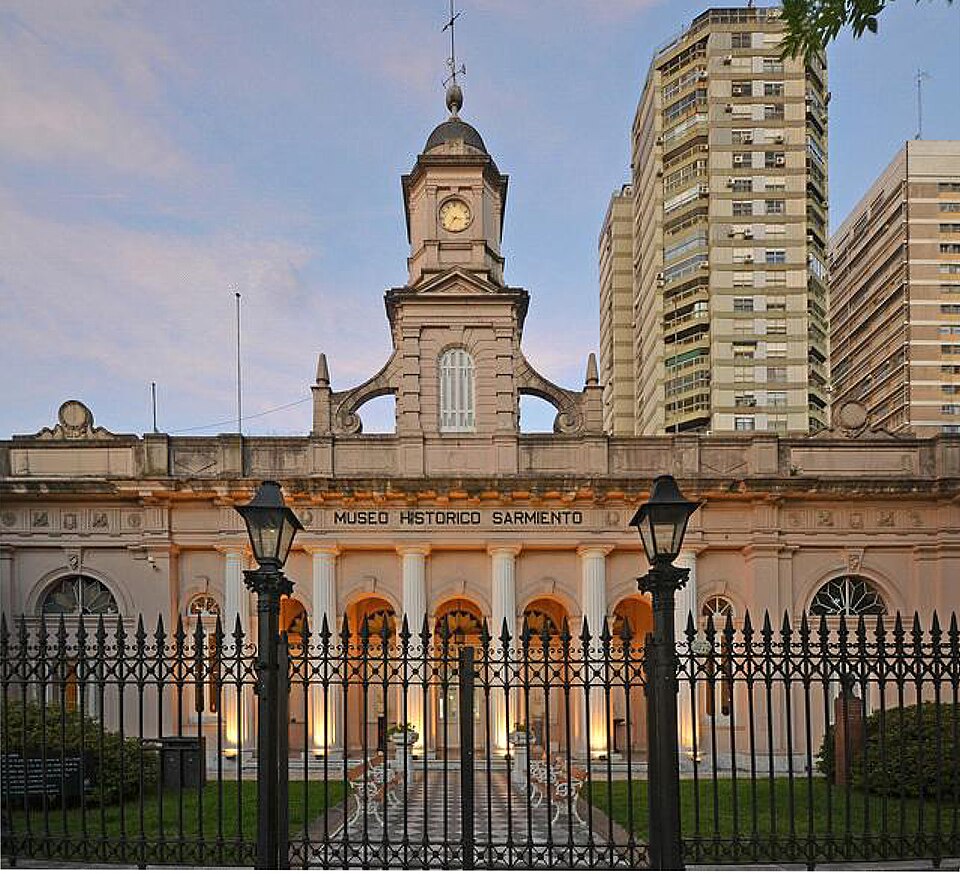
Museo Histórico Sarmiento
| Monday | 13:00 – 18:00 |
|---|---|
| Tuesday | 13:00 – 18:00 |
| Wednesday | 13:00 – 18:00 |
| Thursday | 13:00 – 18:00 |
| Friday | 13:00 – 18:00 |
| Saturday | 11:00 – 19:00 |
| Sunday | 11:00 – 19:00 |
Parsed from OpenStreetMap opening hours on 2026-08-26.
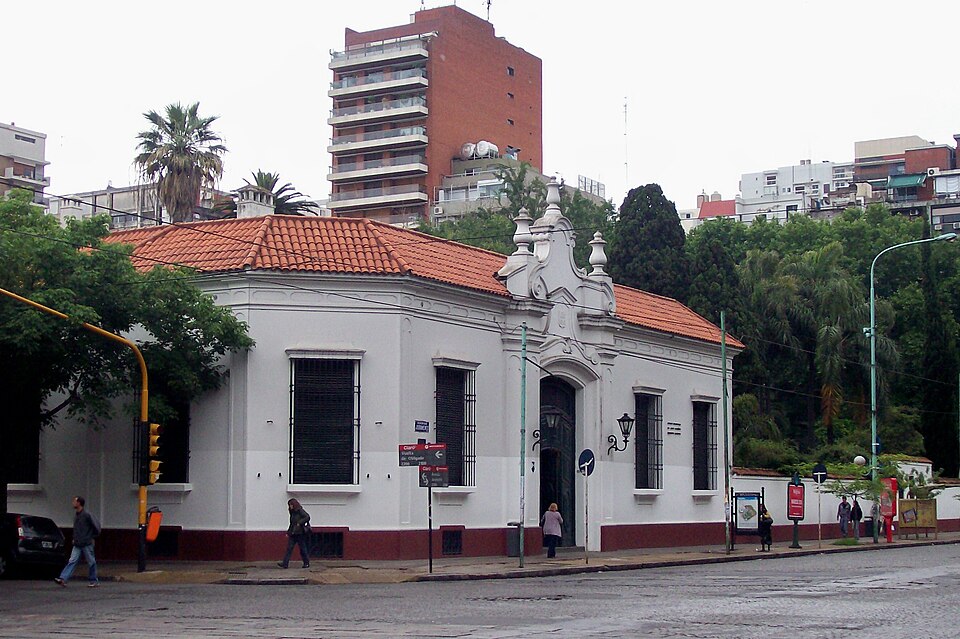
The Sarmiento Historical Museum is a heritage institution in Buenos Aires dedicated to interpreting the life and legacy of Domingo Faustino Sarmiento, the Argentine statesman, educator, and writer who served as president from 1868 to 1874. The building itself holds historical significance as the former municipal headquarters of Belgrano, a neighborhood that was once an independent town before being absorbed into the capital. The structure also briefly served as the seat of the national government, adding a layer of political importance to its already considerable cultural value as a memorial to one of Argentina's most influential public figures.
Checked 2026-08-26
The museum contains collections and displays related to Domingo F. Sarmiento's multifaceted career and personal history. As an institution interpreting this pivotal figure, it houses materials that reflect his contributions to Argentine education, literature, and governance. Sarmiento was a prolific writer and passionate advocate for public schooling, and the museum's holdings presumably include documents, personal effects, and exhibits that illuminate these achievements. The former Belgrano municipal building's architecture itself contributes to the visitor experience, with its governmental spaces repurposed to tell the story of both Sarmiento and the local administrative history of the Belgrano district.
Checked 2026-08-26

Visitors should plan approximately one to two hours for a meaningful exploration of the Sarmiento Historical Museum, though individual pacing will vary considerably based on interest level in Argentine history and the Spanish language proficiency required to engage fully with textual materials. The museum's focus on a single historical figure, albeit an extraordinarily significant one, suggests a contained scope that does not demand an entire day. Those with deep interest in nineteenth-century Argentine politics, educational reform, or Sarmiento's literary output may wish to allocate additional time for careful examination of documents and detailed displays.
Checked 2026-08-26

Operator-confirmed opening hours, seasonal schedules, last-entry times, and closure days are Not recorded pending review. Visitors should consult the official Buenos Aires tourism website or contact the museum directly before planning their visit to confirm current accessibility. Buenos Aires experiences pleasant weather during the Southern Hemisphere spring months of September through November and autumn months of March through May, which may enhance travel comfort generally, though this has no bearing on indoor museum conditions. Weekend and holiday crowds at cultural institutions in Buenos Aires can vary unpredictably without confirmed scheduling information.
Checked 2026-08-26
Operator-confirmed admission prices, concession categories, free-entry conditions, and payment methods are Not recorded pending review. Visitors should verify current ticketing arrangements through the official Buenos Aires tourism portal or by direct inquiry before visiting. Many municipal museums in Buenos Aires have historically offered free or low-cost admission as part of public cultural policy, but this cannot be assumed without confirmation. International visitors should inquire whether documentation such as student identification or senior credentials from their home countries would qualify for any reduced rates that may be available upon verified establishment of pricing structure.
Checked 2026-08-26

The museum is located in the Belgrano neighborhood of Buenos Aires, a well-established residential and commercial district in the northern part of the city. Belgrano is served by multiple public transportation options characteristic of Buenos Aires, including the Subte underground system and extensive bus networks. The neighborhood's grid street pattern and numbered calles facilitate navigation for those familiar with the city's addressing conventions. Taxis and ride-hailing services operate throughout the area. Visitors should consult current transit maps and applications for specific routing, as line frequencies and service patterns in Buenos Aires undergo periodic adjustments that cannot be verified from the supplied context alone.
Checked 2026-08-26

Visitors should exercise standard urban precautions appropriate to Buenos Aires, including awareness of personal belongings in public spaces surrounding the museum. The Belgrano neighborhood is generally regarded as among the city's more established areas, though this does not eliminate the need for vigilant behavior. Language barriers may present challenges, as museum signage and staff interactions may occur primarily in Spanish. The historical nature of the building may present accessibility considerations including staircases and uneven flooring that visitors with mobility limitations should anticipate. No specific hazards are documented in the supplied context, but prudent travelers maintain customary awareness in unfamiliar environments regardless of neighborhood reputation.
Checked 2026-08-26
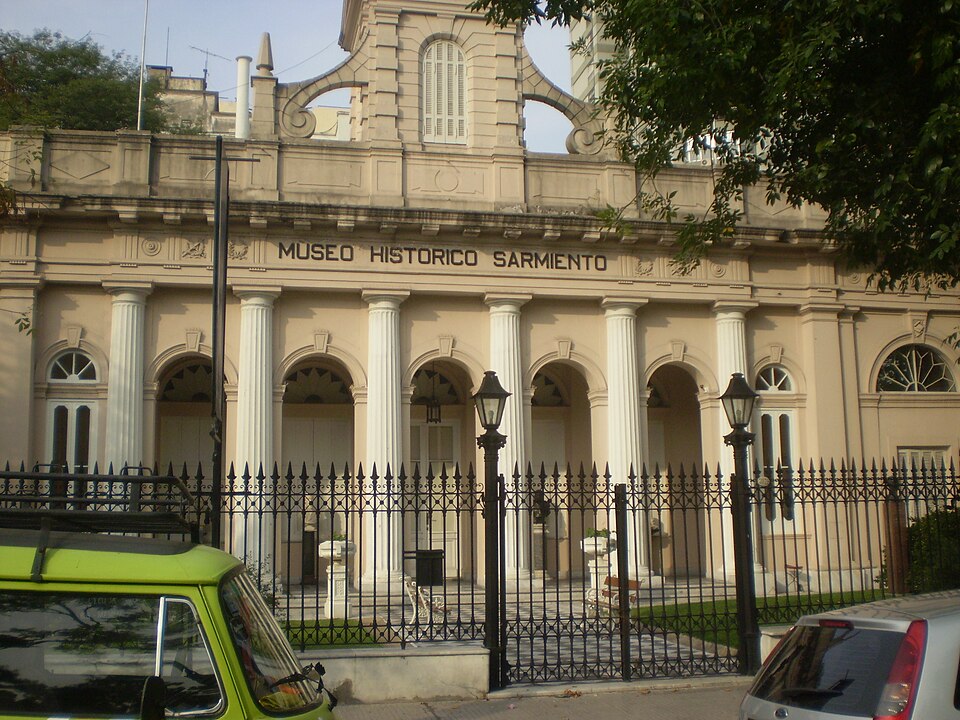
Photography policies at the Sarmiento Historical Museum are Not recorded pending review. Visitors should observe posted regulations or inquire with staff upon arrival before capturing images, as Argentine museums frequently impose restrictions to protect documentary materials and artifacts from flash degradation and to respect intellectual property considerations. Even where photography is permitted, tripods, selfie sticks, and supplementary lighting equipment may be prohibited due to space constraints and conservation protocols. Visitors should be prepared to store cameras and mobile devices if required, and should never photograph other visitors without consent regardless of institutional policy. Commercial or publication-oriented photography typically requires advance written authorization at heritage institutions.
Checked 2026-08-26
Yes, the museum is situated in Belgrano and occupies the former municipal building of what was once an independent town before incorporation into Buenos Aires.
Yes, according to the ranking note, the building briefly housed the national government in addition to its municipal function.
No, operator-confirmed hours are Not recorded pending review. Visitors should verify current schedules before traveling.
Operator-confirmed prices are Not recorded pending review. Direct verification with official sources is necessary before visiting.
The museum interprets Domingo Faustino Sarmiento, Argentine president from 1868 to 1874, educator, and writer.
Photography policies are Not recorded pending review. Visitors should check posted regulations or ask staff upon arrival.
Loading the interactive map…
The interactive map could not be loaded.

Last updated:
Source: OpenStreetMap contributors, Wikidata ·