

7 min walk
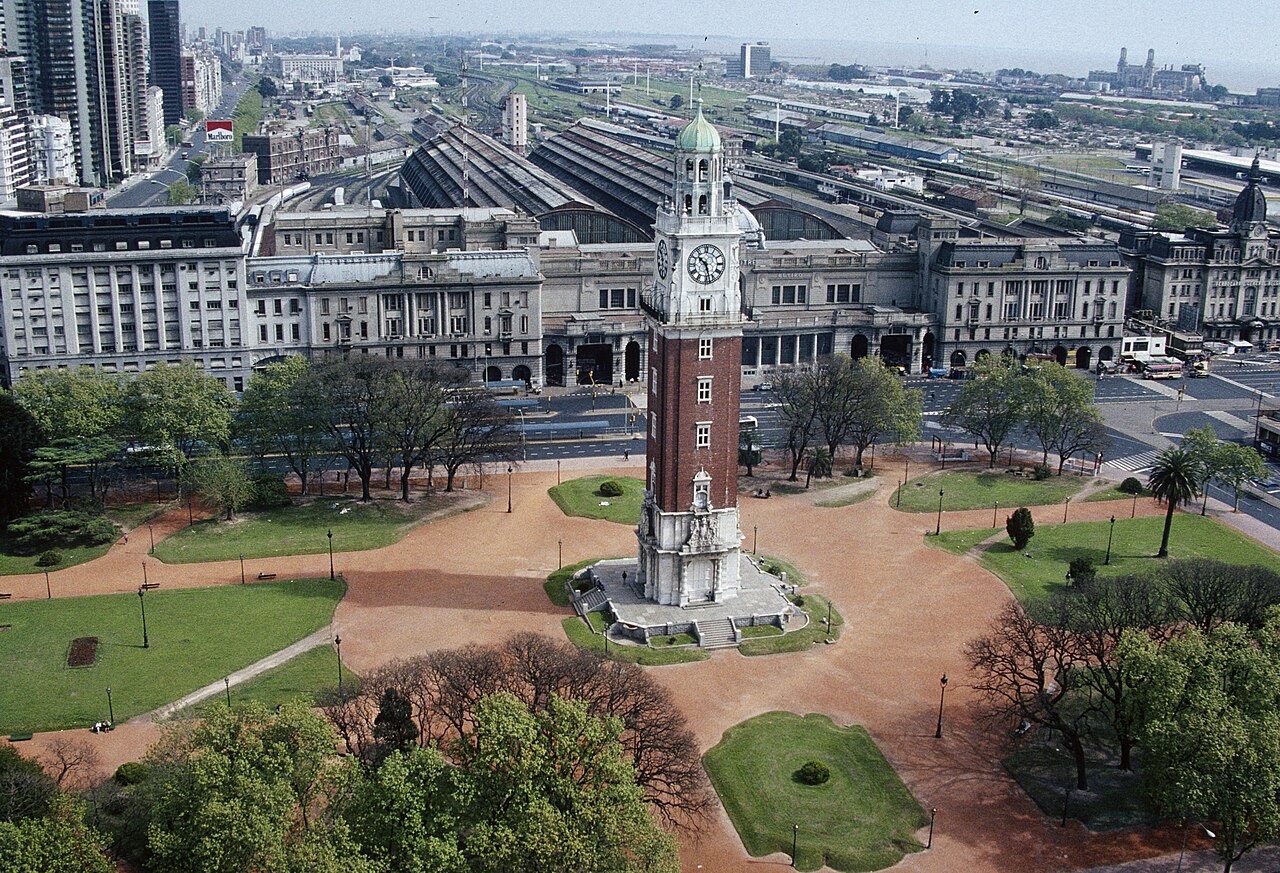
Torre Monumental
- Must see
- Historic monument
Language · 11 published
Museum · Buenos Aires
Museo de la Inmigración

| Monday | Closed |
|---|---|
| Tuesday | 12:00 – 18:00 |
| Wednesday | 12:00 – 18:00 |
| Thursday | 12:00 – 18:00 |
| Friday | 12:00 – 18:00 |
| Saturday | 12:00 – 18:00 |
| Sunday | 12:00 – 18:00 |
Parsed from OpenStreetMap opening hours on 2026-08-26.
The Immigration Museum occupies the former Hotel de Inmigrantes, a historic building constructed to receive and process the millions of immigrants who arrived in Argentina between the late 19th and early 20th centuries. Located in the docklands area near the port of Buenos Aires, this building served as temporary accommodation for newcomers before they dispersed into the city and across the country. The structure itself stands as physical testimony to the enormous scale of European migration that fundamentally transformed Argentine society, culture, and demographics during this transformative period.
Checked 2026-08-26
The museum presents exhibitions documenting the immigrant experience, including photographs, personal testimonies, and historical records of those who passed through this processing centre. Visitors can explore spaces that recreate the conditions and procedures endured by arrivals, from medical inspections to registration processes. The collections preserve the diverse national origins of immigrants, primarily Italians and Spaniards, who constituted the majority of newcomers. Displays also examine the broader social and economic impacts of this demographic shift on Buenos Aires urban development and Argentine national identity formation.
Checked 2026-08-26
A thorough visit to the Immigration Museum typically requires between one and two hours, depending on individual reading pace and interest in documentary materials. The building's architectural significance warrants additional time for those wishing to appreciate its functional design as an immigrant processing facility. Visitors with personal family connections to Argentine immigration history may find themselves spending extended periods examining records or reflecting on the exhibited testimonies. The compact nature of the museum allows for efficient viewing without rushing through the historical narrative presented.
Checked 2026-08-26
Visitors should consult official sources before planning their trip to ensure the museum will be open upon arrival. The museum's location in the Puerto Madero docklands district means that surrounding area conditions vary considerably between weekdays and weekends, with business and tourism traffic following different patterns. Weather considerations are relevant given the exposed waterfront position, particularly during Buenos Aires summer heat or winter dampness. Advance verification remains essential for all scheduling decisions. Check the operator's own site for the travel date before relying on a schedule or fare.
Checked 2026-08-26
Visitors must seek current admission information through official channels prior to visiting. The museum may operate under municipal or national cultural institution frameworks, potentially affecting fee structures and available concessions. Some Argentine museums offer free entry on specific days or to particular demographic groups, though such policies require direct confirmation. International visitors should not assume pricing parity with other Buenos Aires cultural institutions. Budget planning demands prior research rather than estimation. Immigration Museum also earns time in a buenos aires itinerary because The former Immigrants Hotel gives essential context to the mass migration that shaped modern Buenos Aires. Its value becomes clearer when the stop is compared with the surrounding streets and the other ranked places nearby. Check the operator's own site for the travel date before relying on a schedule or fare.
Checked 2026-08-26
The museum sits in the Puerto Madero neighbourhood, the redeveloped docklands district east of Buenos Aires central business district. This waterfront area is accessible by multiple transport modes, though specific route planning depends on visitor origin points throughout the metropolitan area. Puerto Madero's pedestrian-friendly design and distinctive modern architecture make it identifiable, though the museum's specific location among converted port buildings requires attention to street navigation. The surrounding district contains numerous dining and leisure options, permitting combined itinerary planning for visitors making the journey.
Checked 2026-08-26
The Puerto Madero district experiences variable pedestrian activity levels, with some areas becoming quiet outside business hours and peak tourism periods. Visitors should maintain standard urban awareness, particularly when accessing less trafficked sections of the docklands. The museum's historical subject matter includes potentially distressing content regarding the hardships and discrimination faced by immigrants during processing. Physical accessibility within the historic building may present challenges not encountered in purpose-built modern museums. Nearby water features and working port elements require appropriate caution, particularly for visitors with young children.
Checked 2026-08-26
Photography policies at the Immigration Museum are Not recorded pending review. Visitors should observe posted signage and staff instructions upon entry regarding permitted image capture. Many Argentine cultural institutions restrict flash photography and commercial filming while permitting personal non-flash documentation. The museum's interior spaces, containing historical documents and recreated environments, may have specific protections against light damage or reproduction. Respect for depicted individuals and families in photographic archives should guide visitor behaviour regardless of formal policy. When uncertain, direct inquiry to museum personnel represents appropriate practice.
Checked 2026-08-26
Yes, the museum occupies the former Hotel de Inmigrantes, the actual facility constructed to receive and temporarily house immigrants arriving at the port of Buenos Aires.
Specific record holdings and research access policies are Not recorded pending review; visitors with family history interests should contact the museum directly.
English-language tour availability is Not recorded pending review; visitors should inquire with the museum regarding language options for guided or audio experiences.
Yes, the location within the redeveloped docklands district permits walking access to waterfront parks, architectural landmarks, and dining options in the surrounding area.
Accessibility features in this historic structure are Not recorded pending review; visitors with mobility requirements should verify conditions before visiting.
The scope of exhibitions beyond the historical mass migration period is Not recorded pending review; the primary focus documented relates to the late 19th and early 20th century European immigration wave.
Loading the interactive map…
The interactive map could not be loaded.
Last updated:
Source: OpenStreetMap contributors, Wikidata ·