
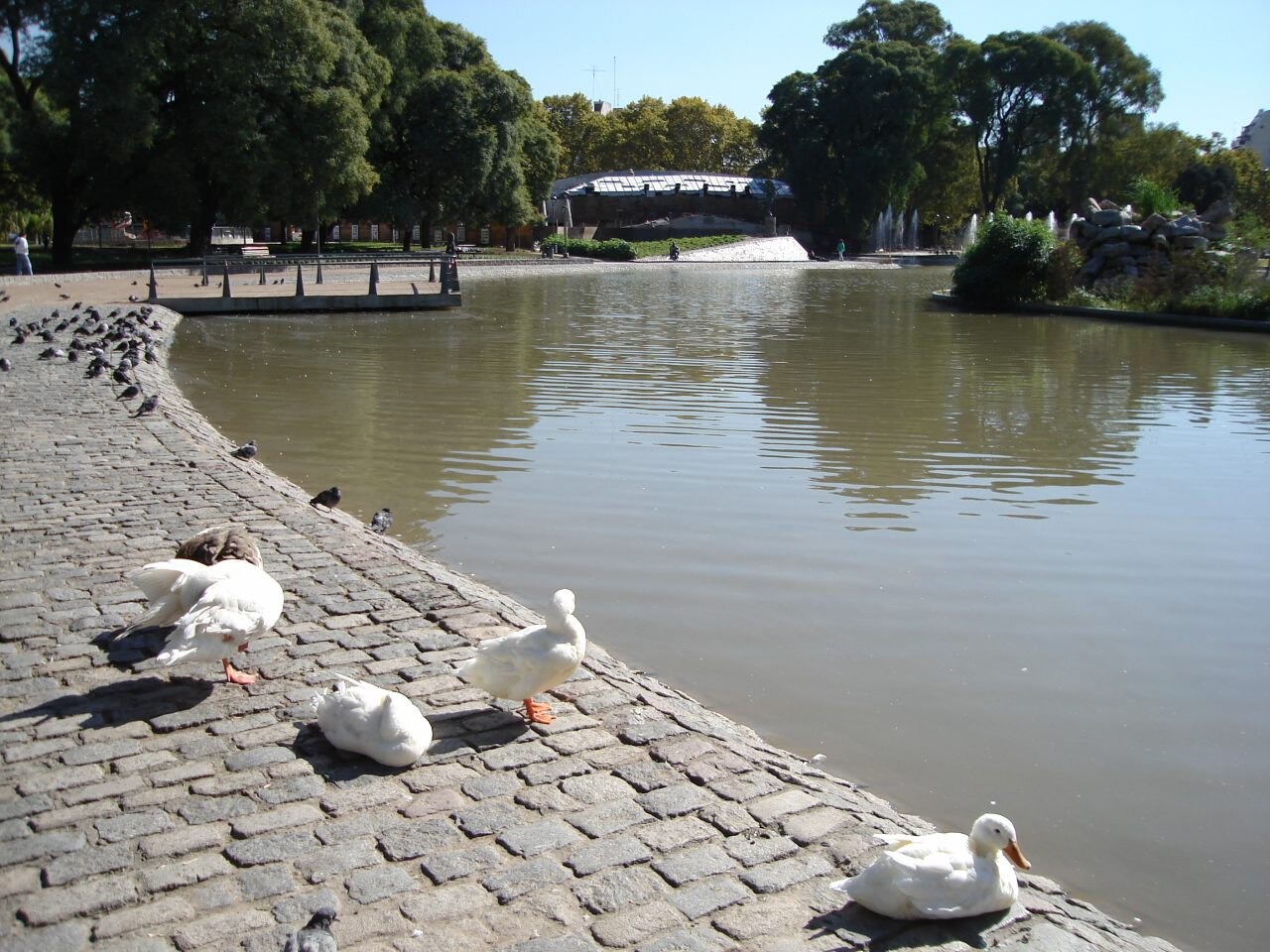
3 min walk
Parque Centenario
- High
- Nature site
Language · 11 published
Museum · Buenos Aires
Museo Argentino de Ciencias Naturales Bernardino Rivadavia
Closed today, Monday. Next open Tuesday at 14:00 — the planner will not place a stop here on a Monday.
Plan around it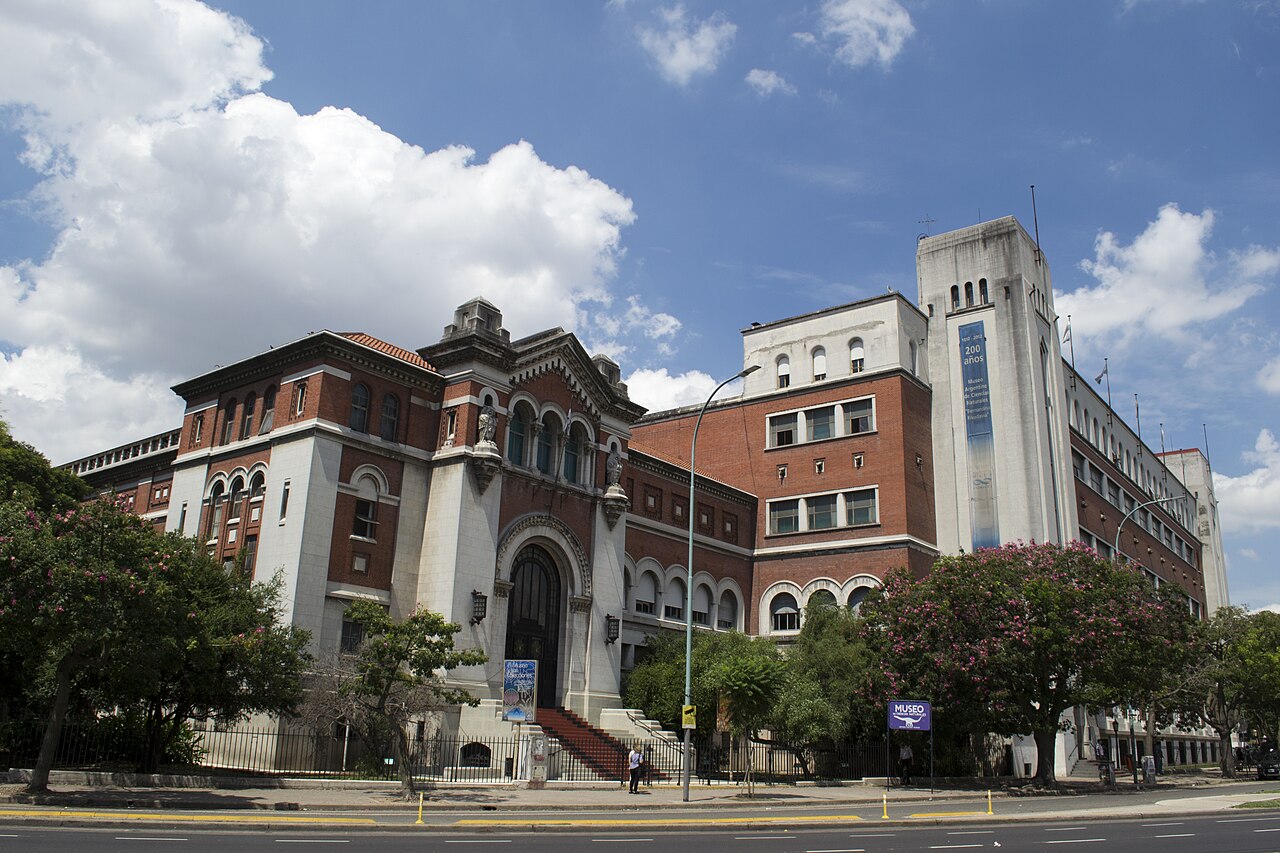
| Monday | Closed |
|---|---|
| Tuesday | 14:00 – 19:00 |
| Wednesday | 14:00 – 19:00 |
| Thursday | 14:00 – 19:00 |
| Friday | 14:00 – 19:00 |
| Saturday | 14:00 – 19:00 |
| Sunday | 14:00 – 19:00 |
Parsed from OpenStreetMap opening hours on 2026-08-26.
Bernardino Rivadavia Natural Sciences Museum, locally called Museo Argentino de Ciencias Naturales Bernardino Rivadavia, is Buenos Aires’ major natural-history museum. The visit is centered on Argentina’s fossils, dinosaurs, geological history and biodiversity. Its scientific identity gives the museum a different atmosphere from the city’s art museums: displays connect visible specimens with the long natural history of Argentina and the wider region. The institution is named after Bernardino Rivadavia and operates within Argentina’s scientific environment. For travelers, it is a strong choice when prehistoric life, evolution and native wildlife are more appealing than paintings or architecture. The museum also works well as a focused Palermo-area cultural stop, especially for families and visitors who enjoy learning through physical specimens.
Checked 2026-08-26 · Source
The collection is especially strong in dinosaur paleontology and Argentine biodiversity. Visitors can expect fossil specimens, skeletal displays and natural-history material that explain how landscapes and living systems changed over time. Geological, paleontological and biological objects create a broad sequence from deep time to present-day ecosystems. Argentine territory is central to the museum’s character, so the displays help place famous prehistoric discoveries within the country’s own landscapes. Allow time to compare the scale and form of different fossils rather than moving straight through the rooms. The biodiversity material adds balance to the dinosaur focus, linking extinct animals with the plants, animals and environments that make Argentina ecologically varied. The experience is most rewarding for travelers who enjoy close observation and explanatory displays.
Checked 2026-08-26 · Source
Plan roughly one and a half to two hours for a purposeful first visit. A shorter circuit can work if dinosaurs are your main interest, while visitors who read labels carefully and spend time with biodiversity displays will need longer. Children may move quickly between large specimens, then pause at the objects that catch their attention. Adults interested in paleontology, geology or evolution can make the visit more analytical by comparing skeletons, fossils and environmental evidence. A flexible pace is useful because the museum combines several branches of natural history rather than presenting one single collection. If it is one stop in a larger Buenos Aires day, reserve enough time to finish the main dinosaur and biodiversity displays without rushing.
Checked 2026-08-26 · Source
The museum is an indoor destination, making it a practical choice during hot, humid or rainy Buenos Aires weather. A weekday visit can provide a calmer setting for reading labels and examining smaller specimens. Weekends and school-holiday periods may feel livelier, especially around the most recognizable dinosaur displays. Morning or early afternoon suits travelers who want to combine the museum with other cultural stops. Build the visit around the actual day’s schedule rather than a fixed itinerary assumption. The indoor setting also makes this a useful contrast to outdoor sightseeing in Buenos Aires: you can spend time with fossils and wildlife displays without depending on sunshine. Children often benefit from visiting when they still have energy for the explanatory sections.
Checked 2026-08-26 · Source
Treat the museum as a specialist cultural attraction whose admission arrangements belong in the practical planning for the day. The visit itself is built around the permanent natural-history collections, with dinosaurs and biodiversity forming the main reason to enter. Keep any admission decision separate from the museum’s educational value: the collection offers a substantial experience even when you are choosing between several Buenos Aires museums. For a family, the dinosaur displays provide an immediate focus; for an adult traveler, the geological and biological breadth adds depth. Carry your travel plan with enough flexibility to accommodate the museum as a complete stop rather than a very brief photo opportunity. The known attraction is the collection, not a particular ticket category or extra service.
Checked 2026-08-26 · Source
The museum is in Buenos Aires and can be incorporated into a city day using the capital’s urban transport network. For the final approach, use the OSM location linked to this guide and follow a current map from your starting point. A taxi or ride-hailing vehicle is convenient when traveling with children or when the weather is uncomfortable. Public transport is useful for travelers already moving through Buenos Aires, while walking works best from nearby points rather than from distant neighborhoods. Leave a little orientation time for the final streets, then plan to enter with the museum’s dinosaur and biodiversity collections as the clear destination. The location suits a neighborhood-based day better than a tightly timed cross-city sequence.
Checked 2026-08-26 · Source
The museum rewards patience with labels and specimen details, so a rushed visit can miss much of its scientific value. Large dinosaur displays draw attention first, but the geological and biodiversity material broadens the experience. Spanish may be the main language of interpretation, which can make a translation tool useful for travelers who do not read Spanish. Wear comfortable shoes for standing and moving through exhibition rooms. Keep children close around displays and respect barriers protecting specimens. Buenos Aires weather can change the comfort of the journey even though the galleries are indoors, so plan the route with heat, humidity or rain in mind. The museum works best when treated as an educational visit rather than only a dinosaur photograph stop.
Checked 2026-08-26 · Source
The museum’s most natural photographic subjects are its fossils, dinosaur skeletons and biodiversity displays. Frame specimens together with their surrounding exhibition context so the image records the scale and scientific setting, not only an isolated bone. Keep your camera or phone clear of barriers and avoid blocking narrow viewing areas while other visitors move through the rooms. Flash, tripods and filming may be treated differently from ordinary personal photographs, so follow signs and staff directions inside the galleries. Children can enjoy taking detail photographs of shapes, teeth or textures, turning the visit into an observation activity. The strongest memories usually come from combining photographs with the explanations that identify each specimen and its place in natural history.
Checked 2026-08-26 · Source
It is best known for dinosaur paleontology and natural-history collections documenting Argentina’s biodiversity.
Children can see dinosaur fossils, skeletal displays and specimens connected with Argentina’s wildlife and natural environments.
The collection covers geology, paleontology, biology, fossils, dinosaurs and national biodiversity.
Yes. Its focus is scientific natural history, with fossils, dinosaurs and biodiversity rather than fine-art collections.
Its local name is Museo Argentino de Ciencias Naturales Bernardino Rivadavia.
The museum is named after Bernardino Rivadavia, an important figure in Argentine history.
Loading the interactive map…
The interactive map could not be loaded.
Last updated:
Source: OpenStreetMap contributors, Wikidata ·