
1 min walk
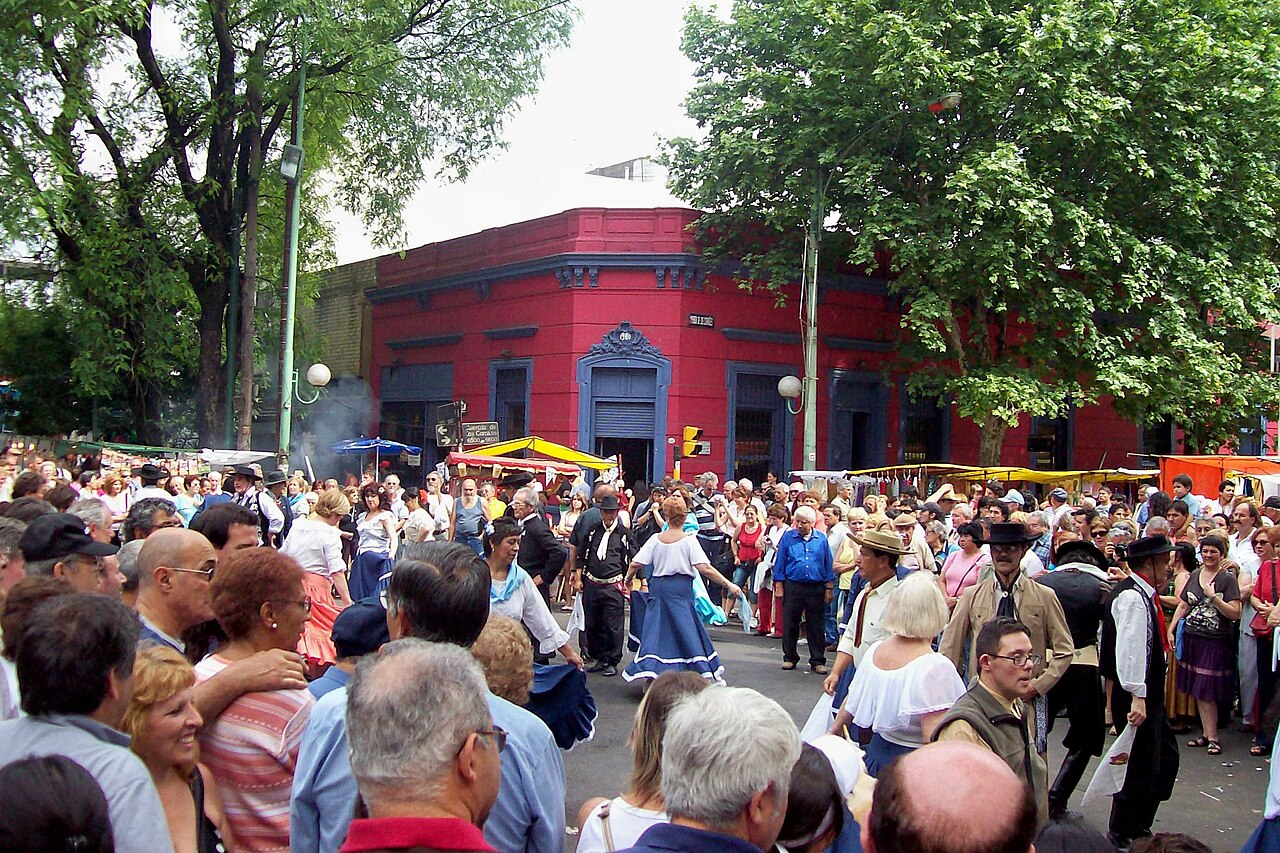
Feria de Mataderos
- High
- Historic monument
Language · 11 published
Museum · Buenos Aires

Los Corrales Criollo Museum, also known locally as Museo Criollo de los Corrales, is a Buenos Aires heritage museum devoted to rural traditions, livestock culture, and the market history of its neighbourhood. Its role is closely tied to the surrounding fairground: the museum gives the market setting historical depth by showing how pastoral life, agricultural work, and urban commerce shaped one another. Choose it for a focused look at a less conventional side of the city’s cultural history. Los Corrales Criollo Museum, known locally as Museo Criollo de los Corrales, is a heritage museum located in Buenos Aires. It interprets rural traditions, livestock culture, and the market history of its surrounding area. The museum serves as a cultural complement to the fairground where it is situated, offering visitors historical depth and context about the region's pastoral and commercial past. Its focus on criollo traditions distinguishes it within the city's museum landscape. Parental discretion advised based on child engagement with historical exhibits.
Checked 2026-08-26 · Source
The displays centre on rural traditions, livestock heritage, farming equipment, cattle culture, and the development of local market life. Rather than presenting rural history in isolation, the museum links agricultural practices with the commercial environment that grew around the fairground. That connection is the key to the visit: the objects and interpretation help explain how pastoral work and market exchange contributed to the identity of this Buenos Aires area. Pair the interior displays with the surrounding fairground for the fullest context. The museum presents exhibitions centered on rural traditions and livestock heritage. Displays interpret the historical relationship between agricultural practices and the development of the local market area.
Checked 2026-08-26 · Source
Allow about forty-five minutes to one hour for the museum itself, depending on how closely you read the exhibition material. The compact visit fits easily into a wider exploration of the fairground and market district. Add extra time when you want to connect the displays with the surrounding setting, or when interactive elements and extended interpretive text hold your attention. The museum works well as a concentrated cultural stop within a broader neighbourhood outing.
Checked 2026-08-26 · Source
The museum is most useful when combined with time around the fairground and market district, since the surrounding setting supplies context for its rural and commercial themes. Seasonal weather in Buenos Aires affects comfort during outdoor movement between the museum and nearby areas: summer can feel hot, while winter may be damp. Plan the museum as a compact indoor stop within a neighbourhood visit, leaving enough flexibility to continue through the fairground after seeing the displays.
Checked 2026-08-26 · Source
Treat the museum as a short cultural stop whose value comes from its interpretation of rural traditions, livestock, and market history, rather than from a ticketed blockbuster experience. Any transport cost is separate from the museum visit. The surrounding fairground is part of the wider outing, but it does not turn the museum’s admission arrangements into a different kind of attraction.
Checked 2026-08-26 · Source
Reach the museum within Buenos Aires using buses, the subway system, taxis, or ride services. Its setting inside the fairground and market district gives you a useful local landmark once you are in the neighbourhood. The exact pedestrian approach depends on which part of the district you enter, so expect the final stage to be on foot. Combining the museum with the fairground makes the journey feel purposeful and turns a small museum visit into a broader area walk.
Checked 2026-08-26 · Source
The fairground and market surroundings can be busy, with crowds, uneven surfaces, and changing outdoor conditions. Keep personal belongings close while moving through public areas. The museum is compact, so visitors with mobility needs should be prepared for a smaller heritage setting rather than a large modern gallery. Weather protection may matter when walking or waiting outdoors. Inside, give the historical displays enough attention to understand the connection between rural work, livestock culture, and the market district around you.
Checked 2026-08-26 · Source
The museum’s themes provide photographic subjects in rural traditions, livestock heritage, farming equipment, and the relationship between the displays and the surrounding fairground. Keep photography unobtrusive in the compact interior, and follow any signs or staff directions. Outside, the market setting adds broader context through paths, stalls, and the visual relationship between urban Buenos Aires and its pastoral history. A short lens or phone is practical for moving through the small museum and busy surrounding area.
Checked 2026-08-26 · Source
It explores rural traditions, livestock culture, farming practices, and the market history of the Buenos Aires neighbourhood around its fairground.
The displays cover farming equipment, cattle culture, rural traditions, agricultural practices, and the development of local market life.
Allow approximately forty-five minutes to one hour for the museum, with extra time for the adjacent fairground and market district.
The fairground provides the setting that the museum interprets, linking rural traditions, livestock, agricultural work, and urban market history.
No. It is a compact heritage museum suited to a short visit within a wider walk through the fairground and market district.
It suits visitors interested in rural heritage, livestock culture, farming history, local markets, and the links between countryside and city life.
Loading the interactive map…
The interactive map could not be loaded.
Last updated:
Source: OpenStreetMap contributors, Wikidata ·