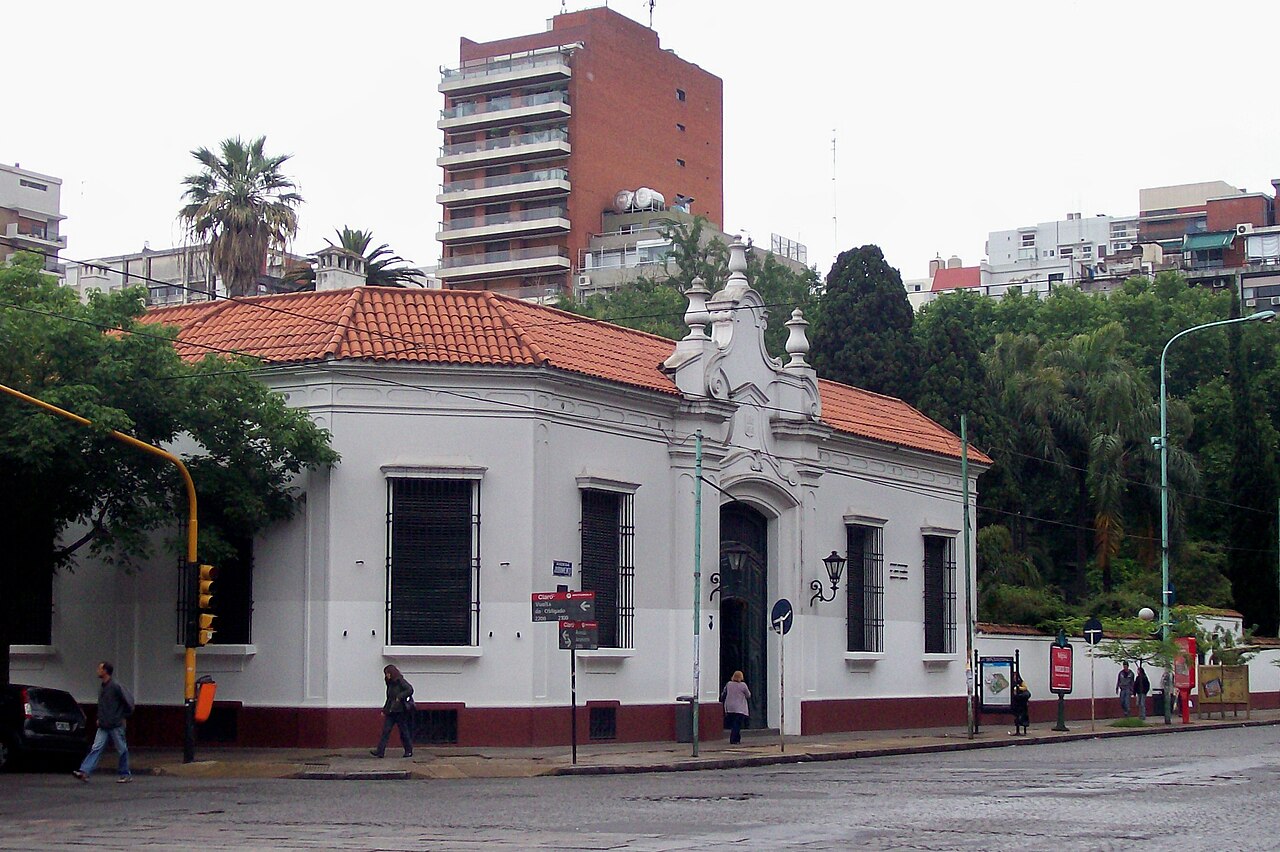
Museo Malvinas e Islas del Atlántico Sur is a national museum in Buenos Aires devoted to the geography, history, and contested memory of the South Atlantic islands known in Argentina as the Malvinas and in the United Kingdom as the Falkland Islands. Its galleries connect the islands’ natural setting with Argentina’s sovereignty claim and the 1982 armed conflict. Visit it for an explicitly Argentine perspective on a subject that combines national identity, military history, personal memory, and an unresolved territorial dispute. The Museo Malvinas e Islas del Atlántico Sur is a national museum in Buenos Aires dedicated to the history, geography and contested memory of the South Atlantic islands known in Argentina as the Malvinas and in the United Kingdom as the Falkland Islands. Established by the Argentine government, the museum occupies a prominent position within the cultural landscape of the capital. Its institutional mandate centres on preserving and presenting materials related to the islands' sovereignty dispute and the 1982 armed conflict. The museum's official website and primary exhibition materials appear oriented toward Spanish-speaking visitors, reflecting its role as an Argentine national institution.
The museum brings together displays about the islands’ geography, history, and human presence. Expect maps, photographs, historical documents, veterans’ personal effects, and material connected with the 1982 conflict. Exhibits also address the islands’ natural environment and the political dimensions of the sovereignty dispute. Educational displays and temporary exhibitions complement the permanent presentation. Because the institution is a national museum with an official memory role, the galleries are best read as a presentation of Argentina’s position, not as a detached overview of every side. The museum presents exhibitions covering the geography, history and human presence of the South Atlantic islands. Collections include historical documents, photographs, maps, personal effects from veterans and items related to the 1982 conflict.
Allow roughly one to two hours for a complete museum visit. That gives you time to move through the historical displays, study maps and photographs, and pause over veterans’ objects and the conflict-related material. Visitors with a strong interest in sovereignty, military history, or memory culture may stay longer. The museum suits a single morning or afternoon stop and can fit comfortably alongside other Buenos Aires plans because the experience is concentrated in indoor exhibition spaces.
The indoor galleries make this a flexible Buenos Aires visit across the seasons, including hot summer days and cooler winter weather. Choose a time when you can read carefully rather than rushing through politically and emotionally weighty material. The museum is especially useful on a day when you want historical context and shelter from the weather. Its specialised subject makes the visit feel different from a general art museum: set aside attention for the islands’ geography, the war, and the personal stories represented in the displays.
The museum is a national cultural institution, and its visit is centred on the permanent and temporary exhibitions inside. Any travel cost to reach the museum is separate from admission. The galleries themselves are the reason to include this stop in a Buenos Aires cultural itinerary.
Reach the museum within Buenos Aires using the city’s bus network, underground metro, taxi, or ride-hailing services. The supplied location identifies the museum in the capital but does not provide a street address or a named nearest station, so the final approach depends on your starting point and route choice. Public transport is the natural citywide option; taxis and ride services simplify the journey when you are carrying luggage or travelling at a less convenient time.
The museum presents an explicitly Argentine interpretation of a contested sovereignty dispute and the 1982 war. Expect political claims, military history, casualty-related material, and veterans’ experiences rather than a neutral gallery of general-interest objects. The subject can be emotionally difficult, particularly for visitors with personal or family connections to the conflict. Give yourself time to absorb the exhibits and treat the displays and personal effects with the seriousness appropriate to their subject.
The museum’s strongest photographic subjects are its maps, archival photographs, historical documents, and veterans’ personal effects. These displays benefit from quiet, careful framing rather than hurried snapshots. Follow the museum’s posted rules inside the galleries, and be especially considerate around personal or conflict-related material. Flash, tripods, filming, or commercial use may be treated differently from ordinary personal photography, so keep your equipment unobtrusive and follow staff guidance while documenting the visit.
What does Museo Malvinas e Islas del Atlántico Sur focus on?
It focuses on the islands’ geography, history, Argentina’s sovereignty claim, and the memory of the 1982 armed conflict.
What can I see in the museum?
Displays include maps, photographs, historical documents, veterans’ personal effects, and material about the islands’ natural environment and the 1982 conflict.
How long should I allow for the museum?
Allow approximately one to two hours, with extra time if you want to study the maps, documents, and conflict-related displays in detail.
Does the museum present a neutral account of the dispute?
No. It is an Argentine national museum and presents the sovereignty dispute and war through an explicitly Argentine institutional perspective.
Is this a suitable museum for children?
The museum includes political, military, casualty-related, and emotionally difficult material, so suitability depends on the child’s age and ability to engage with that subject.
What kind of visit is this museum best for?
It suits travellers interested in Argentine national memory, sovereignty disputes, military history, geography, and veterans’ experiences.
Nothing non-essential is set before you choose, in regions where consent is required. If you decline, ads still appear but they are non-personalised, and analytics is switched off entirely.