

2 min walk
Silvina Ocampo
- High
- Historic monument
Language · 11 published
Place of worship · Buenos Aires
Basílica de Nuestra Señora del Pilar
Reviewed by Elena Voss · SSMTour Travel Editor

This place is a Place of worship. It was established in 1732. It was designed by Giovanni Andrea Bianchi. It carries the National Historical Monument of Argentina heritage designation.
The Basilica of Our Lady of the Pillar, or Basílica Nuestra Señora del Pilar, is a preserved colonial church in Buenos Aires’ Recoleta neighbourhood. It stands beside Recoleta Cemetery and the former convent, forming one of the district’s most concentrated historic settings. Treat the basilica as both a religious building and a short architectural stop: its colonial fabric connects the present-day city with Buenos Aires’ Spanish heritage. The church remains an active place of worship, so the atmosphere combines everyday religious life with the experience of visiting a historic landmark. Its position makes it easy to include with Recoleta Cemetery and a walk through the surrounding streets.
Checked 2026-08-26 · Source
Inside, focus on the colonial-era religious art, the main altar and the devotional spaces that continue to serve the Catholic community. Architectural details associated with Spanish colonial design give the compact interior its character. The basilica is most rewarding when visited attentively rather than rushed past: pause to take in the preserved structure, decorative features and quiet contrast with the busy Recoleta streets outside. Because it is an active religious site, worship remains part of the interior experience. A visit can therefore be both cultural and contemplative, with the building’s current purpose still visible alongside its historical character.
Checked 2026-08-26 · Source
Allow roughly thirty minutes to one hour for the basilica itself. That gives enough time to examine the colonial architecture, view the altar and devotional areas, and absorb the atmosphere without turning the stop into a hurried photograph. Add substantially more time if you are attending a service or want a period of quiet reflection. The most natural plan is to pair the church with Recoleta Cemetery, which stands immediately beside it, then continue on foot through Recoleta. The basilica works well as a focused stop within a longer district itinerary rather than as an all-day destination.
Checked 2026-08-26 · Source
Plan the visit around the fact that the basilica is an active church. Religious services can shape the experience and may affect how freely visitors move through the interior. Morning and late afternoon are useful periods for seeing the exterior in softer light, while the surrounding Recoleta streets are well suited to a walking itinerary in different seasons. If the church is busy with worship, keep the visit brief and quiet, then return to the exterior or continue to the cemetery. The basilica’s setting beside major Recoleta landmarks makes it practical to combine with other nearby stops.
Checked 2026-08-26 · Source
For a simple visit, treat the basilica as a religious and heritage stop rather than a ticketed museum. Donations may be welcomed at religious sites, but a donation is separate from an entrance ticket. Special events, services or guided arrangements can create a different experience from ordinary sightseeing. The church’s main value is the preserved colonial interior and its relationship with Recoleta Cemetery, both of which make the visit worthwhile within a neighbourhood walk.
Checked 2026-08-26 · Source
The basilica is in Recoleta, directly beside the famous Recoleta Cemetery. Use the cemetery as the clearest arrival landmark, then continue to the church on foot. Buses and the Buenos Aires subway serve the established central neighbourhood, while taxis and ride-hailing services provide direct city access. Walking is especially practical if you are staying in Recoleta or nearby Palermo, or if the basilica forms part of a sequence of local sights. Once in the district, its prominent historic setting makes orientation straightforward: look for the church next to the cemetery and former convent.
Checked 2026-08-26 · Source
Remember that this is still a functioning place of worship. Wear respectful clothing, keep voices low and give priority to people attending religious services. Covering shoulders and knees is a considerate choice. Follow any signs or staff directions concerning photography and movement inside. The historic building may include steps or uneven surfaces, so visitors with mobility concerns should take care when entering and moving through the site. Around Recoleta’s busy tourist landmarks, keep personal belongings close and remain aware in crowded streets. A calm, observant approach will make the visit more comfortable for both travelers and worshippers.
Checked 2026-08-26 · Source
The basilica’s exterior is particularly photogenic because the church, former convent and Recoleta Cemetery form a distinctive historic group. Photograph the façade and surrounding streets in the morning or late afternoon for gentler light and stronger architectural texture. Inside, let signs and staff directions determine whether photography is appropriate, and avoid flash so worshippers are not disturbed. Frame the building with its cemetery surroundings when you want to show the character of Recoleta rather than producing an isolated façade image. Drone use and tripod placement require care in this dense urban and religious setting.
Checked 2026-08-26 · Source
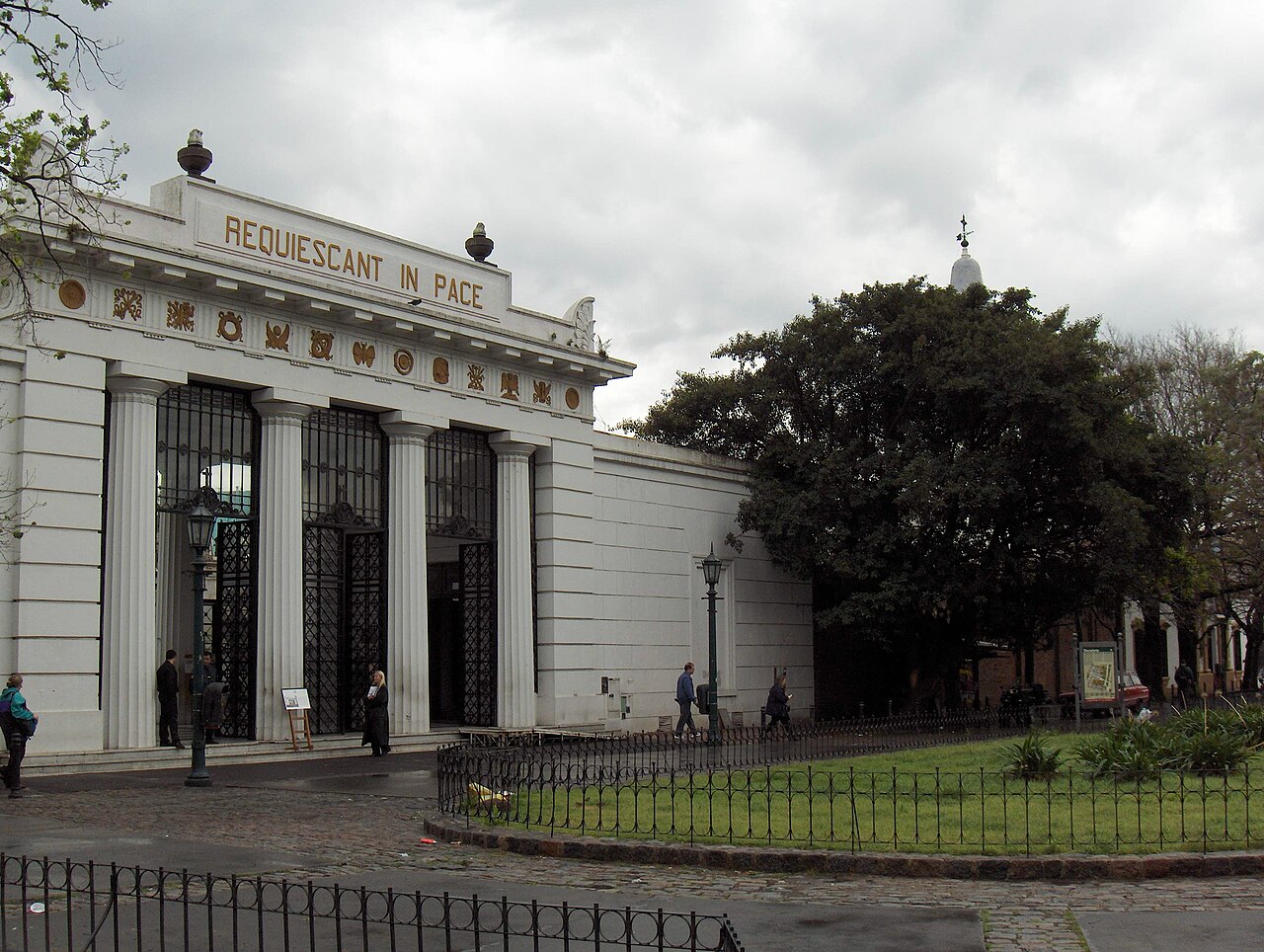
The basilica stands beside Recoleta Cemetery and a former convent, making the three buildings a natural historic walking group.
Allow about thirty minutes to one hour for the church, with extra time if you attend a service or prefer quiet reflection.
The interior includes colonial-era religious art, a main altar and devotional spaces within a preserved Spanish colonial architectural setting.
Travel to Recoleta by bus, subway, taxi or ride-hailing service, then use Recoleta Cemetery as the immediate walking landmark.
Yes. It remains an active Catholic place of worship, so visitors should keep quiet and give priority to services and worshippers.
Choose respectful clothing that covers the shoulders and knees, and follow the church’s directions while visiting the interior.
Loading the interactive map…
The interactive map could not be loaded.

Last updated:
Source: OpenStreetMap contributors, Wikidata ·