
_10.jpg)

_09.jpg)
_11.jpg)
_17.jpg)
_21.jpg)
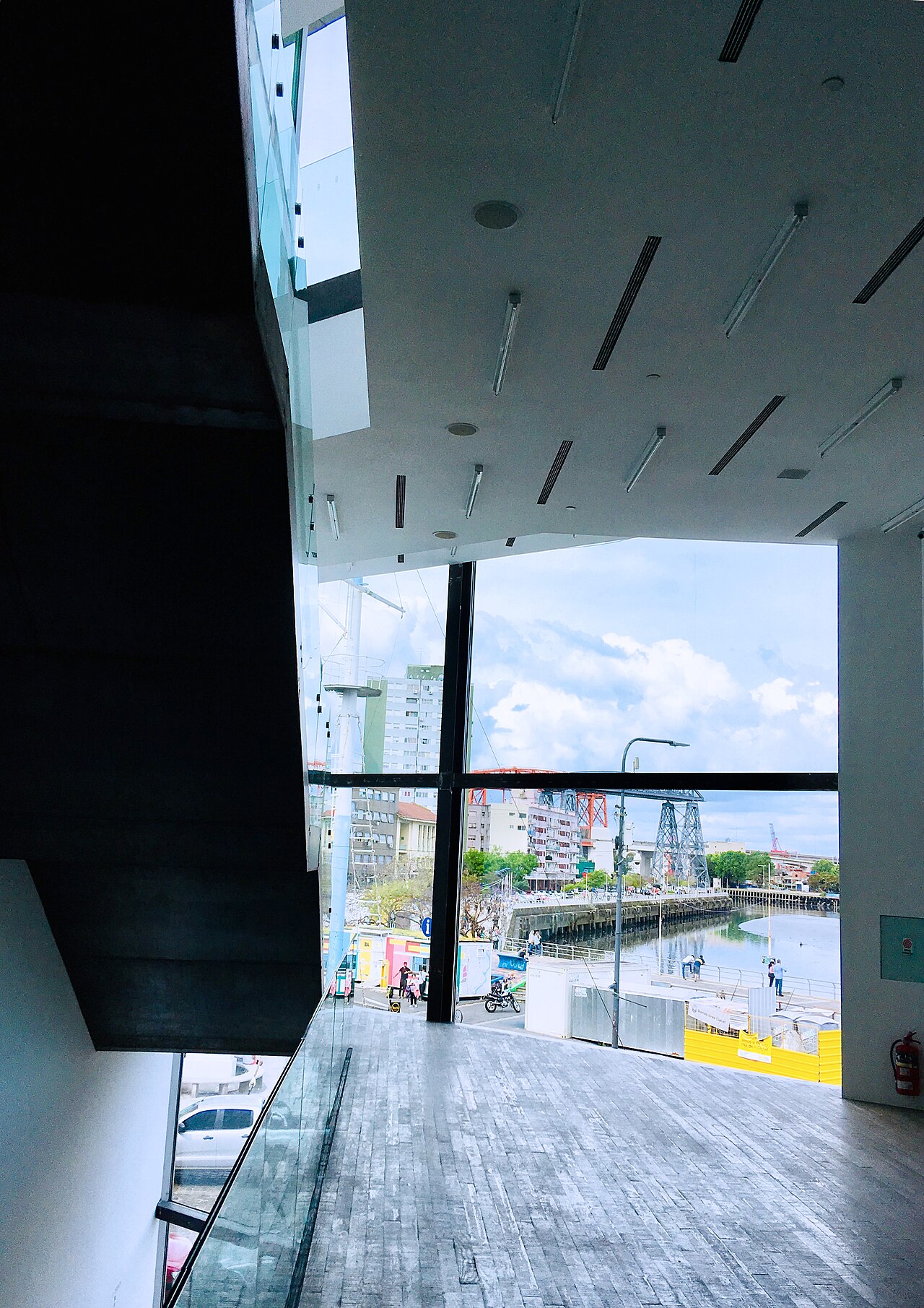
1 min walk
Fundacion Proa
- Must see
- Art and culture venue
Language · 11 published
Historic monument · Buenos Aires

Caminito is a short pedestrian street and open-air museum in the La Boca neighbourhood of Buenos Aires, Argentina. It occupies a roughly 100-metre stretch of cobblestones between Garibaldi and Lamadrid streets. The site developed from a railway right-of-way and became internationally recognised for its brightly painted corrugated-iron houses in the tradition of Italian immigrant dockworkers. The street functions as both a tourist destination and a working-class residential area, with artists maintaining studios and selling paintings directly to visitors.
Checked 2026-08-26
The street contains modest single-storey dwellings painted in vivid primary colours, many functioning as artists' studios and craft shops. Tango dancers perform for visitors in traditional costume, with opportunities for photographs alongside them. Small cafes and restaurants line portions of the walkway, serving Argentine and Italian-influenced dishes. Murals and wall paintings cover numerous surfaces. The Benito Quinquela Martín Museum, dedicated to the neighbourhood's most famous painter, stands nearby though is technically a separate establishment. Street vendors sell souvenirs, prints, and handmade goods.
Checked 2026-08-26
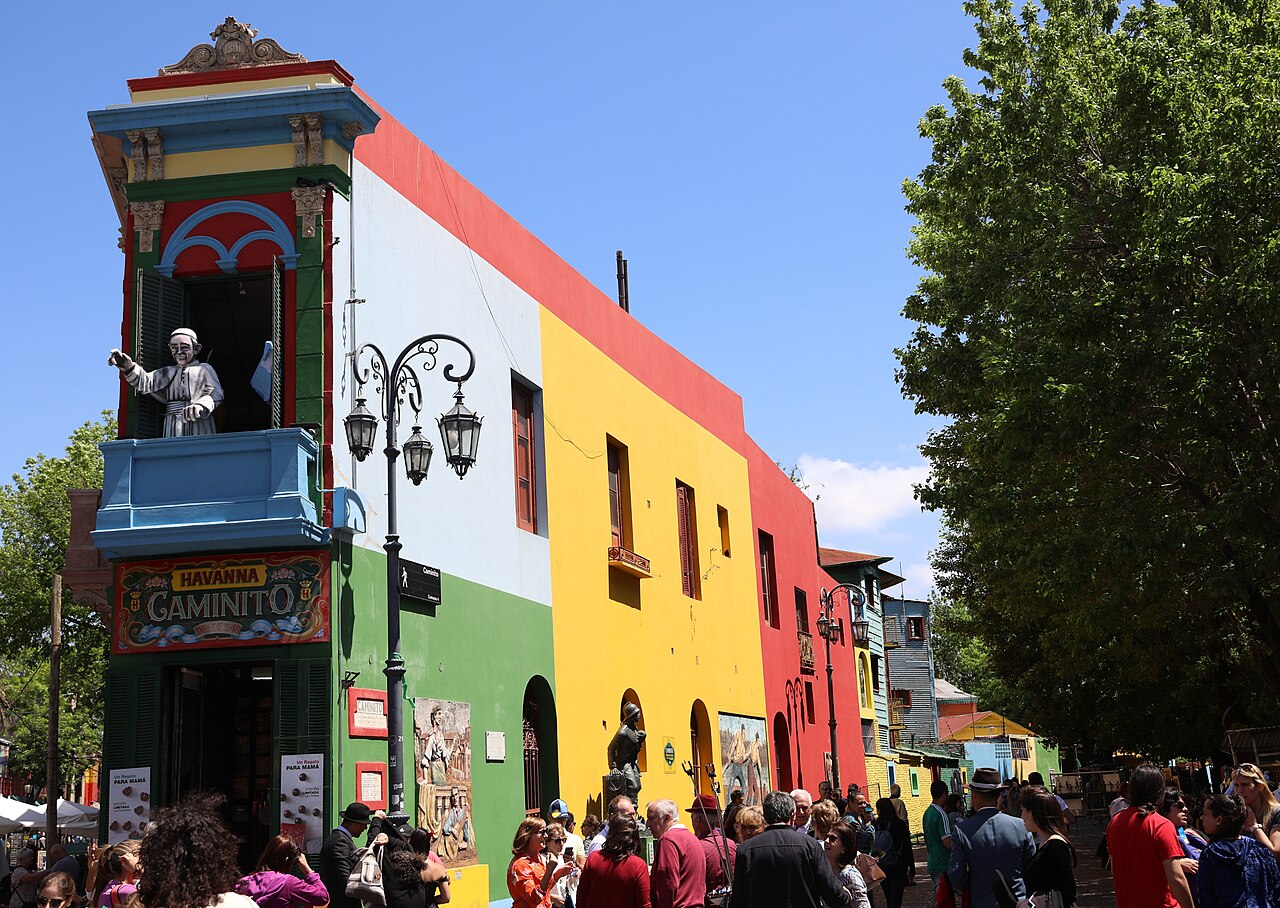
Most visitors spend between thirty minutes and two hours at Caminito, depending on interest in browsing artwork, watching performances, and dining. The physical walk itself requires only ten to fifteen minutes at a leisurely pace. Those intending to purchase paintings or engage with artists may extend their stay. Combining Caminito with exploration of broader La Boca neighbourhood, including the stadium and museum district, typically occupies a half-day. Morning visits allow more unhurried interaction before peak tourist concentrations arrive.
Checked 2026-08-26

Caminito operates as an open public street without controlled entry, though individual businesses maintain their own schedules. Operator-confirmed hours or prices are Not recorded pending review. Daylight hours offer optimal conditions for viewing the painted facades and photographing the street. Weekend crowds increase substantially, particularly when cruise ships dock. Weather considerations matter significantly: the exposed cobblestone street becomes unpleasant in rain, and summer humidity can be intense. Winter months bring milder temperatures though occasional rain. Caminito also earns time in a buenos aires itinerary because Frozen visitor rank established before production matching from the cited POI-specific source evidence. Exact production identity matched as Caminito (way/144844726); no nearby or lower-value substitute was used. Its value becomes clearer when the stop is compared with the surrounding streets and the other ranked places nearby.
Checked 2026-08-26

No admission fee exists for entering Caminito itself, as it remains a public thoroughfare. Operator-confirmed hours or prices are Not recorded pending review. Individual attractions, performances, and establishments set their own pricing. Tango photograph opportunities with costumed dancers typically involve negotiated tips or fixed fees paid directly to performers. Restaurant and cafe prices vary by establishment. Art purchases require direct negotiation with individual artists or shop proprietors. Cash transactions predominate, with Argentine pesos preferred though some vendors accept foreign currency.
Checked 2026-08-26
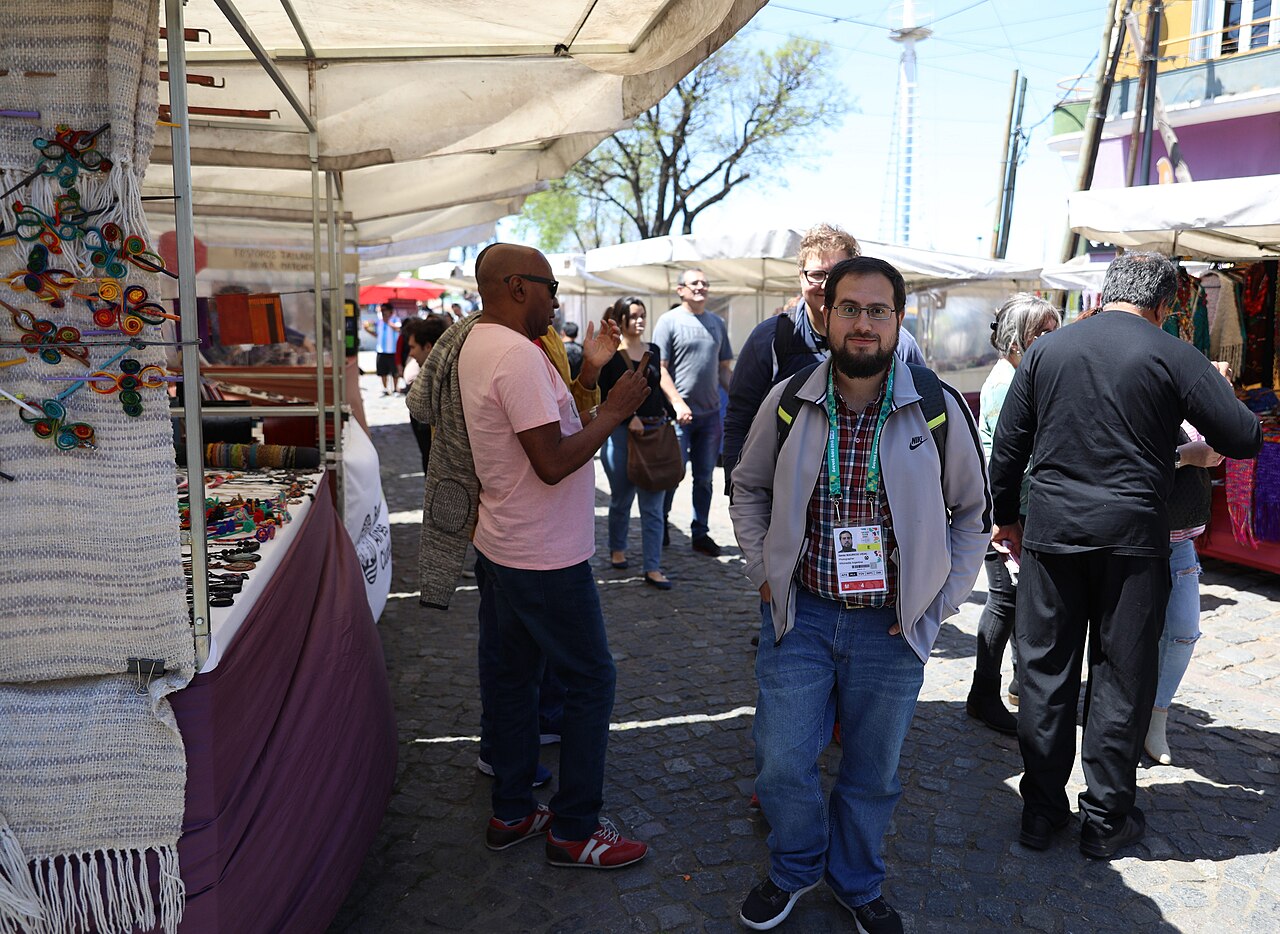
Caminito sits in La Boca, approximately four kilometres southeast of Buenos Aires city centre. The nearest metro station is Constitución on Line C, requiring additional bus or taxi connection. Multiple bus lines serve the La Boca area. Taxis and ride services provide direct access, though drivers may exercise caution regarding specific drop-off points. The neighbourhood's reputation for variable safety conditions influences transport choices. Walking from central districts is not recommended for visitors unfamiliar with local conditions. Organised tour buses constitute a common access method for international visitors.
Checked 2026-08-26

La Boca neighbourhood presents acknowledged safety considerations that visitors should weigh carefully. Staying within the immediate Caminito tourist zone, clearly demarcated by painted boundaries, represents standard cautious practice. Venturing into adjacent unpromoted streets, particularly after dark, carries elevated risk. Aggressive souvenir selling occurs; firm politeness suffices for disengagement. Tango photograph pricing should be confirmed before posing. Art purchases warrant careful inspection of claimed authenticity. Weather exposure is complete; sun protection and water matter. Cobblestones present trip hazards, particularly when wet or crowded.
Checked 2026-08-26
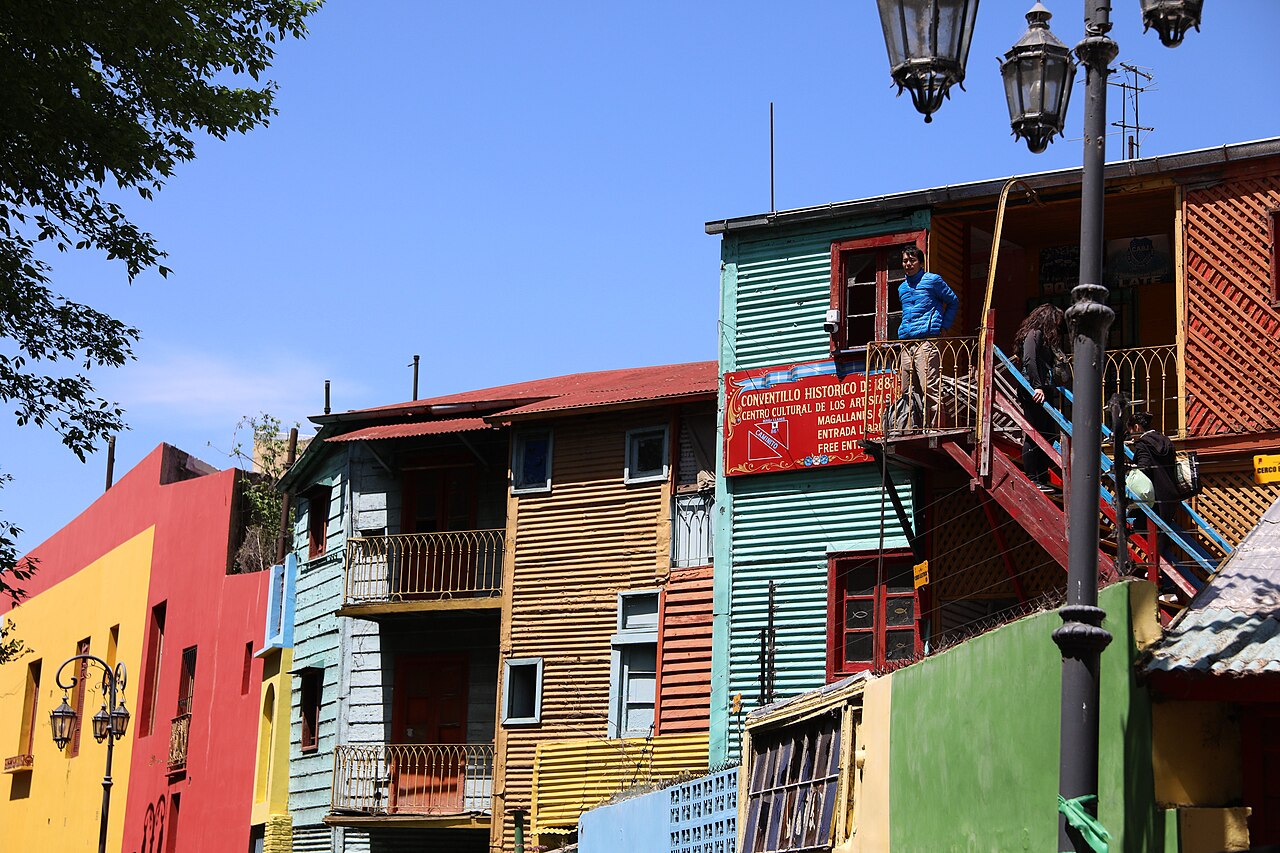
The painted facades offer exceptionally photogenic subjects in direct daylight, with morning and late afternoon providing optimal natural illumination. The concentrated colour palette rewards attention to composition and exposure settings. Tango dancers and street performers constitute characteristic human subjects; protocol requires negotiation or payment before photographing individuals. Crowded conditions frequently intrude into frame edges; patience yields clearer shots. Elevated viewpoints from surrounding structures are not generally accessible. Tripod use may attract attention in congested conditions. The narrow street geometry challenges wide-angle capture of full building heights.
Checked 2026-08-26
The immediate Caminito tourist zone operates with visible security presence and heavy foot traffic during daylight hours. Standard precautions apply: remain within the painted tourist corridor, avoid adjacent streets, minimise visible valuables, and depart before evening. Conditions vary; visitor judgement should respond to observable circumstances.
No. Caminito functions as a public pedestrian street without admission controls. Costs arise only from optional purchases, performances, food, or negotiated photograph opportunities with performers.
Organised tour transport, taxi, or ride service provides the most straightforward access for visitors unfamiliar with Buenos Aires. Public bus routes serve the area though require local knowledge. The nearest metro station necessitates additional connection.
Numerous artists maintain studios and sell paintings directly. Quality and pricing vary substantially. Purchases require direct negotiation with individual sellers. Claims of specific provenance or artistic significance warrant independent verification.
Costumed dancers perform choreographed routines for tourist audiences. These represent staged entertainment rather than spontaneous social tango. Performers typically expect payment for photograph opportunities. The performances are genuine as commercial tourist attractions.
Caminito and La Boca occupy a symbolic position in tango mythology as an early twentieth-century working-class neighbourhood where immigrant cultures mixed. The actual historical development of tango occurred across multiple Buenos Aires neighbourhoods. Contemporary Caminito leverages this association through performed tango imagery.
Loading the interactive map…
The interactive map could not be loaded.

Last updated:
Source: OpenStreetMap contributors, Wikidata ·