


.jpg)
.jpg)
.jpg)

2 min walk
Cabildo of Buenos Aires
- Must see · Heritage site
- Historic monument
Language · 11 published
Place of worship · Buenos Aires
Catedral Metropolitana
| Monday | 07:30 – 08:30 |
|---|---|
| Tuesday | 07:30 – 08:30 |
| Wednesday | 07:30 – 08:30 |
| Thursday | 07:30 – 08:30 |
| Friday | 07:30 – 08:30 |
| Saturday | 09:00 – 17:00 |
| Sunday | 09:00 – 18:30 |
Checked 2026-08-31 · Source
Read from the OpenStreetMap access tags; anything not listed has no tag recorded.
Set the group type to family in the planner and the day window contracts to about three quarters of a solo day.
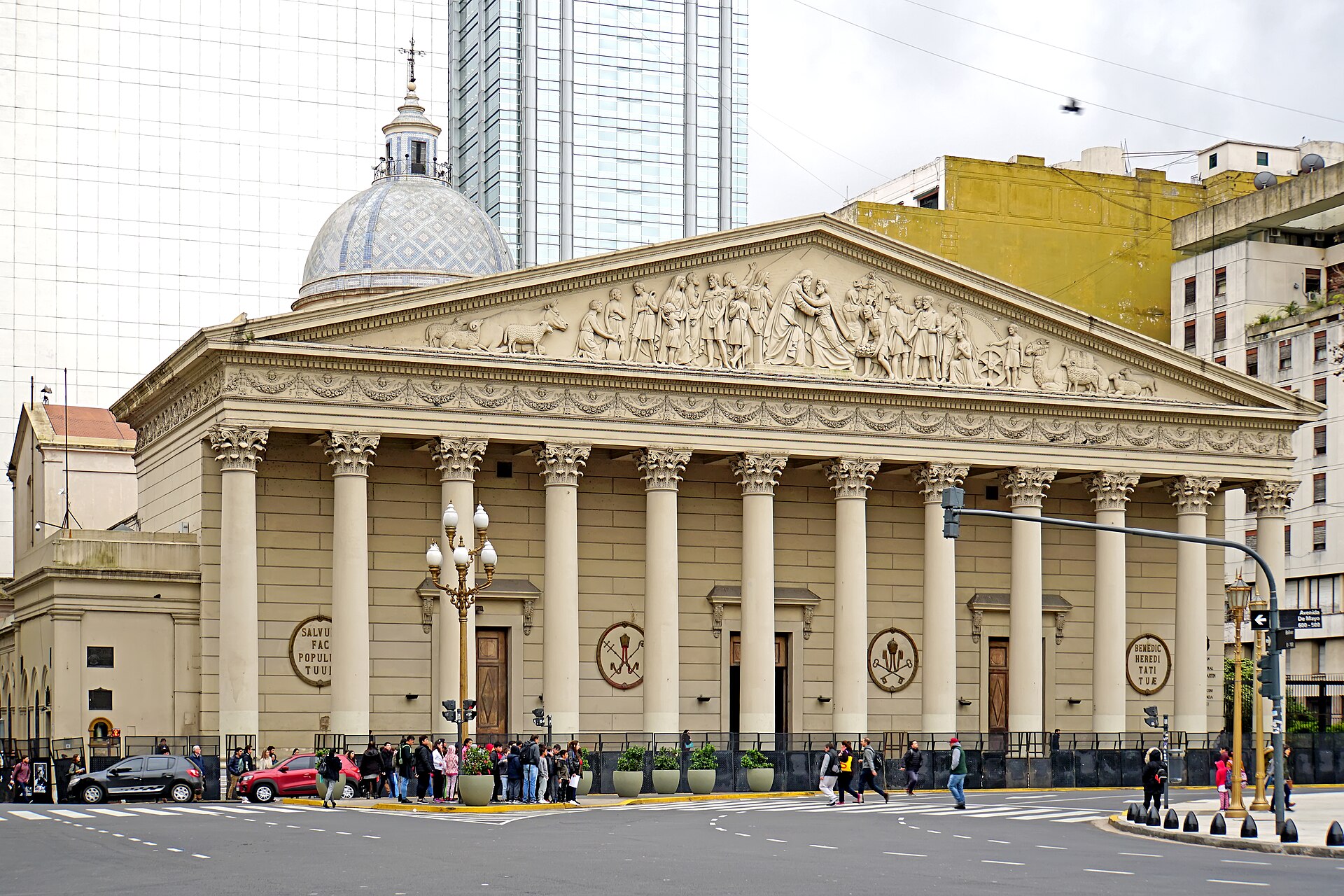
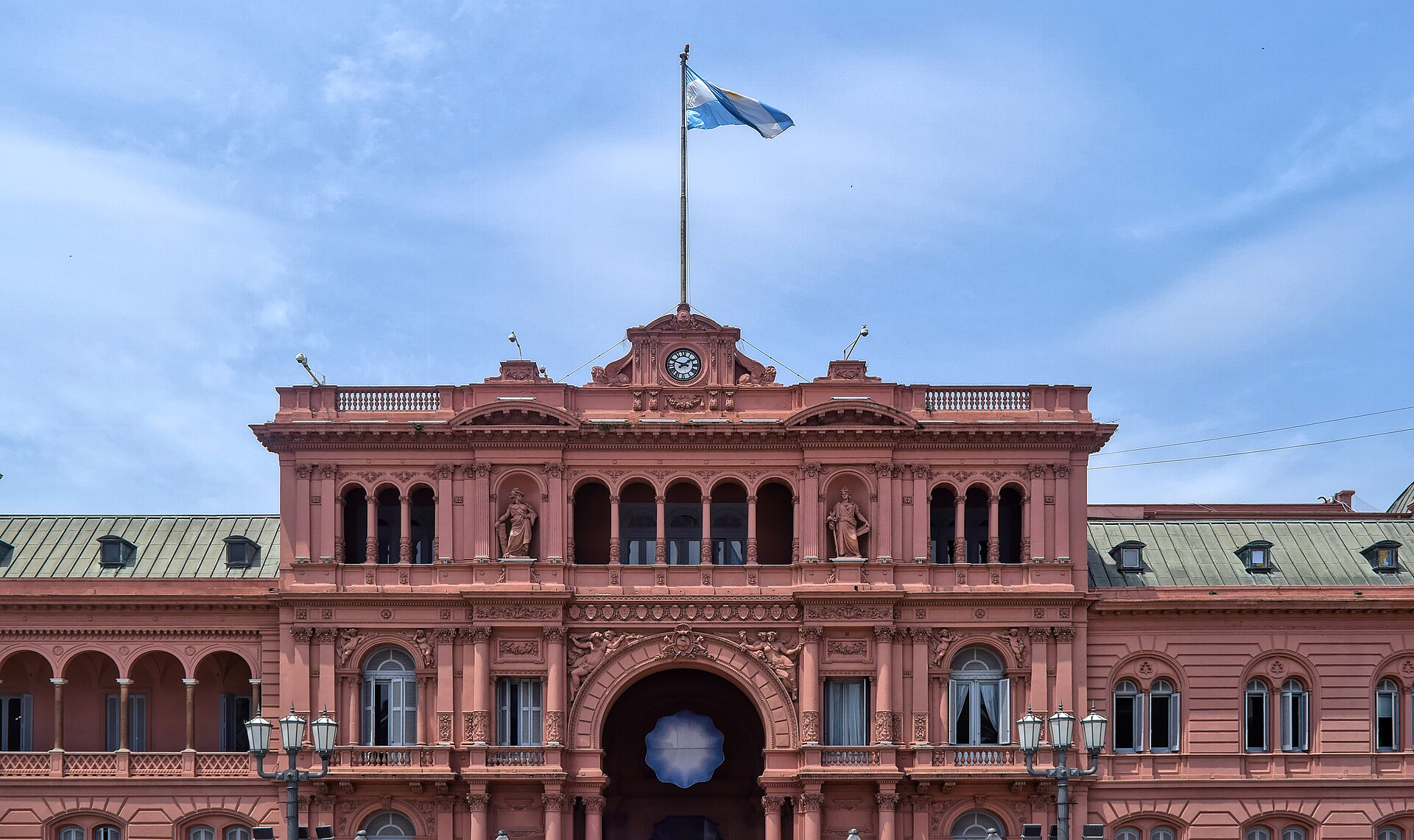
The Buenos Aires Metropolitan Cathedral, known locally as Catedral Metropolitana de Buenos Aires, stands as the principal Catholic church in Argentina's capital. Located on Plaza de Mayo facing the Casa Rosada presidential palace, this historic structure serves as the seat of the Archbishop of Buenos Aires. The building presents an eclectic architectural character combining elements from different periods, reflecting centuries of construction and modification rather than a single cohesive style. Its prominent position at the political and spiritual heart of Buenos Aires makes it a significant landmark for understanding the city's colonial heritage and continuing religious importance in national life.
Checked 2026-08-31 · Source
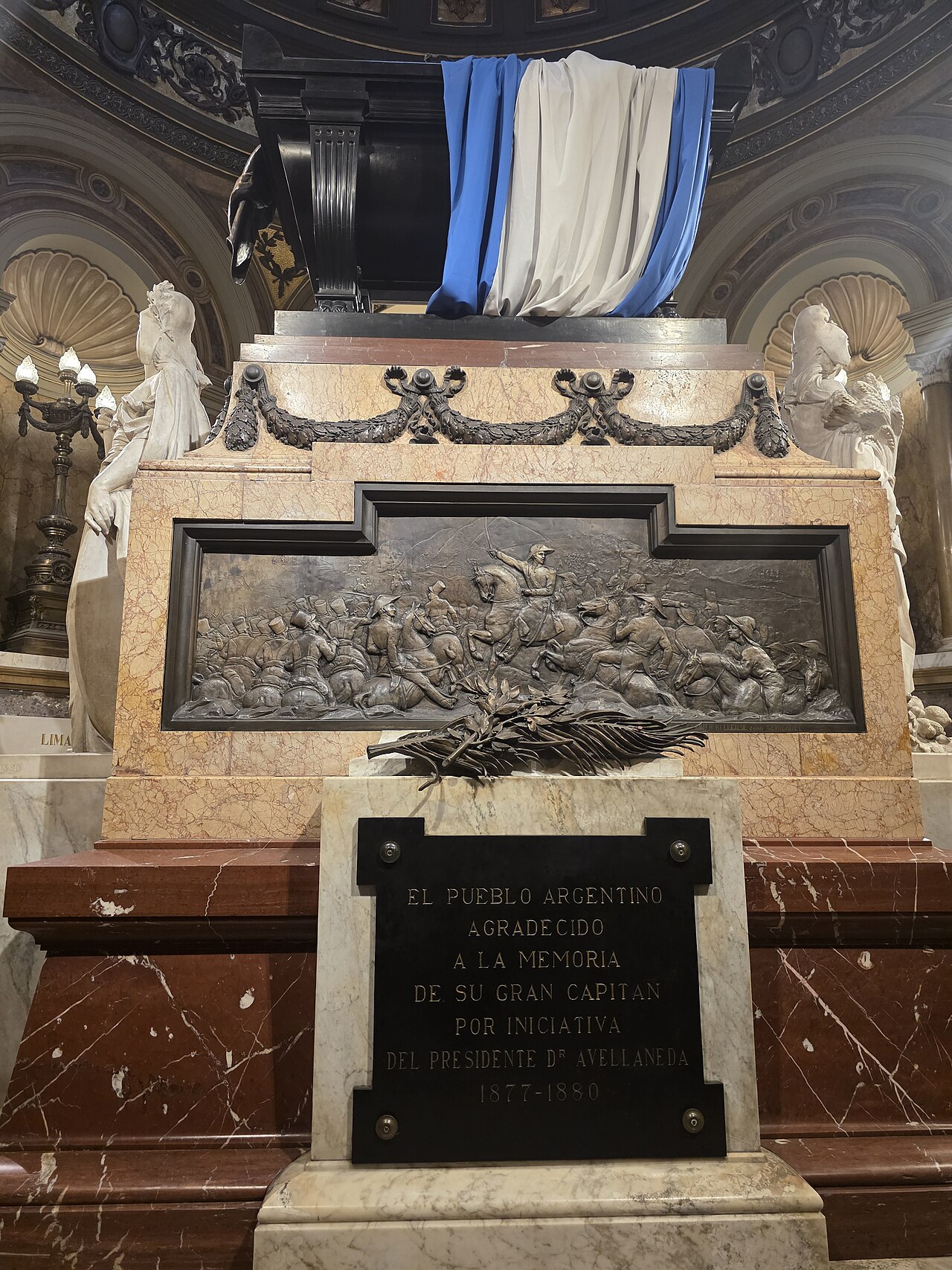
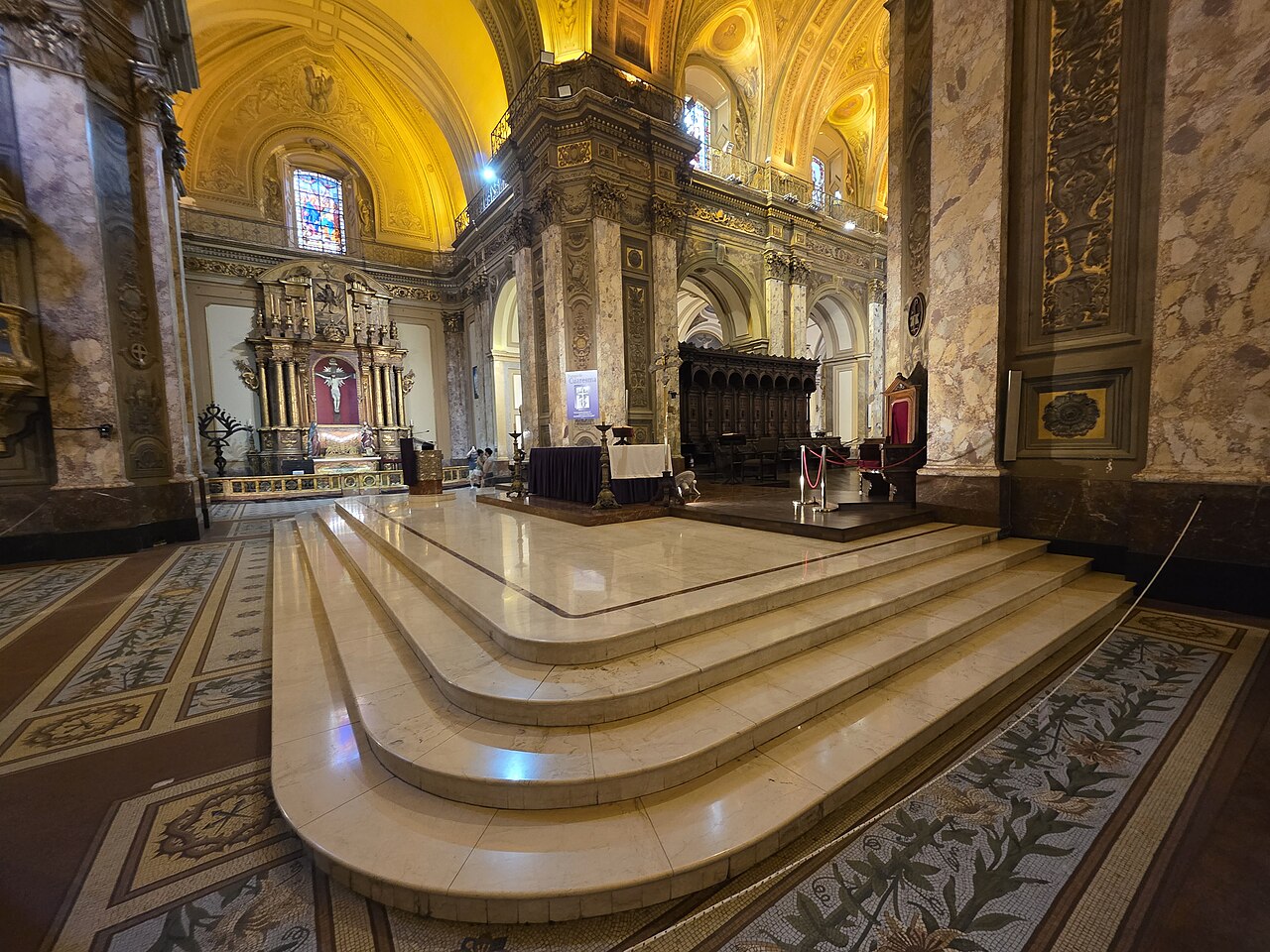
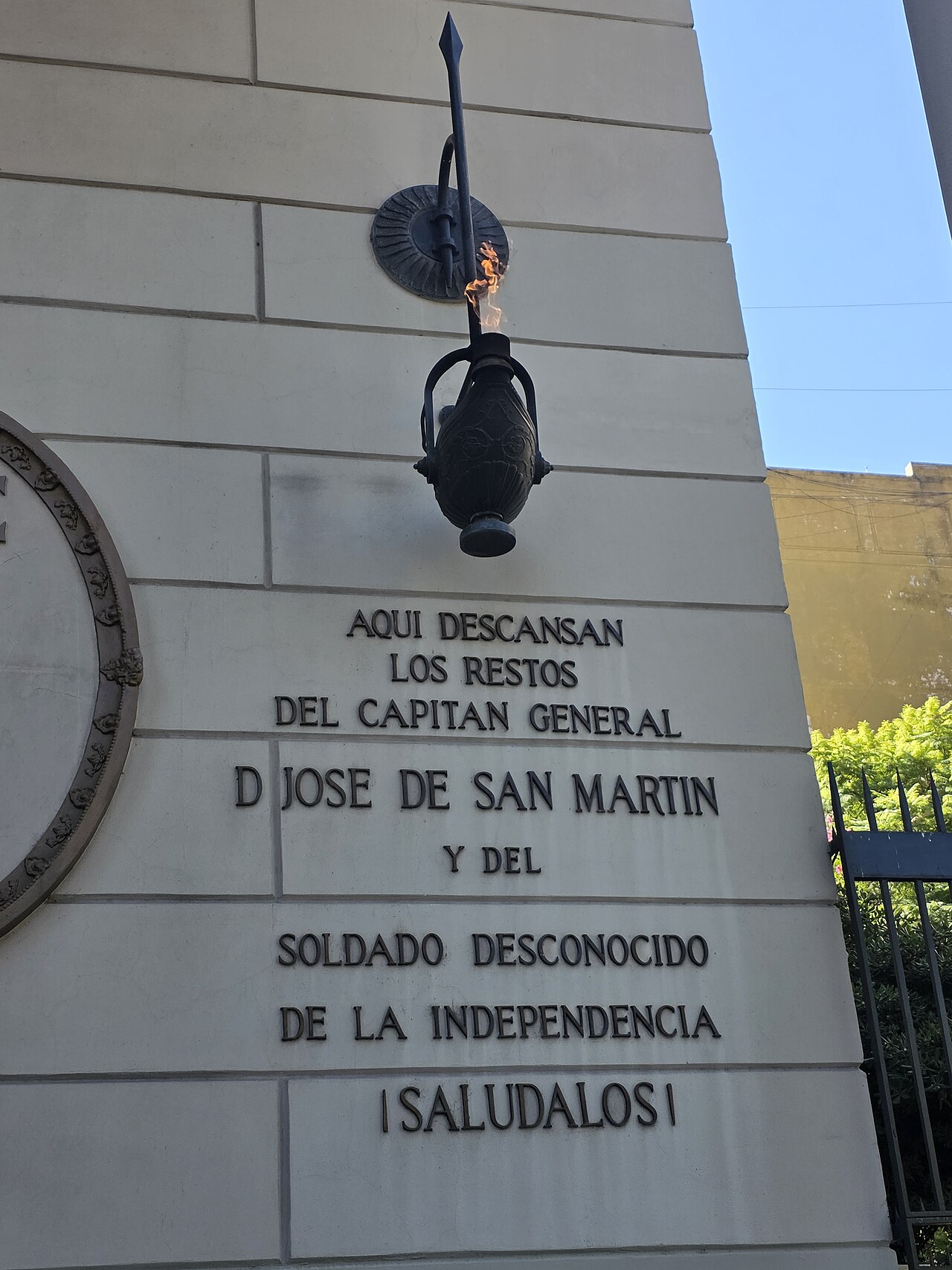
The cathedral interior contains notable artistic and memorial elements that visitors typically observe. The mausoleum of General José de San Martín, liberator of Argentina, Chile and Peru, represents the most significant monument inside, guarded by ceremonial troops. Religious artworks, altarpieces and decorative elements from various periods fill the space. The cathedral houses historical chapels and altars reflecting changing tastes across eras. Visitors should expect a functioning place of worship rather than a museum environment, with religious services potentially affecting access to certain areas. The interior atmosphere combines historical significance with ongoing devotional practice.
Checked 2026-08-31 · Source

Visitor duration at the Metropolitan Cathedral depends significantly on individual interests and whether religious services are occurring. Those wishing to examine the San Martín mausoleum, appreciate architectural details and observe interior artworks typically allocate between thirty minutes and one hour. Brief visits of fifteen minutes suffice for a general impression of the main spaces. Visitors with strong interest in religious history, Argentine national heritage or ecclesiastical art may prefer longer stays. Unpredictable factors including service times, crowd levels and temporary access restrictions can substantially affect actual time spent inside the building.
Checked 2026-08-31 · Source

Monday–Friday 07:30–08:30; Saturday 09:00–17:00; Sunday 09:00–18:30; public holidays 10:00–15:00. The responsible city tourism body lists daily opening, including separate public-holiday hours, with no regular weekly closure day. The cathedral functions as an active place of worship with regular religious services, meaning accessibility for tourist purposes varies throughout the day and week. Visitors should anticipate that Sunday masses and major religious observances may limit or prevent casual entry. Morning and early afternoon periods on weekdays generally offer better prospects for uninterrupted visiting, though this remains general guidance rather than verified scheduling. Checking current information through official channels before visiting is strongly advisable, as patterns may change without widespread notification.
Checked 2026-08-31 · Source
Free general admission. The Metropolitan Cathedral has historically operated without admission charges for general entry, consistent with its character as a functioning religious institution rather than a commercial tourist attraction. Voluntary donations may be solicited or accepted. Any special exhibitions, guided services or access to restricted areas could potentially involve separate arrangements. Visitors carrying bags or large items should anticipate possible security screening. Budget-conscious travelers should verify current practices through official sources rather than relying on historical patterns of free admission.
Checked 2026-08-31 · Source
The cathedral is at San Martín 27, at San Martín and Avenida Rivadavia, opposite Plaza de Mayo. Named Subte arrivals listed by the cathedral are Plaza de Mayo station on Line A, Avenida de Mayo on Line C, Catedral on Line D, and Bolívar on Line E. The cathedral also lists bus routes 5, 7, 9, 10, 17, 22, 23, 24, 28, 29, 33, 38, 39, 45, 50, 54, 56, 59, 60, 61, 62, 64, 67, 70, 74, 86, 91, 93, 100, 102, 105, 111, 116, 126, 129, 130, 142, 143, 146, 152, 155, 159, 168, and 195. The cathedral occupies a highly accessible position on Plaza de Mayo in Buenos Aires city center. Multiple public transportation options serve this major hub, including Subte underground lines with stations nearby. Numerous bus routes pass through or adjacent to the plaza. The central location makes walking feasible from many downtown accommodations. Taxis and rideshare services readily serve this prominent destination.
Checked 2026-08-31 · Source
Ramp entrance Accessible visitor route Seating/rest areas Guided visits available No hearing loop listed No sign-language assistance listed No adapted visitor information listed Visitors should maintain respectful conduct appropriate to an active religious site, including modest dress and subdued behavior regardless of personal beliefs. Photography restrictions may apply in certain areas or during services; observing posted guidance and staff direction is essential. The San Martín mausoleum demands particular decorum. Bag security and pickpocket awareness matter in the surrounding Plaza de Mayo area, a known concentration point for tourists and consequently for opportunistic theft. Construction or restoration work may affect access to portions of the building without advance warning. Service times can interrupt visiting unexpectedly; flexibility in scheduling reduces disappointment.
Checked 2026-08-31 · Source
Photography policies inside the Metropolitan Cathedral are not explicitly documented in available sources, requiring cautious visitor judgment. Many historic churches permit non-flash photography of general interiors while restricting images during services or at specific sacred objects. Visitors should observe any posted signage, ask staff when present, and refrain from photography if uncertainty persists. Flash equipment typically causes disruption and potential damage to artworks. Tripods and professional apparatus may attract particular scrutiny. The exterior on Plaza de Mayo presents no obvious restrictions for personal photography. Drone usage would require appropriate regulatory compliance beyond venue-specific rules.
Checked 2026-08-31 · Source
It is listed as open Monday–Friday 07:30–08:30, Saturday 09:00–17:00, Sunday 09:00–18:30, and public holidays 10:00–15:00.
No. The responsible city tourism body lists opening hours for every day of the week and separate hours for public holidays.
Yes. General admission is free.
Yes. The official accessible-tourism guide records a ramp, an accessible visitor route, and seating/rest areas.
The cathedral lists Plaza de Mayo on Line A, Avenida de Mayo on Line C, Catedral on Line D, and Bolívar on Line E.
The cathedral contains General José de San Martín's mausoleum and the Cardinal Jorge M. Bergoglio Museum, which displays personal and liturgical objects associated with Pope Francis's 15 years leading the Buenos Aires archdiocese.
Loading the interactive map…
The interactive map could not be loaded.

Last updated:
Source: OpenStreetMap contributors, Wikidata ·