


66 min walk
Da Nang Downtown
- Must see
- Entertainment venue
Language · 11 published
Place of worship · Da Nang

Nam Son Pagoda is an active Buddhist temple in Da Nang, Vietnam, serving as a place of worship and spiritual practice for the local Buddhist community. It is a religious destination rather than a conventional museum or entertainment venue. Visitors come to experience a living part of Vietnamese Buddhist culture, observe traditional temple architecture, and spend quiet time in a devotional setting. The pagoda also reflects Buddhism’s continuing role in contemporary central Vietnamese city life. Nam Son Pagoda is a Buddhist temple in Da Nang, Vietnam. The pagoda serves as a place of worship and spiritual practice for the local Buddhist community. It represents one of numerous religious sites contributing to Da Nang's cultural landscape. The structure reflects traditional Vietnamese Buddhist architectural elements common to pagodas throughout the central region. Visitors encounter an active religious site rather than a secular tourist attraction. The pagoda holds significance for devotees and those interested in Vietnamese religious heritage.
Checked 2026-08-26 · Source
Inside Nam Son Pagoda, visitors encounter Buddhist religious imagery, statues, altars, incense burners, and offerings placed by worshippers. The main hall is the setting for prayer and ceremonial activity. Decorative details may include Vietnamese Buddhist iconography and calligraphy, arranged in spaces intended for devotion rather than display. Move quietly through the interior and give worshippers priority. The atmosphere rewards observation of small details, including incense, offerings, and the relationship between architecture and daily religious practice.
Checked 2026-08-26 · Source

Allow about thirty minutes to one hour for a considerate visit to Nam Son Pagoda. That time gives you room to view the exterior, enter appropriate areas, notice the devotional details, and pause without rushing worshippers. Visitors with a strong interest in Buddhist art, architecture, or religious customs may stay longer when the temple is calm. Let the pace of the visit respond to ceremonies and prayer rather than treating the pagoda as a quick sightseeing photograph.
Checked 2026-08-26 · Source
Nam Son Pagoda is best approached as a living religious place, so quiet periods are useful for visitors who want to observe the setting attentively. Early morning or evening can coincide with prayer activity; these moments offer cultural context but require especially discreet behaviour. Da Nang’s drier period from February to August can make outdoor movement more comfortable. During wet weather, allow extra care around entrances and paths. A short visit fits naturally between other Da Nang cultural stops.
Checked 2026-08-26 · Source

Nam Son Pagoda is a place of worship, and basic entry should be treated as a devotional visit rather than a commercial attraction. Visitors can encounter donation boxes or offerings connected with temple life; contributions are voluntary and should be made quietly. Keep small cash available if you wish to donate, while remembering that respectful conduct matters more than spending. Do not frame the visit around paid attractions: the principal experience is the temple, its atmosphere, and its religious function.
Checked 2026-08-26 · Source

Nam Son Pagoda is within Da Nang’s urban area and can be reached by taxi, ride-hailing service, motorcycle taxi, bicycle, motorbike, or on foot from nearby accommodation. Give your driver the mapped pagoda location, especially if the approach leads through residential streets. Private two-wheel transport offers flexibility for combining the temple with other city stops. Walking time depends on where you stay. Keep the destination map available because neighbourhood religious sites may have limited tourist signage.
Checked 2026-08-26 · Source
Dress modestly, covering shoulders and knees, and lower your voice inside the grounds. Remove footwear before entering buildings when local practice or signs indicate it. Never touch statues, altars, or other religious objects. Give people who are praying space and do not interrupt ceremonies. Ask before photographing people or sensitive devotional areas. Da Nang’s heat and sun can make a short outdoor visit tiring, so carry water and protect yourself from direct exposure while moving between the grounds and the street.
Checked 2026-08-26 · Source
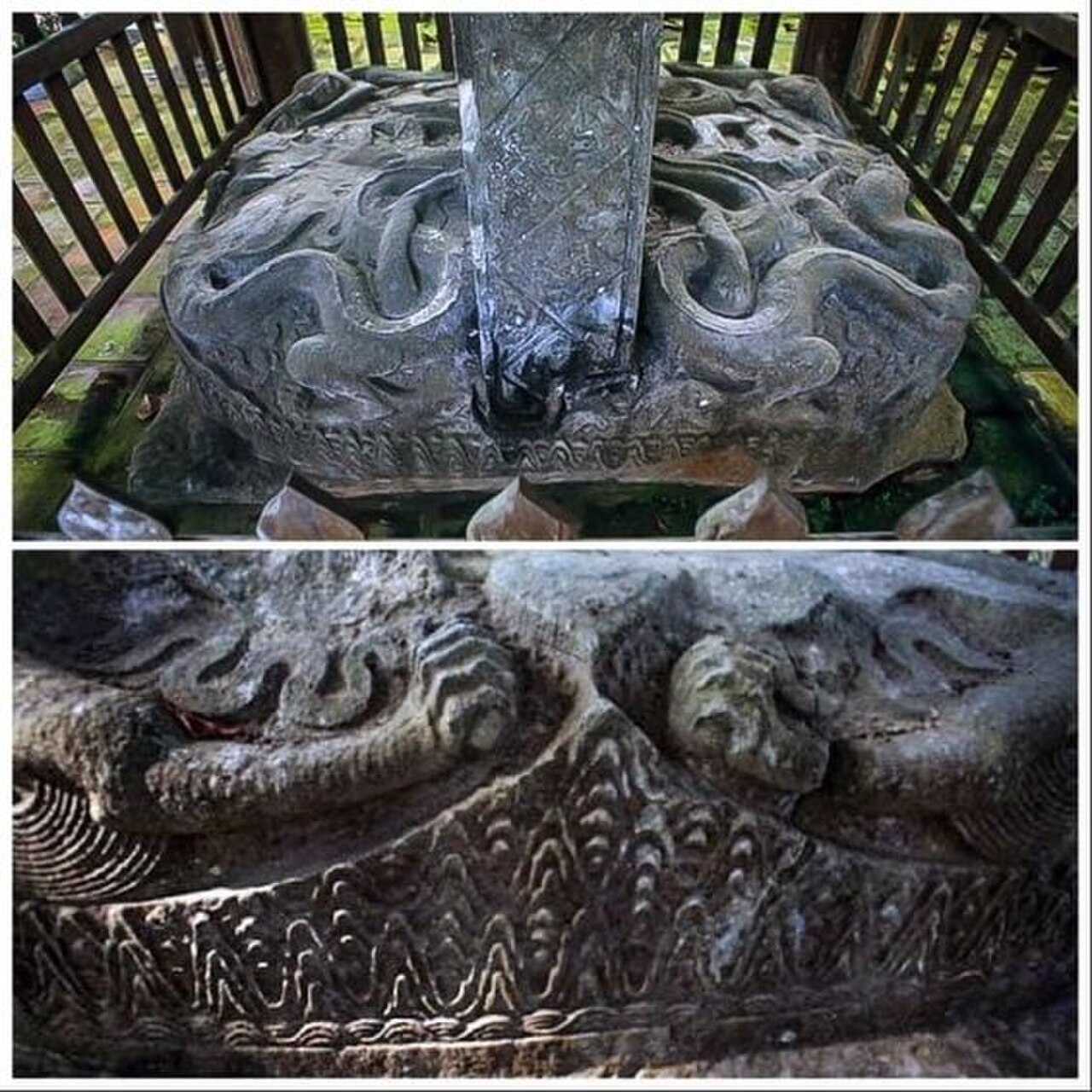
The exterior of Nam Son Pagoda offers the safest subject for photography when handled discreetly. Inside, keep the camera secondary to the religious activity taking place. Avoid flash, tripods, and staged poses that could disturb worshippers or make a devotional space feel like a studio. Do not photograph people during prayer without permission. Observe signs and local behaviour before raising your camera. A few quiet architectural images, taken from appropriate positions, are more respectful than continuous shooting throughout the visit.
Checked 2026-08-26 · Source
It is an active Buddhist temple in Da Nang used for worship, prayer, ceremonies, and spiritual practice. Visitors should treat it as a living religious place rather than a secular attraction.
The interior includes Buddhist imagery, statues, altars, incense burners, offerings, and devotional decoration such as calligraphy. The main hall supports prayer and ceremonial activity.
Plan approximately thirty minutes to one hour for a respectful visit, with extra time if you want to observe Buddhist architecture and devotional details quietly.
Wear modest clothing that covers your shoulders and knees. Remove footwear before entering temple buildings when signs or local practice require it.
Exterior photography can be made discreetly. Avoid flash and elaborate equipment, and ask before photographing worshippers or sensitive interior devotional areas.
Use a taxi, ride-hailing service, motorcycle taxi, bicycle, motorbike, or walk from nearby accommodation. The mapped pagoda location is useful when travelling through residential streets.
Loading the interactive map…
The interactive map could not be loaded.
Last updated:
Source: OpenStreetMap contributors ·