
_(Colourised).jpg)
.jpg)

12 min walk · Bergama
Red Basilica
- Must see
- Historic monument
Language · 11 published
Museum · Bergama, İzmir
İzmir Bergama Müzesi
| Monday | 08:00 – 18:30 |
|---|---|
| Tuesday | 08:00 – 18:30 |
| Wednesday | 08:00 – 18:30 |
| Thursday | 08:00 – 18:30 |
| Friday | 08:00 – 18:30 |
| Saturday | 08:00 – 18:30 |
| Sunday | 08:00 – 18:30 |
Checked 2026-09-02 · Source
Read from the OpenStreetMap access tags; anything not listed has no tag recorded.
Set the group type to family in the planner and the day window contracts to about three quarters of a solo day.
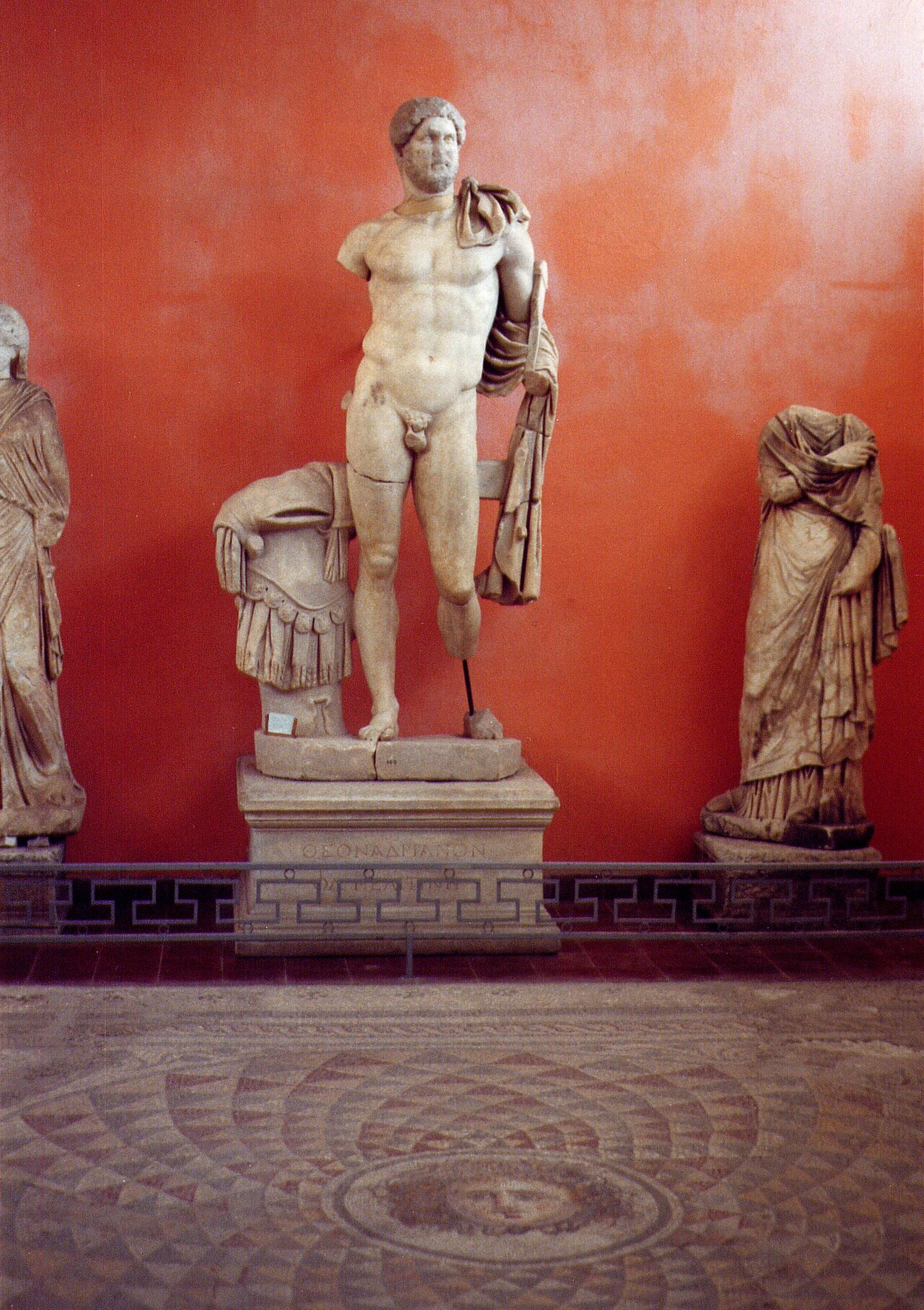
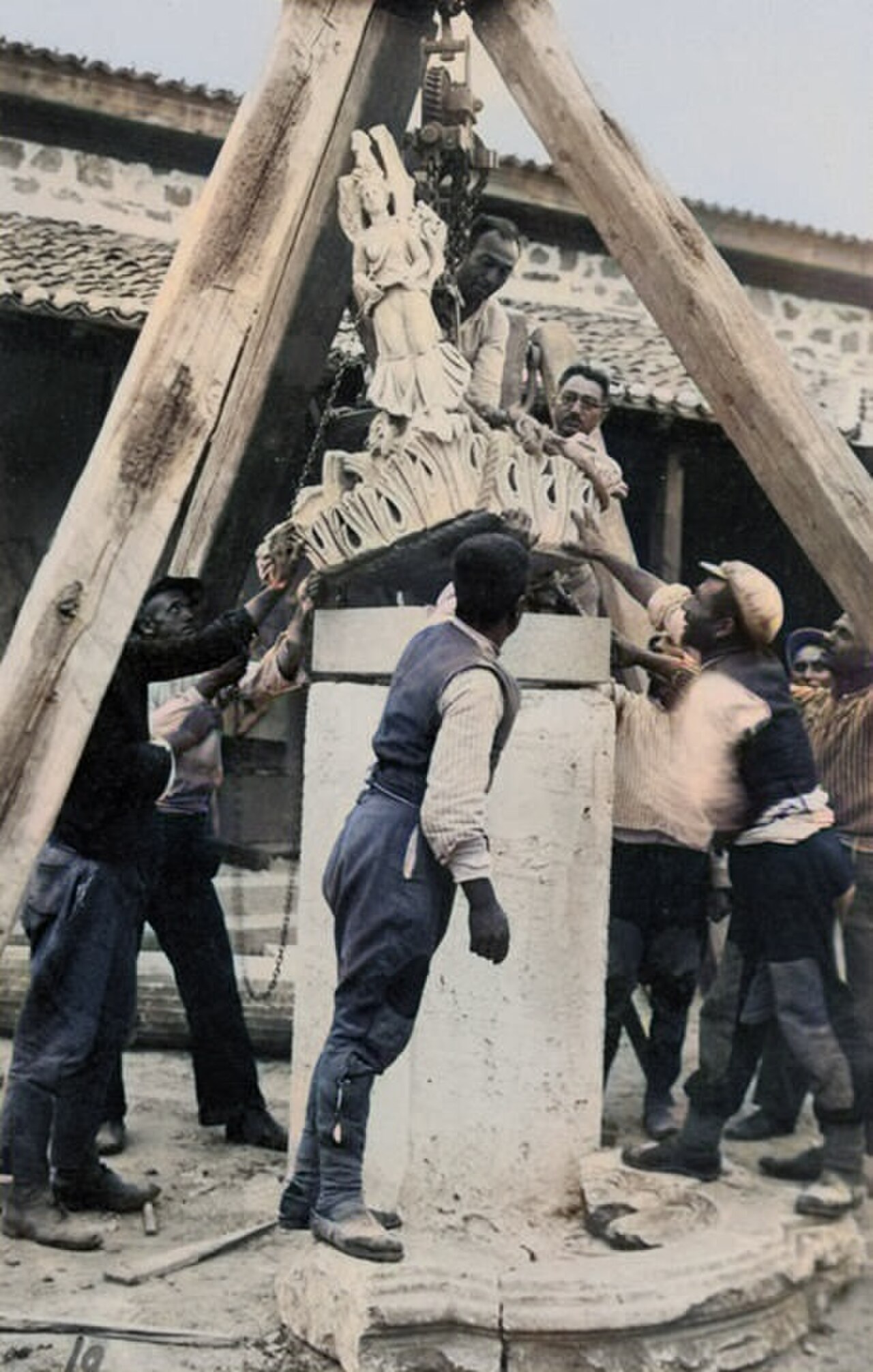
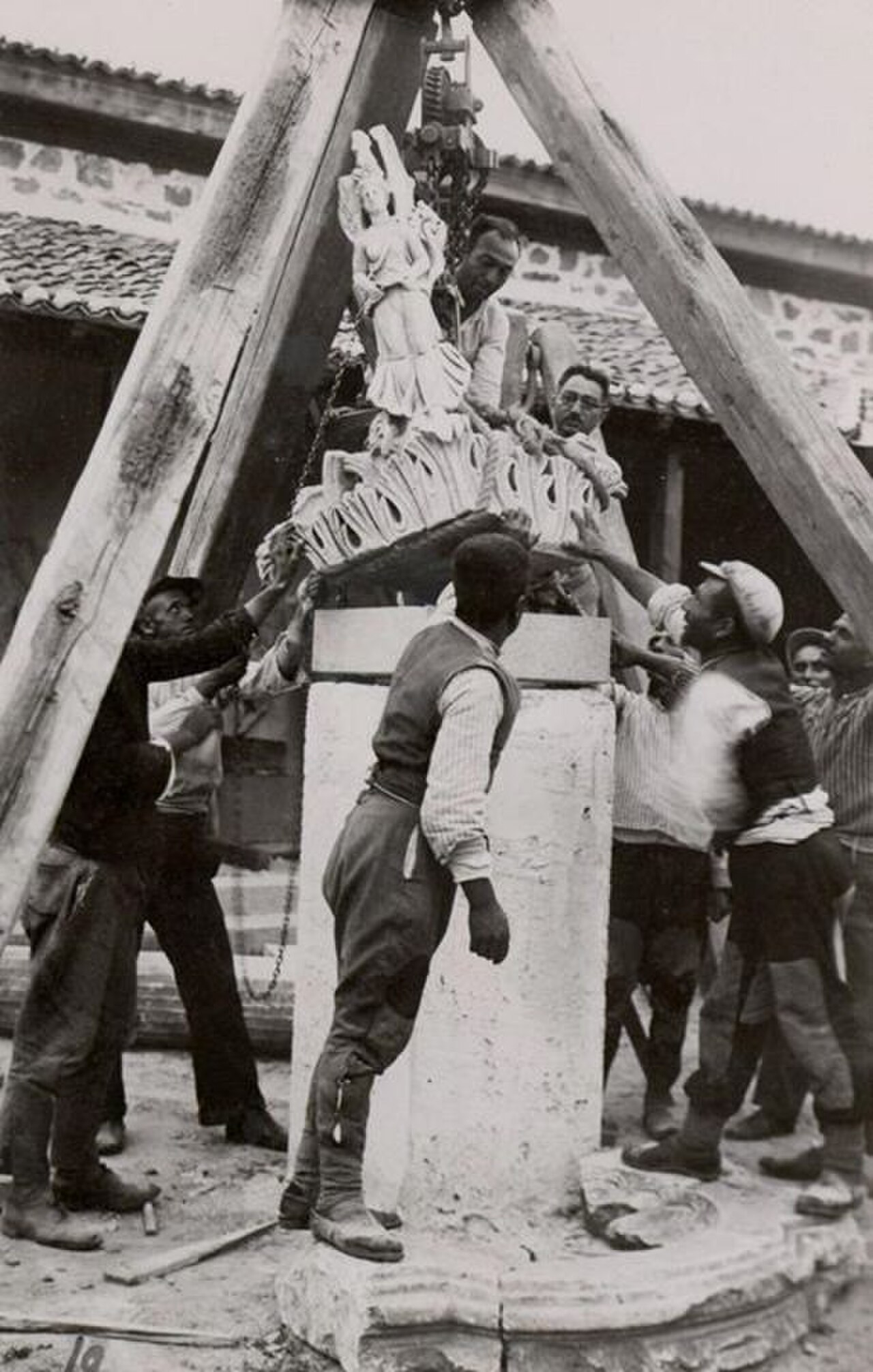
Bergama Museum is an indoor museum in Bergama, İzmir, bringing together archaeology from the ancient city’s major excavation areas and objects from the region’s traditional life. Its archaeology collection includes finds from the Pergamon Acropolis, Asklepion, Red Basilica and Musalla Cemetery. The ethnography section turns to Bergama and its surroundings, showing material connected with local customs and everyday culture. This makes the museum a useful town stop before or after the ruins: it introduces the objects and regional history in a more compact indoor setting, while the official Turkish Museums listing records the museum as open.
Checked 2026-09-02 · Source
The archaeology displays draw on four named excavation areas: the Pergamon Acropolis, Asklepion, Red Basilica and Musalla Cemetery. For visitors touring Bergama’s archaeological landscape, those names provide a clear link between museum objects and the places where they were found. The ethnography section has a different focus, presenting objects associated with the traditional life of Bergama and nearby communities. Together, the galleries move from ancient-site archaeology to more recent regional culture. The result is a visit with both a strong historical focus and a local social dimension, rather than a collection limited to one archaeological period or site.
Checked 2026-09-02 · Source
A focused stop can provide archaeological context before a site visit, while a slower visit gives more time to compare ancient finds with objects from Bergama’s traditional life. If the museum is part of a larger day, allow separate time for the Pergamon Acropolis, Asklepion and Red Basilica, since the museum does not replace seeing those ruins, buildings and landscapes at their actual locations. Keeping the indoor museum and outdoor sites as distinct parts of the plan helps prevent a rushed schedule.
Checked 2026-09-02 · Source
Bergama Museum is open every day, with different hours in the summer and winter periods. From 1 April through 31 October, it opens at 08:00 and closes at 18:30; the ticket desk also closes at 18:30. From 1 November through 31 March, it opens at 08:30 and closes at 17:00, with ticket sales ending at 17:00. The longer summer window makes it easier to combine the museum with outdoor archaeological places. In winter, the earlier closing time is important when daylight and travel between sites are limited. Plan around the ticket-desk deadline rather than treating gallery hours as extra entry time.
Checked 2026-09-02 · Source
Adult admission is 200 TRY for citizens of the Republic of Türkiye and €3 for foreign visitors. Citizens of the Republic of Türkiye aged 0–18 enter free. These are alternative adult prices for different visitor groups, not charges to combine. The researched information gives no additional prices for passes, special categories or events, so no extra price is represented here. Plan to obtain admission before the ticket desk closes: by 18:30 during the 1 April–31 October summer period and by 17:00 during the 1 November–31 March winter period. These details were checked on 2 September 2026 against the official Turkish Museums page.
Checked 2026-09-02 · Source
Bergama Museum is at Zafer Mahallesi, Cumhuriyet Caddesi No:10, Bergama, İzmir. İzmir Metropolitan Municipality’s İZTAŞIT service lists the Bergama town routes Öğretmenevi–Otogar, Tepeköy–Otogar and Yıldızevler–Otogar. From within Bergama, travel towards Otogar on one of these services and continue on foot towards Cumhuriyet Caddesi. Visitors arriving from İzmir by road can first reach Bergama Bus Terminal, then use a local Otogar route before walking to the museum.
Checked 2026-09-02 · Source
Bergama Museum is an indoor stop, while the Pergamon Acropolis, Asklepion and Red Basilica are separate archaeological places. For the museum itself, the official listing identifies “Handicap Friendly” and “Accessibility” facilities, and it also lists toilets and a shop. Step-free access is recorded in the structured amenities. If your day includes several sites, reach the museum before the seasonal ticket-desk deadline, especially in winter when sales end at 17:00.
Checked 2026-09-02 · Source
Follow the instructions displayed in the galleries and any directions given by museum staff. The collections offer two distinct photographic subjects: archaeological finds connected with the Pergamon Acropolis, Asklepion, Red Basilica and Musalla Cemetery, and objects representing traditional life in Bergama and its surrounding area. If photography is permitted, interior images can record display details, while photographs at the named outdoor sites show the buildings, ruins and landscapes that give those objects their wider setting. Treat permission inside the museum as specific to the museum and confirm separate rules at each related site.
Checked 2026-09-02 · Source
Bergama Museum is at Zafer Mahallesi, Cumhuriyet Caddesi No:10, Bergama, İzmir.
From 1 April to 31 October, it is open every day from 08:00 to 18:30, and the ticket desk closes at 18:30.
From 1 November to 31 March, it is open every day from 08:30 to 17:00, and the ticket desk closes at 17:00.
The adult ticket is 200 TRY.
The ticket is €3 for foreign visitors aged 8 and over.
The archaeology collection includes finds from the Pergamon Acropolis, Asklepion, Red Basilica and Musalla Cemetery excavations. The ethnography section presents objects from the traditional life of Bergama and its surrounding area.
Loading the interactive map…
The interactive map could not be loaded.


Last updated:
Source: OpenStreetMap contributors, Wikidata ·