City guide
London: 12 Essential Things to Do
Editorial responsibility: Elena Voss · SSMTour Travel Editor


Choose London sights that fit your interests, from the Tower and British Museum to Westminster, Buckingham Palace, St Paul's and a Thames panorama.
This guide is part of our London destination coverage. London
1. Tower of London
Start with the Tower of London for a concentrated account of royal power, imprisonment, defence and ceremony on one riverside site. The Crown Jewels and White Tower are the two clearest anchors. Historic Royal Palaces describes the White Tower as William the Conqueror's late-eleventh-century keep, while the building also houses the Royal Armouries' Line of Kings display and the Chapel of St John.
This is not a quick photo stop. The operator recommends allowing at least two hours and notes that conservation can reduce access to individual rooms or routes. Choose the Crown Jewels early, then the White Tower, battlements or Medieval Palace according to interest. Cobbles, narrow passages and stairs make the site physically different from a modern museum; the official accessibility page identifies level access to the Jewel House but restricted wheelchair access elsewhere.
Tower Hill is the natural arrival point. After the visit, remain by the Thames rather than crossing London for another major interior. Tower Bridge views, St Katharine Docks or a westbound riverside walk extend the same geographic block without adding another admission queue.
Checked 2026-09-08 · Official site · www.hrp.org.uk
Checked 2026-09-08 · Official site · www.hrp.org.uk
Checked 2026-09-08 · Official site · www.hrp.org.uk
2. British Museum
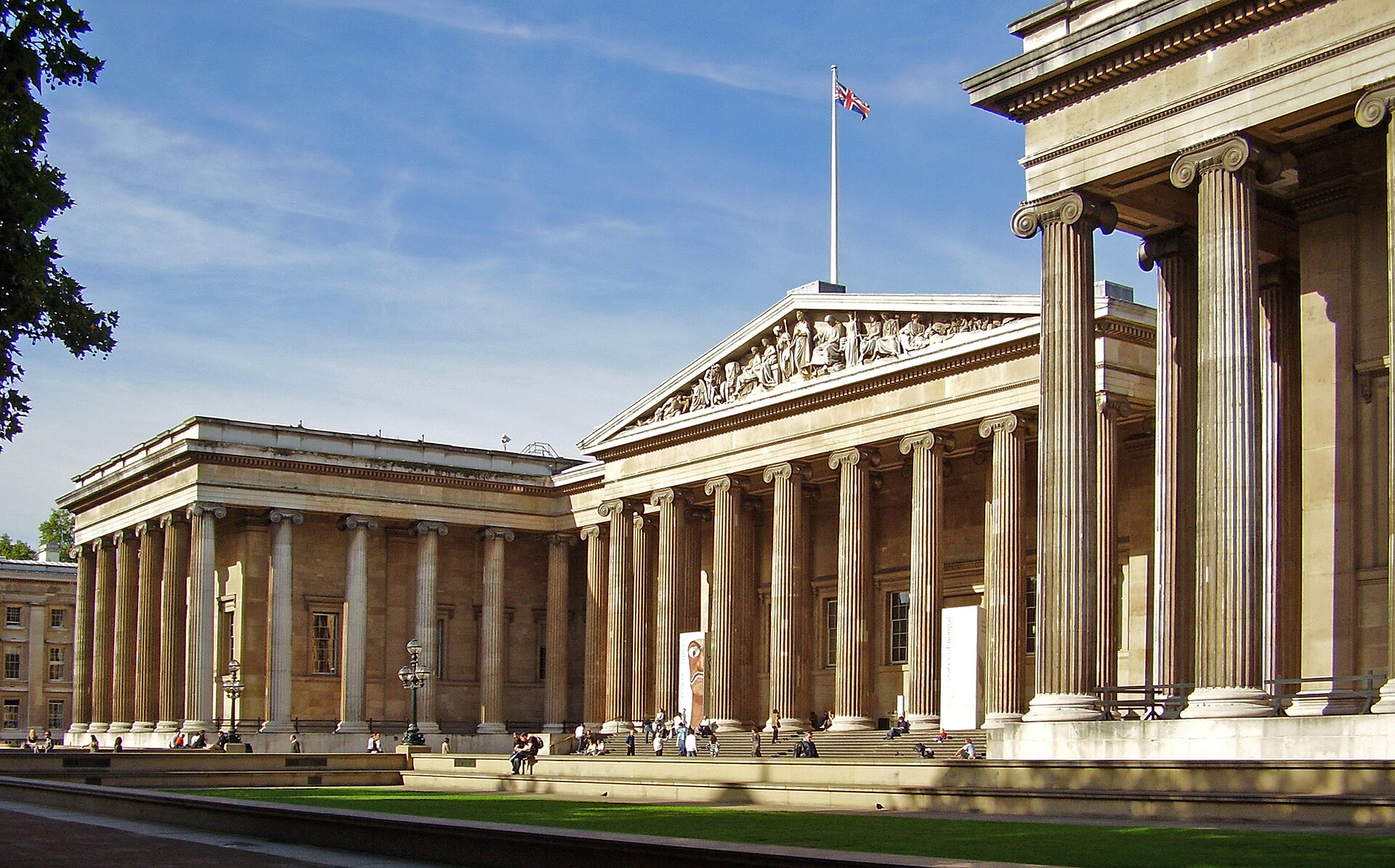
.JPG)
The British Museum is the collection choice in this shortlist. Its Great Court wraps a glass roof around the Reading Room and gives a fixed centre for galleries that cross two million years. Use that centre to compare two bodies of evidence rather than sampling isolated masterpieces. Egyptian sculpture and funerary material can be read beside Assyrian palace reliefs; Sutton Hoo can be paired with another early-medieval gallery; one Islamic-world gallery can stand against a European collection from the same broad period.
The choice is intellectual, not geographic: which societies, materials or forms do you want to compare? Write down two gallery subjects before entry and locate both from the Great Court. A temporary exhibition replaces one subject only when its separate ticket is deliberate. Closed rooms should move the comparison to a neighbouring open gallery, not expand it across another wing.
General admission to the permanent collection is free, while priority entry may use advance booking and exhibitions have separate tickets. Security and the ban on large wheeled luggage affect arrival, but they do not define the visit. The museum earns its place through selected objects and the argument built between them; visitors seeking ceremonial rooms, a church interior or a fortress should select the institution that actually contains those things.
Checked 2026-09-08 · Official site · www.britishmuseum.org
Checked 2026-09-08 · Official site · www.britishmuseum.org
3. Buckingham Palace
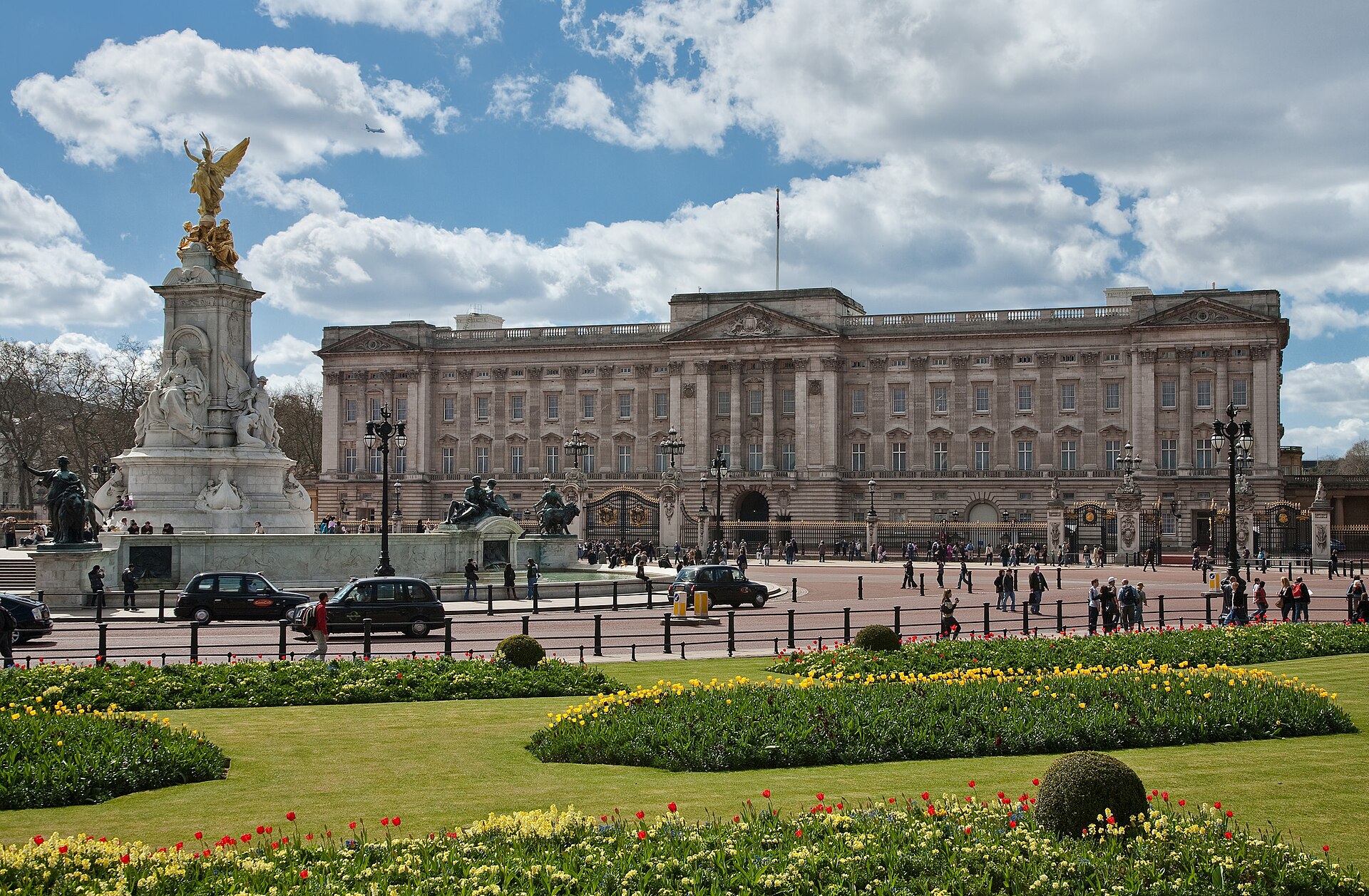

Buckingham Palace is the working-residence choice. The Royal Collection Trust identifies it as the King's official London residence and explains that its public rooms serve ceremonial, diplomatic and official occasions. When State Rooms admission is scheduled, the Grand Staircase introduces a sequence of drawing rooms, the Throne Room and other formal spaces. Read them by function: arrival and procession, audiences, investiture or reception, and the display of works from the Royal Collection.
The interior matters because these are rooms of state, not because every palace room is open. A standard visit does not automatically include every special exhibition, garden offer or separate event. The operator calendar decides whether the State Rooms exist as a visitor choice on the date. Without that inventory, the relevant evidence is outside: the palace façade, Victoria Memorial and the long ceremonial axis of The Mall.
Changing the Guard belongs to the same working-palace context but follows its own official programme. It should be selected for ceremony rather than treated as compensation for a closed interior. Buckingham Palace differs from the Tower's fortress and jewel displays, Westminster Abbey's coronation church and Parliament's debating chambers. Select it when royal residence and state ceremony are the subjects you actually want to examine.
Checked 2026-09-08 · Official site · www.rct.uk
Checked 2026-09-08 · Official site · www.rct.uk
4. Westminster Abbey
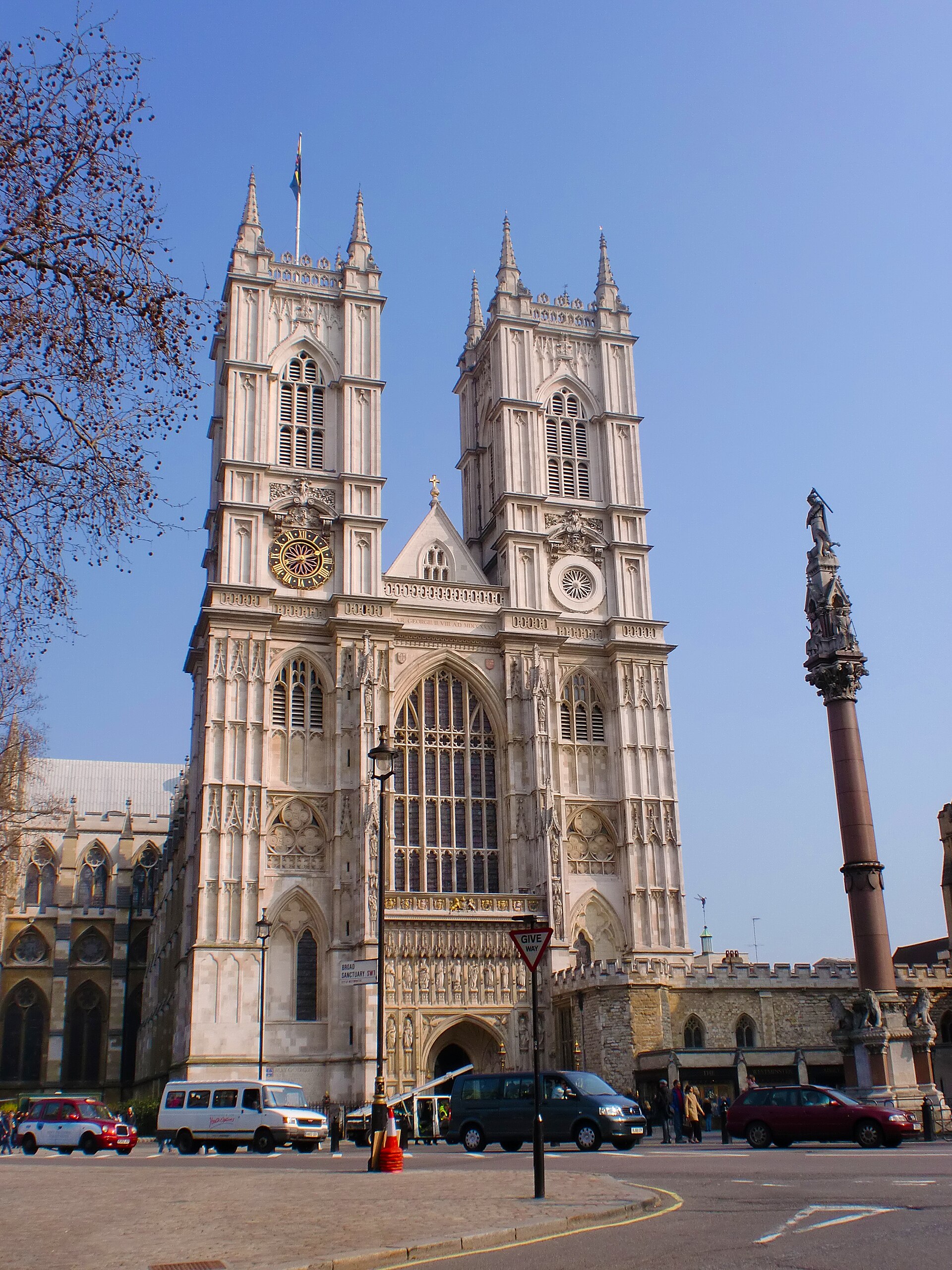

Westminster Abbey is the coronation-and-memory choice. It has served as the coronation church since 1066, and the interior layers royal ritual with burial, commemoration and continuing worship. Three anchors make the building legible: the Coronation Chair for monarchy, Henry VII's Lady Chapel and royal tombs for dynastic memory, and Poets' Corner for the expansion of national commemoration beyond rulers.
A deeper guided route can add the Shrine of St Edward the Confessor, but that is not simply a faster standard visit. It changes access to the spiritual and royal centre around which later parts of the Abbey developed. The nave, chapels, tombs and memorials should be read as a church accumulated over centuries, not as a gallery of unrelated famous names.
Sightseeing, services and special events are separate uses because the Abbey remains a working church; Sundays primarily serve worship. The current calendar determines visitor access, while the subject determines whether it belongs in the shortlist. Select the Abbey for coronation, Gothic church space and memorial culture. Choose Parliament for legislative history or Buckingham Palace for rooms of state rather than expecting proximity around Parliament Square to make their interiors equivalent.
Checked 2026-09-08 · Official site · www.westminster-abbey.org
5. Palace of Westminster

.jpg)
The Palace of Westminster is the functioning-legislature choice. Its official tours connect Westminster Hall with the House of Commons, House of Lords and the circulation spaces between them. Read the building through work and symbolism: Westminster Hall preserves the oldest great interior; the green Commons and red Lords chambers stage different parts of Parliament; the route between them explains how a nineteenth-century palace houses present-day debate, scrutiny and ceremony.
This subject is distinct from the riverside façade. The exterior shows Barry and Pugin's Gothic composition across the Thames, but a tour explains who meets in each chamber and how the institution operates. Audio and guided formats offer different interpretation, and advance booking protects entry. Security and the fixed start belong to the visit because Parliament is a working institution rather than a conventional museum.
An Elizabeth Tower tour is a separate physical and intellectual choice. It climbs 334 spiral steps to clock and bell machinery, while the Palace tour focuses on chambers and Westminster Hall. Select Parliament when legislative space and current government are the questions. Choose the tower when horology and ascent are the questions, or remain outside when the architectural composition is enough.
Checked 2026-09-08 · Official site · www.parliament.uk
Checked 2026-09-08 · Official site · www.parliament.uk
6. Elizabeth Tower and Big Ben
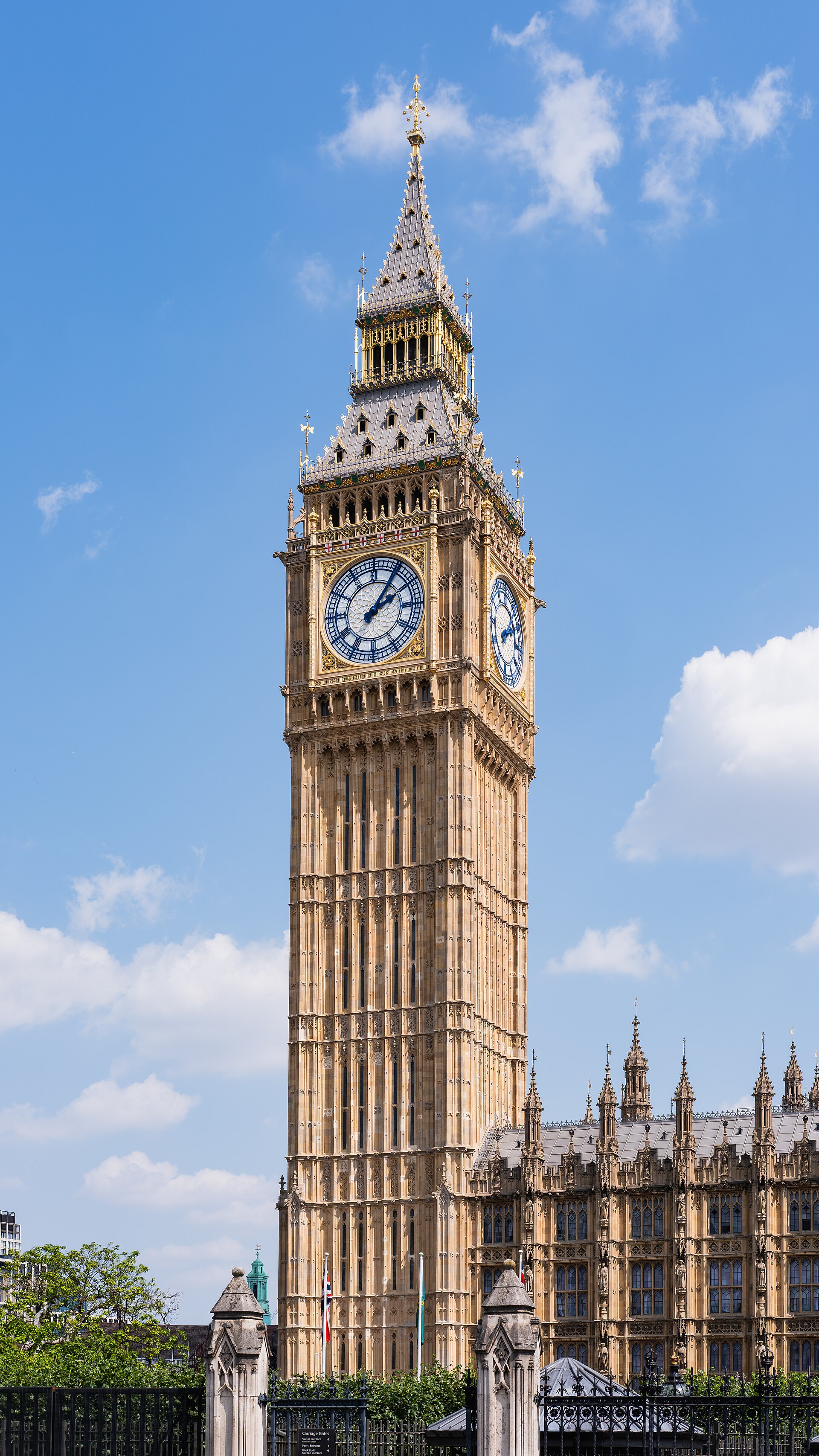

See Elizabeth Tower first from Parliament Square and then from the South Bank. The change of bank separates the tower's Gothic details from the full riverside composition. Big Ben is the Great Bell inside the tower, while the clock faces and restored stonework belong to Elizabeth Tower; using the names accurately makes the stop more than a familiar photograph.
An official Big Ben tour is a demanding booked visit, not casual tower access. UK Parliament says the standard route climbs a narrow 334-step spiral stair, reaches the clock mechanism and belfry, and includes high noise levels when the bell strikes. The operator provides suitability guidance and a separate accessible-tour process. Anyone considering the interior should read those conditions before buying rather than treating the climb as an ordinary observation deck.
Without a tour, spend the saved time along the Thames. The view from Westminster Bridge places the tower against the Palace, while the South Bank side gives room to step back. Continue east towards the London Eye or return through Parliament Square. Avoid stopping traffic on the bridge for a prolonged photo setup; the embankment offers a calmer place to compose the same landmark.
Checked 2026-09-08 · Official site · www.parliament.uk
7. London Eye


Use the London Eye for an elevated reading of the Thames rather than as a substitute for exploring the river at street level. The operator describes a complete rotation as approximately 30 minutes. From the glass capsule, Westminster occupies the immediate westward view, while the river bends past the City farther east. Clear visibility matters more than forcing the ride into a particular day number.
A timed ticket governs boarding, and the queue and security process add time beyond the rotation itself. Consult the official calendar and arrival instructions for the selected date. If low cloud or heavy rain removes the long view, keep the South Bank walk and move the wheel to another day rather than sacrificing a major indoor booking. The attraction sits near Waterloo and opposite the Palace of Westminster, so it works best inside a Westminster-South Bank cluster.
After the ride, choose one direction. Walk east along the South Bank for performance venues, bridges and river views, or cross back towards Whitehall and St James's Park. Do not combine the Eye with another paid panorama merely to compare heights. Its value is the relationship between Westminster, the Thames and the City, not the number of skyline platforms collected.
Checked 2026-09-08 · Official site · www.londoneye.com
Checked 2026-09-08 · Official site · www.londoneye.com
8. St Paul's Cathedral

.jpg)
Visit St Paul's Cathedral for three stacked experiences: the cathedral floor, the Crypt and the Dome Galleries. The floor contains worship space, monuments and art; the Crypt holds memorials including Sir Christopher Wren's; the dome climb changes the visit into a substantial physical commitment. The operator counts 257 steps to the Whispering Gallery, 376 to the Stone Gallery and 528 in total to the Golden Gallery.
Choose the climb only if stairs, confined spaces and heights suit the group. The galleries are reached by stairs, while the cathedral also provides a digital dome tour for visitors who cannot make that ascent. Sightseeing and services follow different arrangements because St Paul's is an active church. Check the official calendar for closures or changes and keep conduct appropriate even when the architectural visit is the main reason for entering.
The cathedral sits in a strong City-to-river sequence. Approach across Millennium Bridge for the dome axis, visit the interior, then continue towards the old lanes of the City or east along the Thames. Pairing St Paul's with the Tower can work across a full day if only one receives a long interior visit. Giving both their complete routes usually leaves too little time for food and the walk between them.
Checked 2026-09-08 · Official site · www.stpauls.co.uk
Checked 2026-09-08 · Official site · www.stpauls.co.uk
Choose London's headline sights by interest
Choose the institution by the evidence you want to examine. The Tower of London combines a Norman keep, royal fortress fabric, armour and the Crown Jewels on one defended site. The British Museum is an object-based collection spanning many societies and periods; its value comes from selecting galleries, not from royal architecture. Westminster Abbey joins coronation history, worship, tombs and memorials inside a living church.
For government, distinguish building from institution. A Palace of Westminster tour explains chambers, Westminster Hall and parliamentary work. An Elizabeth Tower tour is a 334-step climb to clock and bell machinery with a separate suitability test. Buckingham Palace opens State Rooms only on scheduled dates; the forecourt and Mall remain the relevant subjects without that ticket.
For architecture and views, St Paul's Cathedral offers floor, Crypt and progressively higher Dome Galleries, while the London Eye provides a single enclosed rotation above the Thames. Select the interior or viewpoint whose actual content matters; fame alone does not make two royal sites, two climbs or two panoramas equivalent.
- Tower of London
- British Museum
- Buckingham Palace
- Westminster Abbey
- Palace of Westminster
- Big Ben
- London Eye
- St Paul's Cathedral
Checked 2026-09-08 · Official site · www.visitlondon.com
Checked 2026-09-08 · Official site · tfl.gov.uk
Cluster Westminster, Bloomsbury and the City
Geographic proximity helps compare London institutions, but it does not make their contents interchangeable. Around Westminster, Buckingham Palace represents a working royal residence, Westminster Abbey the coronation church and burial tradition, and the Palace of Westminster the legislature. Elizabeth Tower is part of that parliamentary complex but has its own clock-and-bell tour. Across the water, the London Eye interprets the group from above rather than adding another historic interior.
In the City and eastern river zone, St Paul's Cathedral is Wren's active church with a Crypt and dome ascent; the Tower of London is a fortress complex whose White Tower, armour and jewels require movement between buildings. Their domes and towers may share a skyline, but the visitor work is different.
Bloomsbury's British Museum stands apart as the collection-first choice. Its Great Court organises galleries rather than ceremonial rooms, worship spaces or an outdoor fortress. These geographic groups are useful because they expose contrasts at close range: residence, church, parliament, machinery, panorama, cathedral, fortress and world collection.
- Tower of London
- British Museum
- Buckingham Palace
- Westminster Abbey
- Palace of Westminster
- Big Ben
- London Eye
- St Paul's Cathedral
Checked 2026-09-08 · Official site · tfl.gov.uk
Checked 2026-09-08 · Official site · tfl.gov.uk
Give children one story and one open-air release
A family day works best when its purpose fits into one sentence. At the Tower of London, that might be jewels, armour and a fortress walk. At the British Museum, choose a small object trail rather than promising every gallery. At St Paul's Cathedral, decide before arrival whether the dome stairs are suitable for the whole group.
Pair the indoor anchor with a nearby open-air release. Tower Wharf and St Katharine Docks follow the Tower; Russell Square follows the museum; St James's Park follows Buckingham Palace; the South Bank follows Westminster Abbey or the London Eye. This pattern protects the meal and gives children a visible endpoint other than another security line.
Operator rules still decide access. The Tower's cobbles and stairs, Parliament's booking conditions, the London Eye's timed arrival and St Paul's dome climb all affect family pacing. Check the official page for the chosen date and ages. If a queue grows, remove the optional interior before removing food or rest. A child who finishes with energy has understood more than one carried through a fourth landmark.
Checked 2026-09-08 · Official site · www.hrp.org.uk
Checked 2026-09-08 · Official site · www.britishmuseum.org
Checked 2026-09-08 · Official site · www.stpauls.co.uk
Skip duplicate viewpoints and consecutive long interiors
Skip a second attraction when it repeats the same kind of evidence. The Palace of Westminster answers questions about chambers and parliamentary work; Elizabeth Tower answers questions about the clock, bells and a demanding spiral ascent. Westminster Abbey adds coronation, worship and memorial history. Their façades form one composition, but their interiors are not three versions of one visit.
Apply the same test to elevated views. The London Eye gives an enclosed moving panorama over Westminster and the Thames. St Paul's Cathedral makes height the final stage of a church visit after the floor and Crypt. Choose the river panorama or the cathedral sequence for its content, rather than buying both merely to increase altitude.
Large historic interiors also reward different attention. The Tower of London combines multiple buildings, defensive fabric, jewels and armour. The British Museum asks for a gallery and object shortlist. Buckingham Palace offers State Rooms only when the official calendar opens them. Skip whichever institution lacks a specific question you want answered; keep the one whose rooms, objects or physical demands match that question.
- Tower of London
- British Museum
- Buckingham Palace
- Westminster Abbey
- Palace of Westminster
- Big Ben
- London Eye
- St Paul's Cathedral
Checked 2026-09-08 · Official site · www.parliament.uk
Checked 2026-09-08 · Official site · www.rct.uk
Checked 2026-09-08 · Official site · www.britishmuseum.org
Turn this list into a plan
Set your days, your pace and the hours you actually want to be out. The planner works around closing days and travel time, and leaves room to eat.