City guide
London Itinerary: One Day to One Week
Editorial responsibility: Elena Voss · SSMTour Travel Editor

Plan one day, two days, three days or a week in London with coherent riverside routes, museum choices, family pacing and clear ways to shorten each day.
This guide is part of our London destination coverage. London
One day in London: follow Westminster to the South Bank

.jpg)
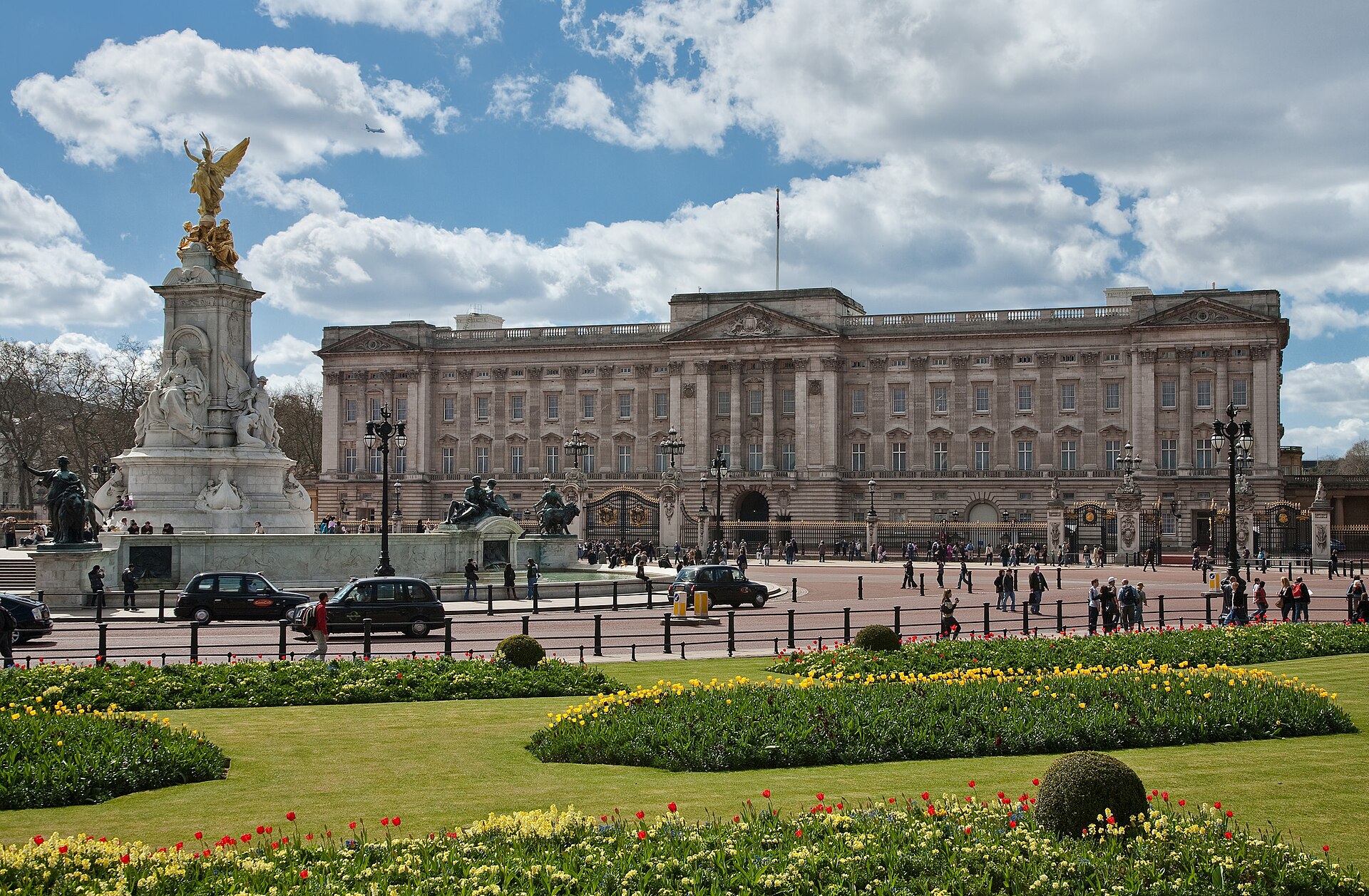
IN — Green Park Underground. Take Constitution Hill to Buckingham Palace. Victoria offers a southern alternative: Buckingham Gate joins the same forecourt. Use State Rooms only with a dated reservation. Treat Changing the Guard likewise; check its published programme instead of waiting speculatively. Hyde Park Corner signals an overshoot, not an onward waypoint.
NETWORK PICK. Green Park connects Jubilee, Piccadilly and Victoria services. Victoria adds National Rail plus Circle and District options. At the far side, Westminster serves Circle, District and Jubilee; Waterloo adds National Rail, Bakerloo, Jubilee, Northern and Waterloo & City. Match IN and OUT to the accommodation corridor in TfL's live tool; line names do not promise service.
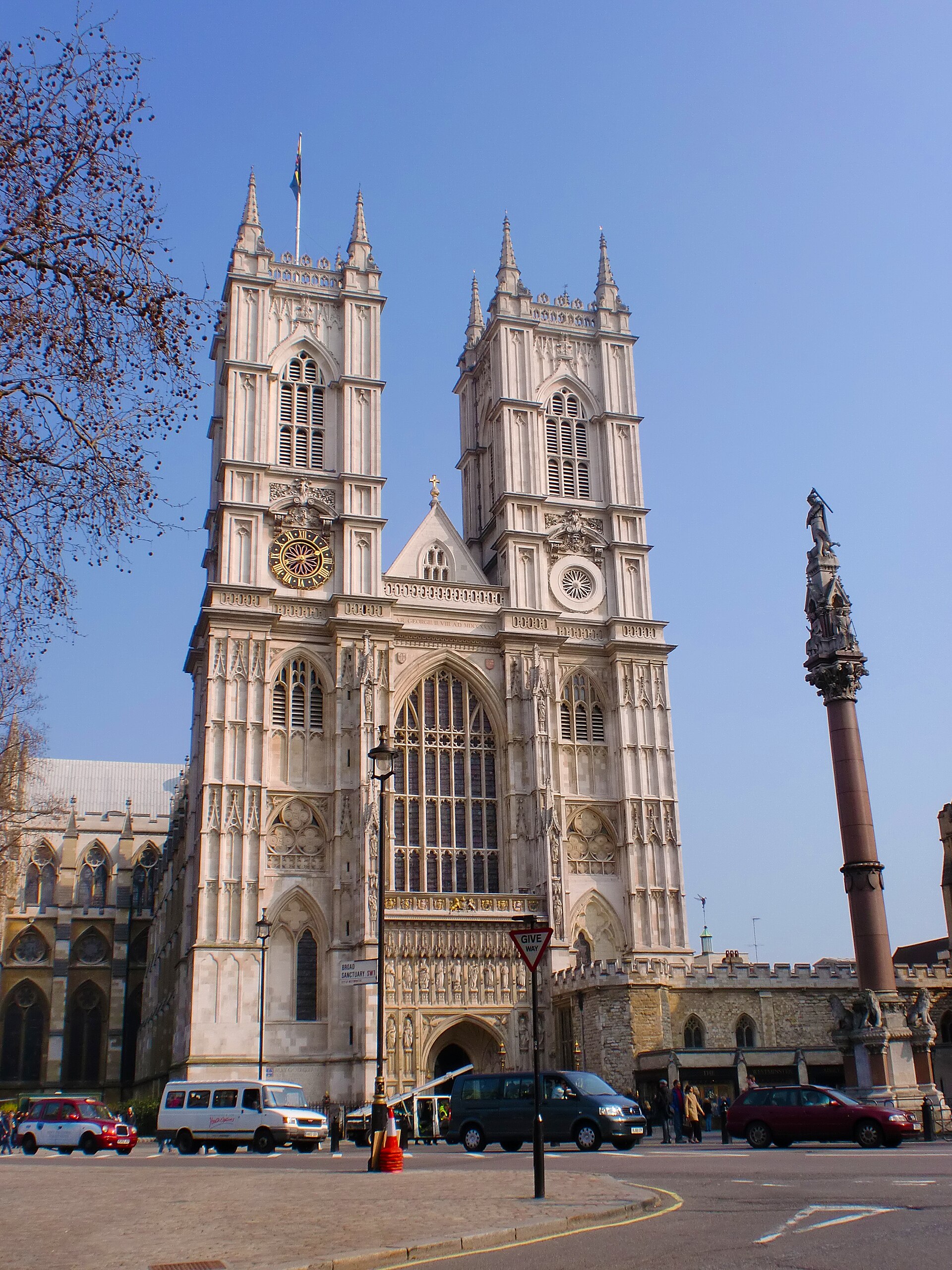
SLOT — one reserved doorway. Spur Road feeds Birdcage Walk, which skirts the lake towards Storey's Gate. Great George Street reaches the choice point. Broad Sanctuary serves Westminster Abbey; the square serves a pre-arranged Palace of Westminster circuit. Select either church or legislature for the substantial indoor block. The other remains a façade. Storey's Gate works as a reunion marker for companions using different paths across St James's Park.
SAME-AREA SUBSTITUTE. If neither doorway accepts sightseers, remain outdoors. Broad Sanctuary, Little George Street and Abingdon Street form a close civic circuit before Millbank or Victoria Embankment. Rejoin Bridge Street afterwards. This substitute preserves the southern bearing, meal district and river crossing; it does not send the group to Bloomsbury or the City.
FOOD — Victoria Street or Tothill Street. Both sit beside the chosen doorway, before the turn east to Bridge Street. Eating here prevents a slow security process from colliding with afternoon boarding. A delayed morning removes the wheel, not lunch.
TRACE — Parliament Square to County Hall. Circle the square, pass Elizabeth Tower, step onto Westminster Bridge and use its downstream pavement. The widening angle across the Gothic frontage rewards a southward crossing; a later U-turn adds nothing. Travellers staying north descend to the nearby Underground entrance at this junction. County Hall's curved frontage confirms the correct bank.
OUT — Waterloo. Turn left into Jubilee Gardens. A timed London Eye boarding belongs here. Low visibility, a queue eating into the homeward allowance or simple lack of interest means continuing beside the water. Belvedere Road leads inland; York Road leads to the rail terminus. Avoid Hungerford Bridge: it abandons the declared endpoint and duplicates the north bank.
EDIT. Wet version: IN becomes Westminster Underground; SLOT survives; the gardens become optional. Lower-distance version: Parliament Square forms a compact circuit with the same station for entry and exit. Complete version: Green Park → Constitution Hill → Spur Road → Birdcage Walk → Great George Street → Parliament Square → bridge → Jubilee Gardens → York Road → Waterloo. Copy IN, SLOT, FOOD and OUT into the day sheet before departure.
Checked 2026-09-08 · Official site · www.rct.uk
Checked 2026-09-08 · Official site · www.westminster-abbey.org
Checked 2026-09-08 · Official site · www.parliament.uk
Checked 2026-09-08 · Official site · www.londoneye.com
Checked 2026-09-08 · Official site · tfl.gov.uk
Two days in London: add the Tower and St Paul's


IN — Tower Hill Underground. Follow the signed pedestrian approach to the booked Tower of London entrance. Save the station doorway as the reunion point; Minories marks the wrong, northbound departure. Inside, pair the jewels with one additional on-site strand selected from the same-day closure notice and access map. If egress is late, delete the upward afternoon branch.
NETWORK PICK. Tower Hill uses Circle and District services; nearby Tower Gateway uses DLR. The shorter OUT uses St Paul's on the Central line. Blackfriars combines National Rail with Circle and District. These options help align the card with accommodation east, west or south of the core. TfL still decides disruptions, lift status and interchange choice on the date.
FOOD — choose direct or marina. Direct: Trinity Square, followed immediately by the western bearing. Marina: St Katharine Docks, followed by an explicit return through the origin area. The detour suits a slower outing whose second admission has already been abandoned. Writing “return west” on the card prevents an accidental eastward drift. Cannon Street supplies a later meal district for parties leaving the first site promptly.
SAME-AREA SUBSTITUTE. A cancelled fortress slot converts the morning into a street trace: Trinity Square, Seething Lane, Mincing Lane and Eastcheap before lunch. That sequence reaches Monument without fabricating a replacement ticket. The afternoon can proceed along Cannon Street, or terminate at Monument Underground if weather makes the remaining pavement unattractive.
TRACE — Great Tower Street, Eastcheap, Cannon Street. At the Byward Street junction, maintain the westward alignment. Monument marks the first navigation check; Walbrook and Mansion House mark the second. The distant dome should remain ahead. This chain crosses the commercial core on one bearing. Rain, fatigue or mobility requirements switch the connector to a live TfL result with identical endpoints; no reusable minute estimate is claimed.
SLOT — depth at St Paul's Cathedral. Enter through the eastern churchyard after Cheapside. Pick main floor plus Crypt, or the Dome Galleries. The ascent is never an automatic supplement to the fortress. Read the building's sightseeing calendar and access guidance at purchase. Changed worship arrangements move the card directly to the outdoor egress; Paternoster Square supplies a nearby pause.
OUT A — St Paul's Underground. This is the rain, fatigue and shorter-distance terminal. OUT B — Blackfriars. Descend Peter's Hill, cross Millennium Bridge, pass Bankside and turn west on the southern embankment. OUT B requires suitable conditions and enough walking capacity; it does not protect a sunk ticket.
The printed line is Tower Hill → Great Tower Street → Eastcheap → Cannon Street → Cheapside → churchyard → St Paul's or Blackfriars. The only reversal is the marina loop. Minories, Thames-side diversions, Westminster and Bloomsbury stay outside this card.
Checked 2026-09-08 · Official site · www.hrp.org.uk
Checked 2026-09-08 · Official site · www.hrp.org.uk
Checked 2026-09-08 · Official site · www.stpauls.co.uk
Checked 2026-09-08 · Official site · www.stpauls.co.uk
Checked 2026-09-08 · Official site · tfl.gov.uk
Three days in London: focus the British Museum
.JPG)
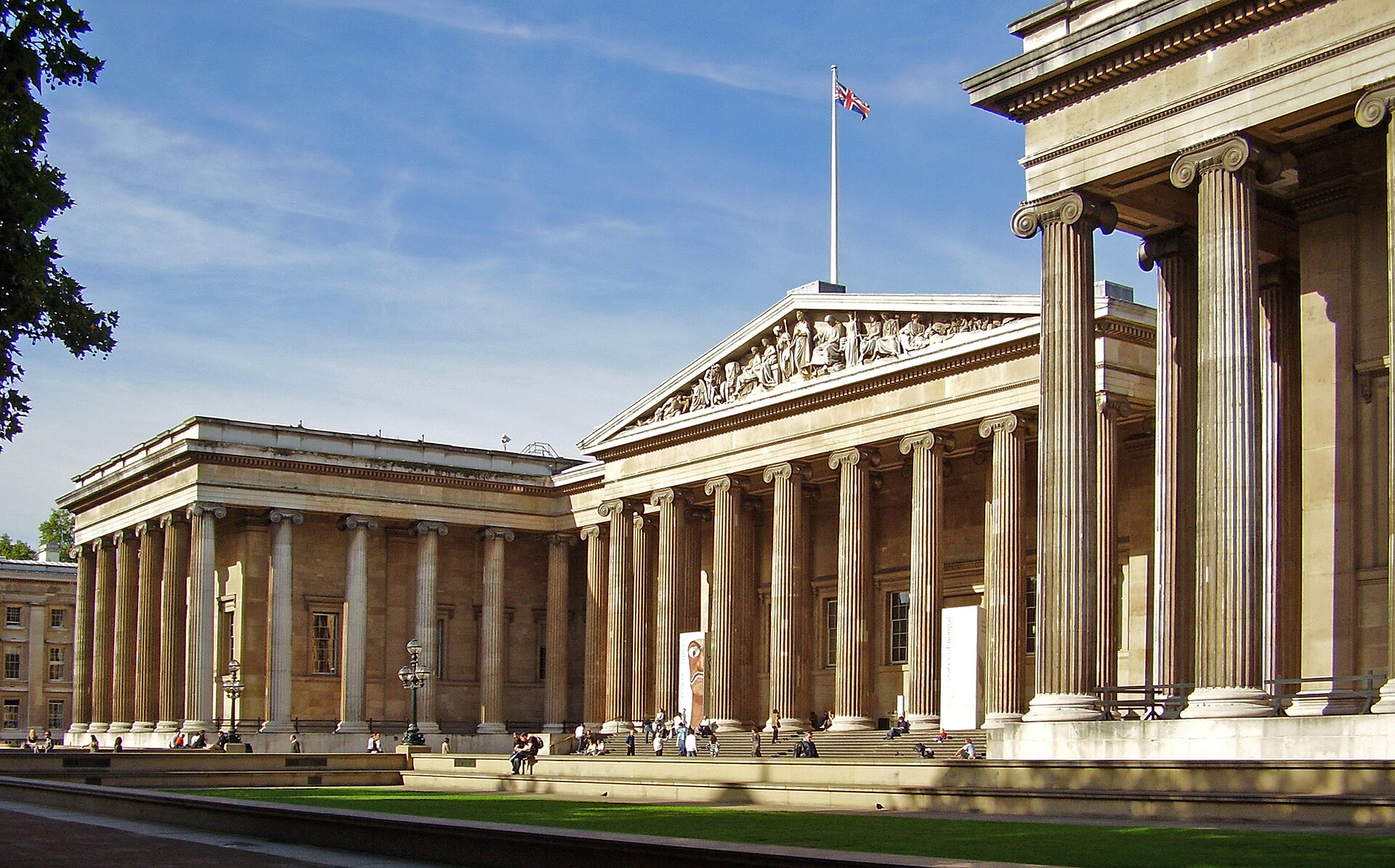
IN — Tottenham Court Road Underground. New Oxford Street leads east; Museum Street turns north; Great Russell Street reaches the British Museum. Leave wheeled luggage elsewhere. Use an advance general-admission booking when available because unticketed entry depends on capacity. Bedford Avenue and Bedford Square offer a practical rendezvous for companions arriving separately.
NETWORK PICK. Tottenham Court Road connects Central, Northern and Elizabeth line services. FORK N finishes at Russell Square on the Piccadilly line. FORK S finishes at Leicester Square on Piccadilly and Northern services. Select the egress that simplifies the onward evening or accommodation return; consult live TfL status rather than assuming the fewest map stops wins.
SLOT — Zone A plus optional Zone B. At the Great Court, locate two selected subjects on the same-day room list. Complete A, return to the court, sit, then vote on B. A separately ticketed exhibition occupies B's place; it never becomes C. A closed room is replaced by a neighbouring open room carrying the selected subject. The court remains the fixed reunion point; Coptic Street remains outside.
FORK N — Montague Place to Russell Square. Take the northern egress, use Bedford Place, cross into the garden square, eat in Bloomsbury and use Russell Square Underground. This compact outcome suits continuous rain, tired legs, sensory overload or an evening based elsewhere. A lap of the gardens and a Southampton Row detour are expendable. The departure entrance is not.
FORK S — Museum Street to Leicester Square. Retrace Great Russell Street and Museum Street, cross New Oxford Street, meet Shaftesbury Avenue, continue to Seven Dials, then use Earlham Street and Neal Street for Covent Garden. Eat within that district. A separately arranged West End performance can follow; no theatre or show is assumed. Leicester Square Underground closes the line. Long Acre signals that the terminus is near.
REFUSAL PLAN. Capacity blocking the scheduled doorway does not trigger an eastbound rescue. Bedford Square, Bloomsbury Street and Bloomsbury Way provide the substitute circuit. Turn north at Southampton Row for FORK N, or south at Drury Lane and Monmouth Street for FORK S. Retain the recorded meal district. Mobility or sensory requirements favour a prior reading of the institution's access guidance and may make N the better egress.
Coordinates for the day sheet: Tottenham Court Road → New Oxford Street → Museum Street → Great Russell Street → Great Court → N or S. This is a collection-building date, not a Thames date. Its success test is simple: two deliberate subjects at most, a known lunch district and one declared final Underground station.
Checked 2026-09-08 · Official site · www.britishmuseum.org
Checked 2026-09-08 · Official site · www.britishmuseum.org
Checked 2026-09-08 · Official site · tfl.gov.uk
One week in London: deepen the three central clusters
Day 4 — use the rejected morning fork. Option P begins at Westminster Underground, uses the pre-arranged legislature entry, pauses on Victoria Street and proceeds via Parliament Street and the government avenue north to Charing Cross. Option R begins at Victoria rail or Underground, uses the seasonal state-room slot, crosses St James's Park after egress and proceeds along the processional avenue through Admiralty Arch. Select P or R solely after inventory appears. Empty inventory turns Option R's doorway into an outside waypoint, not a substitute reservation.
Day 5 — Waterloo to Blackfriars. Leave via York Road and Belvedere Road for Jubilee Gardens. Put the day-one wheel option ahead of the waterside stretch, never midway. Afterwards face east and trace Queen's Walk alongside Festival Hall, National Theatre, Upper Ground and Gabriel's Quay. Pause for food ahead of Bernie Spain Gardens, continuing towards Blackfriars. Poor visibility deletes the aerial option and permits a later origin; an extra purchase is unnecessary.
Day 6 — open one unfinished folder. Folder M arrives Russell Square, enters at Montague Place, studies two topics excluded earlier and departs via Museum Street to Tottenham Court Road. Folder D arrives at the Central-line station beside the dome, uses the independently selected upward trace, descends Peter's Hill towards Bankside and departs Blackfriars. Folder F uses the eastern origin for both endpoints and re-enters solely for a specific programme or unopened building. M, D and F are mutually exclusive plans, never a morning-to-evening chain.
Day 7 — repair or leisure. Copy the first block genuinely lost to rain, an institutional notice or tiredness, together with its original approach and terminal. If everything important survived, select a zero-admission trace: Green Park to the river via Birdcage Walk; Waterloo to Blackfriars via Queen's Walk and Hopton Street; or Russell Square to Covent Garden via Bloomsbury, Monmouth Street and Seven Dials. Put lunch amid the printed endpoints and terminate at that point.
The additions are cumulative: a 4th date gains one state-room-or-legislature choice; a fifth gains the southern embankment; a sixth gains specialist depth; a seventh gains slack. A bell-chamber ascent may replace Option P after its age, loudness and exertion conditions have been accepted. A different request process serves people unable to use that ascent. Query TfL for live connections. These cards state bearings and terminals, not invented durations.
Checked 2026-09-08 · Official site · www.parliament.uk
Checked 2026-09-08 · Official site · www.rct.uk
Checked 2026-09-08 · Official site · www.britishmuseum.org
Checked 2026-09-08 · Official site · www.stpauls.co.uk
Checked 2026-09-08 · Official site · www.hrp.org.uk
Checked 2026-09-08 · Official site · www.londoneye.com
Checked 2026-09-08 · Official site · tfl.gov.uk
London with children: alternate stories and open space

Use a trio of colour-coded cards for younger travellers, not one master itinerary. Cards show IN in green, FOOD in blue and OUT in red. Read the labels aloud at breakfast, describing solely the next segment. A shortened outing stays predictable and carries no language of failure.
Card A: Green Park / Victoria Street / Westminster or Waterloo. Constitution Hill and the forecourt create the initial story; Birdcage Walk supplies movement. At Great George Street, allocate the sole admission to the church doorway selected earlier or continue towards lunch. Cross the Thames solely if the wheel remains welcome after eating. The nearby Underground closes the compact variant; Waterloo closes the cross-river variant.
Card B: east-origin loop / Trinity Square / same origin. Enter with one question—jewels or the arms collection—and terminate once it has an answer. The quayside or St Katharine Docks supplies unstructured movement after food. The domed church from the adult trace is intentionally absent: westerly transit, an additional security boundary and an ascent decision do not improve this loop.
Card C: Tottenham Court Road / Bloomsbury / Russell Square. Use a concise artefact hunt, reunite at the central covered court and take the north exit. Additional rooms happen solely after a seated pause and explicit vote. Consult the venue's younger-visitor sheet, baggage conditions and same-day room list; promise no building-wide coverage.
The horological ascent gets an independent card. Its owner specifies a minimum age, three hundred and thirty-four helical risers inside a tight shaft, plus loud bells; an alternative request process serves people unable to manage the baseline ascent. Discuss the fitness specification with the participating youngster before purchase. Likewise, obtain the relevant mobility diagram before selecting uneven paving or an upper-storey circuit.
Bad weather deletes the longest outside segment. A pushchair, mobility requirement or sensory preference may move the red OUT label closer. FOOD and OUT never disappear. Renewed stamina lets the quayside, garden square or embankment expand; otherwise the party reaches a known Underground entrance without an improvised rescue across the capital.
Checked 2026-09-08 · Official site · www.hrp.org.uk
Checked 2026-09-08 · Official site · www.britishmuseum.org
Checked 2026-09-08 · Official site · www.parliament.uk
Checked 2026-09-08 · Official site · www.stpauls.co.uk
Checked 2026-09-08 · Official site · www.londoneye.com
Build your London plan around reservations and the river

.jpg)
Open the itinerary builder after creating one record per itinerary date with six cells: IN / BEARING / SLOT / FOOD / CUT / OUT. Row 1 reads Green Park / east / one state doorway / Victoria Street / wheel / Waterloo. Row 2 reads east-origin / west / fortress / Cannon Street / upward ascent / Blackfriars. Row 3 reads Tottenham Court Road / east, then north; finish north or south / two topics / Bloomsbury / second topic / Russell Square or Leicester Square.
Enter party and tempo. Audit the generated sequence using BEARING. Reverse order is acceptable solely where accommodation or a genuine check-in window explains it. SLOT records one hard booking; outdoor façades, gardens and crossings never qualify. On Row 2, the domed church remains a post-food depth choice instead of a second immovable slot.
FOOD names an area, not an invented restaurant. Check the chosen business's published service, price and dietary information. If IN is late, delete CUT; never move FOOD into the homeward connection. Ask TfL for a fresh connection near departure and leave the worksheet without universal transit durations.
Clone the sheet into WET and MOBILITY versions. WET shortens the garden, crossing or embankment segment. MOBILITY replaces an unsuitable ascent or uneven-paving circuit from the responsible institution's map and may alter OUT. A Row 2 amendment never rewrites Rows 1 or 3.
Consult the shortlist solely when SLOT is undecided. Records 4, 5 and 6 import one complete line apiece from the weekly instructions above. Leave Row 7 empty until weather, mobility or an institutional notice displaces a desired slot. Completion means rows carry IN, BEARING and OUT, avoiding a last-minute cross-city dash.
Checked 2026-09-08 · Official site · tfl.gov.uk
Checked 2026-09-08 · Official site · www.parliament.uk
Checked 2026-09-08 · Official site · www.rct.uk
Checked 2026-09-08 · Official site · www.hrp.org.uk
Turn this list into a plan
Set your days, your pace and the hours you actually want to be out. The planner works around closing days and travel time, and leaves room to eat.