5 min walk
Al-Shafi’i
- Must see
- Historic monument
Language · 11 published
Historic monument · Jeddah
بيت الشربتلي
Read from the OpenStreetMap access tags; anything not listed has no tag recorded.
Set the group type to family in the planner and the day window contracts to about three quarters of a solo day.
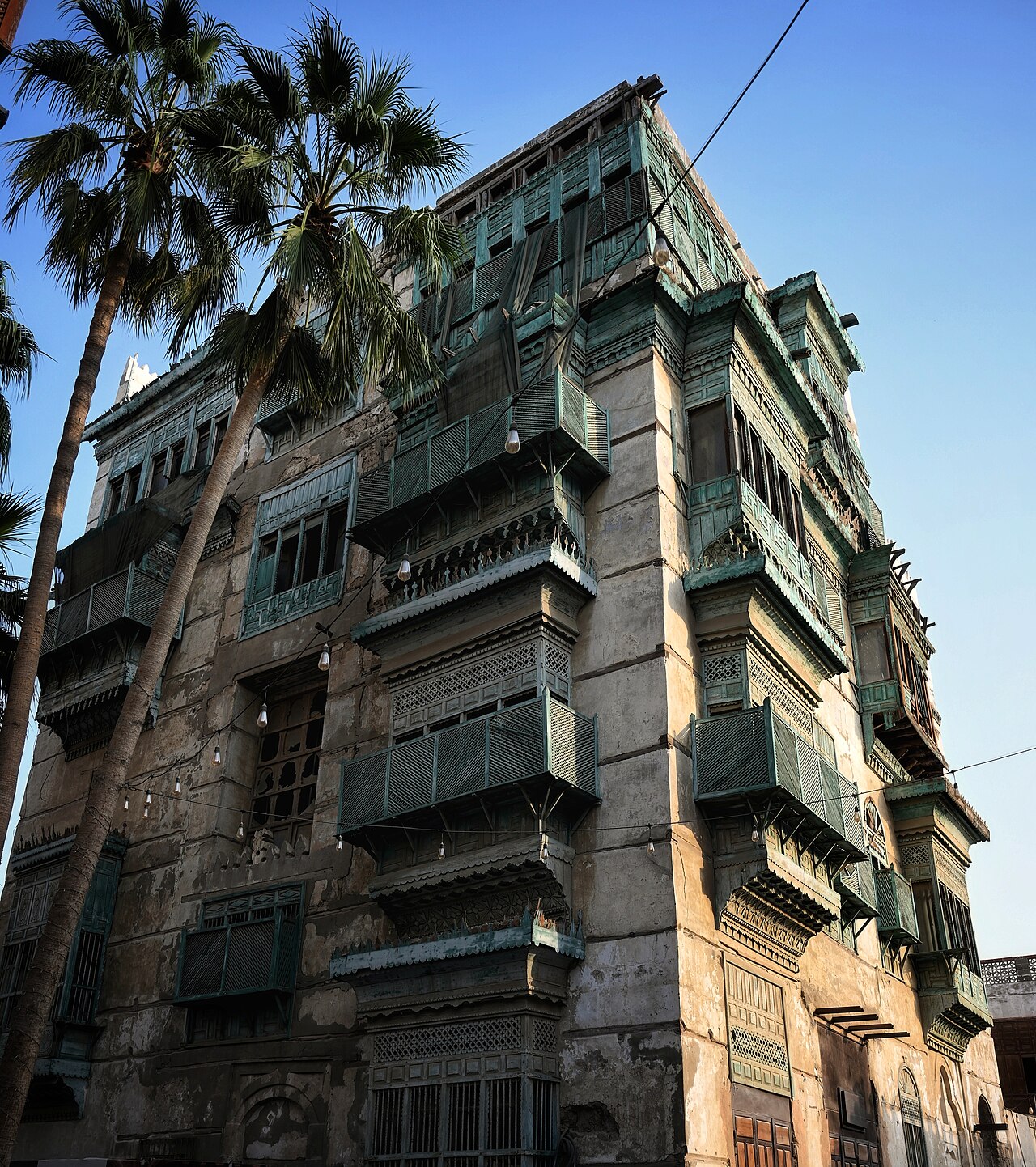
Bait Al-Sharbatly is a historic building in Jeddah, Saudi Arabia, bearing the local name بيت الشربتلي. It stands within the city's historic core, reflecting the architectural heritage of the Red Sea coastal settlement. The structure represents the traditional coral-stone construction and wooden latticework characteristic of Hijazi merchant houses. As a meaningful city attraction, it contributes to understanding Jeddah's development as a port and trading center. No recurring daily visitor schedule is published. Responsible public-body sources describe the house as a venue for national and cultural events and art exhibitions.
Checked 2026-08-31 · Source
Traditional houses of this type typically contained reception rooms, private family quarters, and courtyards designed for ventilation and privacy. Decorative elements often included intricate woodwork on windows and doors. Visitors should verify current access and contents before planning a visit. A flexible visit lets travellers connect Bait Al-Sharbatly with the rest of the day without treating one room, viewpoint or photograph as the whole experience. The useful pace depends on personal interest and conditions on arrival. No single general-admission price is published; access is tied to announced cultural events and exhibitions.
Checked 2026-08-31 · Source
The appropriate duration for visiting Bait Al-Sharbatly depends on its accessibility and the visitor's interest in architectural detail. Historic house visits in similar contexts typically range from thirty minutes to two hours. Without confirmed information about guided tours, exhibition spaces, or interactive elements, visitors should allocate flexible time. Those with specialized interest in Hijazi architecture or Jeddah's urban history may wish to examine structural features more extensively. Adjacent historic district exploration would extend any visit substantially. The historic house has four floors. Responsible-body visitor information does not document a lift, ramp or continuous step-free route.
Checked 2026-08-31 · Source
No recurring daily visitor schedule is published. Responsible public-body sources describe the house as a venue for national and cultural events and art exhibitions. Visitors should not rely on assumed schedules. Jeddah's climate features extremely hot summers with high humidity due to Red Sea proximity, making outdoor walking in historic districts uncomfortable from May through September. Cooler months from November to March offer more pleasant conditions for exploring the old city on foot. Ramadan and Hajj periods may affect access to cultural sites. Advance verification of opening status is essential before travel. Bait Al-Sharbatly stands in the UNESCO-listed Historic Jeddah district. The official visitor site places Al-Balad about a seven-minute walk from the SAPTCO bus stop, 17 minutes by car from Al-Sulaymaniyah Haramain Railway Station and 40 minutes by car from King Abdulaziz International Airport.
Checked 2026-08-31 · Source
No single general-admission price is published; access is tied to announced cultural events and exhibitions. Many historic buildings in Jeddah's old city operate with variable access arrangements. Group rates, student concessions, and combined tickets with nearby attractions remain unverified. Direct contact with site management or official tourism channels is necessary for accurate cost information.
Checked 2026-08-31 · Source
Bait Al-Sharbatly stands in the UNESCO-listed Historic Jeddah district. The official visitor site places Al-Balad about a seven-minute walk from the SAPTCO bus stop, 17 minutes by car from Al-Sulaymaniyah Haramain Railway Station and 40 minutes by car from King Abdulaziz International Airport. The Salam Air destination page confirms Jeddah as a served city but provides no specific transport guidance. Taxis and ride-hailing services operate throughout Jeddah. Walking from nearby historic district landmarks may be feasible. Parking availability in narrow old city streets is typically constrained.
Checked 2026-08-31 · Source
The historic house has four floors. Responsible-body visitor information does not document a lift, ramp or continuous step-free route. Visitors should exercise caution regarding building access status, as historic properties frequently change operational arrangements without public notification. Structural conditions in heritage buildings may present uneven surfaces, steep staircases, or low doorways. Jeddah's intense heat demands adequate hydration and sun protection during any walking approach. Conservative dress standards apply throughout Saudi Arabia. Photography permissions inside historic buildings require explicit verification. The surrounding historic district may have limited commercial services, so visitors should carry essentials. Language barriers may complicate on-site inquiries.
Checked 2026-08-31 · Source
Exterior photography of historic architecture is generally tolerated in public spaces of Saudi Arabia, though sensitivity to privacy and security considerations applies. Interior photography in heritage buildings often requires explicit permission, with flash and tripod use commonly restricted to protect delicate materials. The wooden rawasheen windows and coral stone facades offer distinctive visual subjects. Drone operation near any Saudi structure demands official permits. Visitors should request guidance from any present staff or custodians.
Checked 2026-08-31 · Source
Saudipedia dates the construction of the historic house to 1916.
The house stands in Jeddah's Historic Jeddah, or Al-Balad, heritage district.
The Ministry of Culture's Historic Jeddah District Program manages the surrounding heritage district.
The building served as the Egyptian Embassy's headquarters in Saudi Arabia for twenty years.
Its wooden rawashin, or roshan windows, and balconies extend across the building's floors.
Responsible sources describe it as a cultural venue for national events and art exhibitions.
Loading the interactive map…
The interactive map could not be loaded.

Last updated:
Source: OpenStreetMap contributors ·