Museum of Islamic Art
The Museum of Islamic Art is a purpose-built museum on Doha's Corniche waterfront, designed by architect I. M. Pei. It houses a collection of Islamic art spanning multiple centuries and geographic regions.
- Must see
- Museum
- Doha
Language · 11 published
Country guide
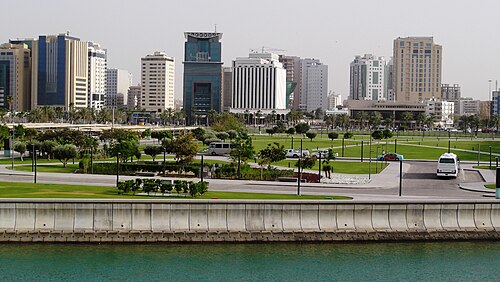
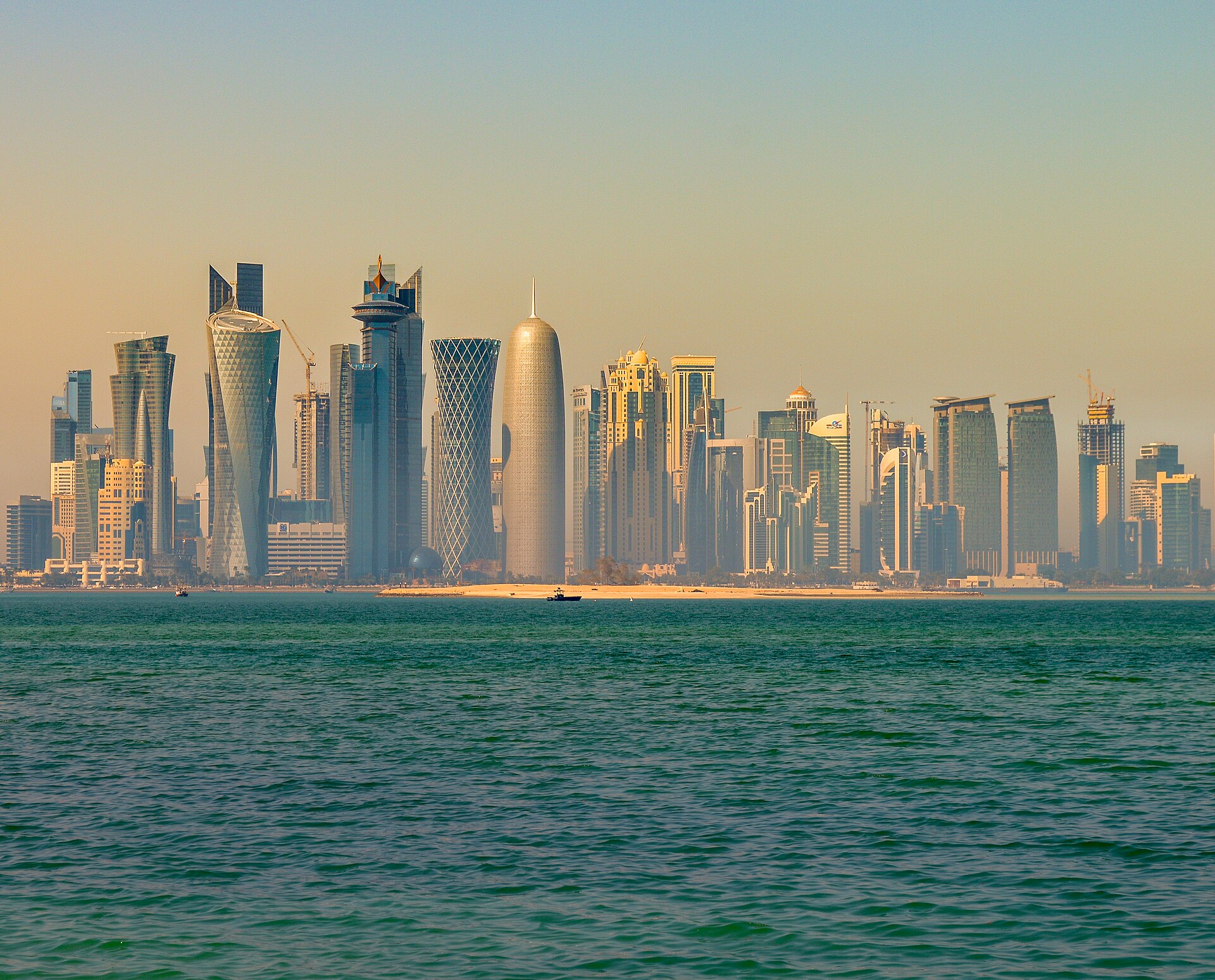
Qatar is a peninsula of 11,581 square kilometres with a single land border, Saudi Arabia to the south, and the Gulf on every other side. More than 80 per cent of its people live in Doha, so the country and its capital are close to the same trip: the museums, the corniche, the rebuilt souq and the towers of West Bay all sit one short drive apart. Beyond the city the land is flat, low desert, and what visitors go out for are day trips — the inland sea in the south, the fort at Al Zubarah in the northwest. Nothing on that list needs an overnight stay.
Every city catalogued in this country so far, ranked by how much there is to see.
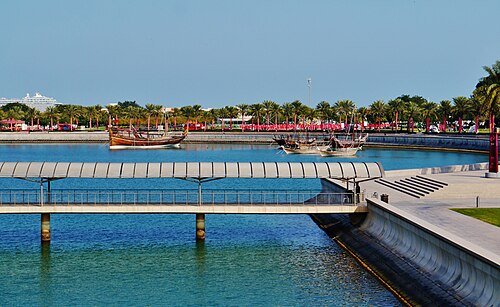
Photograph · Francisco Anzola · CC BY 2.0
Ranked by importance — sitelinks, pageviews and heritage status, not editor preference.
100 places match
Category
Typical visit duration
The Museum of Islamic Art is a purpose-built museum on Doha's Corniche waterfront, designed by architect I. M. Pei. It houses a collection of Islamic art spanning multiple centuries and geographic regions.
The National Museum of Qatar is a landmark museum in Doha designed by architect Jean Nouvel. Its striking form evokes a desert rose, a crystal formation found in Qatar's arid regions.
Souq Waqif is a restored traditional market in the heart of Doha, Qatar's capital. The name translates approximately to 'the standing market,' referencing its historical origins as a trading site where Bedouin merchants would stand to sell goods.
The Doha Corniche is a waterfront promenade curving around Doha Bay in Qatar's capital. The crescent-shaped walkway stretches several kilometres along the coastline, connecting the city's dhow harbour with its modern skyline.
Katara Cultural Village is Doha's principal purpose-built arts and culture district. The complex brings together performance venues, art galleries, mosques, public art installations, a beach, and dining options in one walkable area.
Msheireb Museums is a cluster of four heritage houses in the Msheireb Downtown Doha district, restored to document Qatar's social history. The museums occupy traditional courtyard residences: Bin Jelmood House, Company House, Mohammed Bin Jassim House, and Radwani House.
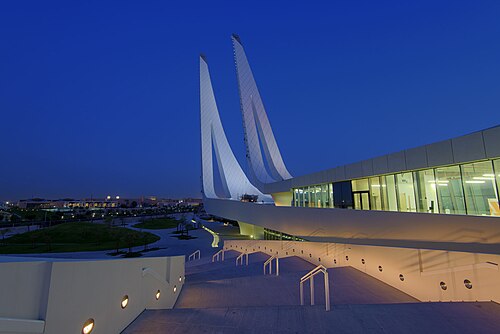
Qatar National Library is a major cultural institution in Doha, opened in 2017 and designed by renowned architect Rem Koolhaas. The building features a striking geometric form with a folded roof structure and extensive glass facades.
The Pearl-Qatar is an artificial island development in Doha, Qatar. Built on reclaimed land spanning approximately four million square metres, it is one of the largest man-made developments in the region.
The 3-2-1 Qatar Olympic and Sports Museum is a national sports museum located in Doha, Qatar. It occupies a purpose-built facility within the Khalifa International Stadium complex in Aspire Zone.
Mathaf: Arab Museum of Modern Art is a specialist museum in Doha dedicated to modern and contemporary Arab art. Its Arabic name is متحف: المتحف العربي للفن الحديث.
Khor Al Adaid, also known as the Inland Sea, is a tidal embayment in southeastern Qatar where the sea intrudes deep into the desert.
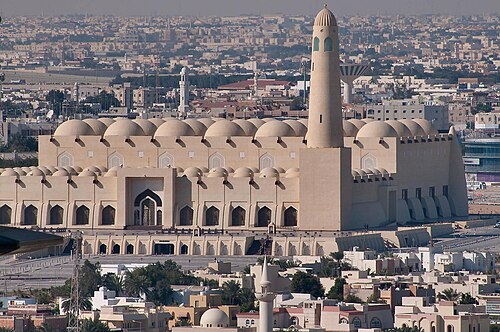
The Imam Muhammad ibn Abd al-Wahhab Mosque is the national mosque of Qatar, located in Doha.
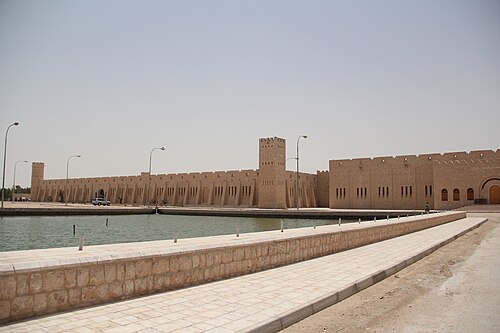
The Sheikh Faisal Bin Qassim Al Thani Museum is a private museum located near Doha, Qatar. It was established by Sheikh Faisal bin Qassim Al Thani, a member of Qatar's ruling family, to house his personal collections accumulated over decades.
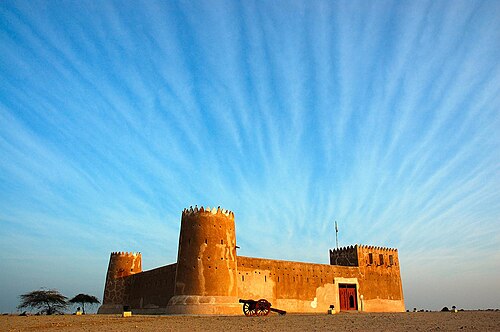
Al Zubarah Archaeological Site and Fort is a UNESCO World Heritage Site located on Qatar's northwest coast. The settlement was a prosperous pearl fishing and trading port that flourished from the late eighteenth to early nineteenth centuries.
East-West/West-East is a public art installation by American sculptor Richard Serra, located in the Brouq Nature Reserve northwest of Doha. Commissioned by Qatar Museums, the work consists of four steel plates arranged in a line across a desert plain.
Education City Mosque is a contemporary Islamic place of worship located within Qatar Foundation's Education City campus in Doha. The mosque serves the educational community and welcomes visitors interested in Islamic architecture and culture.
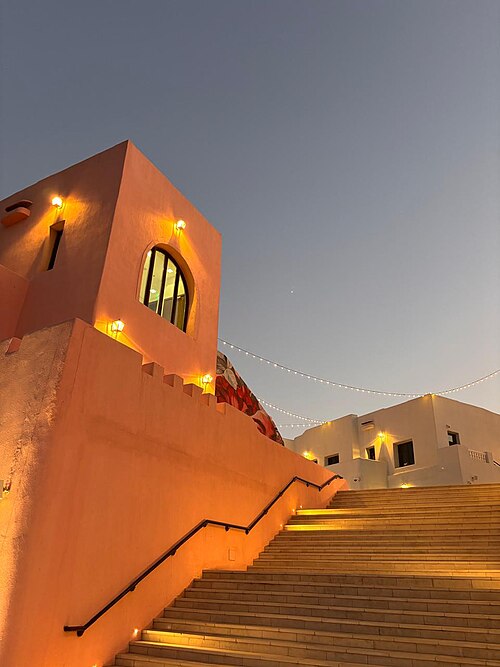
Mina District is a regenerated waterfront quarter at Doha's Old Port, locally known as حي المينا. The area occupies former port infrastructure along the Arabian Gulf, repurposed into a pedestrian-focused destination.
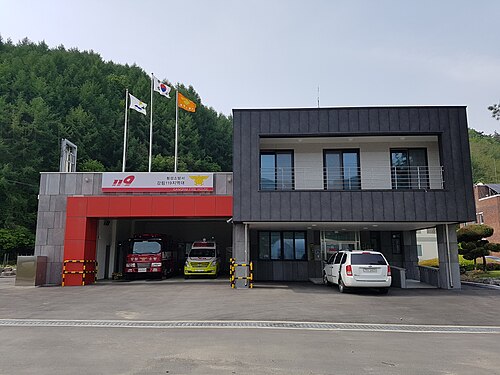
The Fire Station: Artist in Residence is a contemporary arts centre in Doha, Qatar. Originally built as a working fire station, the building was repurposed as a cultural venue.
Al Koot Fort, known locally as قلعة الكوت, is a historic military fortress located in Doha, Qatar. The fort stands near Souq Waqif, one of Doha's most prominent traditional marketplaces.
The Fanar Qatar Islamic Cultural Center, locally named مركز الشيخ عبد الله بن زيد آل محمود الثقافي الإسلامي, stands as a prominent cultural institution in Doha.
Purple Island, locally known as Jazirat Bin Ghanim, is a coastal island near Al Khor in northern Qatar. The site lies within an intertidal zone with mangrove forests and is recognized for its distinctive purple dye historical association.
Doha Quest is a large indoor theme park located within the Doha Oasis complex in Qatar's capital. It is positioned as the city's strongest all-weather ride destination, offering visitors a climate-controlled environment for entertainment regardless of external conditions.
Banana Island Resort Doha by Anantara is a luxury island resort located off the coast of Doha, Qatar. The property occupies a crescent-shaped island accessible only by boat, offering an exclusive retreat from the mainland.
Al Jassasiya Rock Carvings are Qatar's most extensive rock art site, located on the northeast coast. The local name is نقوش الجساسية الصخرية. The site contains numerous petroglyphs carved into the limestone rock face.
M7 is Msheireb's design, fashion, and technology centre, serving as a principal platform for Qatar's contemporary creative industries. Located in Doha's Msheireb Downtown district, the venue hosts major exhibitions and supports the development of local and regional creative talent.
The Museum of Islamic Art Park is a landscaped public promenade surrounding the Museum of Islamic Art on a purpose-built peninsula in Doha, Qatar.
Katara Mosque is a contemporary Islamic place of worship located within Katara Cultural Village in Doha, Qatar. Known locally as مسجد كتارا, it stands as one of the most visually striking religious structures in the capital.
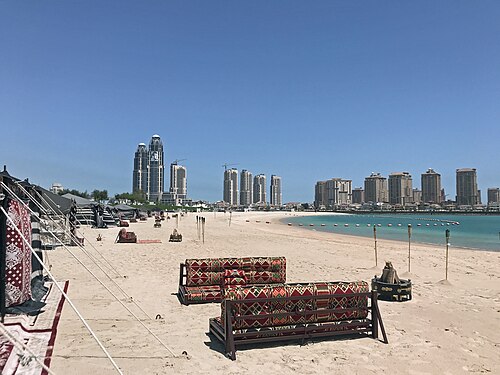
Katara Beach is a public beach located within the Katara Cultural Village in Doha, Qatar. The cultural village itself is a major arts and heritage destination, and the beach extends its offerings to include coastal recreation and water-based activities.
Bin Jelmood House is a heritage museum in Doha, Qatar, forming part of the Msheireb Museums cluster in the Msheireb Downtown Doha district. Its local name is بيت بن جلمود.
Company House, locally known as بيت الشركة, is a heritage house in Doha's Msheireb district. It forms part of the Msheireb Museums, a cluster of four restored traditional houses documenting Qatar's social history.
Oxygen Park is a landscaped public park located within Education City in Greater Doha, Qatar. Its local name is حديقة الأكسجين.
The Miraculous Journey is a public-art installation by British artist Damien Hirst comprising fourteen monumental bronze sculptures.
Aspire Park is one of Doha's largest established parks, situated within the Aspire Zone sports complex. The park features a lake, extensive lawns, and family recreation facilities.
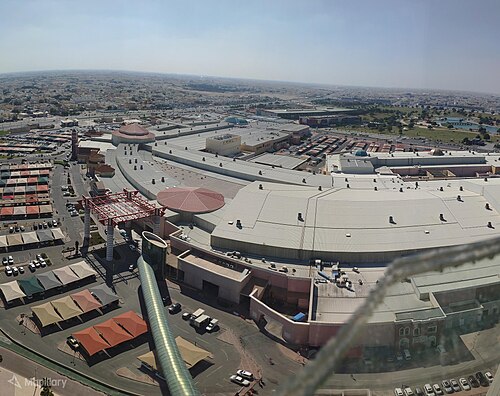
Villaggio Mall is a large shopping and leisure complex in Doha, Qatar. Its interior design adopts a Venetian theme, featuring painted ceiling skies, architectural facades reminiscent of Italian streets, and an indoor canal with gondola rides.
Al Bidda Park is a large central public park in Doha, Qatar, situated alongside the Doha Corniche. Its local name is حديقة البدع.
5/6 Park is a contemporary public park in Doha, Qatar, known locally as حديقة 5/6. The park features distinctive landscaping shaped like the map of Qatar, making it immediately recognizable from aerial views.
Umm Al Seneem Park is a large family park in Doha, Qatar. Its local name is حديقة أم السنيم.
Al Maha Island is a leisure and entertainment destination situated on the northern edge of Greater Doha, within the broader Lusail development area. The island functions as a waterfront precinct combining dining options with seasonal entertainment programming.
OliOli Doha Children's Museum is a hands-on play museum designed for younger children, positioned among Doha's strongest indoor learning attractions. The facility emphasizes interactive engagement over passive observation, targeting early childhood development through structured play environments.
The Museum of Illusions Doha is an interactive optical-illusion venue located within The Gate Mall in West Bay. It offers a compact family museum experience centered on visual trickery and perceptual phenomena.
Source: OpenStreetMap contributors, Wikidata ·
Three to five days is enough for Doha museums, Souq Waqif, the Corniche and one desert or northern-coast outing. Qatar is compact, so changing hotels rarely saves time; add a night when a stadium event or long stopover limits the hours available for sightseeing.
Use Visit Qatar’s official visa checker for the passport you will actually carry. Qatar may offer visa-free entry, visa on arrival or require advance permission depending on nationality and journey, so verify the conditions again if Doha is only a stopover or the itinerary changes.
Doha Metro links Hamad International Airport with major urban districts, while buses and taxis fill gaps around the city. Desert, mangrove and northern sites generally need a road transfer or licensed excursion; check the final return arrangement before leaving the metro corridor.
November to March gives the most comfortable conditions for outdoor Doha and desert time. In hotter months, build the day around indoor museums and reserve exposed walks for morning or evening; event dates can also change hotel supply and transport demand.
Qatar uses the Qatari riyal. Electronic payment is widespread in Doha, but a modest cash reserve is useful for small purchases and situations where a terminal is unavailable; check the displayed QAR total before accepting card conversion or a taxi fare.
The general emergency number is 999, and the electricity standard recorded here is Type G at 240 V. Tap-water suitability is Not recorded in this dataset; use accommodation guidance instead of treating the absence of a warning as confirmation.