

479 min walk
Al Jassasiya Rock Carvings
- Must see
- Historic monument
Language · 11 published
Historic monument · Doha
| Monday | 09:00 – 17:00 |
|---|---|
| Tuesday | 09:00 – 17:00 |
| Wednesday | 09:00 – 17:00 |
| Thursday | 09:00 – 17:00 |
| Friday | 12:30 – 17:00 |
| Saturday | 09:00 – 17:00 |
| Sunday | 09:00 – 17:00 |
Checked 2026-08-31 · Source
Read from the OpenStreetMap access tags; anything not listed has no tag recorded.
Set the group type to family in the planner and the day window contracts to about three quarters of a solo day.
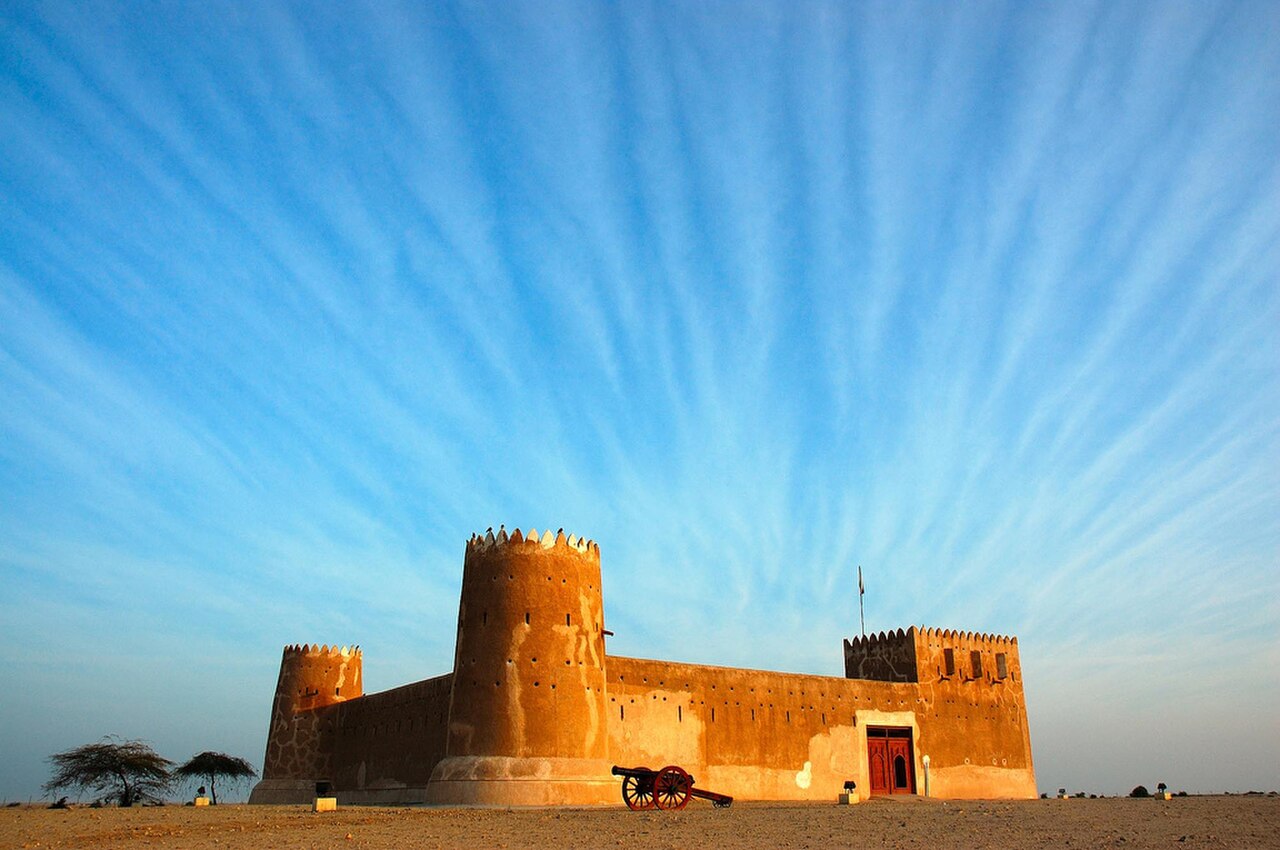
Al Zubarah Archaeological Site and Fort is a UNESCO World Heritage Site located on Qatar's northwest coast. The settlement was a prosperous pearl fishing and trading port that flourished from the late eighteenth to early nineteenth centuries. The site includes the remains of a fortified town, a fort, and associated archaeological deposits. It represents one of the best-preserved examples of an eighteenth-nineteenth century merchant town in the Gulf region. The site was inscribed on the UNESCO World Heritage List in 2013.
Checked 2026-08-31 · Source
The site encompasses the Al Zubarah Fort, built in 1938 on the foundations of an earlier structure. Visitors can explore the fort's rooms and courtyard. The surrounding archaeological site contains the remains of the old town, including residential palaces, mosques, and market areas. The site also includes a visitor centre with displays about the history and archaeology of the settlement. The nearby Murair Fort and the more distant Al Areeq Fort are also associated with the site. Excavations have revealed extensive evidence of the town's layout and daily life.
Checked 2026-08-31 · Source
Visitors typically spend two to three hours exploring the fort and the immediate archaeological site. Those with a strong interest in archaeology or Gulf history may wish to allocate half a day to appreciate the full extent of the remains and visitor centre displays. The remote location means travel time from Doha must be factored into any visit. The site is spread over a considerable area, so walking between features takes time. A thorough visit requires patience and appropriate footwear for sandy terrain.
Checked 2026-08-31 · Source
Saturday–Thursday 09:00–17:00; Friday 12:30–17:00 Open daily; the operator lists no regular weekly closure day. The site is located in an exposed coastal desert environment, so cooler months from November to March offer more comfortable conditions for outdoor exploration. Summer temperatures can be extreme and make extended walking difficult. Morning visits are advisable for better light and to avoid afternoon heat. Visitors should check current opening times with Qatar Museums before travelling, as access may be restricted during archaeological work or conservation activities. Seasonal weather patterns should inform planning.
Checked 2026-08-31 · Source
Ticketed entry covers both Al Zubarah Archaeological Site and Al Zubarah Fort. On 2026-08-31, the operator’s live booking flow marked tickets unavailable and published no single adult/general price. The site is managed by Qatar Museums, which oversees multiple heritage sites in the country. Some Qatar Museums sites operate with free admission, but visitors should verify current arrangements directly. Group tours or educational programmes may have separate arrangements. Any changes to access policy since inscription as a World Heritage Site should be confirmed with official sources. Visitors should not rely on outdated information regarding entry requirements or costs for this remote destination.
Checked 2026-08-31 · Source
The fort is in Madinat Ash Shamal, approximately 105 km northwest of Doha. Qatar Tourism specifies arrival by car or taxi. Qatar Museums’ directions lead to Al Zubarah Parking Lot; visitors can start at the fort and use the internal shuttle between the fort and the town remains. Al Zubarah lies approximately one hundred kilometres northwest of Doha. The journey by road takes roughly one hour, with the final stretch on unpaved or semi-paved surfaces. A four-wheel-drive vehicle is advisable, particularly after rain. There is no public transport serving the site directly. Self-drive or organised tour are the practical options. Signage from the main road exists but is limited. The remote location means visitors must be self-sufficient with water, fuel, and supplies. Mobile phone coverage may be unreliable in areas along the route.
Checked 2026-08-31 · Source
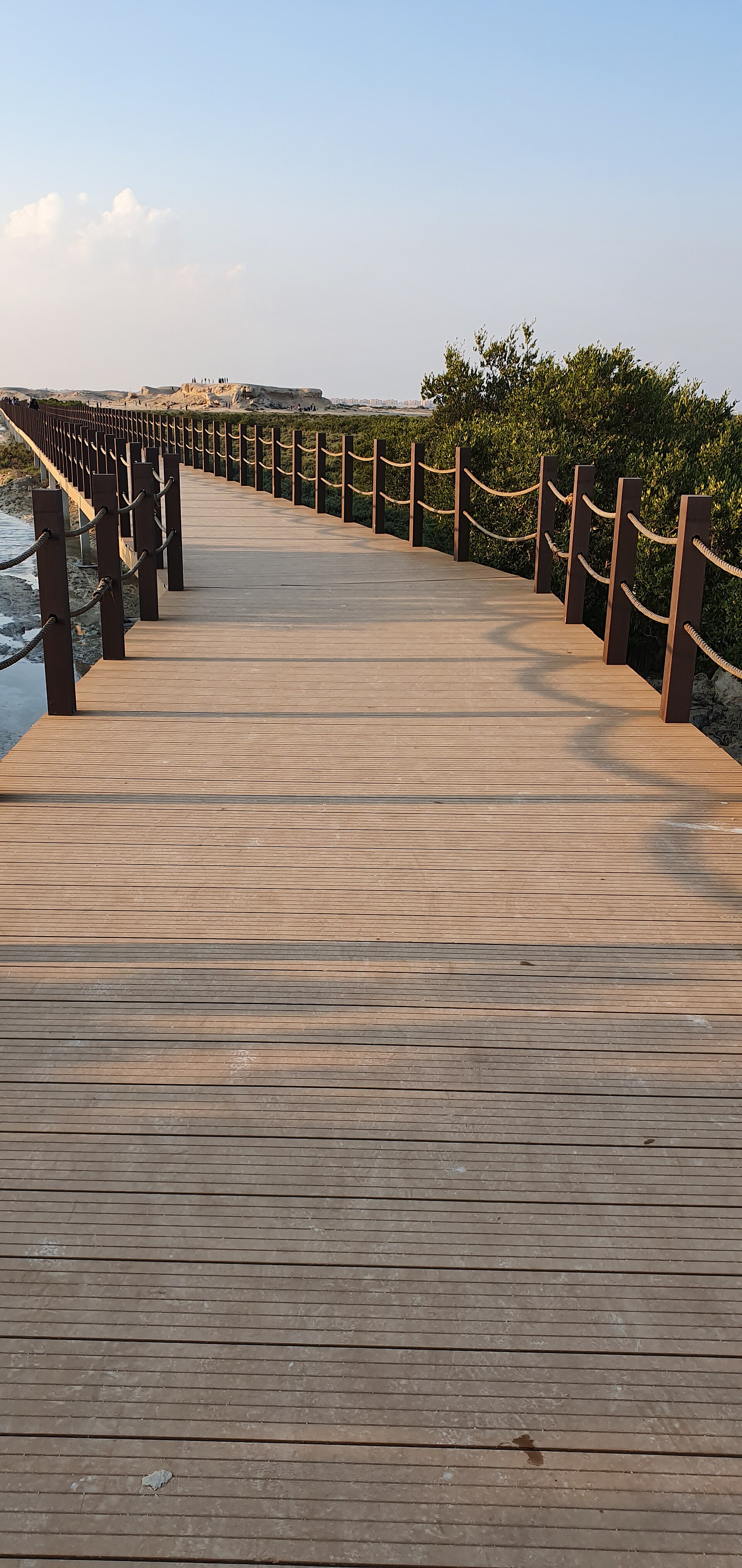
A wide boardwalk helps visitors move around the archaeological site. Qatar Museums warns that archaeological-site paths can be uneven. A shuttle operates between the fort and the town remains. A Service Centre near the fort has restrooms; Qatar Museums’ group guidance also identifies bathrooms, prayer rooms and shaded seating at Al Zubarah. Visitors requiring mobility support should contact [email protected] in advance so the visit can be adapted. The desert environment presents hazards including intense sun exposure, limited shade, and loose ground surfaces. Visitors should carry ample water and sun protection regardless of season. The site has minimal facilities, so there are no food services or extensive shelter. Archaeological remains are fragile and protected; visitors must stay on designated paths. The isolation means mechanical breakdown or medical emergency would be serious; vehicles should be in good condition. Sandstorms can occur with little warning. Respect for the heritage values of this UNESCO site is essential.
Checked 2026-08-31 · Source
The fort and archaeological remains offer distinctive subjects for photography, with the desert setting providing dramatic context. Early morning and late afternoon light enhance textures of the coral stone and plaster construction. The flat landscape allows for broad compositional views. Visitors should avoid climbing on walls or entering restricted excavation areas for vantage points. The minimalist environment rewards careful composition. Memory cards and batteries should be checked before departure given the remote location.
Checked 2026-08-31 · Source
One ticket covers admission to both Al Zubarah Archaeological Site and Al Zubarah Fort.
The remains cover about 60 hectares, and the protected site extends approximately 2.5 km from Al Zubarah Fort to the coast.
Qatar Museums recommends beginning at Al Zubarah Fort, which serves as the visitor centre, before exploring the coastal town remains.
Facilities near the fort include a Service Centre with restrooms, prayer rooms and shaded seating, plus a shuttle linking the fort and town remains.
Al Zubarah Archaeological Site was inscribed in 2013 as Qatar’s first property on the UNESCO World Heritage List.
The fort was built in 1938, served as a military and police post until 1986, and later became a museum and visitor centre.
Loading the interactive map…
The interactive map could not be loaded.

Last updated:
Source: OpenStreetMap contributors ·