548 min walk
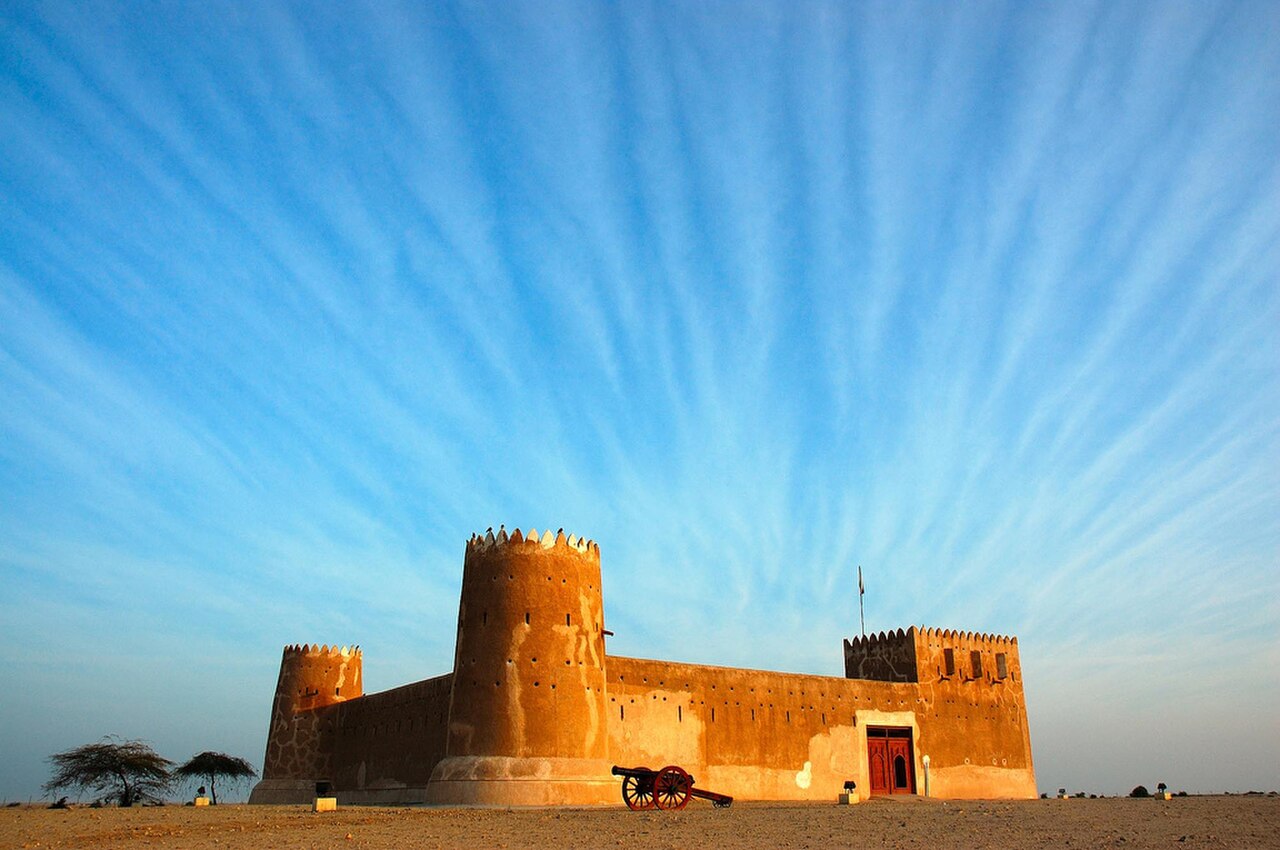
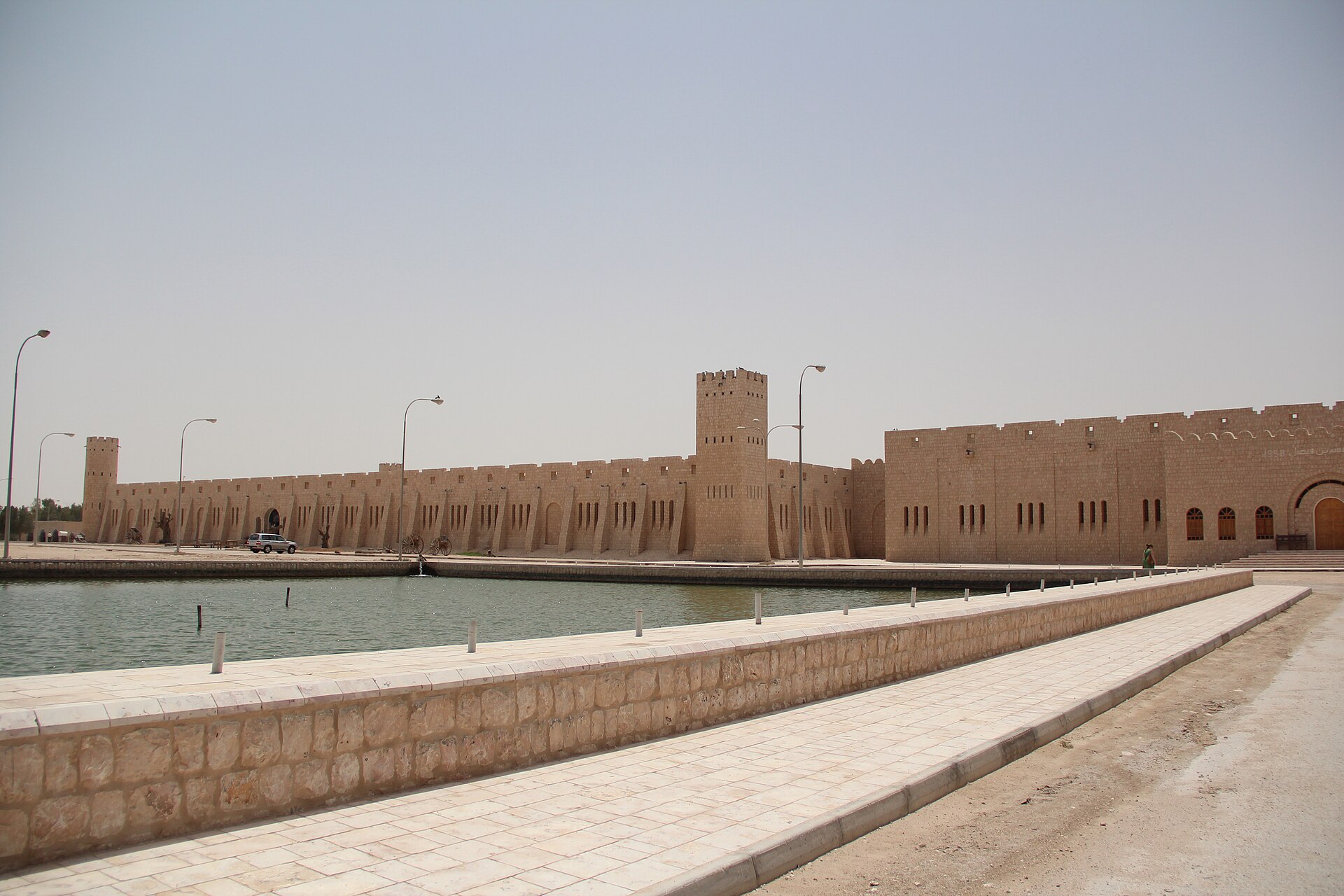
Sheikh Faisal Bin Qassim Al Thani Museum
- Must see
- Museum
Language · 11 published
Art and culture venue · Doha

| Monday | 00:00 – 23:59 |
|---|---|
| Tuesday | 00:00 – 23:59 |
| Wednesday | 00:00 – 23:59 |
| Thursday | 00:00 – 23:59 |
| Friday | 00:00 – 23:59 |
| Saturday | 00:00 – 23:59 |
| Sunday | 00:00 – 23:59 |
Checked 2026-08-31 · Source
Read from the OpenStreetMap access tags; anything not listed has no tag recorded.
Set the group type to family in the planner and the day window contracts to about three quarters of a solo day.
East-West/West-East is a public art installation by American sculptor Richard Serra, located in the Brouq Nature Reserve northwest of Doha. Commissioned by Qatar Museums, the work consists of four steel plates arranged in a line across a desert plain. The installation explores the relationship between the viewer, the landscape, and the monumental scale of industrial materials. Serra is renowned for his large-scale site-specific works that engage with place and perception. This piece continues his lifelong investigation into the properties of weathering steel and its interaction with natural environments over time.
Checked 2026-08-31 · Source
The installation comprises four steel monoliths standing in a row, their heights adjusted to maintain a consistent visual level across the uneven desert terrain. The plates are fabricated from weathering steel, a material Serra favors for its ability to develop a protective rust patina. The work creates a corridor-like space between the elements, inviting visitors to walk through and experience shifting perspectives. The desert setting of the Brouq Reserve provides a stark, minimalist backdrop that amplifies the sculpture's geometric severity and material presence against the flat, expansive landscape.
Checked 2026-08-31 · Source
The duration of a visit depends on individual engagement with the work and travel time from Doha. The installation itself requires minimal time to approach and walk through, though many visitors choose to contemplate the piece from various distances and angles. The remote location necessitates a dedicated excursion rather than a brief stop. Visitors typically combine the journey with other destinations in northwestern Qatar. The unshaded environment means exposure to sun and heat should factor into planning. Sufficient water and sun protection are essential for any extended stay in the desert surroundings.
Checked 2026-08-31 · Source
Daily, all day; no closure days. This is an outdoor desert installation. Qatar Museums recommends visiting at dawn or dusk to avoid the hottest part of the day. The installation is situated in an open desert environment without enclosed facilities, suggesting accessibility may not follow conventional museum schedules. Seasonal considerations are significant for visitor comfort. Qatar's summer months bring extreme temperatures that make outdoor desert exploration hazardous. The cooler period from late autumn through early spring generally permits more comfortable conditions for walking and standing in exposed terrain. Early morning and late afternoon visits may offer more favorable light for viewing and photographing the steel surfaces. Wind conditions can affect comfort and visibility in this coastal desert location.
Checked 2026-08-31 · Source
Free entry; no admission ticket is required. As a public art installation managed under Qatar Museums' public art program, access may not require individual ticket purchase. However, verification of current policy is essential before visiting. Some remote cultural sites in Qatar have implemented registration or guided visit requirements. The Qatar Museums website provides official information on visiting protocols. Visitors should consult authoritative sources rather than assuming unrestricted access. Any transportation arrangements to reach the Brouq Reserve location may involve costs separate from site admission. Commercial tour operators in Doha may offer packaged excursions that include this destination.
Checked 2026-08-31 · Source
The installation occupies natural desert terrain and extends for more than 1 km, so the route is not a continuous paved, step-free visitor path. Qatar Museums requires visitors to use designated routes, entrances and car parks; motor vehicles may not continue beyond designated parking points. There is no public transport to Zekreet, and Visit Qatar recommends a 4x4 for the approach. The Brouq Nature Reserve lies approximately eighty kilometers northwest of central Doha, requiring private vehicle or arranged transport. No public transportation serves this remote location directly. Road conditions vary; a vehicle with adequate ground clearance is prudent for desert approach routes. Navigation requires preparation as mobile signal may be intermittent. Some visitors engage professional drivers familiar with the area. The Qatar Museums website may provide directional guidance or coordinate access.
Checked 2026-08-31 · Source
The installation occupies natural desert terrain and extends for more than 1 km, so the route is not a continuous paved, step-free visitor path. Qatar Museums requires visitors to use designated routes, entrances and car parks; motor vehicles may not continue beyond designated parking points. There is no public transport to Zekreet, and Visit Qatar recommends a 4x4 for the approach. The desert environment presents genuine hazards including extreme heat, intense solar exposure, and sudden weather changes. No shelter, shade, or services exist at the installation site. Mobile telephone coverage cannot be relied upon for emergency communication. The steel plates may become dangerously hot under direct sun and should not be touched without testing surface temperature. Loose footwear is unsuitable for walking on heated metal or uneven ground. Wildlife encounters, while uncommon, are possible in the reserve.
Checked 2026-08-31 · Source
The stark geometry of the steel plates against flat desert terrain offers strong photographic potential. The linear arrangement creates natural leading lines and framing opportunities. Light conditions change dramatically throughout the day, with sunrise and sunset producing extended shadows and warm coloration on the rusted surfaces. Midday sun eliminates shadow definition and creates harsh contrast. The scale of the work relative to human figures can be emphasized through composed shots. Wind may generate dust affecting equipment and visibility.
Checked 2026-08-31 · Source
American artist Richard Serra created the installation in 2014 for Brouq Nature Reserve.
It comprises four steel plates, each more than 14 metres high, aligned across more than 1 km of desert.
Yes. Visit Qatar includes it among Qatar’s free public artworks, and no admission ticket is required.
Qatar Museums recommends dawn or dusk, when visitors avoid the hottest part of the day and the low light emphasizes the installation.
No. Visit Qatar states that Zekreet has no public transport and recommends travelling by 4x4.
Use designated routes, entrances and car parks; do not drive beyond designated parking points. Littering, vandalism, bonfires, scribbling and spraying are prohibited.
Loading the interactive map…
The interactive map could not be loaded.
Last updated:
Source: OpenStreetMap contributors ·