
21 min walk
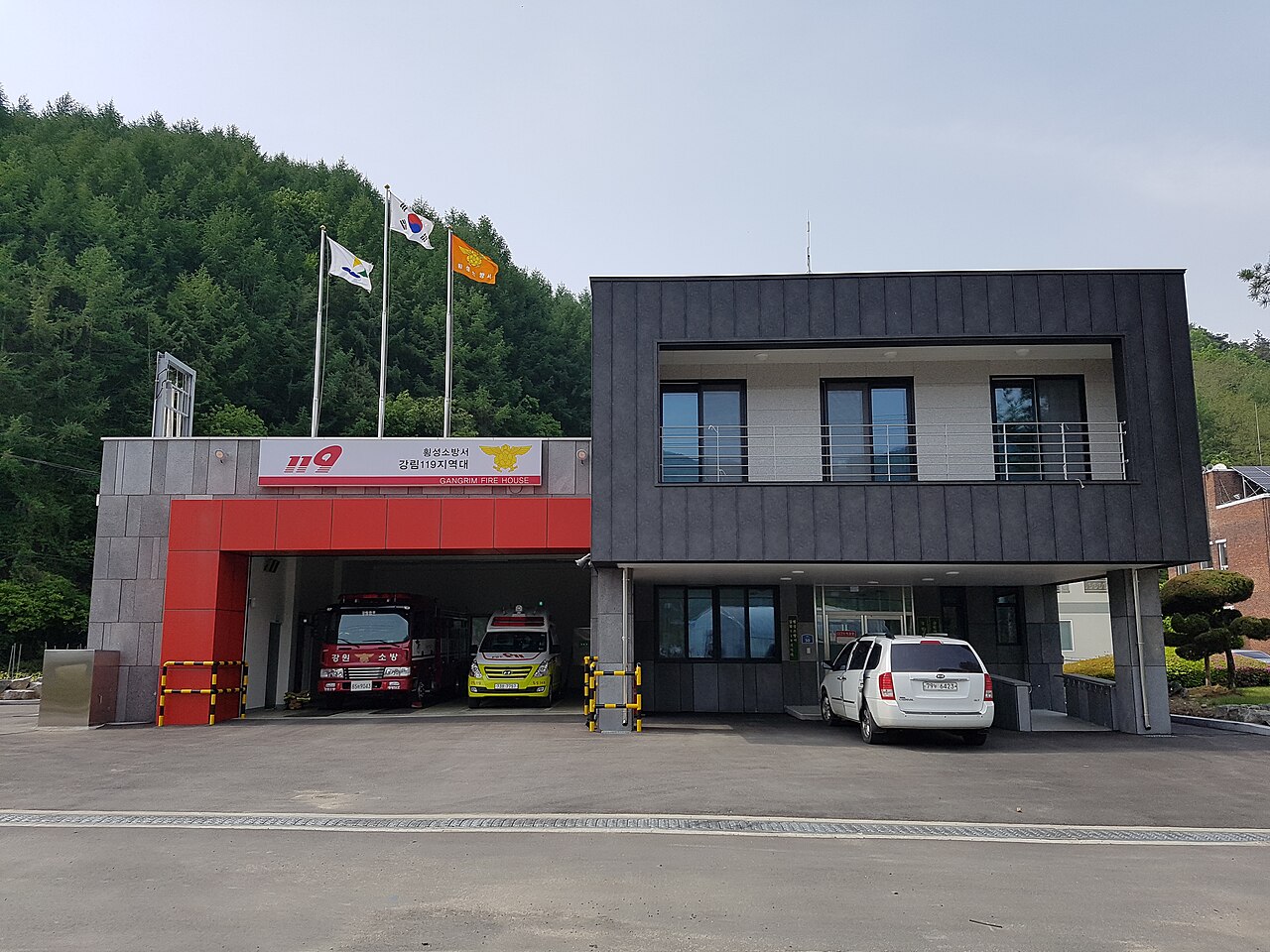
Fire Station
- Must see
- Art and culture venue
Language · 11 published
Place of worship · Doha
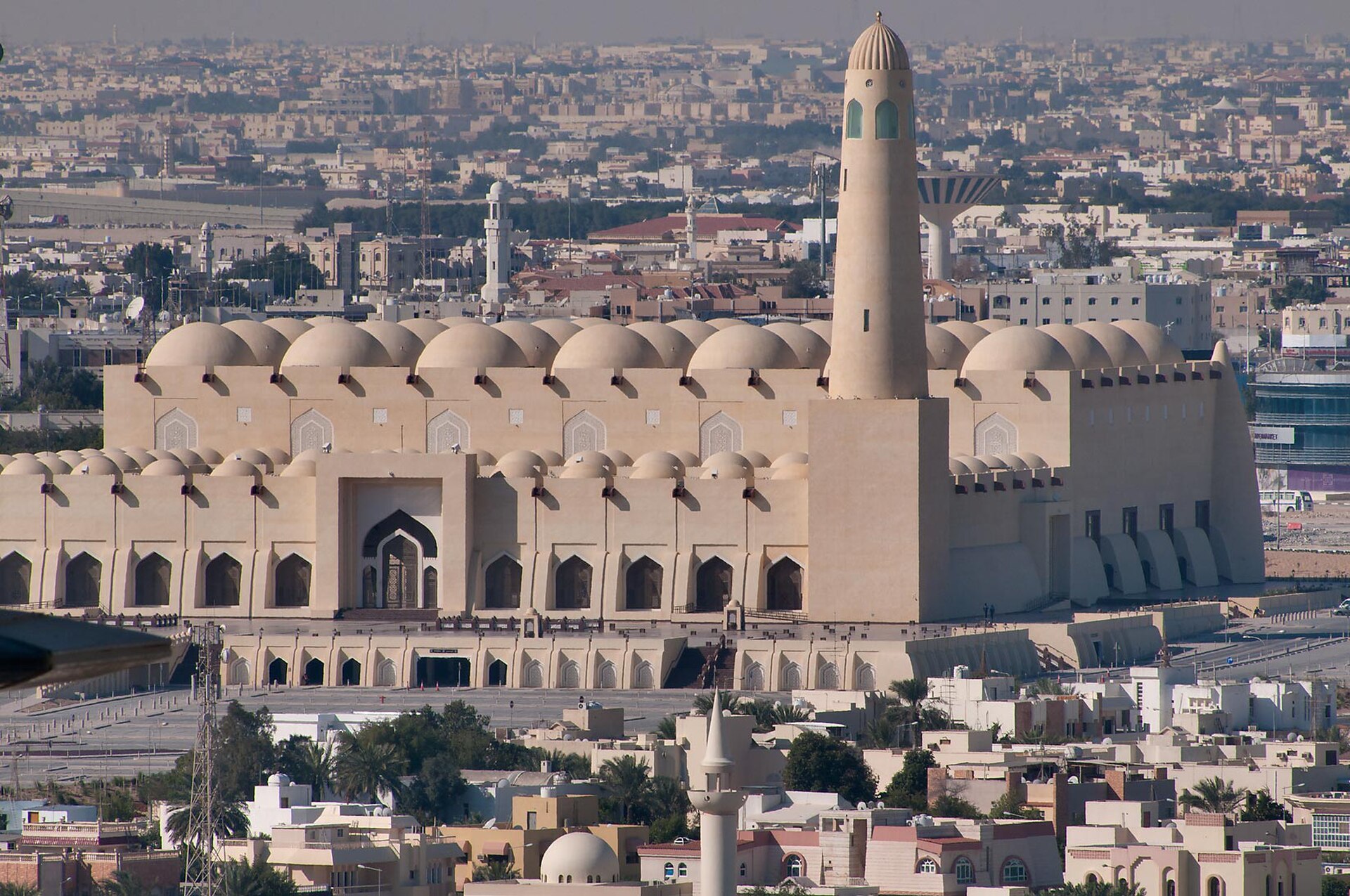
The Imam Muhammad ibn Abd al-Wahhab Mosque is the national mosque of Qatar, located in Doha. Known locally as the State Grand Mosque or simply the Grand Mosque, it stands as one of the most prominent religious landmarks in the country. The mosque was named after an 18th-century Islamic scholar and serves as a central place of worship for the local community. Its distinctive architecture features multiple domes and minarets that dominate the Doha skyline, making it visually recognizable from considerable distances across the city.
Checked 2026-08-26
The mosque complex encompasses substantial prayer halls capable of accommodating large congregations. The main prayer hall contains ornate chandeliers and extensive carpeted areas designed for worshippers. Separate prayer facilities exist for men and women. The architectural design incorporates traditional Islamic elements with modern construction techniques. Visitors entering appropriate areas may observe geometric decorative patterns, calligraphic inscriptions, and the overall spatial arrangement typical of major mosque complexes. The scale of the building reflects its status as a national religious institution rather than a neighbourhood place of worship.
Checked 2026-08-26
A respectful visit to the exterior and any permitted interior areas typically requires between thirty minutes and one hour. This duration allows for appreciation of the architectural features and observation of the building's scale without rushing. Those attending for religious purposes or participating in guided arrangements may spend longer periods on site. The substantial size of the complex means that even a brief circumnavigation of the exterior takes meaningful time. Visitors should factor in travel time to and from central Doha locations, as the mosque sits somewhat removed from the immediate city centre.
Checked 2026-08-26
Operator-confirmed hours are Not recorded pending review. Visitors should consult official sources or local tourism authorities before planning a visit, as access conditions vary significantly between prayer times, religious observances, and ordinary periods. Friday midday prayers represent the most important weekly congregational gathering, when the mosque fills to capacity and visitor access may be restricted or impossible. Ramadan brings altered schedules and intensified religious activity. Evening hours may offer different atmospheric conditions for exterior viewing compared to daytime visits, though interior access possibilities remain unverified without current operational information.
Checked 2026-08-26
Operator-confirmed prices are Not recorded pending review. As a functioning religious institution rather than a commercial tourist attraction, the mosque may not charge admission fees for entry to permitted areas. However, this cannot be assumed definitively without verification from authoritative sources. Any donations, guided tour arrangements, or special access provisions would require direct confirmation from mosque administration or official Qatari tourism channels. Visitors should not rely on informal information regarding payment requirements and should seek current guidance before arrival to avoid misunderstandings or inappropriate assumptions about access entitlements.
Checked 2026-08-26
The mosque occupies a position in Doha that requires motorized transport from most visitor accommodation areas. Taxis and ride-hailing services provide the most straightforward access for those without private vehicles. Public bus routes may serve the general vicinity, though specific stop proximity and service frequency would need verification through current transport authority information. The building's prominence in the skyline assists with orientation for drivers. Sufficient time should be allowed for Doha's traffic conditions, which vary considerably by time of day and surrounding events. Walking from central districts is impractical given distance and climate considerations.
Checked 2026-08-26
Appropriate dress covering arms and legs is essential; more conservative coverage may be expected for interior access. Shoes must be removed before entering prayer areas. Behaviour should remain respectful and subdued throughout any visit, with restrained conversation and no disruptive conduct. Photography restrictions may apply, particularly regarding worshippers and certain interior spaces. Non-Muslims may face limitations on access times and areas, with complete exclusion possible during major prayers. The summer climate presents severe heat and humidity that affects comfort and safety for outdoor movement. Religious sensitivities should guide all visitor conduct without exception.
Checked 2026-08-26
Photography conditions at this mosque are not comprehensively documented in available sources. Exterior photography of the architectural form and domes appears generally possible from public vantage points, though tripod use and prolonged positioning may attract scrutiny. Interior photography restrictions are probable given the religious function of the space. Images of individuals, particularly worshippers, should be avoided entirely without explicit permission. Flash photography would likely be inappropriate in any interior context. Visitors should observe posted guidance or staff direction regarding camera use, and refrain from photography if any uncertainty exists about permissibility. Drone use would require specific regulatory clearance.
Checked 2026-08-26
Access for non-Muslims varies by time and circumstance. Some major mosques in Qatar permit respectful visitor access during designated periods, though this cannot be assumed without current verification from official sources.
Conservative dress covering arms and legs is required. More extensive coverage may be necessary for interior access. Specific guidance should be sought before visiting.
Tour availability is not recorded in the provided sources. Visitors should check with Qatar tourism authorities or mosque administration for current information.
Prayer times involve active worship and access may be restricted or inappropriate. Friday midday prayer represents the most significant restriction period.
A complex of this scale likely provides parking facilities for worshippers, though visitor parking provisions are not specifically documented in available sources.
As the national mosque, it holds distinctive religious significance compared to commercial or entertainment attractions. Its architectural prominence makes it a notable skyline feature.
Loading the interactive map…
The interactive map could not be loaded.

Last updated:
Source: OpenStreetMap contributors ·