
5 min walk
Jardin de l'Agdal
- High
- Historic monument
Language · 11 published
Historic monument · Marrakesh
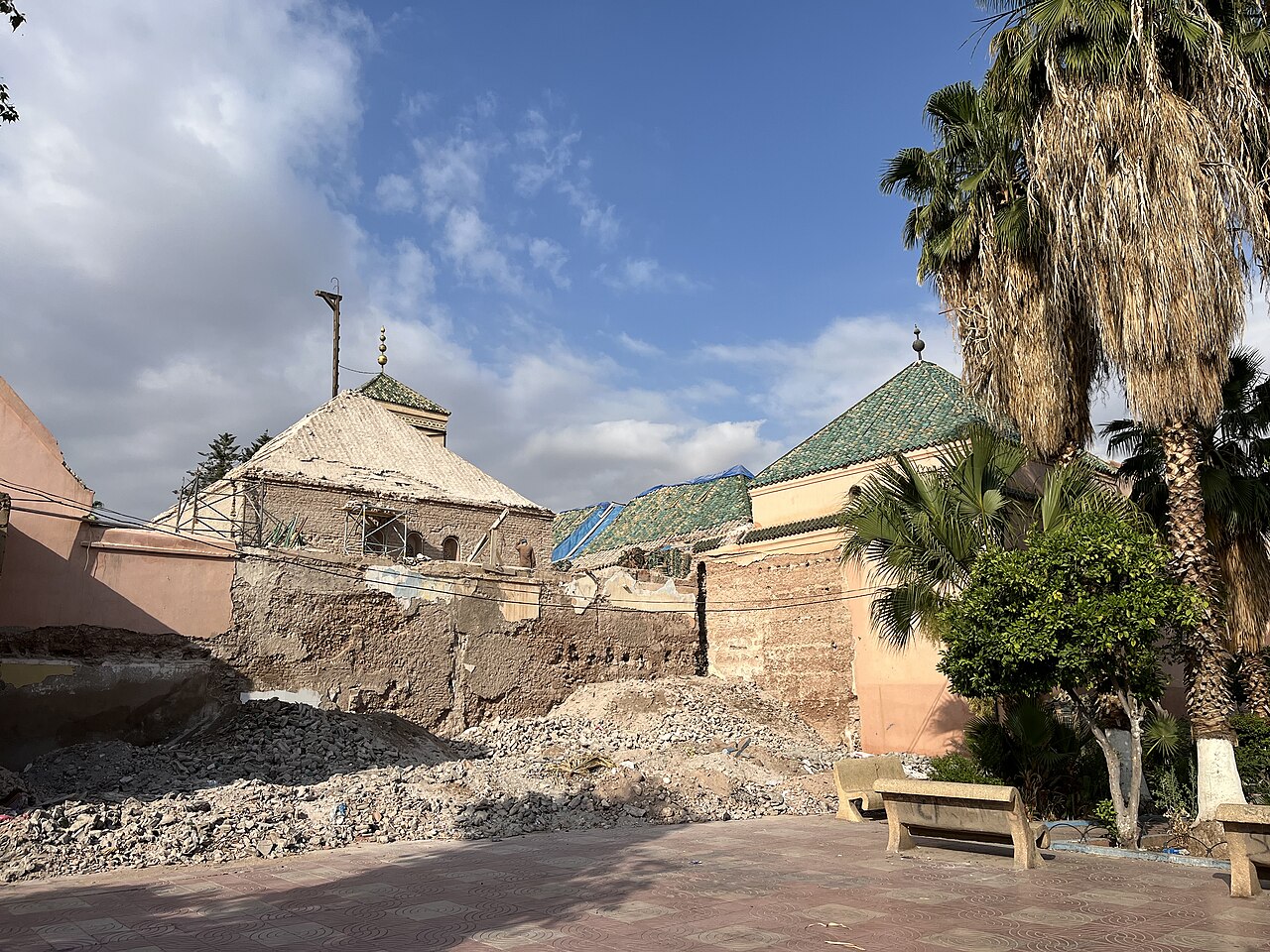
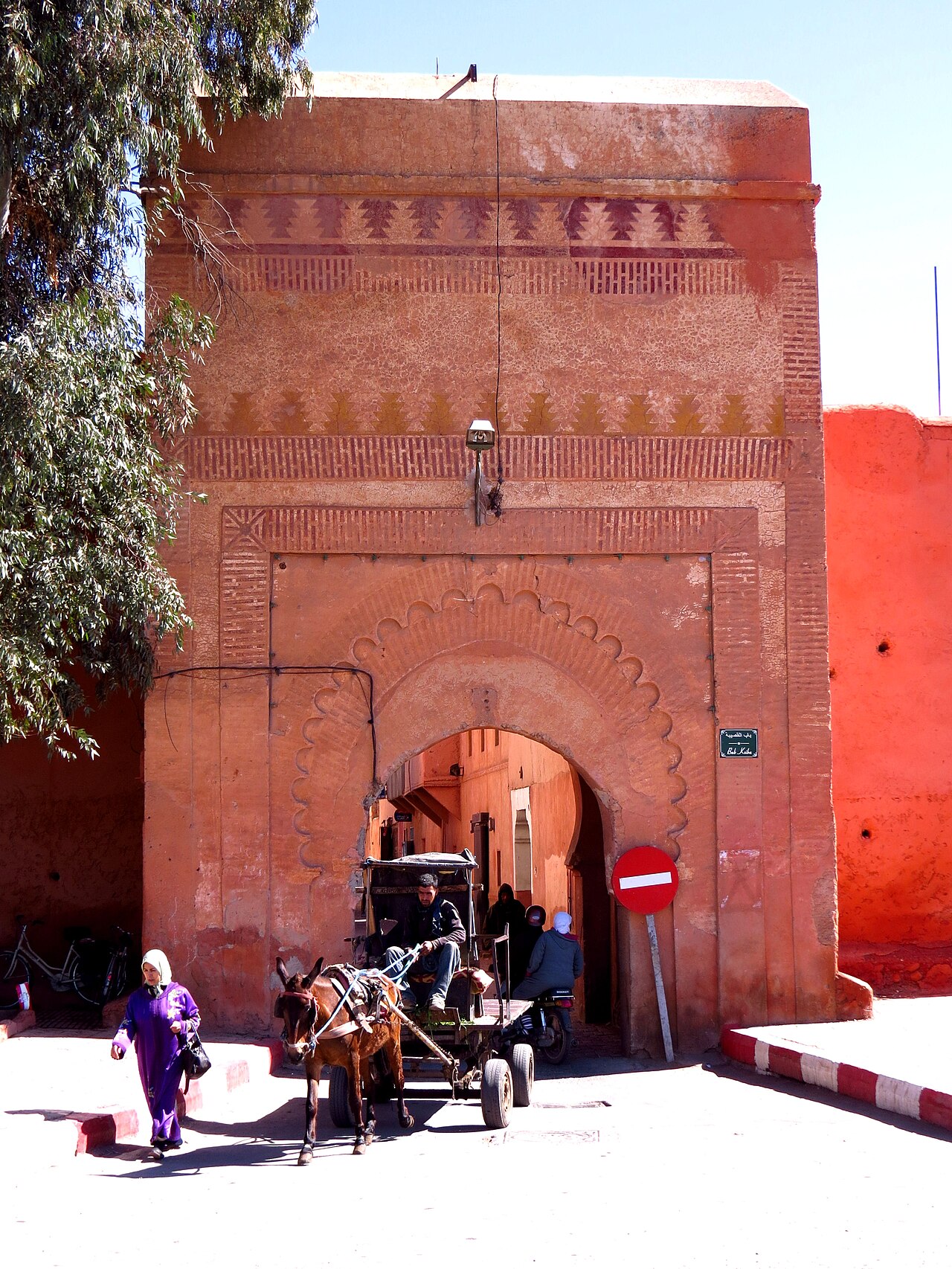
Bab el Aghdar is a surviving gate within the historic city walls of Marrakesh, Morocco. As one of the fortified entrances to the ancient medina, it represents the defensive architecture that once protected this major imperial city. The gate forms part of the extensive ramparts that have defined Marrakesh's urban boundaries for centuries. Its name and specific historical significance within the broader network of city gates reflect the layered cultural heritage of this UNESCO World Heritage site. Visitors encounter authentic Moroccan craftsmanship in the stonework and structural design typical of the period.
Checked 2026-08-26
Bab el Aghdar functions primarily as a passageway rather than an enclosed monument with interior chambers. The gate structure itself comprises the architectural elements of a historic fortified entrance: heavy masonry construction, arched passageways, and defensive features integrated into the city walls. There are no recorded separate exhibition spaces, museums, or curated displays within the gate. The experience consists of passing through or observing this authentic piece of medieval urban fortification. The surrounding medina streets extend immediately beyond the threshold, continuing the dense urban fabric that characterizes historic Marrakesh.
Checked 2026-08-26
A visit to Bab el Aghdar requires minimal dedicated time, as the gate serves as a transit point and visual landmark rather than a destination demanding extended exploration. Most visitors allocate between ten and twenty minutes to appreciate the architecture, photograph the structure, and pass through the gateway. Those with particular interest in Moroccan military architecture or urban history may spend somewhat longer examining construction details. The gate naturally integrates into broader medina walking itineraries, where it functions as a navigational reference point among the winding alleyways and commercial streets of the historic quarter.
Checked 2026-08-26
Operator-confirmed hours for Bab el Aghdar are Not recorded pending review. As a functional gate within the medina walls, the structure likely remains accessible during hours when the surrounding city quarters are open to pedestrian traffic. The medina traditionally operates as a living urban environment rather than a scheduled attraction. Visitors should anticipate that access may vary according to local conditions, maintenance activities, or circumstances affecting the immediate neighborhood. Early morning and late afternoon typically offer more favorable lighting for observation and photography, while midday periods may experience heavier pedestrian and commercial traffic through this thoroughfare.
Checked 2026-08-26
Operator-confirmed prices for Bab el Aghdar are Not recorded pending review. Historic city gates in Marrakesh generally do not operate as ticketed attractions requiring paid admission for passage. The gate functions as public infrastructure within the medina, integrated into the ordinary circulation patterns of residents and visitors. No advance booking systems or formal entry procedures are documented for this specific structure. Visitors should be prepared for the possibility of unofficial requests for payment from individuals in the vicinity, a known phenomenon at some Moroccan monuments, and exercise appropriate caution in any such interactions.
Checked 2026-08-26
Bab el Aghdar lies within the historic medina of Marrakesh, accessible on foot once visitors have reached the old city boundaries. The medina's dense, pedestrian-oriented street network precludes vehicle access to the immediate vicinity of the gate. Taxis and buses serve the modern city surrounding the ancient walls, from which point visitors must proceed by walking. The gate's position within the ramparts makes it a recognizable landmark for navigation, though the medina's irregular street pattern can challenge orientation. Visitors unfamiliar with the area may benefit from allowing additional time to locate the structure within the labyrinthine quarter.
Checked 2026-08-26
Visitors should exercise standard precautions appropriate to busy urban thoroughfares in Moroccan medinas. The gate area experiences regular pedestrian traffic including residents, merchants, and other travelers. Narrow passageways may create congestion during peak commercial hours. Motorcycles occasionally penetrate pedestrian zones in the medina despite official restrictions, requiring vigilance. The surrounding streets contain commercial establishments where assertive solicitation of custom occurs. Visitors should maintain awareness of personal belongings in crowded conditions. The physical condition of historic masonry may present uneven surfaces or low clearance in the passageway. No specific hazards beyond typical medina conditions are documented for this location.
Checked 2026-08-26
Bab el Aghdar offers opportunities to document authentic Moroccan defensive architecture and the atmospheric quality of historic urban gateways. The stonework, arch forms, and integration with city walls provide substantive photographic subjects. Early and late daylight enhances textural detail in the masonry. The gate's function as a working passageway means compositions will naturally include pedestrians and street activity, which may enrich documentary approaches or complicate attempts at unobstructed architectural views. Interior passages may present exposure challenges due to limited natural light. No photography restrictions are documented, though visitors should exercise discretion regarding images of individuals passing through the gate without obtaining appropriate consent.
Checked 2026-08-26
Specific operating schedules are Not recorded pending review. As a functional gate within the living medina, it likely follows patterns of general neighborhood accessibility rather than formal attraction hours.
Operator-confirmed prices are Not recorded pending review. Historic medina gates typically do not charge admission as they function as public passageways integrated into ordinary urban circulation.
No. The medina's dense historic street network restricts vehicle access. Visitors must approach on foot after reaching the old city perimeter using taxis or other transport serving the modern city.
No. Bab el Aghdar and Bab Agnaou are distinct gates within Marrakesh's historic fortifications. Bab Agnaou is the more widely celebrated and photographed of the two, located near the Kasbah district.
No formal guide services at the gate itself are documented. Licensed guides may be engaged elsewhere in Marrakesh for medina tours that could include this location within broader itineraries.
The area presents conditions typical of busy Moroccan medina quarters. Standard urban precautions regarding personal belongings and awareness of surroundings apply. No exceptional security concerns specific to this gate are documented.
Loading the interactive map…
The interactive map could not be loaded.
Last updated:
Source: OpenStreetMap contributors ·