


8 min walk
Saadian Tombs
- Must see · Heritage site
- Museum
Language · 11 published
Historic monument · Marrakesh
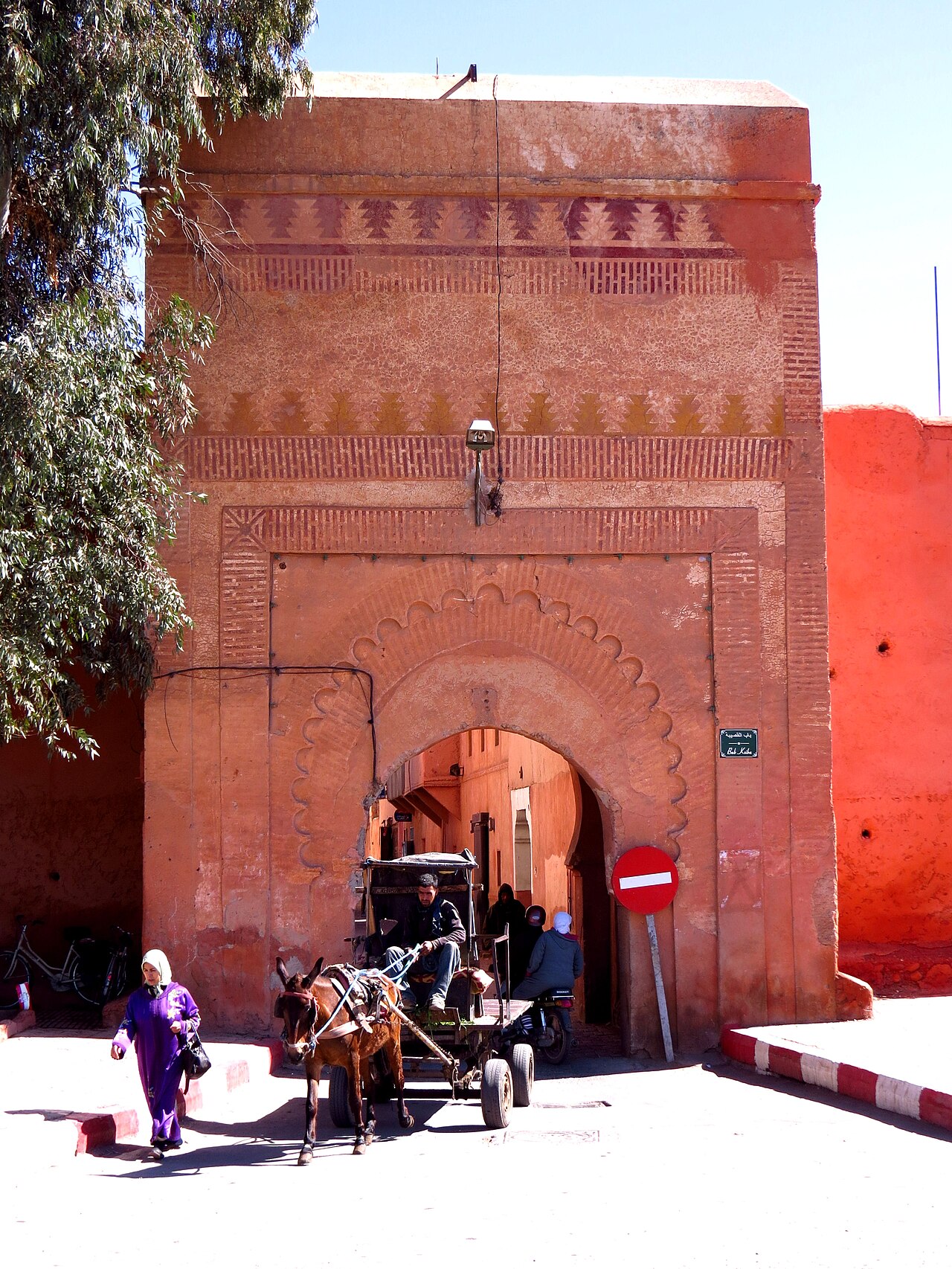
Bab Ksiba is a surviving gate of the Marrakesh medina, the historic walled old city that forms the core of visitor interest in this major Moroccan destination. The medina gates traditionally controlled access between the old city and surrounding areas. Bab Ksiba represents part of the defensive architecture that once ringed the medina. The gate stands within the broader city visitor area, where travellers explore the dense network of streets, souks, and historic structures that define Marrakesh's UNESCO-recognized urban heritage. Its survival offers tangible connection to the city's pre-modern fortification system.
Checked 2026-08-26
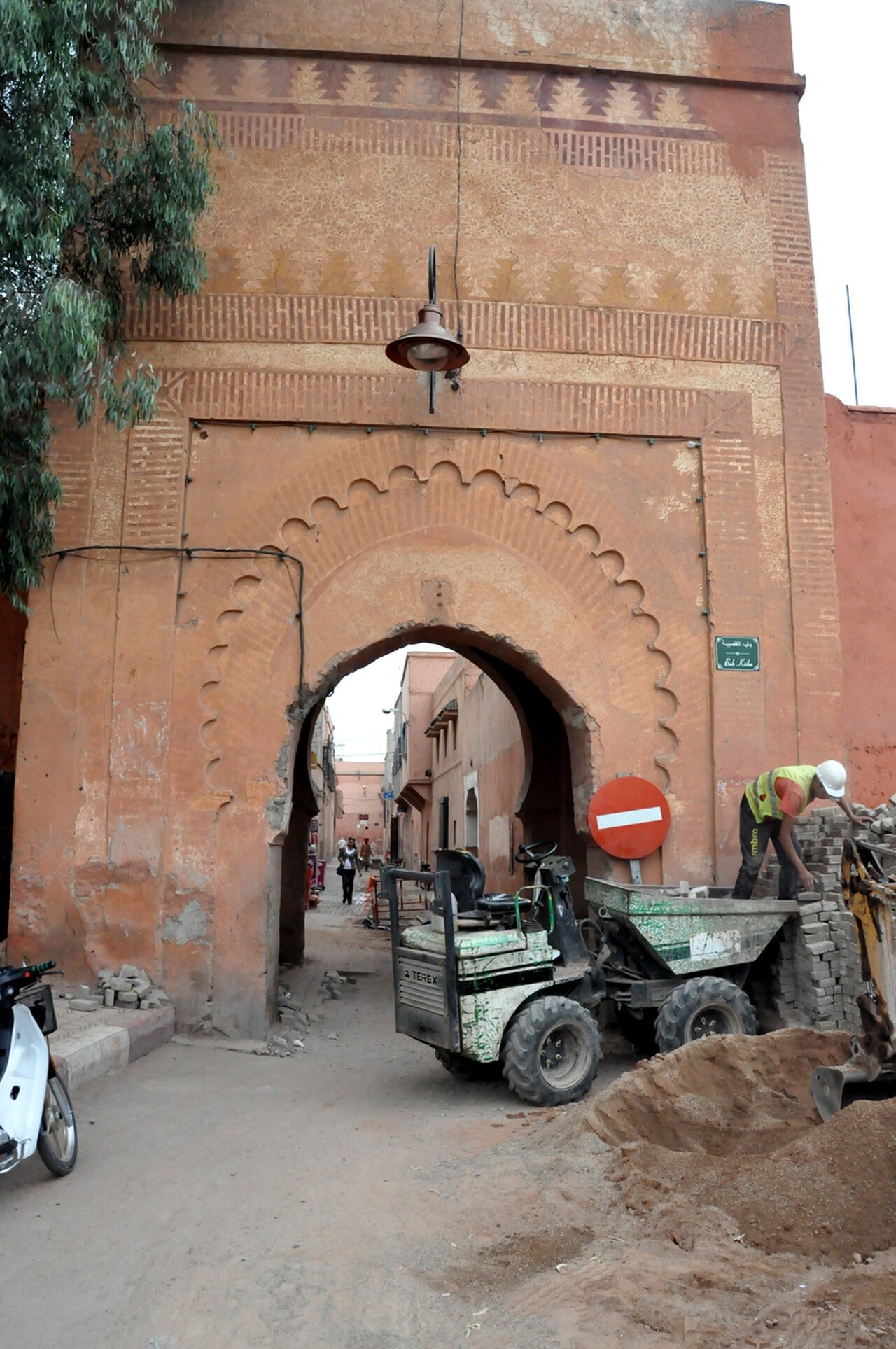
Bab Ksiba functions as a passage rather than an enclosed monument with interior chambers for visitor exploration. The gate structure itself comprises the architectural elements typical of Moroccan defensive gateways: a passage through thickened walls with possible ornamental or functional details above. The surrounding area contains the dense urban fabric of the medina, with narrow streets, residential structures, and commercial activity. Visitors passing through encounter the atmospheric conditions of the old city: close buildings, varied street life, and the sensory environment that characterises medina quarters across North African historic centres.
Checked 2026-08-26
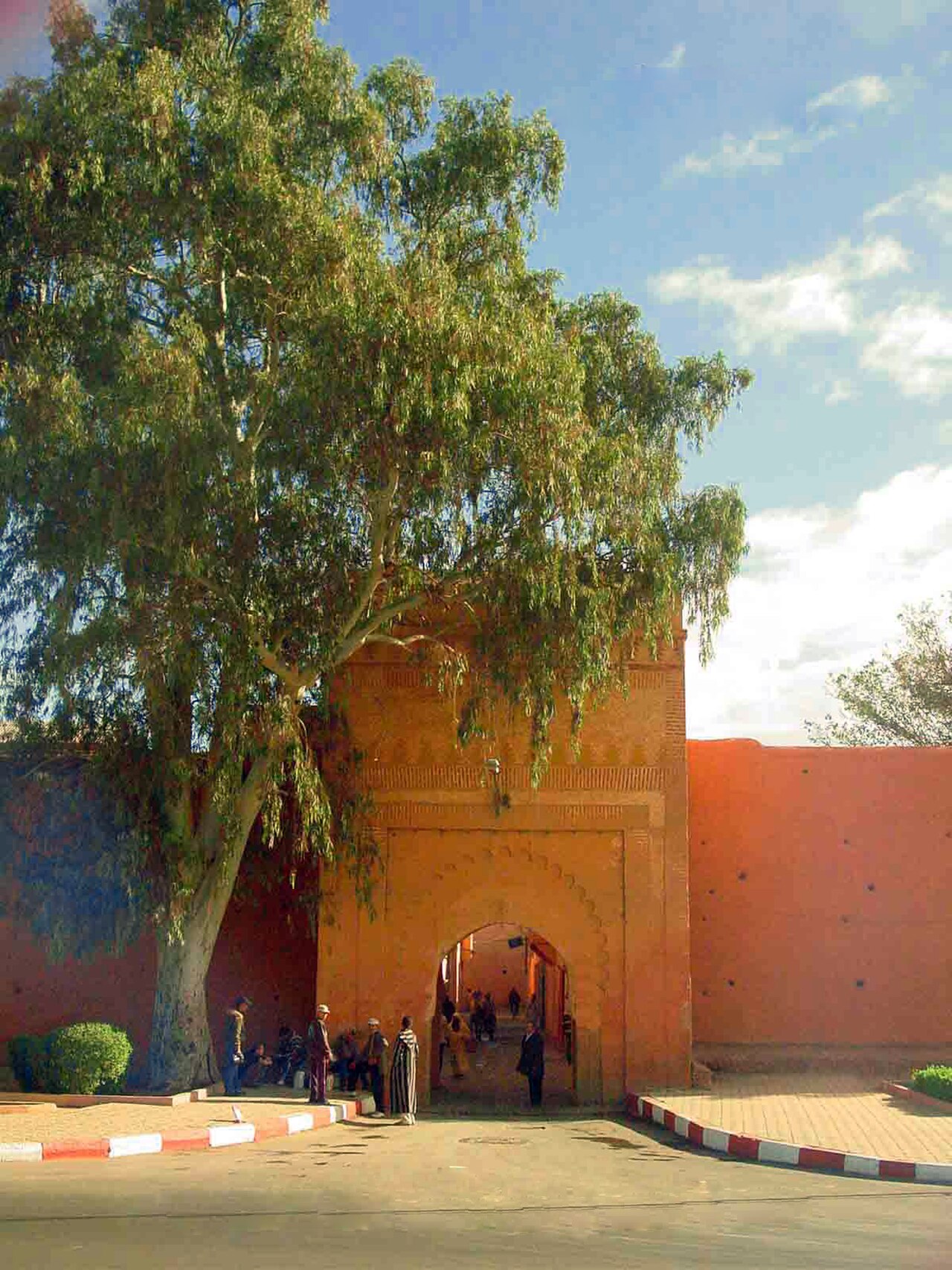
A visit to Bab Ksiba itself requires minimal dedicated time, as the gate serves primarily as a passage point rather than a destination requiring extended examination. Most visitors will pass through as part of broader medina exploration. The surrounding medina area demands substantially more time, with many travellers dedicating multiple hours or full days to wandering the street network, visiting souks, and experiencing the urban environment. The gate merits brief pause for architectural observation, but functions practically as an orienting landmark within larger itineraries rather than an isolated attraction.
Checked 2026-08-26
Marrakesh experiences significant seasonal variation in climate conditions that affect visitor comfort. Summer months bring intense heat that makes extended walking in the medina physically demanding. Winter offers milder temperatures though evenings can be cool. Spring and autumn generally provide the most agreeable conditions for outdoor urban exploration. The gate itself has no restricted access times as a public thoroughfare. Operator-confirmed hours for any managed aspects are Not recorded pending review. Visitors should plan medina walking during daylight hours for navigation ease and personal security considerations.
Checked 2026-08-26
Bab Ksiba operates as a public access point within the medina street network, not as a ticketed attraction with controlled entry. No admission fee applies for passage through the gate itself. Some monuments and museums within the broader medina area may charge separate entry fees, but these are distinct from the gate. Operator-confirmed prices for any associated services or nearby attractions are Not recorded pending review. Visitors should carry small denomination currency for purchases within the medina commercial environment, but need no ticket specifically for accessing this gate structure.
Checked 2026-08-26
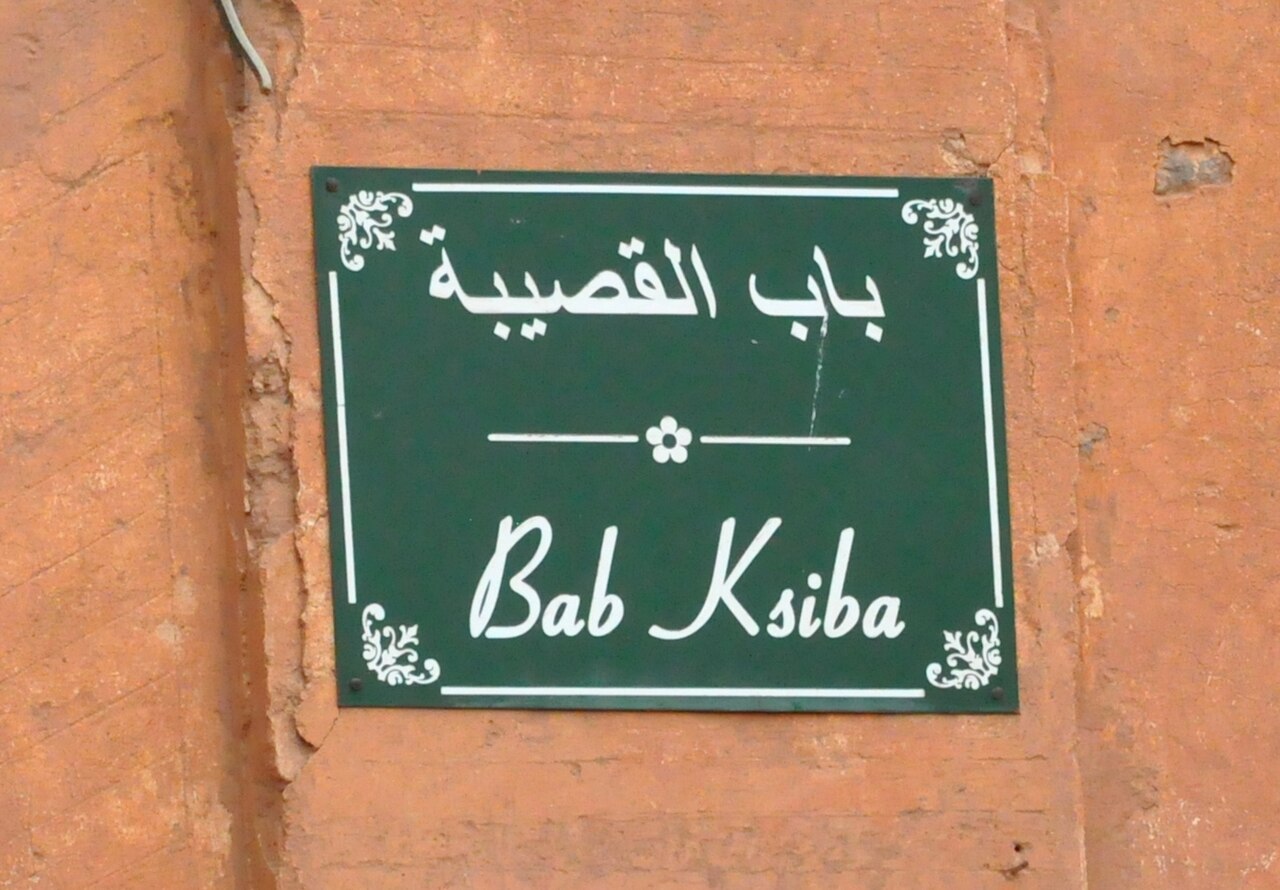
Bab Ksiba sits within the Marrakesh medina, accessible on foot from various points within the old city. The medina's dense street network precludes vehicle access to immediate gate surroundings. Visitors typically reach the medina perimeter by taxi, bus, or walking from accommodation, then proceed on foot. The gate's position within the visitor area means it connects with established pedestrian routes. Navigation within the medina requires attention to landmarks and street patterns, as the irregular layout challenges straightforward orientation. Visitors should obtain current local directions from accommodation providers or official tourism sources.
Checked 2026-08-26
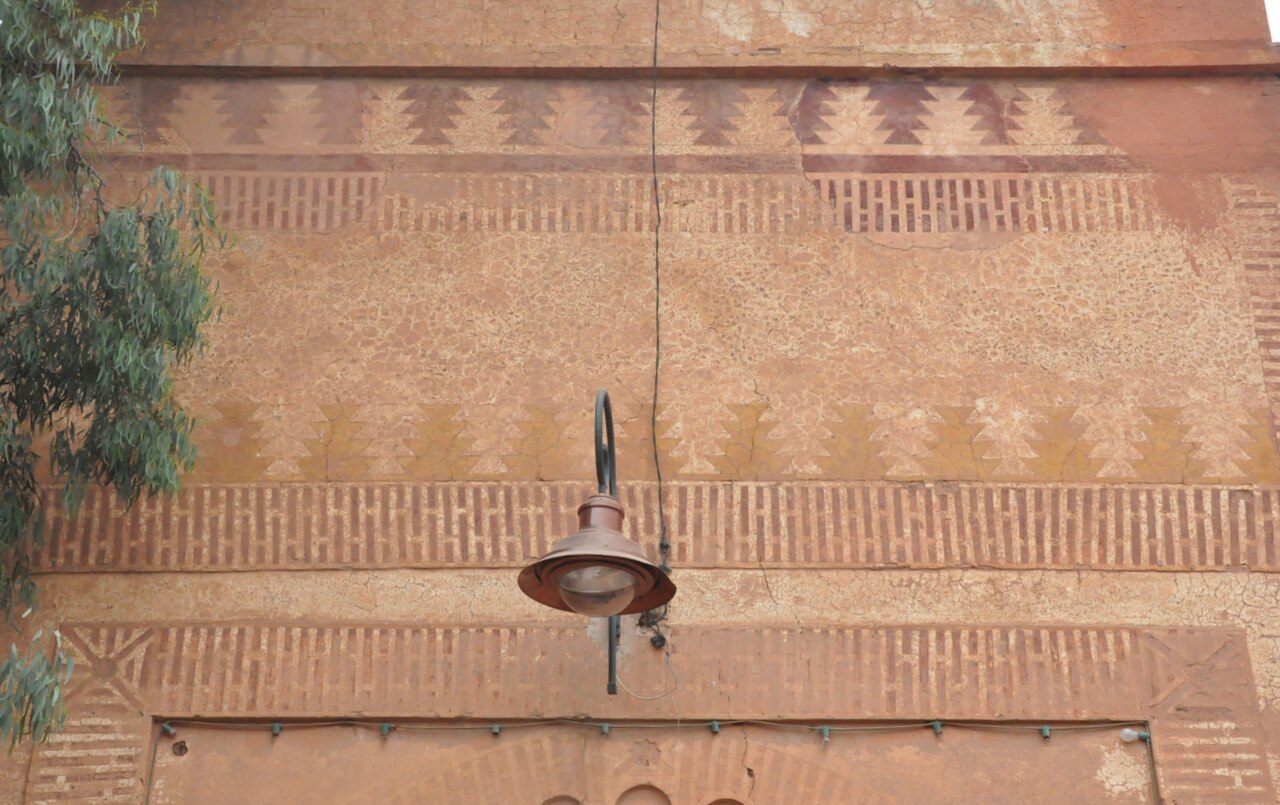
Medina navigation presents genuine challenges: street patterns confuse, signage varies, and the dense built environment disorients unfamiliar visitors. Motorbikes use narrow streets at speed, creating hazard for pedestrians. Persistent commercial solicitation occurs in tourist-frequented areas. Visitors should maintain awareness of personal belongings in crowded passages. The physical condition of streets and pathways varies, with uneven surfaces requiring appropriate footwear. Daylight exploration reduces navigation difficulties. Solo visitors, particularly after dark, should exercise heightened caution. No specific hazards attach to Bab Ksiba itself beyond those general to medina environments, but the surrounding area demands standard urban vigilance.
Checked 2026-08-26
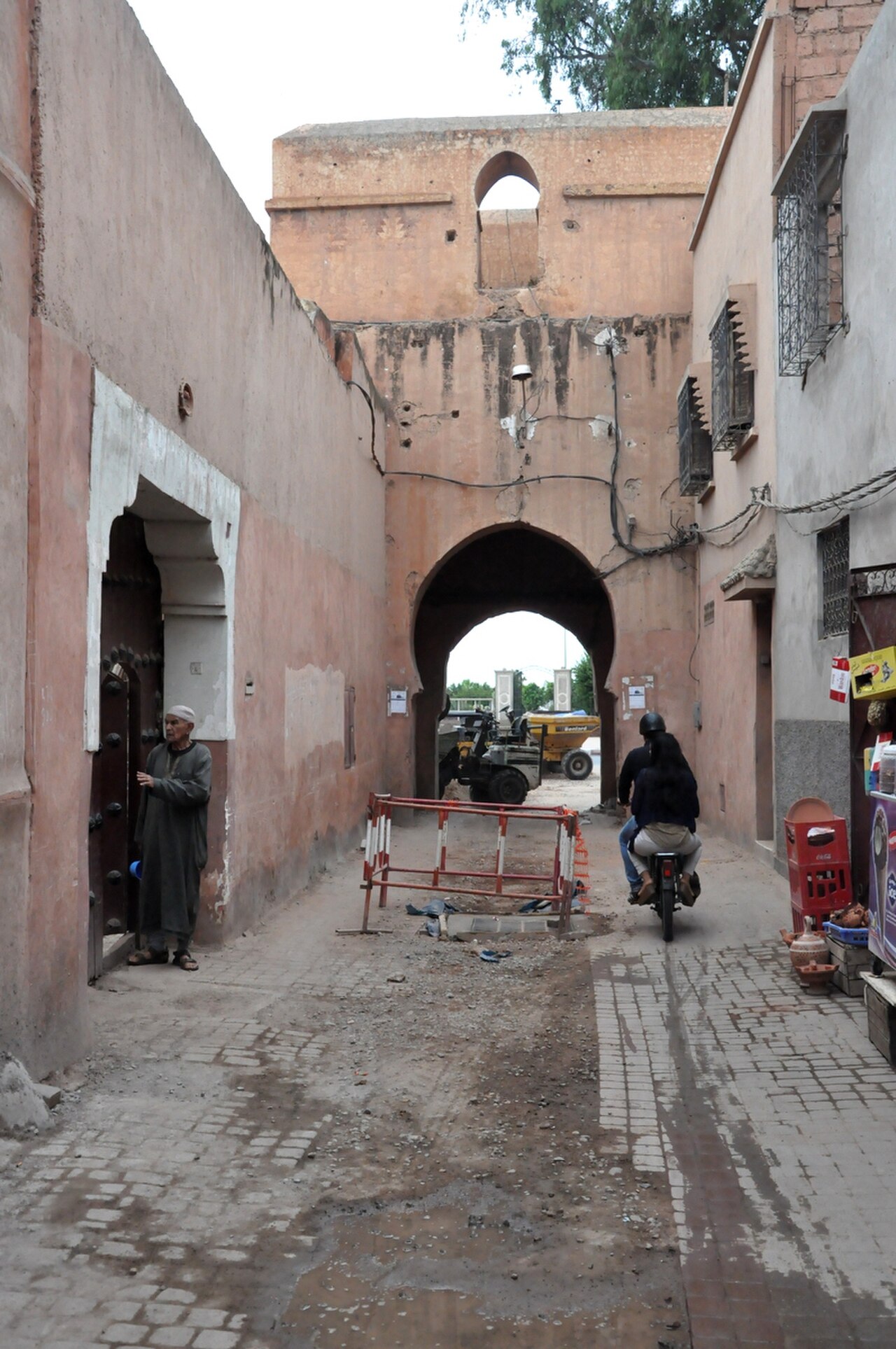
Bab Ksiba offers photographic interest as architectural heritage within an atmospheric urban setting. The gate structure against medina fabric provides contextual documentation of historic fortification. Lighting conditions vary dramatically: early morning and late afternoon offer softer illumination and reduced pedestrian traffic. Midday sun creates harsh shadows in narrow streets. The surrounding street life presents candid photography opportunities, though sensitivity to local attitudes toward camera use remains essential. Some individuals may object to photography; respectful practice suggests seeking implicit or explicit consent when individuals are prominent subjects. No photography restrictions specific to the gate are documented.
Checked 2026-08-26
The gate functions as a public thoroughfare within the medina and appears continuously accessible. No closure schedule is recorded.
The gate itself requires minimal time; most visitors pass through during broader medina exploration lasting several hours.
No admission fee applies for passage through this public gate. Operator-confirmed prices for any associated aspects are Not recorded pending review.
The medina's dense street network prevents vehicle access to immediate gate surroundings. Visitors approach on foot.
Standard urban precautions apply. Daylight visits ease navigation. Awareness of traffic, belongings, and surroundings is advisable.
Comfortable walking footwear for uneven surfaces. Clothing respecting local cultural context is prudent throughout Marrakesh.
Loading the interactive map…
The interactive map could not be loaded.

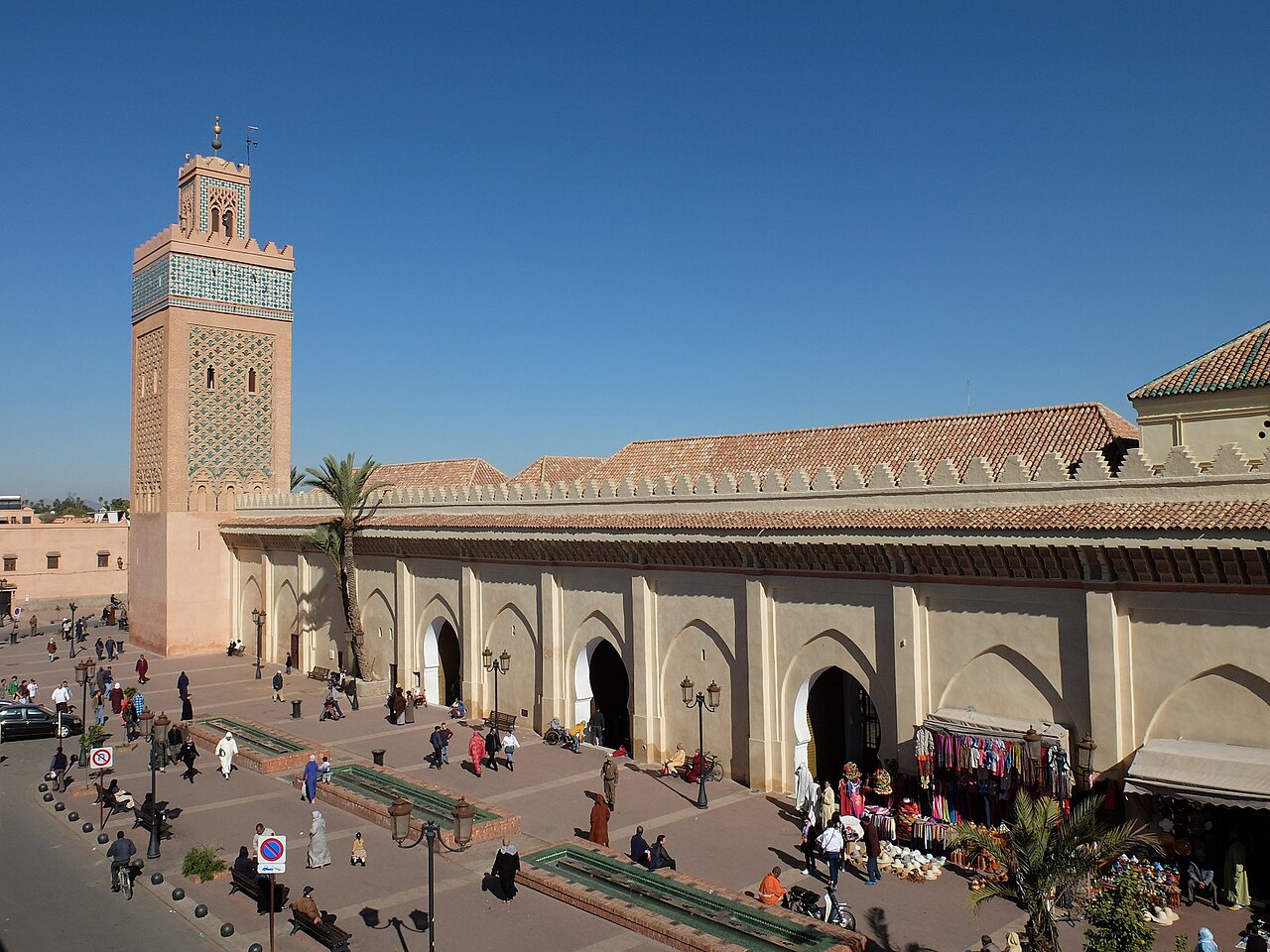
Last updated:
Source: OpenStreetMap contributors, Wikidata ·