.jpg)


.jpg)
.jpg)

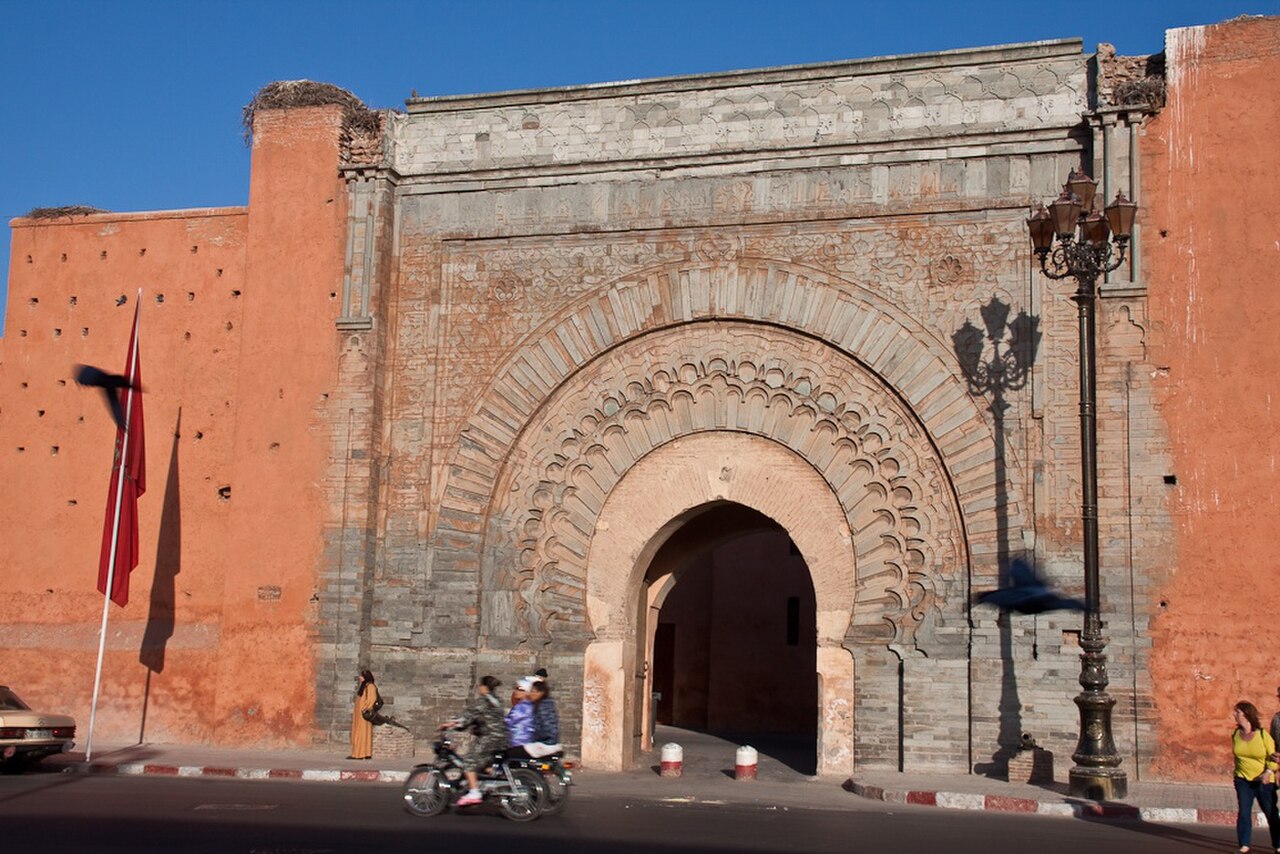
2 min walk
Bab Agnaou
- High
- Historic monument
Language · 11 published
Historic monument · Marrakesh
Palais El Badi قصر البديع
| Monday | 09:00 – 17:00 |
|---|---|
| Tuesday | 09:00 – 17:00 |
| Wednesday | 09:00 – 17:00 |
| Thursday | 09:00 – 17:00 |
| Friday | 09:00 – 17:00 |
| Saturday | 09:00 – 17:00 |
| Sunday | 09:00 – 17:00 |
Parsed from OpenStreetMap opening hours on 2026-08-26.
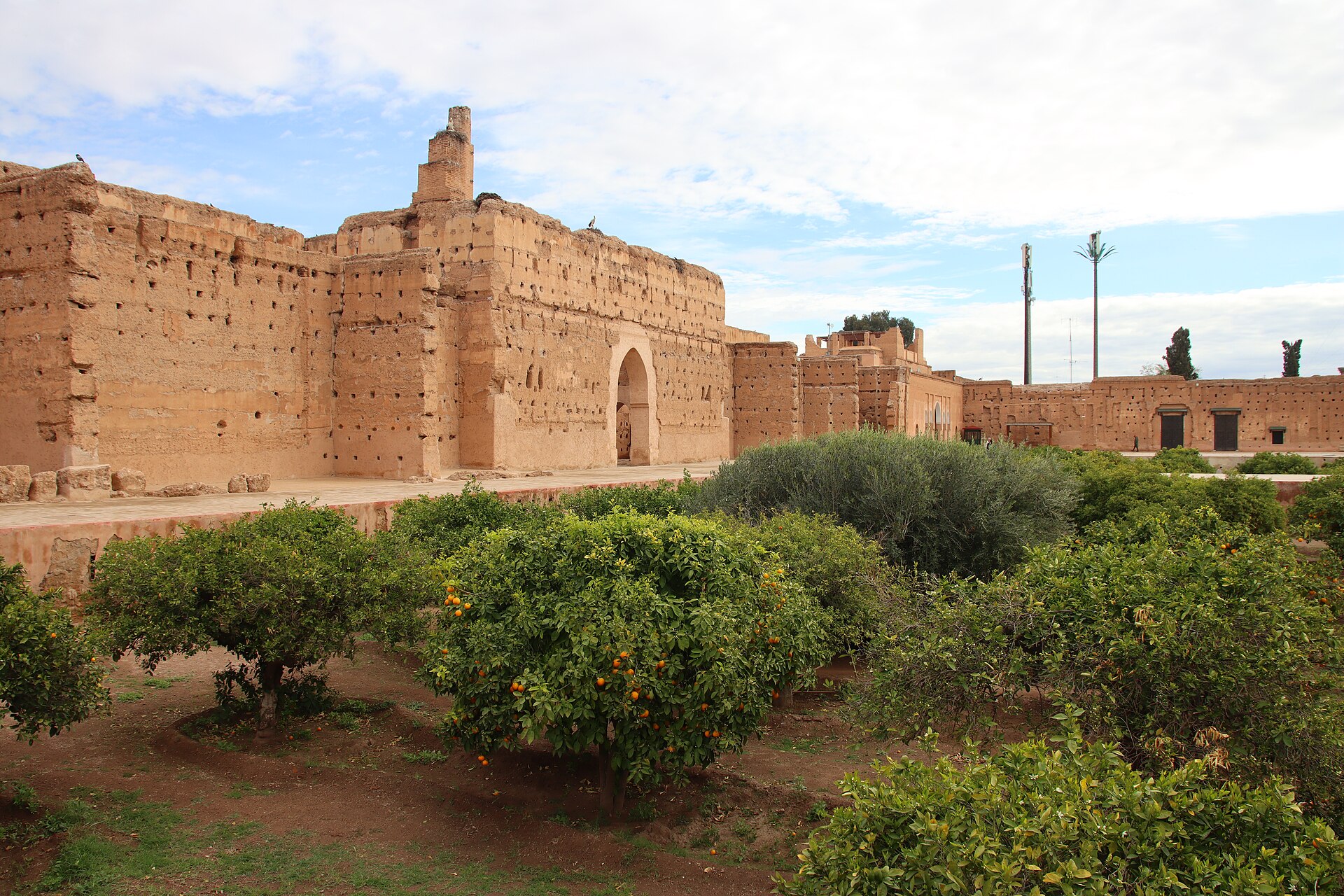
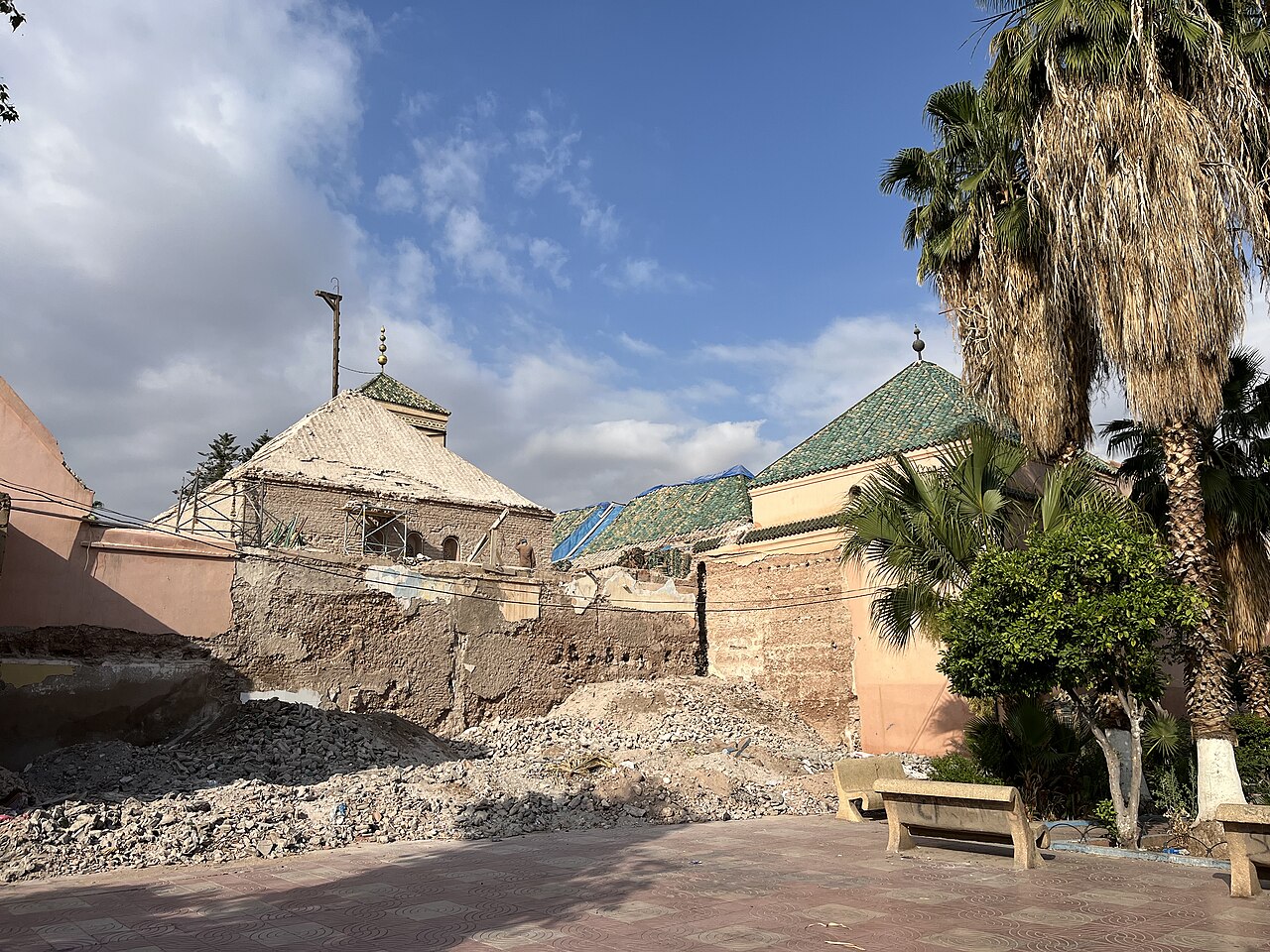
El Badi Palace is a ruined palace complex in Marrakesh, Morocco, commissioned by Sultan Ahmad al-Mansur of the Saadian dynasty in the late sixteenth century. Its name translates to The Incomparable Palace, reflecting its original opulence. Today it stands as an extensive archaeological site with sunken gardens, reflecting pools, and high rammed-earth walls. The palace was stripped of its decorative materials following the fall of the Saadians and now presents a striking monument to transience and imperial ambition amid the kasbah district.
Checked 2026-08-26
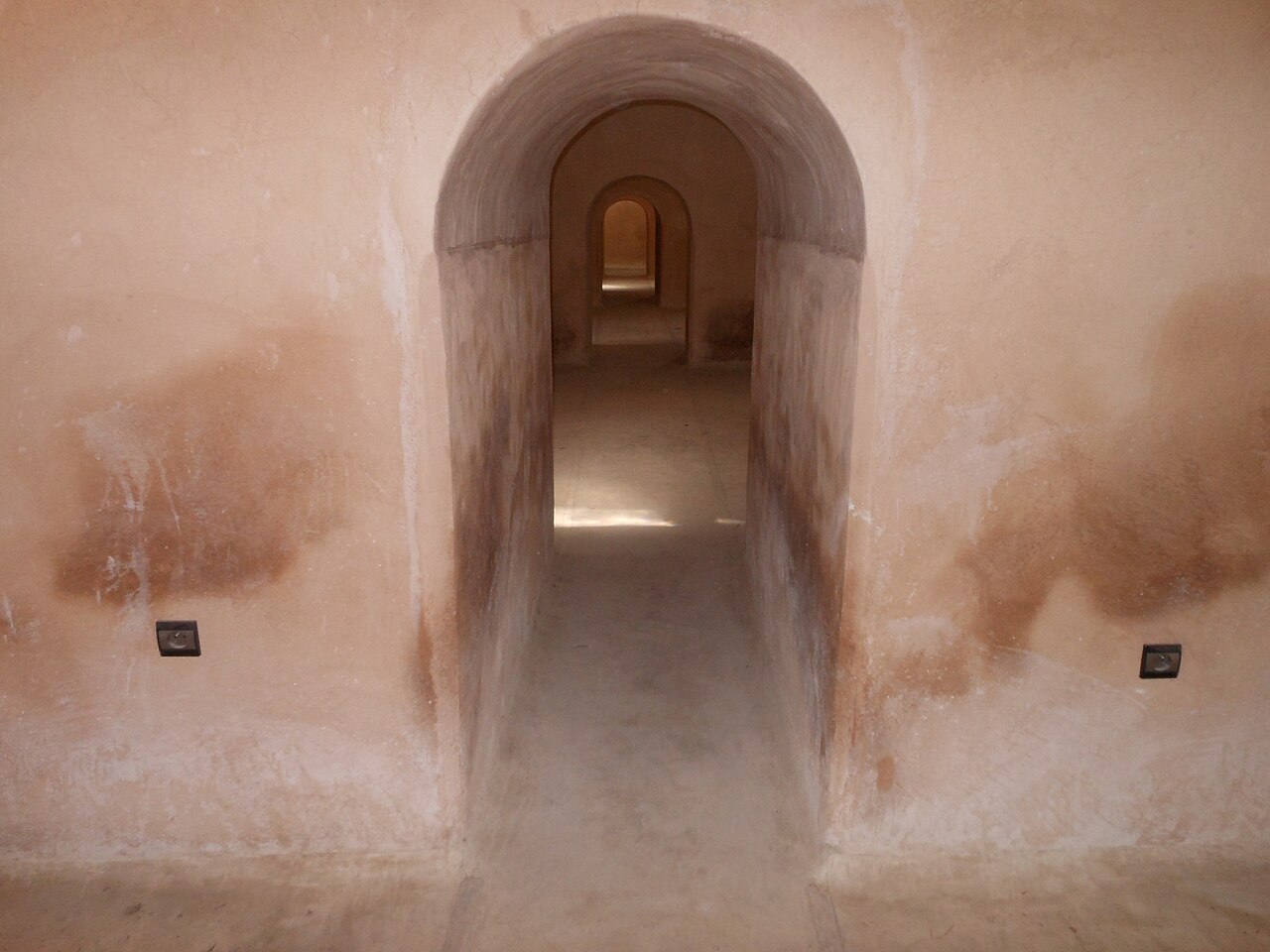
Visitors encounter vast courtyards, the remains of pavilions, and subterranean passages that once formed part of this ceremonial complex. The site includes a large central pool area and the reconstructed minaret of the Koutoubia visible in proximity. Notable is the presence of storks nesting atop the walls, a characteristic sight. The underground areas contain exhibits including a restored model of the palace. The scale of the ruins conveys the original grandeur despite the absence of marble, gold, and other fittings that were removed to Meknes or elsewhere after abandonment.
Checked 2026-08-26
A thorough visit typically requires between one and two hours depending on individual pacing and interest in architectural detail. The expansive ground plan rewards slow exploration across multiple courtyards and elevated walkways. Photography enthusiasts and those examining the stonework closely may prefer the upper end of this range. The open-air nature of the site means progress is self-directed without prescribed routes. Visitors should account for time spent navigating between distinct areas and any periods resting in shaded sections during warmer conditions. El Badi Palace also earns time in a marrakesh itinerary because Frozen visitor rank established independently of production coverage; exact local identity verified. Its value becomes clearer when the stop is compared with the surrounding streets and the other ranked places nearby.
Checked 2026-08-26

Operator-confirmed hours are Not recorded pending review. Visitors should verify current opening times through official channels before planning arrival. The exposed nature of the ruins suggests morning or late afternoon visits may offer more comfortable conditions during hotter months, though this reflects general climatic observation rather than specific scheduling guidance. Seasonal variations in daylight affect available visiting windows. The site lacks substantial covered areas, making weather conditions a relevant consideration for comfort. Advance confirmation remains advisable given potential changes to access arrangements.
Checked 2026-08-26
Operator-confirmed prices are Not recorded pending review. Visitors must obtain current admission costs from official sources or authorised vendors at point of entry. The distinction between standard and reduced rates, if any, requires direct verification. Payment methods accepted and any combined ticketing arrangements with nearby heritage sites are not established in available sources. Budgeting should incorporate uncertainty pending confirmation. Some Moroccan heritage sites operate tiered pricing structures for residents and non-residents, though specific application to this monument is not documented in the supplied context.
Checked 2026-08-26

The palace occupies a position within the kasbah quarter of the medina, south of the Jemaa el-Fnaa square. Access involves navigating the dense street network characteristic of Marrakesh's historic core. Walking from central medina locations is feasible for mobile visitors, though route complexity increases without local guidance. Motorised access terminates at medina peripheries due to narrow passages. Petty taxis serve outer zones. Signage within the kasbah exists though may prove intermittent; confirming the local designation Palais El Badi assists in requesting directions from residents or establishing orientation.
Checked 2026-08-26

The uneven surfaces throughout the ruin complex present trip hazards, particularly around excavated areas and worn steps. Limited handrails on elevated sections demand caution. Sun exposure is substantial across the open courtyards; protective measures against dehydration and heat effects are prudent. The underground exhibition spaces involve stairs and reduced lighting. General medina precautions regarding navigation and personal belongings apply in surrounding streets. No specific security concerns are documented for the site itself, though visitor vigilance in crowded tourist environments remains warranted. Appropriate footwear is strongly recommended given terrain conditions.
Checked 2026-08-26
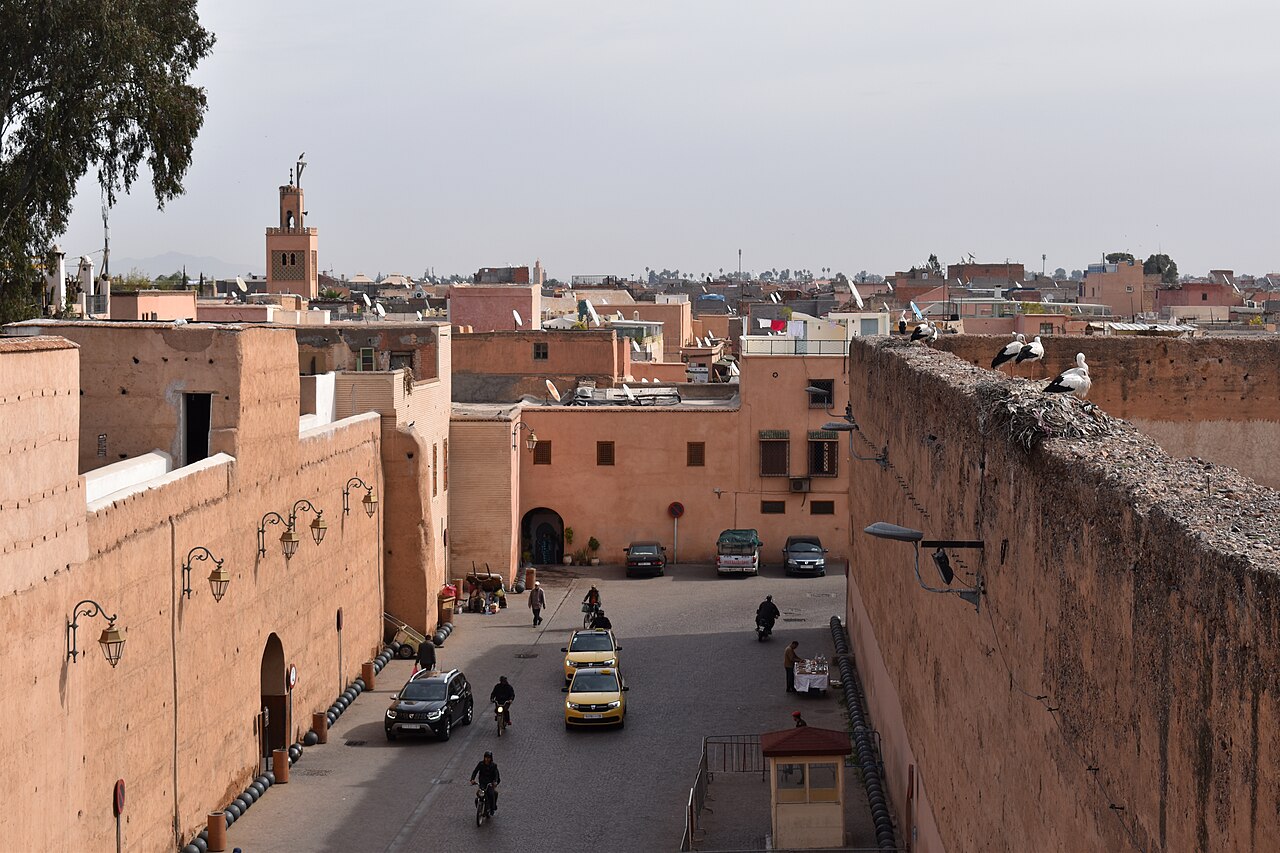
The dramatic ruinscape offers strong visual compositions across multiple vantage points. Elevated wall walks provide contextual views across the palace footprint toward the Atlas Mountains on clear days. The contrast between ochre walls and deep blue sky characterises many successful images. Morning and evening light accentuates texture in the weathered surfaces. Stork nests atop walls constitute distinctive subjects. Tripod use policies are not specified in available sources and should be confirmed on site. The expansive scale challenges wide-angle capture; panoramic techniques may prove beneficial. Shadow areas in underground sections require adjusted exposure settings.
Checked 2026-08-26
No. These are separate monuments in Marrakesh with distinct histories and locations. El Badi is a ruined Saadian palace, while Bahia Palace is a later nineteenth-century structure in a different quarter of the medina.
Yes. Subterranean areas are accessible and contain exhibition elements, though they involve stairs and reduced lighting conditions requiring appropriate caution.
Whether official guided tours operate is Not recorded. Visitors may encounter independent guides in surrounding areas but should establish credentials and terms clearly before engagement.
The uneven terrain, excavated areas, and stairs to underground sections present significant challenges. Specific accessibility provisions are Not recorded pending review from operator sources.
The palace forms part of the Medina of Marrakesh UNESCO World Heritage site inscribed in 1985, recognised for its outstanding universal value as an intact historic Islamic capital.
On-site visitor facilities are Not recorded in available sources. The surrounding kasbah quarter contains various establishments though their proximity and quality require direct verification.
Loading the interactive map…
The interactive map could not be loaded.

Last updated:
Source: OpenStreetMap contributors, Wikidata ·