

11 min walk
Diego Rivera Mural Museum
- Must see
- Museum
Language · 11 published
Historic monument · Mexico City
Monumento a la Revolución

| Monday | 12:00 – 20:00 |
|---|---|
| Tuesday | 12:00 – 20:00 |
| Wednesday | 12:00 – 20:00 |
| Thursday | 12:00 – 20:00 |
| Friday | 12:00 – 22:00 |
| Saturday | 12:00 – 22:00 |
| Sunday | 10:00 – 20:00 |
Checked 2026-08-31 · Source
Read from the OpenStreetMap access tags; anything not listed has no tag recorded.
Set the group type to family in the planner and the day window contracts to about three quarters of a solo day.
Monument to the Revolution is one of Mexico City’s most recognizable landmarks, rising above Plaza de la República in the Tabacalera area. Its great dome began as part of an unfinished federal legislative palace during the Porfiriato. After construction stopped during the Mexican Revolution, the structure was transformed into a memorial. Today it combines monumental architecture, revolutionary history, a mausoleum, museum spaces, and a high observation point. The Monument to the Revolution stands in Mexico City as a landmark commemorating the Mexican Revolution. Its distinctive dome originated as the uncompleted Palacio Legislativo Federal, designed for the federal legislature during the Porfiriato. Construction halted due to the Revolution itself. Later repurposed, the structure became a monument with Art Deco and socialist realism elements. It ranks among the city's most prominent architectural features and serves as both memorial and cultural venue. The structure houses tombs of revolutionary figures and offers visitors access to an observation point within its dome. The structure incorporates the dome from the unfinished Palacio Legislativo Federal, later repurposed as the monument. The original construction was abandoned due to the Revolution.
Checked 2026-08-26 · Source
The visit brings together several experiences in one complex. A museum presents historical material connected with the Mexican Revolution, while the mausoleum beneath the monument holds the remains of important revolutionary figures. The former legislative dome now contains an observation area with elevated views over Mexico City. Look closely at the structure itself: its unfinished palace origins and later Art Deco and socialist realism details are central to understanding why this is more than a simple commemorative arch. The monument contains a museum dedicated to the Mexican Revolution, presenting historical materials and interpretation. Beneath the structure lies a mausoleum holding the remains of significant revolutionary figures.
Checked 2026-08-26 · Source
Allow enough time for the museum, memorial spaces, architecture, and observation point rather than treating the monument as a quick exterior photograph. A shorter visit can focus on the dome and skyline, while a fuller visit benefits from reading the historical displays and pausing in the mausoleum. The experience is spread across different parts of the building, so moving between them adds time. Architecture enthusiasts and photographers will naturally want longer.
Checked 2026-08-26 · Source
Clearer weather gives the observation point stronger views across the capital, while summer rain can interrupt time outdoors and reduce distant visibility. Earlier in the day can suit visitors who want a calmer photographic setting, although the plaza remains an active central-city space. The monument works well as part of a day around the historic centre and Reforma corridor. Plan the indoor visit around the attraction’s current schedule and the time needed to reach the viewpoint.
Checked 2026-08-26 · Source
The monument contains a museum, memorial areas, and an observation point, so the practical visit may involve more than one visitor area. Treat the museum and the elevated viewpoint as parts of the same landmark, while allowing for the possibility that access arrangements differ between them. The important choice is whether you want only the exterior and plaza or the complete interior experience. Keep time in your plan for the museum displays and the climb or ascent toward the dome.
Checked 2026-08-26 · Source
The monument stands near Avenida de la República and Calle Juárez, where its dome is easy to identify from surrounding streets. Revolución Metro station on Line 2 is immediately nearby, and Metrobús services operate in the wider area. The central position makes it convenient to combine with other historic-centre or Reforma sights. Walking is practical from nearby accommodation, but heavy traffic can slow taxis and buses during commuting periods.
Checked 2026-08-26 · Source
The observation experience requires vertical movement and may be demanding for visitors who find stairs, enclosed circulation, or heights difficult. The mausoleum is a memorial space, so a quiet and respectful manner is appropriate. The surrounding plaza is busy with pedestrians and traffic; keep valuables secure while crossing or waiting outside. At the open-air viewpoint, sun, wind, and rain can change the experience quickly. Follow signs and staff directions inside.
Checked 2026-08-26 · Source
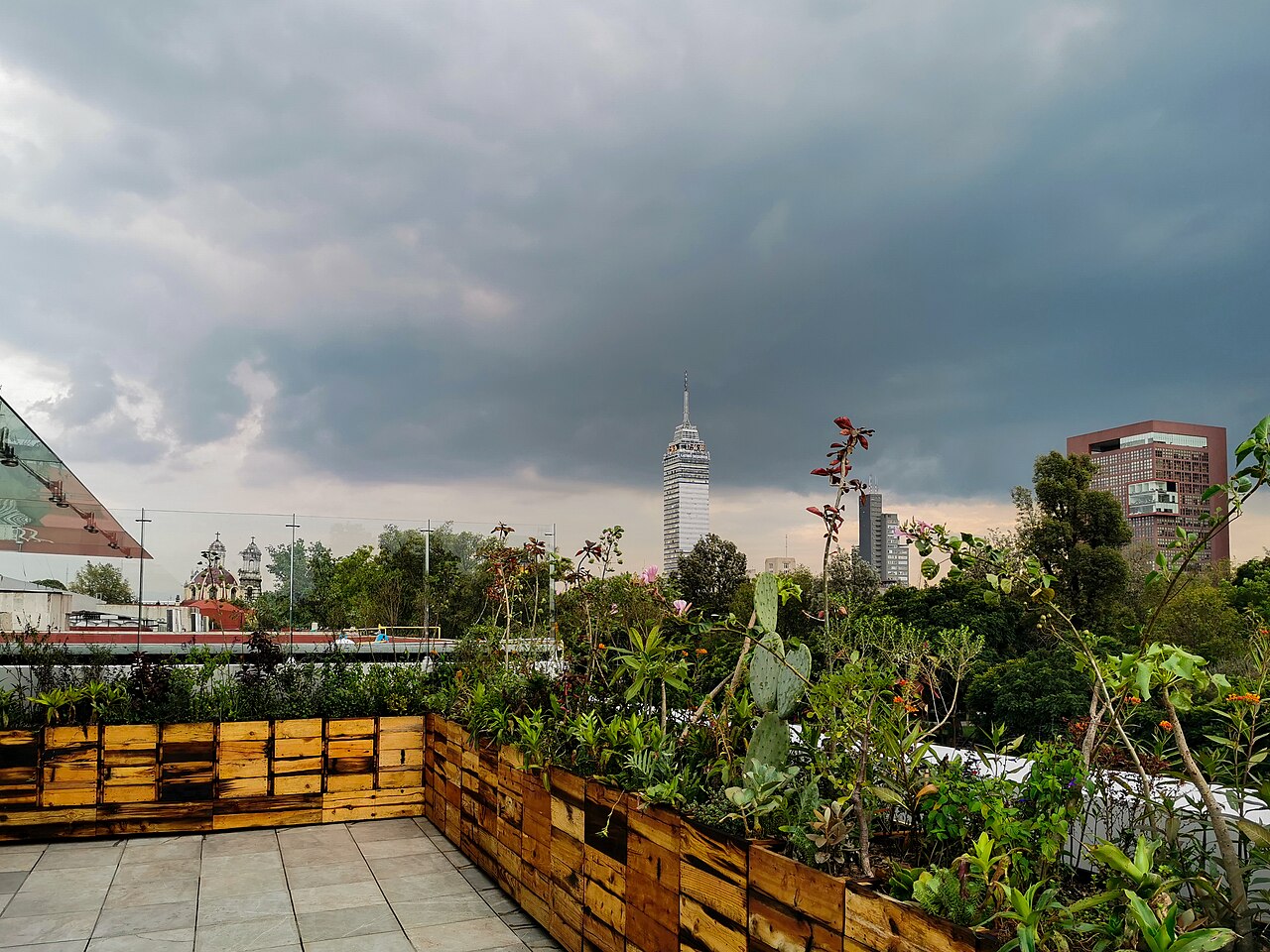
The dome is particularly striking when photographed from the plaza, where its scale becomes clear against the surrounding city. From the observation point, the skyline supplies a second perspective, with visibility shaped by clouds and atmospheric conditions. Inside, architectural details and museum displays provide subjects, but memorial and exhibition areas deserve a restrained approach. Use the exterior plaza for wide compositions and return near late afternoon if warm light on the structure is important to your itinerary.
Checked 2026-08-26 · Source
It began as part of the unfinished Palacio Legislativo Federal, a proposed federal legislative palace from the Porfiriato.
The complex includes a Mexican Revolution museum, a mausoleum containing revolutionary remains, and an observation point within the former dome.
It stands by Avenida de la República and Calle Juárez in the Tabacalera area of central Mexico City.
Revolución station on Metro Line 2 is immediately adjacent to the monument’s central-city location.
Yes. Visitors can reach an observation point within the former legislative dome for elevated views over Mexico City.
It is a memorial area beneath the monument containing the remains of significant figures from the Mexican Revolution.
Loading the interactive map…
The interactive map could not be loaded.
Last updated:
Source: OpenStreetMap contributors, Wikidata ·