
.jpg)
.jpg)


3 min walk
National Museum of Art
- Must see · Heritage site
- Museum
Language · 11 published
Art and culture venue · Mexico City
Teatro de la Ciudad Esperanza Iris

Teatro de la Ciudad Esperanza Iris is a historic performance venue in Mexico City's central historic centre. Opened in 1918 and named after the Mexican singer and actress Esperanza Iris, it remains an important setting for theatre, music, dance and other cultural events. Its continuing use gives the building a particular atmosphere: visitors encounter both a heritage interior and a working auditorium where audiences still gather for live performances. Teatro de la Ciudad Esperanza Iris is a historic theatre in Mexico City's central historic centre. Originally opened in 1918, the building underwent restoration and now operates as a significant public performance venue. Named after the renowned Mexican singer and actress Esperanza Iris, the theatre represents an important chapter in the city's cultural and architectural heritage. It functions under municipal administration as part of Mexico City's network of cultural institutions, hosting diverse programming that reflects its continued relevance as a centre for performing arts in the capital. As an active performance venue, casual visitation may be restricted.
Checked 2026-08-26 · Source
Inside, the restored theatre centres on its auditorium, stage and audience seating. Decorative details associated with early twentieth-century theatre design contribute to the building's appeal, including ornamental surfaces, ceiling treatment and the proscenium area. The best way to experience these spaces is as part of an evening or daytime performance, when the architecture is joined by the energy of a live audience and the changing atmosphere of the programme. The theatre possesses an important architectural interior that constitutes its principal heritage value. The restored 1918 structure preserves decorative and spatial elements characteristic of early twentieth-century theatre design in Mexico. As a performance venue, it contains the essential components of a theatrical space including audience seating areas and a stage.
Checked 2026-08-26 · Source

Set aside about two to three hours for a performance, including the interval when one is scheduled. Arriving early gives you a little time to take in the historic interior before the auditorium fills. The visit is shaped by the production rather than by a fixed museum route, so your total evening also includes the time needed to reach the theatre and leave the historic centre after the event.
Checked 2026-08-26 · Source
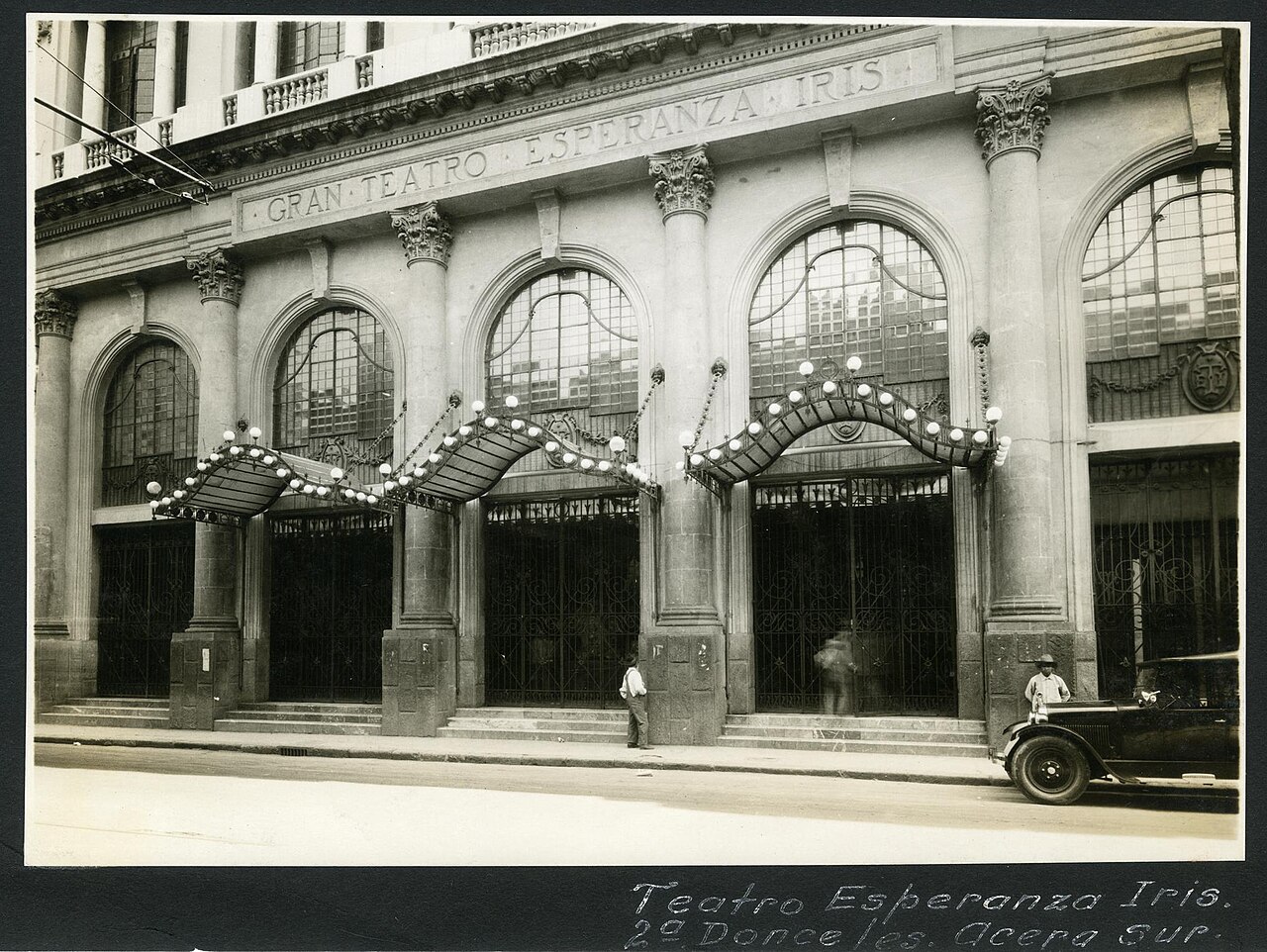
Choose a date that matches a performance you genuinely want to see. The programme may include theatre, music, dance and other cultural presentations, with both evening and daytime events possible. A performance visit is more satisfying when you arrive with enough time to enter calmly and appreciate the auditorium before the lights dim. The venue's central location also makes it easy to pair an event with an afternoon in the historic centre.
Checked 2026-08-26 · Source
A performance ticket is the natural way to enter Teatro de la Ciudad Esperanza Iris. Seating and prices can differ according to the production and the selected location in the auditorium, so choose the event first and then plan the rest of your evening around it. Popular cultural programmes benefit from advance planning. Keep your ticket accessible on arrival and allow time for the entrance process before the scheduled start.
Checked 2026-08-26 · Source
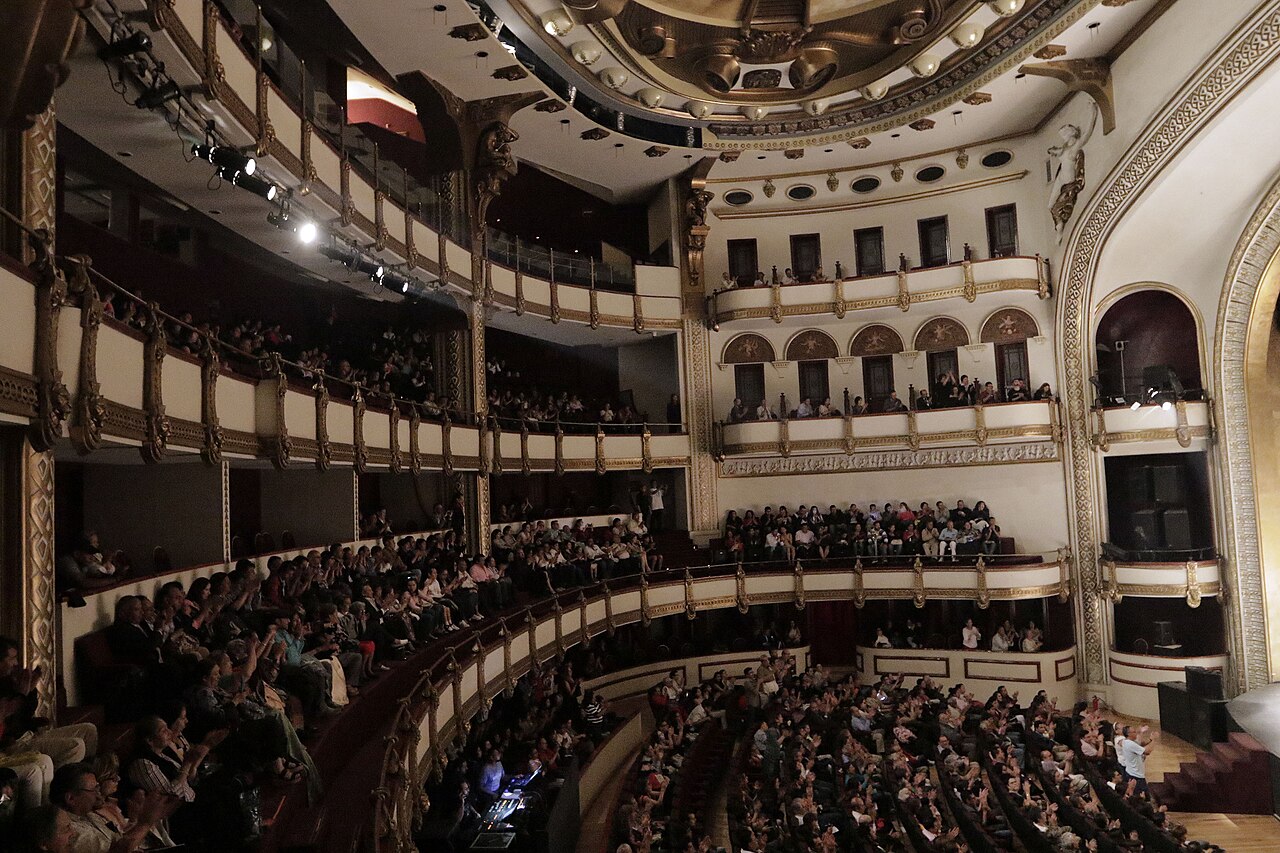
The theatre is in Mexico City's historic centre, where walking and public transport are useful for reaching a central cultural venue. Metro and Metrobus services connect the district with other parts of the city, while nearby attractions can be reached on foot. Private-car journeys may be slowed by central traffic and limited parking. For an evening performance, leave a generous margin for crowded streets, station exits and the final walk to the auditorium.
Checked 2026-08-26 · Source

Remember that this is a working theatre, not a continuously accessible museum. Enter with your performance ticket and follow the venue's audience procedures. Historic seating and older interior layouts may feel different from a modern concert hall, so allow yourself time to settle before the event begins. Keep phones silent during the performance and avoid disturbing performers or other spectators. After an evening event, stay attentive while moving through busy central streets.
Checked 2026-08-26 · Source

The theatre's architectural details are most naturally enjoyed before the performance begins, when the auditorium atmosphere is part of the experience. Avoid photographing or recording the show, and keep screens dark once the event starts. For exterior images, the historic-centre setting provides useful context. Inside, follow signs and staff directions, especially where audience movement or production work makes photography unsuitable. A discreet camera or phone is easier to manage in a seated auditorium.
Checked 2026-08-26 · Source
The theatre opened in 1918 and is named after the Mexican singer and actress Esperanza Iris.
The auditorium, stage, seating and decorative early twentieth-century theatre details form the central interior experience.
Plan for roughly two to three hours for a performance, with additional time for arrival and departure.
The venue presents theatre, music, dance and other cultural performances in its historic auditorium.
It is located in Mexico City's central historic centre, within a district suited to walking and public transport.
Arrive in good time, keep your phone silent, remain considerate of other spectators and avoid photography or recording during the show.
Loading the interactive map…
The interactive map could not be loaded.

Last updated:
Source: OpenStreetMap contributors, Wikidata ·