


1 min walk
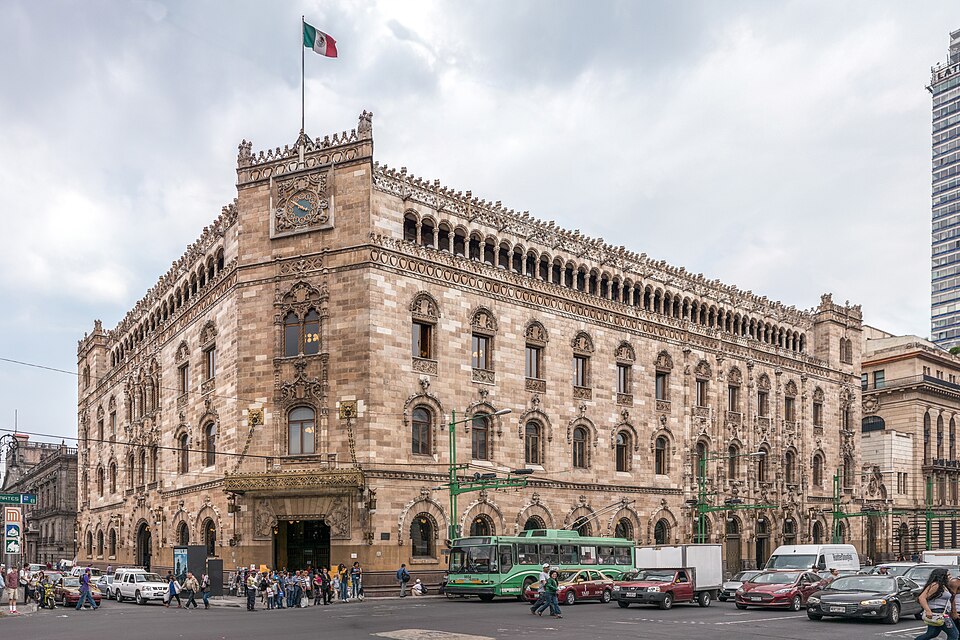
Palacio de Correos de Mexico
- Must see · Heritage site
- Historic monument
Language · 11 published
Museum · Mexico City
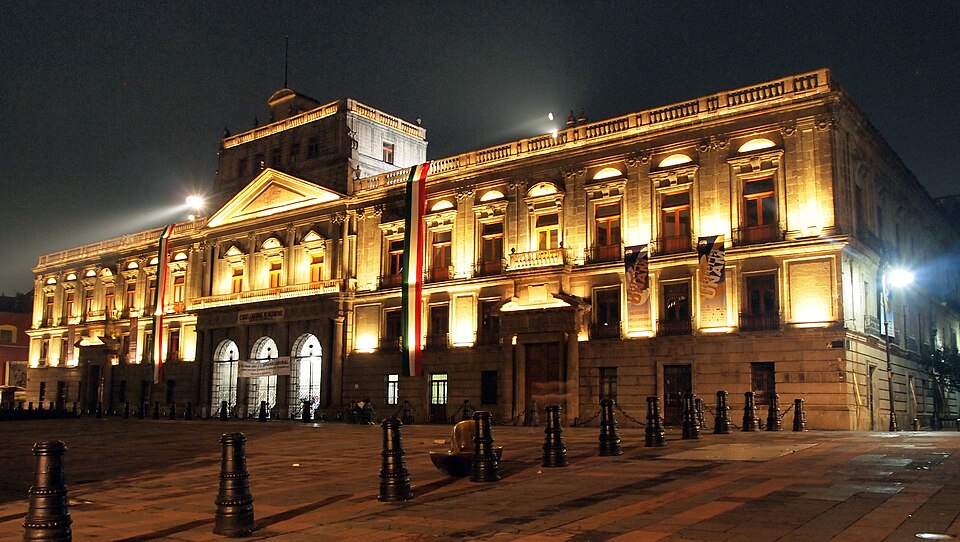
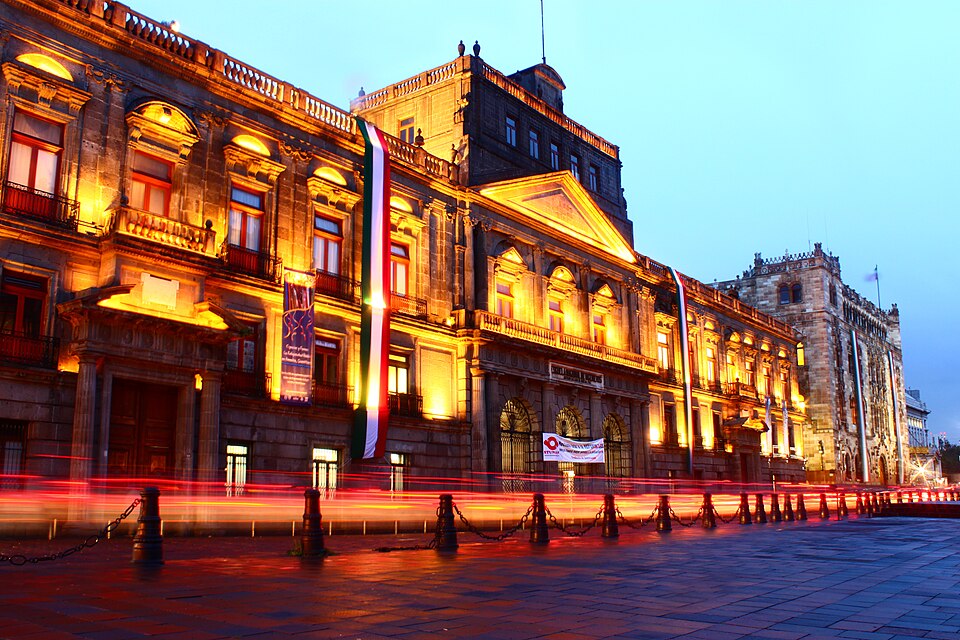
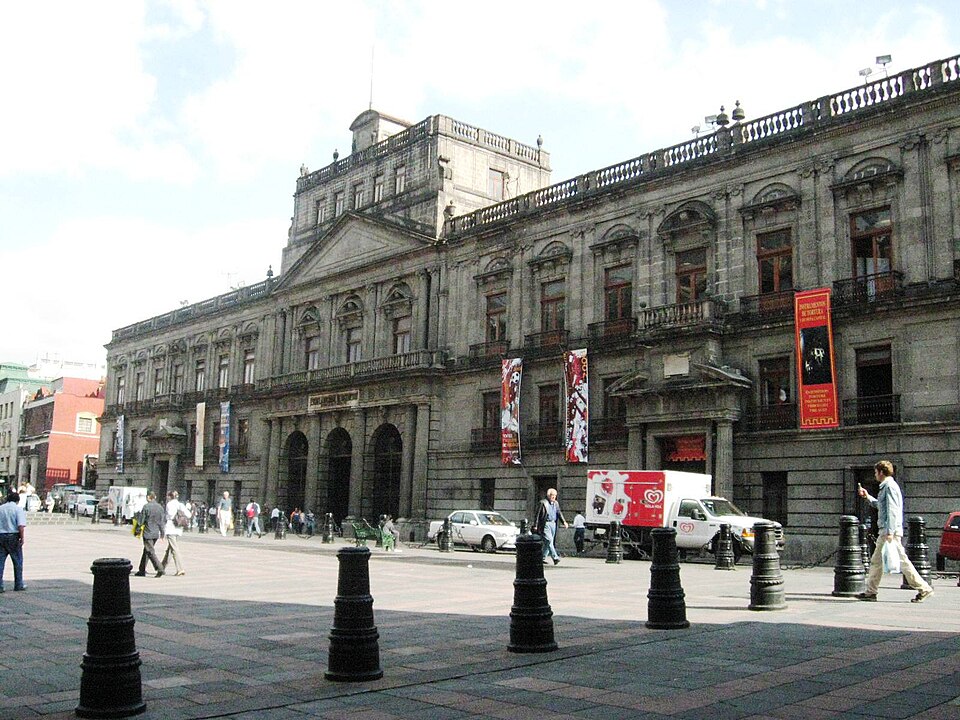
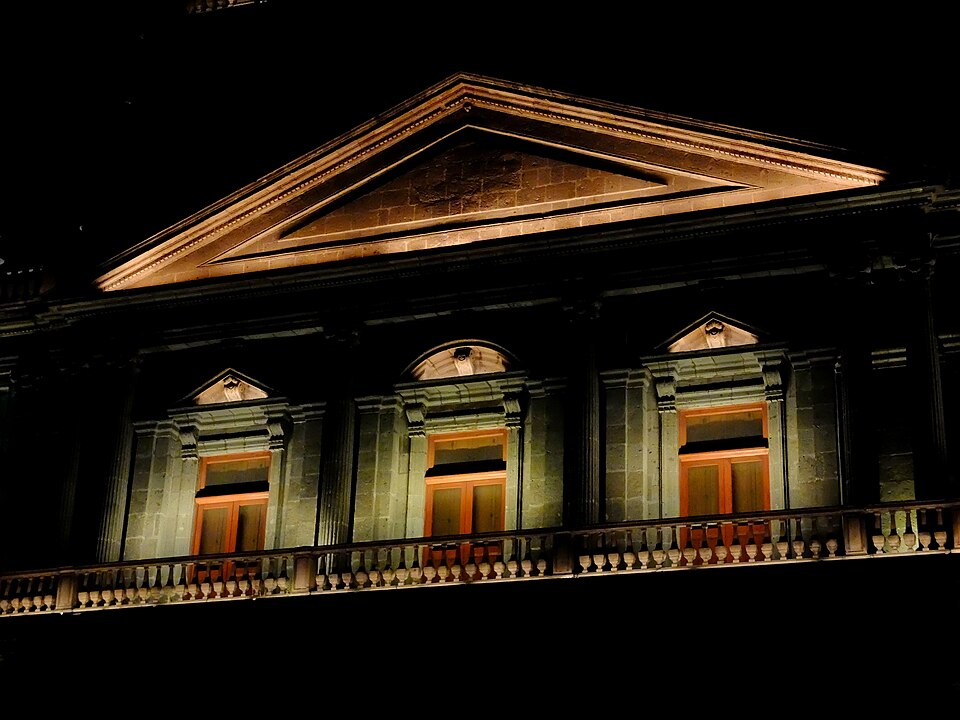
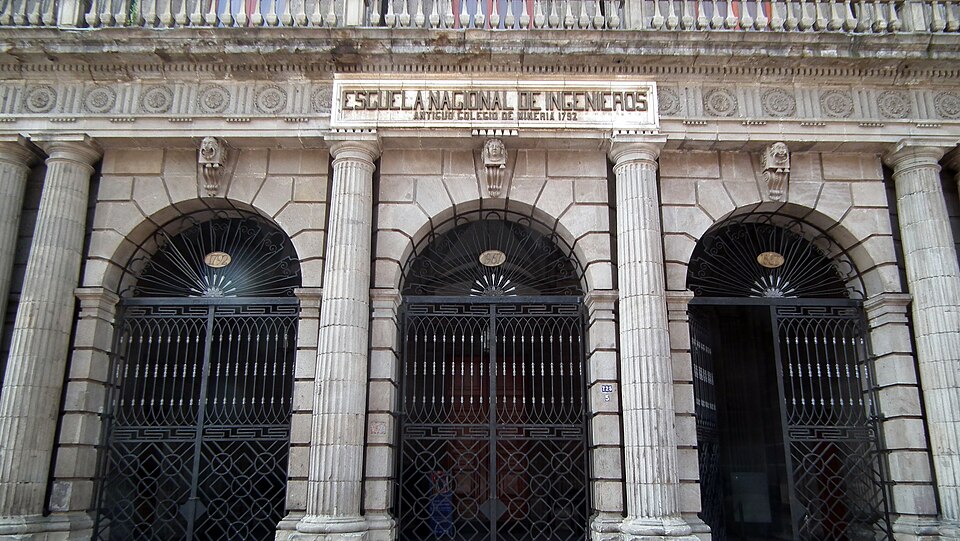
The Palacio de Minería is a neoclassical building in Mexico City's historic centre. Constructed as an engineering school, it stands as one of the finest civic interiors in the area. The building serves as a significant cultural venue, hosting major events throughout the year. Its architectural importance reflects the prominence of mining engineering in Mexican history. The structure represents institutional heritage rather than a conventional museum or tourist attraction. Visitors should approach it primarily as a historic educational building with periodic public access rather than a dedicated sightseeing destination.
Checked 2026-08-26
The interior contains notable neoclassical spaces characteristic of early nineteenth-century civic architecture. The building's finest rooms demonstrate the grandeur intended for Mexico's premier engineering institution. Major cultural events occupy these spaces, suggesting adaptable configurations for exhibitions, ceremonies, and performances. The specific permanent collections or displays are not recorded in available sources. Visitors may encounter temporary installations or event preparations rather than fixed interpretive materials. The architectural fabric itself constitutes the primary interior experience, with decorative and spatial qualities deserving attention. What is visible on any given day depends on scheduled activities.
Checked 2026-08-26
Duration depends entirely on whether the building is open for general visitation or hosting a specific event. Without fixed exhibition spaces, there is no standard circuit to complete. Those attending ticketed events should plan according to published schedules. Casual visitors gaining entry during open periods might reasonably allocate thirty to sixty minutes for appreciating the architectural interior. This estimate assumes no event attendance, merely spatial observation. Event participants will require additional time for registration, seating, and programme duration. Visitors should verify current accessibility before committing significant time to this destination.
Checked 2026-08-26
Operator-confirmed hours are Not recorded pending review. The building functions as an active cultural venue rather than a museum with regular public opening times. Event schedules presumably determine accessibility, though these are not detailed in available sources. Visitors should consult the official website directly for current programming and any public access opportunities. Seasonal variations in event frequency may affect visit feasibility. The historic centre location means surrounding attractions remain accessible regardless of this building's status. Advance planning appears essential given the absence of predictable daily opening patterns in supplied information.
Checked 2026-08-26
Operator-confirmed prices are Not recorded pending review. Admission structures likely vary between free public access periods, event tickets, and possible guided tour fees. Cultural venues of this type frequently employ multiple pricing tiers. Visitors should verify current costs through official channels before arrival. Payment methods accepted, advance purchase requirements, and cancellation policies remain undocumented in available sources. Students, seniors, and other concession categories may receive reduced rates, though this cannot be confirmed. Budget-conscious travellers should prepare for uncertain pricing and prioritise confirmation from authoritative sources over informal guidance.
Checked 2026-08-26

The Palacio de Minería occupies a central location within Mexico City's historic centre, an area served by extensive public transportation. Metro stations and bus routes connect to this district, though specific optimal stops are not recorded. Walking from nearby historic attractions seems practical given the compact centre. Traffic congestion and parking scarcity characterise this zone, favouring public transit use. Visitors already exploring the historic centre should find the building reasonably accessible on foot. Those arriving from distant districts should consult current transit applications for routing, as infrastructure details exceed the supplied context.
Checked 2026-08-26
Security conditions in the historic centre require standard urban awareness, though specific risks at this building are unrecorded. Event attendance may involve bag checks or entry queues not present during quiet periods. The building's active institutional function means visitors might encounter restricted areas, event closures, or academic activities limiting access. Floor surfaces and staircases in historic buildings may present accessibility challenges; specific accommodations are not documented. Photography policies may vary by area or event. Visitors should respect signage, staff directions, and any temporary restrictions without assuming unlimited access rights throughout the structure.
Checked 2026-08-26
Photography policies are not explicitly documented in available sources. Neoclassical interiors typically permit non-flash photography for personal use, but active event venues often impose restrictions during performances or private functions. Tripods and professional equipment commonly require advance permission. Visitors should observe posted regulations and staff instructions upon entry. The architectural quality suggests photographic interest, though lighting conditions in historic interiors may challenge casual equipment. Respect for other attendees at cultural events must govern behaviour. When uncertain, verbal confirmation from on-site personnel represents the safest approach before capturing images.
Checked 2026-08-26
Operator-confirmed hours are Not recorded pending review. The building functions as an active cultural venue without predictable daily opening patterns. Visitors should consult the official website for current accessibility.
Operator-confirmed prices are Not recorded pending review. Pricing likely varies by event type or access category. Visitors should verify current costs through official channels before arrival.
The neoclassical interior architecture constitutes the primary experience. There are no fixed exhibition spaces documented; visitors may encounter event preparations or temporary installations depending on scheduling.
Yes, the historic centre location benefits from extensive Metro and bus connections, though specific optimal routes are not recorded in available sources.
Photography policies are not explicitly documented. Visitors should observe posted regulations and seek staff confirmation, particularly during events when restrictions may apply.
Without fixed exhibitions, thirty to sixty minutes suffices for architectural appreciation if accessible. Event attendance requires additional time according to specific programmes.
Loading the interactive map…
The interactive map could not be loaded.

Last updated:
Source: OpenStreetMap contributors, Wikidata ·