


3 min walk
Renaissance Tomb
- Must see
- Historic monument
Language · 11 published
Viewpoint · Wadi Musa
جبل المذبح
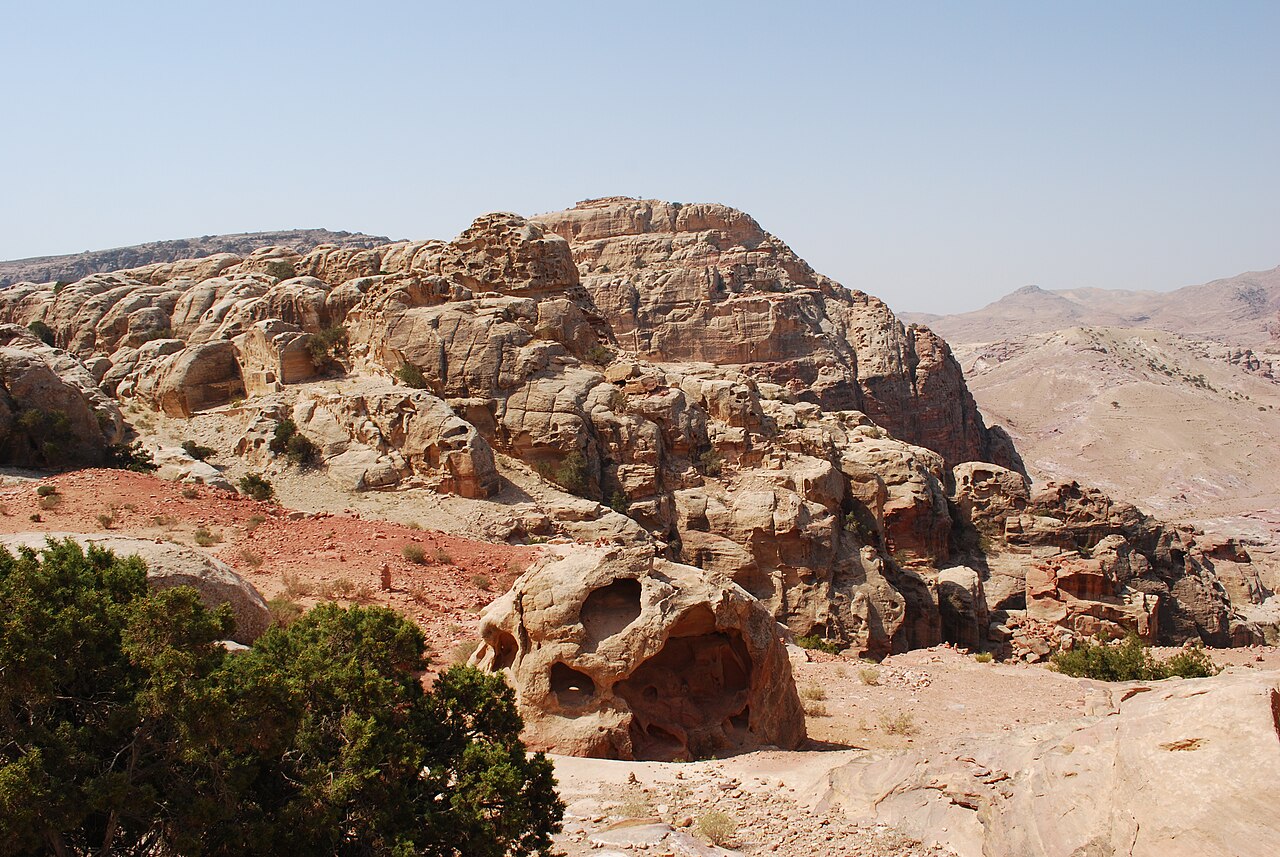
Jebel al-Madhbah is a mountain in or beside Petra’s archaeological landscape in southern Jordan. Its Arabic name means “altar mountain,” and the rugged sandstone summit gives the site a strong connection with Petra’s elevated terrain and religious associations. The mountain is a destination for landscape and archaeological exploration rather than a conventional enclosed attraction. Its appeal comes from height, stone, views and the effort of reaching a mountain feature within Petra. Jebel al-Madhbah is a mountain located within the Petra archaeological park in southern Jordan. Its Arabic name, المذبح, translates to 'the altar mountain,' suggesting historical religious significance. The peak offers elevated views over the surrounding desert landscape and Petra's famous rock-cut monuments. As a named feature within this UNESCO World Heritage Site, it forms part of the broader archaeological and natural environment that draws visitors to the region. The mountain sits in rugged sandstone terrain characteristic of the area. These appear to be distinct locations. The High Place of Sacrifice is a specific documented altar site in Petra, while Jebel al-Madhbah is a separate named mountain.
Checked 2026-08-26 · Source
Jebel al-Madhbah consists of natural sandstone terrain, rocky approaches and elevated positions overlooking the Petra region. The mountain’s name provides a clear cultural association with an altar, while the surrounding park supplies the wider context of Nabataean tombs, temples, streets and water systems. Treat the mountain as an outdoor landscape experience: the changing views and rugged geology are as important as the archaeological story encountered elsewhere in Petra. The mountain itself consists of natural sandstone formations typical of the Petra region. Visitors may encounter desert vegetation, rocky trails, and panoramic vantage points. The broader Petra park contains numerous tombs, temples, and water management systems carved by the Nabataean civilization. Whether distinct structures exist on this specific peak remains unverified.
Checked 2026-08-26 · Source
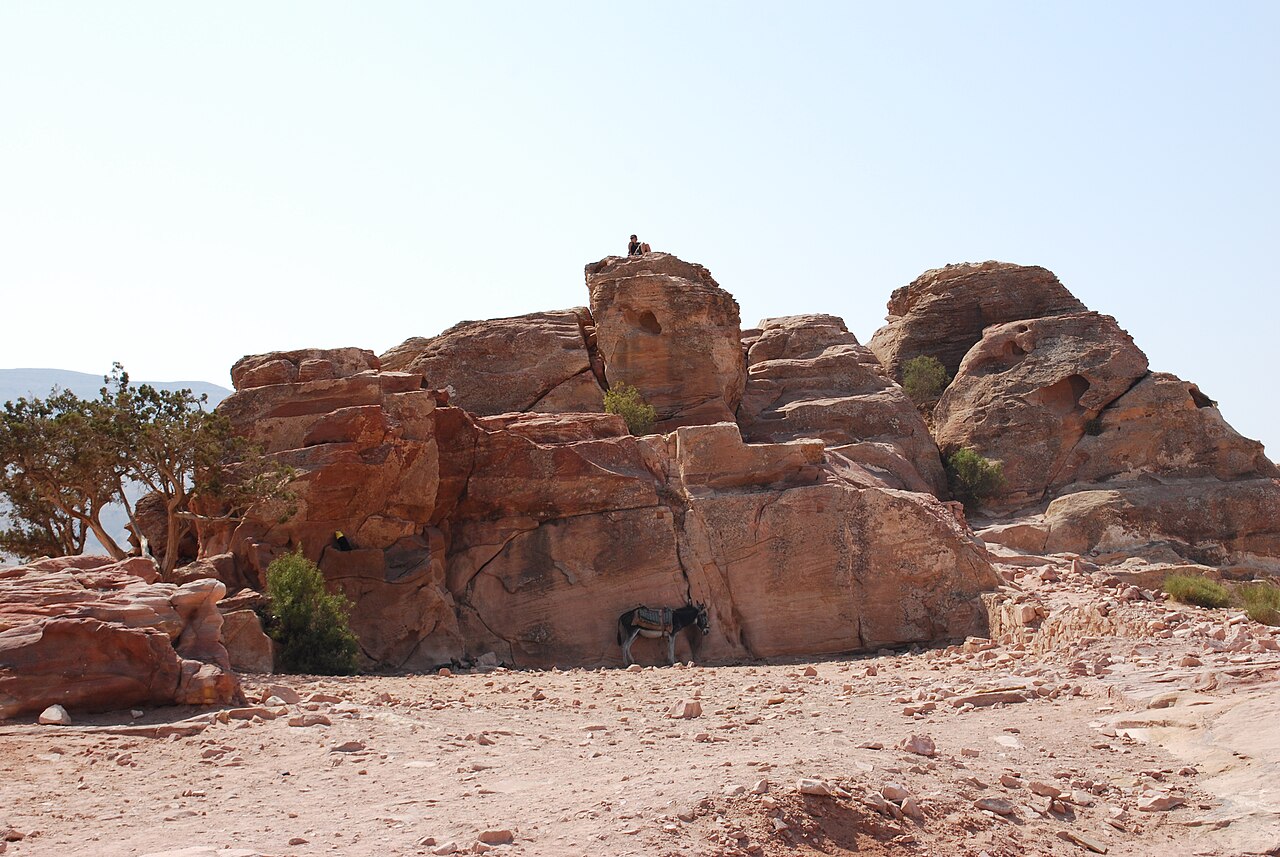
Plan several hours when Jebel al-Madhbah is part of your Petra day, because the experience involves reaching elevated terrain, spending time with the views and returning through the archaeological landscape. Exact timing depends on your starting point, pace, weather and route. Do not place the mountain at the end of an already exhausting itinerary. Give yourself daylight, water and enough energy for the return journey across uneven ground. Duration for visiting Jebel al-Madhbah depends on intended activity and starting point within Petra.
Checked 2026-08-26 · Source
Spring and autumn are comfortable seasons for a strenuous outdoor visit, while summer heat can make exposed sandstone trails demanding. Early morning reduces heat and gives the landscape softer light. Late afternoon can also suit photography, provided the route back remains within daylight. Winter brings cooler conditions and possible rain, which can make rock surfaces slippery. Build flexibility into the day so weather and physical effort determine your pace on the mountain.
Checked 2026-08-26 · Source
Jebel al-Madhbah belongs to the Petra archaeological landscape, so include it within your wider Petra visit rather than planning a separate mountain ticket. The main commitment is the walk and the physical effort involved in reaching elevated ground. Set aside enough of your Petra day for the climb, the views and the return. A mountain stop can be rewarding, but it changes the rhythm of a valley-focused itinerary.
Checked 2026-08-26 · Source
Begin from Petra’s visitor area near Wadi Musa and continue into the park before taking the route toward the mountain. Reaching Jebel al-Madhbah is an outdoor walk over rugged sandstone rather than a drive to a summit. Carry water, wear shoes with reliable grip and keep the route within daylight. Local guides operate around Petra and can add interpretation to a demanding landscape, while independent walkers need strong route awareness.
Checked 2026-08-26 · Source
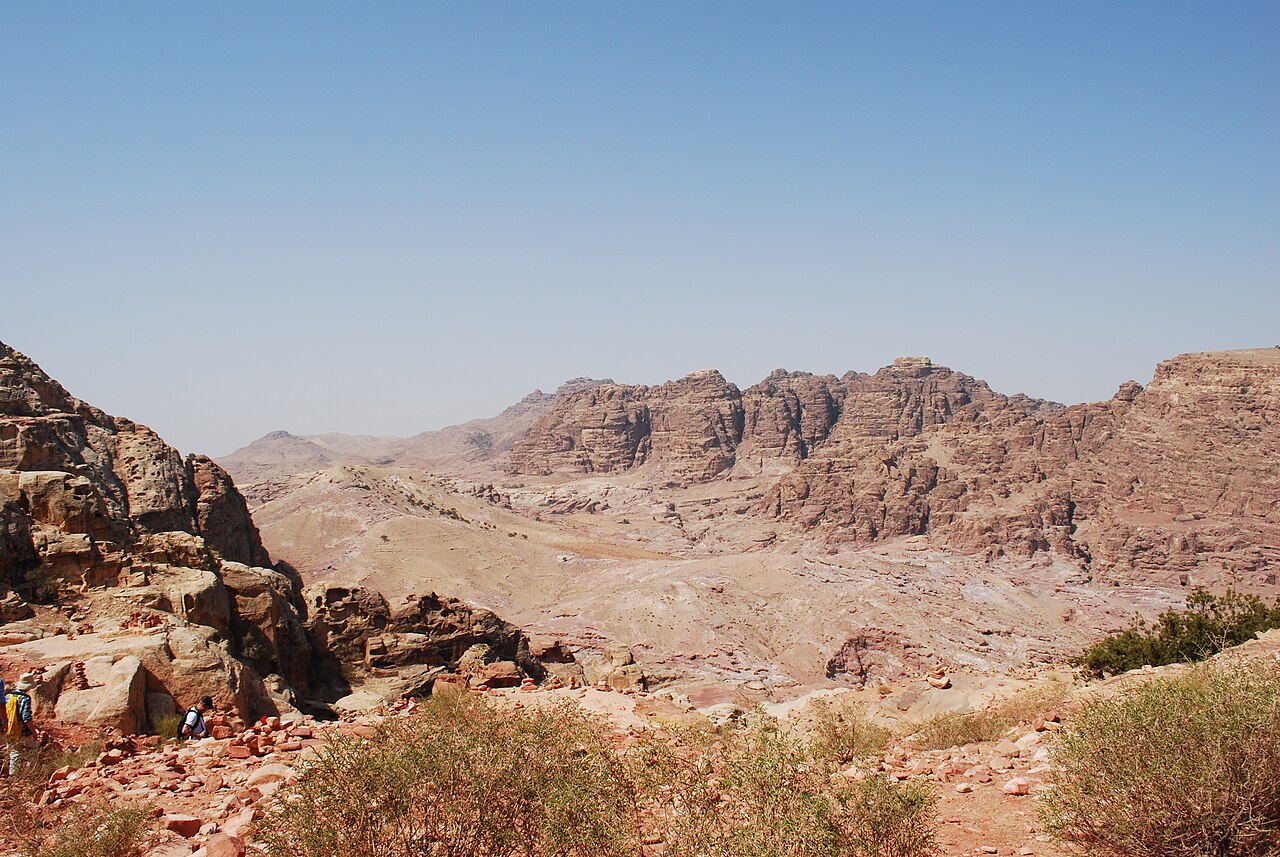
Heat, dehydration, loose rock, steep ground and route-finding are the main challenges of a mountain visit in Petra. Carry more water than you would for a short valley walk, protect your head and skin from the sun and pace yourself on climbs. Avoid travelling beyond your ability or daylight. Tell your companions where you are going, stay together when practical and treat exposed edges and fragile archaeological areas with care.
Checked 2026-08-26 · Source
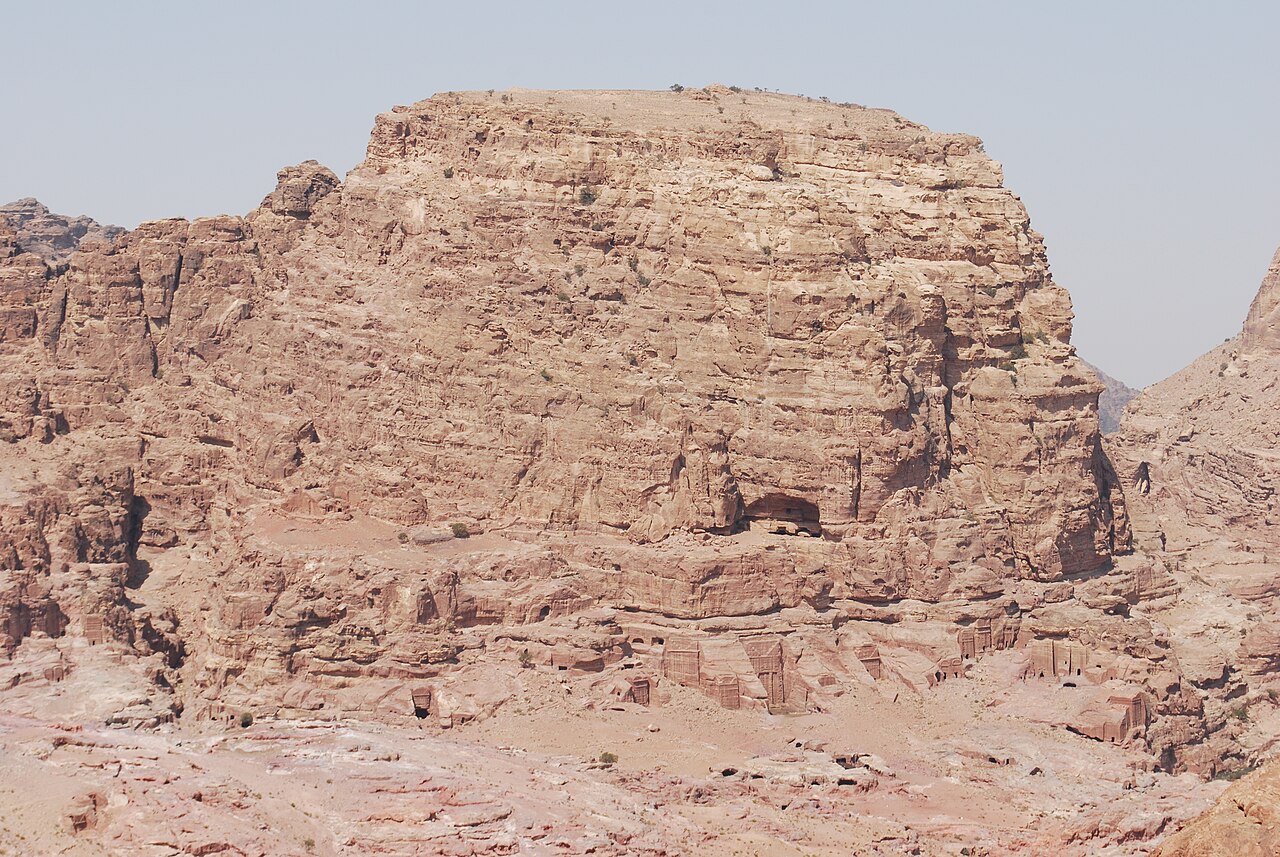
The mountain’s strongest photographic reward is its elevated perspective across Petra’s sandstone landscape. Use early or late light to bring out warm colour and relief, while wider compositions show the relationship between the summit, cliffs and archaeological park. Midday haze and dust can soften distant views. Keep your attention on footing while photographing, avoid unstable edges and leave enough time to descend before the light fades.
Checked 2026-08-26 · Source
It means “altar mountain” in Arabic and gives the mountain a strong religious and cultural association within Petra’s landscape.
It is a rugged mountain feature associated with Petra, offering sandstone terrain and elevated views rather than an enclosed museum-style visit.
Allow several hours for the walk, time at the elevated viewpoints and the return through Petra’s uneven archaeological terrain.
Bring water, sun protection and shoes with reliable grip, and leave enough daylight and energy for both the climb and descent.
Early morning is useful for cooler conditions, while late afternoon offers warm light if you can complete the return before darkness.
The elevated terrain provides broad views across Petra’s rose-red sandstone cliffs, desert landscape and archaeological park.
Loading the interactive map…
The interactive map could not be loaded.


Last updated:
Source: OpenStreetMap contributors, Wikidata ·