Smart Self-Managed Tours

City guide · Japan

Tokyo

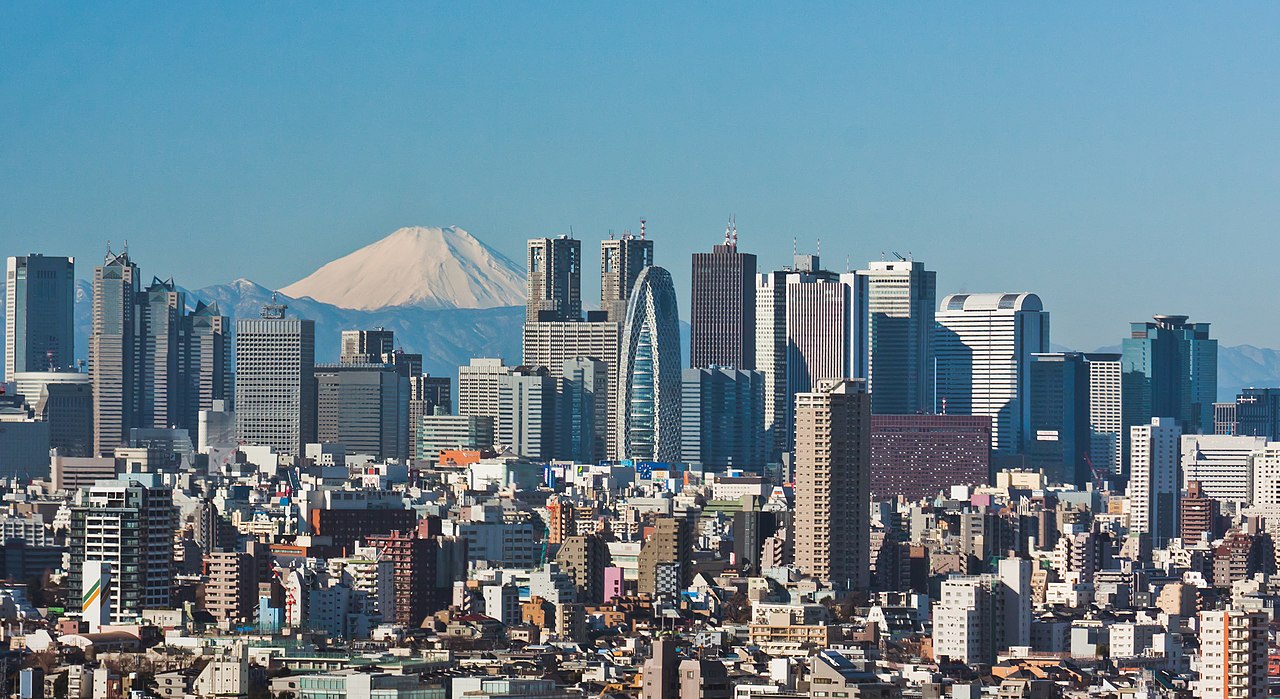
A photograph of Tokyo
Photograph · Morio · CC BY-SA 3.0

Tokyo is a network of major station districts rather than a single centre. Historic Asakusa and Ueno, commercial Ginza and Marunouchi, and the western hubs of Shinjuku and Shibuya each work as separate sightseeing clusters. Rail makes movement reliable, but large stations and cross-city transfers consume time. A good itinerary stays on one side of the city for half a day and uses the Yamanote loop, subway lines and through-running rail services to connect clusters.

Practical information

Language spoken
Japanese
National practical orientation; regional and minority languages may also be used
Dialling code
+81
International calling code; local area and mobile prefixes still apply
Currency
Japanese yen (JPY)
Use the official local currency; card acceptance varies by place
Emergency number
110 police · 119 fire and ambulance
Use only for an emergency; tourist assistance may use a separate number
Plug type
Type A · 100 V
Check that chargers support the recorded voltage before using an adapter
Tap water
Safe from the mains
JNTO states that tap water is safe to drink

Turn this list into a plan

Set your days, your pace and the hours you actually want to be out. The planner works around closing days and travel time, and leaves room to eat.

Plan Tokyo

Planning a visit

Suggested stay
5-6 days
Getting around
JR, subway and private rail with an IC card
  1. January: viable with meaningful trade-offs
  2. February: viable with meaningful trade-offs
  3. March: good time to visit
  4. April: best time to visit
  5. May: best time to visit
  6. June: good time to visit
  7. July: viable with meaningful trade-offs
  8. August: viable with meaningful trade-offs — current month
  9. September: good time to visit
  10. October: good time to visit
  11. November: best time to visit
  12. December: viable with meaningful trade-offs
  • Best time
  • Good time
  • Viable with trade-offs
  • Difficult conditions

Sources

Top things to see

Ranked by importance — sitelinks, pageviews and heritage status, not editor preference.

  1. Tokyo National Museum Tokyo National Museum
    02 1 hr 30 min

    Tokyo National Museum

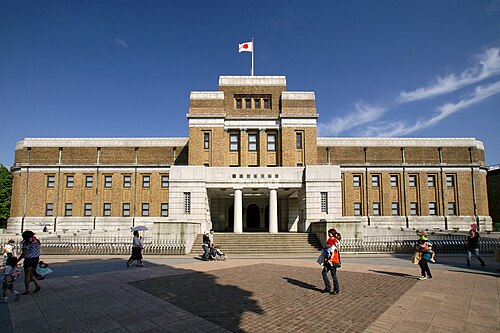
    Tokyo National Museum stands as Japan's oldest and largest museum. Established in 1872, it occupies grounds within Ueno Park in the Taito ward.

    • Must see
    • Museum
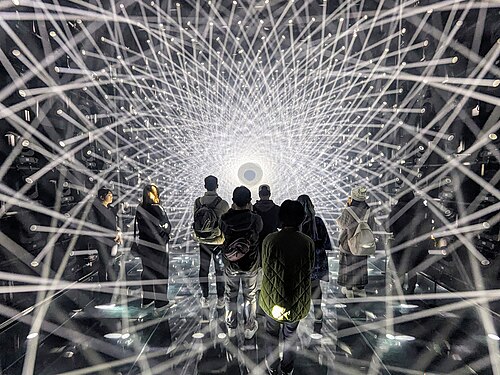
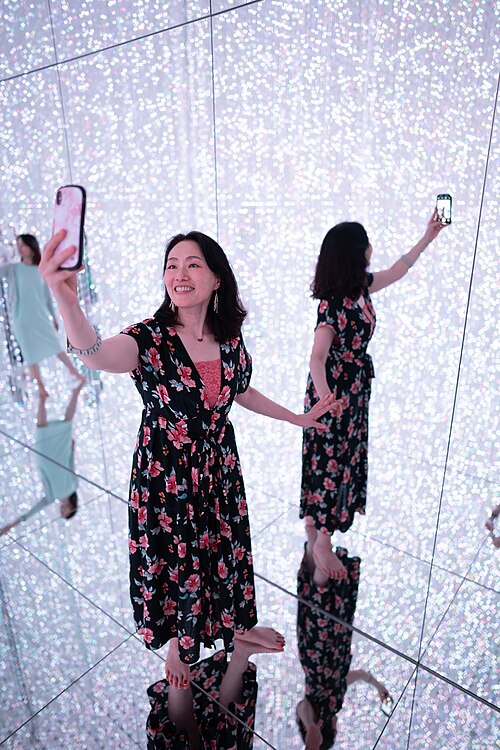
  2. teamLab Borderless teamLab Borderless
    03 1 hr 30 min

    teamLab Borderless

    teamLab Borderless is a digital art museum in Tokyo created by the interdisciplinary art collective teamLab. The permanent installation occupies a substantial indoor space and presents immersive artworks that dissolve boundaries between visitor and art, and between individual works.

    • Must see
    • Museum
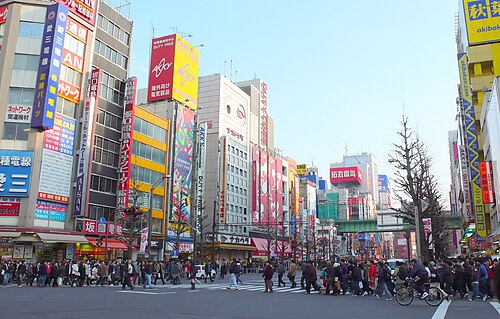
  3. Akihabara Akihabara
    04 2 hours

    Akihabara

    Akihabara is a district in central Tokyo known for electronics retail and otaku culture. The area developed from a post-war black market for radio parts into a major commercial hub.

    • Must see
    • Activity
  4. Ginza Ginza
    06 2 hours

    Ginza

    Ginza is a prominent upscale shopping and entertainment district in central Tokyo, Japan. Its local name is 銀座. The area developed significantly following the Meiji Restoration and became a symbol of Japanese modernization and Western influence.

    • Must see
    • Activity
  5. Shinjuku Shinjuku
    07 2 hours

    Shinjuku

    Shinjuku is a major commercial and administrative district in central Tokyo, widely recognized as one of the city's most vibrant urban centers.

    • Must see
    • Activity
  6. Harajuku Harajuku
    08 2 hours

    Harajuku

    Harajuku is a district in Shibuya, Tokyo, internationally recognised for its youth culture, street fashion, and distinctive subcultural expressions.

    • Must see
    • Activity
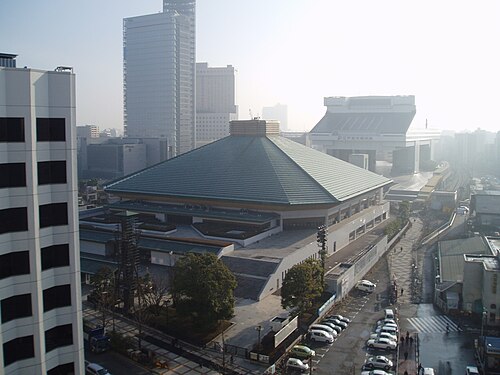
  7. Ryōgoku Kokugikan Ryōgoku Kokugikan
    09 2 hours

    Ryōgoku Kokugikan

    Ryōgoku Kokugikan is the principal indoor arena for professional sumo wrestling in Tokyo, located in the Ryōgoku district. The facility serves as headquarters for the Japan Sumo Association and hosts three of the six annual honbasho tournaments.

    • Must see
    • Activity
  8. Edo-Tokyo Museum Edo-Tokyo Museum
    10 1 hr 30 min

    Edo-Tokyo Museum

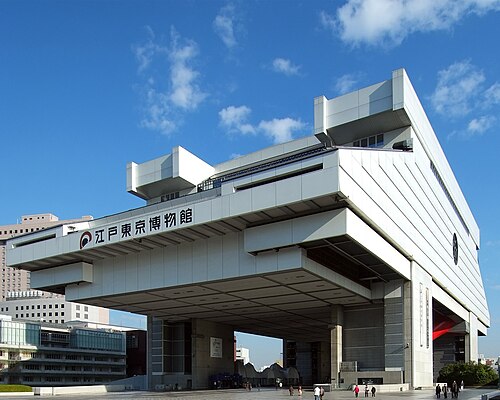
    The Edo-Tokyo Museum is a history museum in Tokyo dedicated to the history and culture of the city from the Edo period through to modern times.

    • Must see
    • Museum
  9. National Museum of Western Art National Museum of Western Art
    11 1 hr 30 min

    National Museum of Western Art

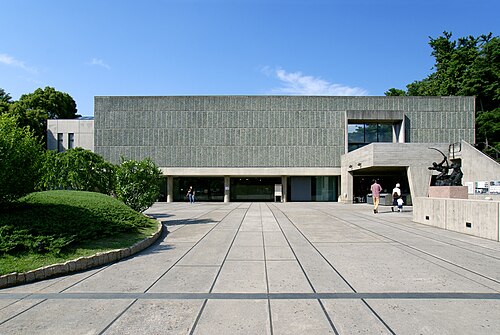
    The National Museum of Western Art, known in Japanese as 国立西洋美術館, is an art museum in Tokyo dedicated to Western art. It is located in Ueno Park, a cultural district in the northern part of central Tokyo.

    • Must see
    • Museum
  10. Mori Art Museum Mori Art Museum
    13 1 hr 30 min

    Mori Art Museum

    The Mori Art Museum is a contemporary art museum located in Tokyo, Japan. Its local name is 森美術館. The museum is situated within the Roppongi Hills complex, a major urban development in the Minato ward.

    • Must see
    • Museum
  11. Tokyo Station
    14 2 hours

    Tokyo Station

    Tokyo Station is a major railway station in the Marunouchi business district near the Imperial Palace. It serves as the primary terminal for multiple Shinkansen lines and regional rail services.

    • Must see
    • Activity
  12. National Museum of Nature and Science National Museum of Nature and Science
    15 1 hr 30 min

    National Museum of Nature and Science

    The National Museum of Nature and Science is a major museum in Tokyo dedicated to natural history and scientific research. Its local name is 国立科学博物館.

    • Must see
    • Museum
  13. Tokyo Metropolitan Art Museum Tokyo Metropolitan Art Museum
    16 1 hr 30 min

    Tokyo Metropolitan Art Museum

    The Tokyo Metropolitan Art Museum is a public art museum operated by the Tokyo Metropolitan Government. Located in Ueno Park, it serves as a venue for diverse art exhibitions rather than maintaining a permanent collection.

    • Must see
    • Museum
  14. National Art Center National Art Center
    17 1 hr 30 min

    National Art Center

    The National Art Center, Tokyo is a major museum in Roppongi, Minato ward. Its local name is 国立新美術館. The building was designed by architect Kisho Kurokawa and opened in 2007.

    • Must see
    • Museum
  15. Nezu Museum Nezu Museum
    18 1 hr 30 min

    Nezu Museum

    The Nezu Museum is a private art museum located in the Minato ward of Tokyo. It was established to preserve and display the collection of Nezu Kaichiro, a businessman and politician who assembled significant works of East Asian art.

    • Must see
    • Museum
  16. Sumida Hokusai Museum Sumida Hokusai Museum
    19 1 hr 30 min

    Sumida Hokusai Museum

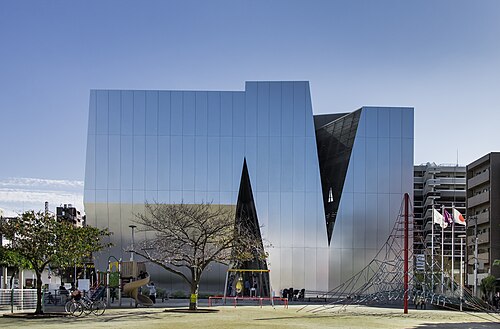
    The Sumida Hokusai Museum is a municipal art museum in Tokyo's Sumida ward, dedicated to Katsushika Hokusai, the ukiyo-e artist who lived in this area during his later years.

    • Must see
    • Museum
  17. Fukagawa Edo Museum Fukagawa Edo Museum
    20 1 hr 30 min

    Fukagawa Edo Museum

    The Fukagawa Edo Museum is a history museum in Tokyo's Koto Ward dedicated to preserving and presenting the culture of the Edo period. The facility focuses on the Fukagawa district, a working-class neighborhood that flourished during the Tokugawa era.

    • Must see
    • Museum
  18. Tokyo Photographic Art Museum Tokyo Photographic Art Museum
    21 1 hr 30 min

    Tokyo Photographic Art Museum

    The Tokyo Photographic Art Museum, known locally as 東京都写真美術館, is a cultural institution in Tokyo dedicated to the art of photography. It operates under the Tokyo Metropolitan Government's cultural programs.

    • Must see
    • Museum
  19. Omotesandō
    22 2 hours

    Omotesandō

    Omotesandō is a tree-lined avenue in Tokyo, stretching from Harajuku to Aoyama. The local name is 表参道.

    • Must see
    • Activity
  20. Kagurazaka
    23 2 hours

    Kagurazaka

    Kagurazaka is a historic hillside district in Tokyo, once known as a prominent geisha quarter during the Edo period. The area retains much of its old Tokyo atmosphere with narrow cobblestone alleyways, traditional wooden buildings, and hidden restaurants.

    • Must see
    • Activity
  21. Rainbow Bridge
    24 2 hours

    Rainbow Bridge

    Rainbow Bridge is a suspension bridge spanning northern Tokyo Bay between Shibaura Pier and the Odaiba waterfront district. The structure carries multiple transportation layers including the Yurikamome transit line, vehicular traffic on an expressway, and pedestrian walkways.

    • Must see
    • Activity
  22. Institute for Nature Study
    47 1 hr 30 min

    Institute for Nature Study

    The Institute for Nature Study is a nature education garden operated as an annex of the National Museum of Nature and Science. Located in central Tokyo, it preserves a remnant of the Musashino woodland ecosystem that once covered the region.

    • High
    • Museum
  23. Nakano Broadway
    62 2 hours

    Nakano Broadway

    Nakano Broadway is a covered shopping complex in Nakano, Tokyo. It opened in 1966 and has become widely known as a destination for subculture enthusiasts, particularly those interested in anime, manga, and collectibles.

    • High
    • Activity

Source: OpenStreetMap contributors, Wikidata ·

How the city is laid out

Central Tokyo is easiest to understand as an east-west sequence. Asakusa, Ueno and Yanaka carry much of the older city; Tokyo Station, Marunouchi, Nihonbashi and Ginza form the central business and shopping core; Shibuya, Harajuku and Shinjuku anchor the west. Roppongi and Akasaka sit between those spines, while Odaiba lies across the bay. The wider metropolis extends well beyond the central wards, so Mt Takao, western Tokyo and island destinations belong to separate day plans rather than a central-city route.

Checked 2026-08-26

Getting around

Use rail for nearly every cross-city journey. Tokyo Metro operates nine lines and Toei operates four subway lines, alongside JR and private railways; a rechargeable IC card removes most ticketing friction across operators. The subway alone covers more than 280 stations, but JR passes do not cover Tokyo Metro or Toei services. Trains generally stop around midnight, so late-night plans need a route check. Inside a district, walking is usually faster than making a one-stop transfer through a very large station.

Checked 2026-08-26

Common questions

How many days does Tokyo need?

Five to six days suit a first visit. Four days can cover the main eastern, central and western clusters, while extra days allow slower neighbourhood exploration or a separate trip to western Tokyo.

When is the best time to visit Tokyo?

Spring and autumn usually give the most comfortable walking weather. Peak blossom and foliage periods can be crowded, so the broader March-May and October-November windows are more useful than targeting one forecasted week.

Do visitors need a rail pass inside Tokyo?

Usually not. A rechargeable IC card is simpler because Tokyo journeys may involve JR, Tokyo Metro, Toei and private railways. A JR pass does not cover the two subway operators.

Does Tokyo public transport run all night?

No. The official Tokyo guide notes that last trains are commonly between about 23:30 and 00:30, with first services around 05:00. Check the final connection before a late evening across town.

Which districts should be combined?

Pair Asakusa with Ueno, Marunouchi with Ginza, and Shibuya with Harajuku. Shinjuku can fill its own half day. Grouping nearby station districts reduces transfers through large hubs.