
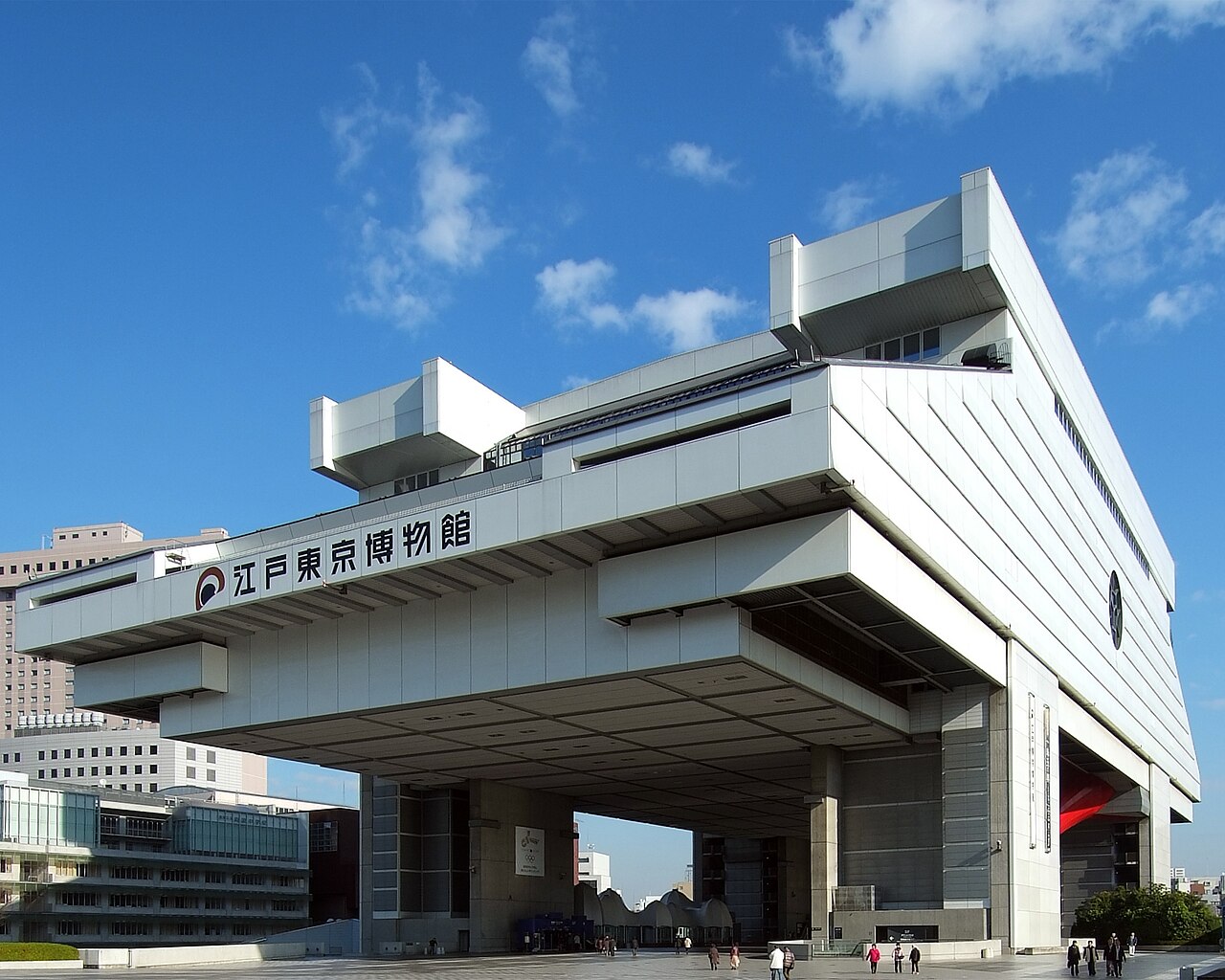
5 min walk
Edo-Tokyo Museum
- Must see
- Museum
Language · 11 published
Museum · Tokyo
すみだ北斎美術館
| Monday | 09:30 – 17:30 |
|---|---|
| Tuesday | 09:30 – 17:30 |
| Wednesday | 09:30 – 17:30 |
| Thursday | 09:30 – 17:30 |
| Friday | 09:30 – 17:30 |
| Saturday | 09:30 – 17:30 |
| Sunday | 09:30 – 17:30 |
Parsed from OpenStreetMap opening hours on 2026-08-26.
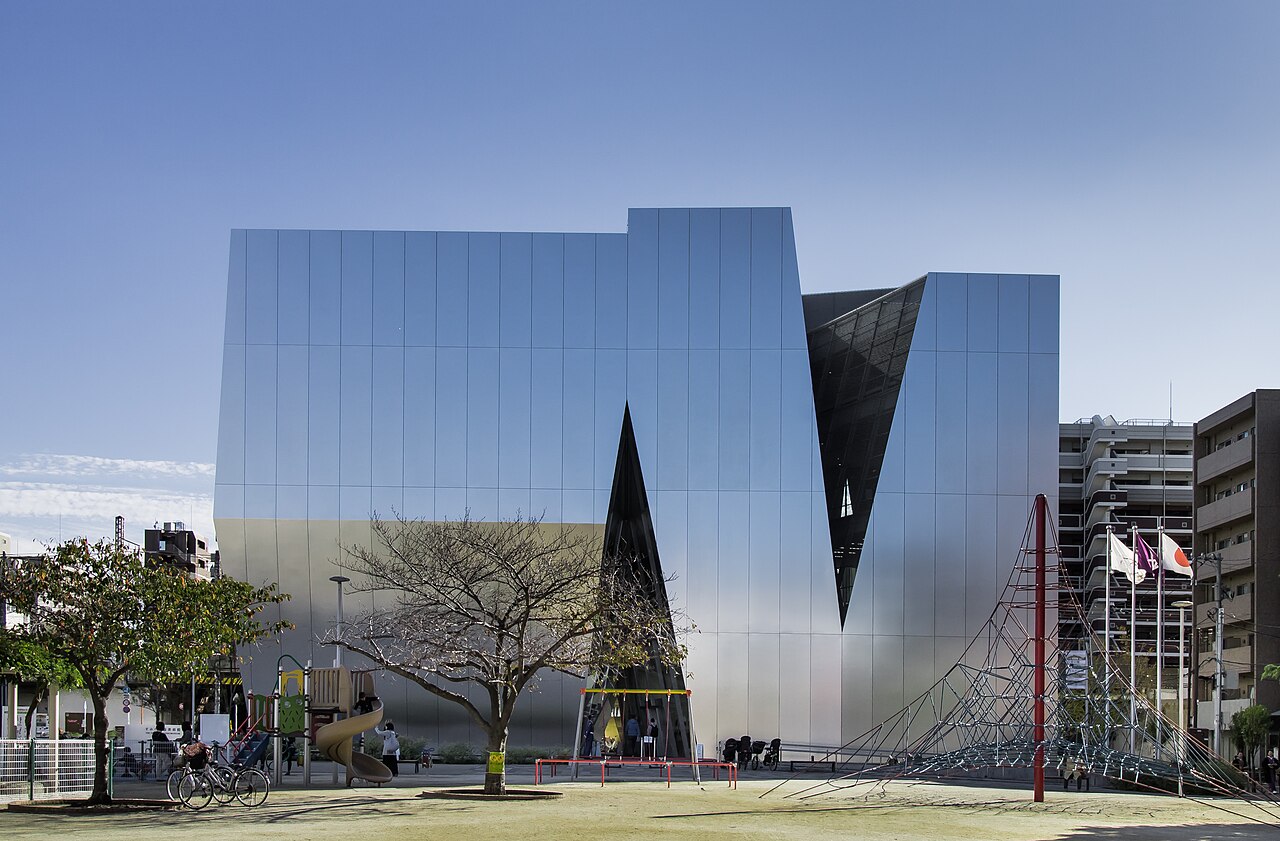
The Sumida Hokusai Museum is a municipal art museum in Tokyo's Sumida ward, dedicated to Katsushika Hokusai, the ukiyo-e artist who lived in this area during his later years. The museum opened to preserve and display works connected to the artist's life and legacy. Hokusai is internationally recognized for his woodblock prints, including the iconic Great Wave. The building was designed by architect Kazuyo Sejima, featuring a distinctive modern exterior. The museum serves as a cultural anchor for the local community and attracts visitors interested in Japanese art history and Edo-period aesthetics.
Checked 2026-08-26
The museum's collection focuses on Hokusai's paintings, woodblock prints, sketches, and related materials. Visitors can view rotating exhibitions drawn from the museum's holdings and loans from other institutions. The displays explore Hokusai's artistic development across his long career, his techniques, and his influence on subsequent artists. Educational materials and interpretive displays provide context about ukiyo-e production and the artist's working methods. The facility includes exhibition galleries, a museum shop, and spaces for learning programs. The collection emphasizes works with documented connections to Hokusai's period in Sumida.
Checked 2026-08-26
Most visitors spend approximately one to two hours exploring the museum's exhibitions. The duration depends on individual interest in detailed examination of artworks and reading accompanying text panels. Those with strong interest in printmaking techniques or Hokusai's biography may wish to allocate additional time. The compact, purpose-built structure allows efficient circulation between galleries. Visitors often combine their museum visit with exploration of the surrounding Sumida neighborhood, which holds historical associations with the artist. Planning for a half-day excursion incorporating nearby attractions provides a balanced experience of cultural and local interest.
Checked 2026-08-26
Visitors should consult the museum's official communication channels or the Go Tokyo tourism website for current opening schedules before planning their visit. Seasonal considerations for Tokyo travel include spring cherry blossom periods and summer humidity, though the museum's interior climate-controlled environment offers consistent conditions year-round. Weekday mornings may offer quieter viewing conditions compared to weekends and Japanese public holidays. The museum's modern architecture presents different external appearances across lighting conditions, though this does not affect interior exhibition viewing. Check the operator's own site for the travel date before relying on a schedule or fare.
Checked 2026-08-26
Admission fees and any applicable concessions should be verified through official museum sources or the Go Tokyo tourism website prior to visitation. Some municipal museums in Tokyo offer variable pricing for permanent versus special exhibitions. Visitors should confirm accepted payment methods and whether advance reservation systems are in operation. Group rates, if available, typically require prior arrangement. Free admission days for public museums in Tokyo occur periodically but require confirmation against current policy. Budget-conscious travelers should verify costs to plan accordingly. Check the operator's own site for the travel date before relying on a schedule or fare.
Checked 2026-08-26
The museum is located in Sumida ward, Tokyo, within the area historically associated with Hokusai's residence. Access is available via Tokyo's public transportation network. The nearest stations include Ryogoku on the JR Sobu Line and Toei Oedo Line, and Kinshicho on multiple lines, though exact walking distances are not recorded. Visitors should consult current transit maps and route planners for optimal connections from their departure points. The museum's address in the Kamezawa area of Sumida can be used for navigation applications. Signage in the vicinity assists pedestrians approaching from nearby stations.
Checked 2026-08-26
Photography policies within exhibition spaces should be confirmed on arrival, as restrictions commonly apply to protect light-sensitive artworks. Bag storage requirements may be enforced in galleries. The museum's modern architectural surfaces can present glare or reflective conditions affecting visibility. Crowding may occur during peak tourism periods and special exhibition openings. Visitors should respect quiet viewing etiquette customary in Japanese museums. Children require supervision near display cases. Accessibility accommodations should be verified in advance if needed. The surrounding neighborhood has limited tourist infrastructure compared to central Tokyo districts, so dining and restroom planning merits attention.
Checked 2026-08-26
Photography policies at the Sumida Hokusai Museum are not recorded in the supplied context. Visitors must observe posted regulations and staff instructions regarding camera use, which typically prohibit flash photography and may restrict all imaging in special exhibition areas. The museum's striking exterior designed by Kazuyo Sejima offers architectural photography possibilities from public spaces, subject to ordinary respect for pedestrian circulation. Interior photography of permanent collection works commonly faces restrictions to preserve artwork integrity and commercial rights. Visitors seeking publication-quality images should contact museum administration for official photography permissions and applicable procedures.
Checked 2026-08-26
The museum provides educational context that benefits newcomers to ukiyo-e art, though personal interest in visual arts enhances the experience.
The collection includes authentic works, though specific pieces on display rotate; visitors should check current exhibition listings for details.
English language support is typical for major Tokyo museums but not explicitly confirmed; visitors should verify current provision.
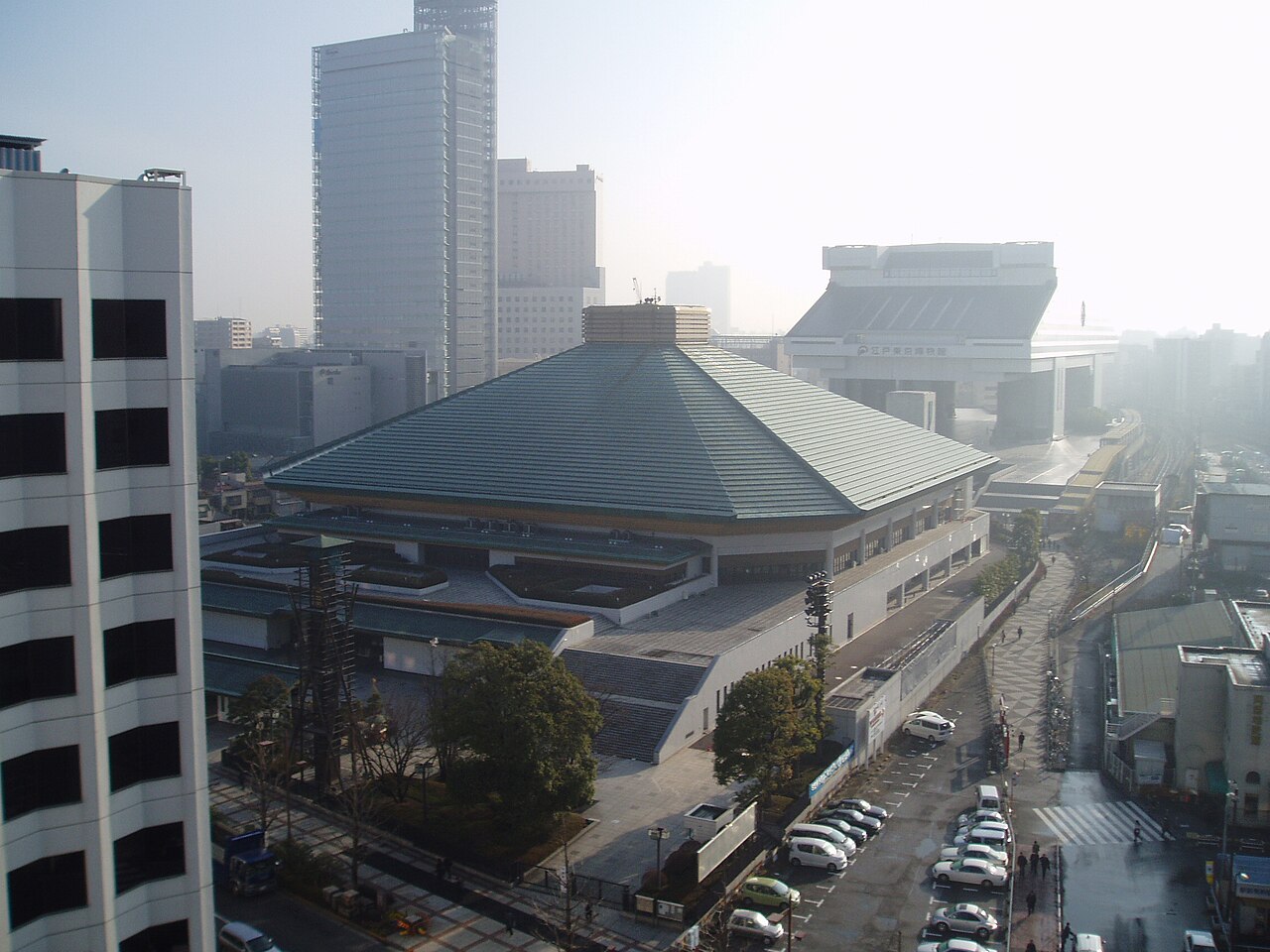
The Ryogoku area offers additional cultural sites including the Edo-Tokyo Museum and sumo-related locations, enabling combined itineraries.
Advance reservation requirements are not recorded; visitors should confirm current entry procedures through official channels before visiting.
A museum shop is present, though specific available items are not recorded in the supplied context.
Loading the interactive map…
The interactive map could not be loaded.

Last updated:
Source: OpenStreetMap contributors, Wikidata ·