城市指南 · Japan
Tokyo
.jpg)
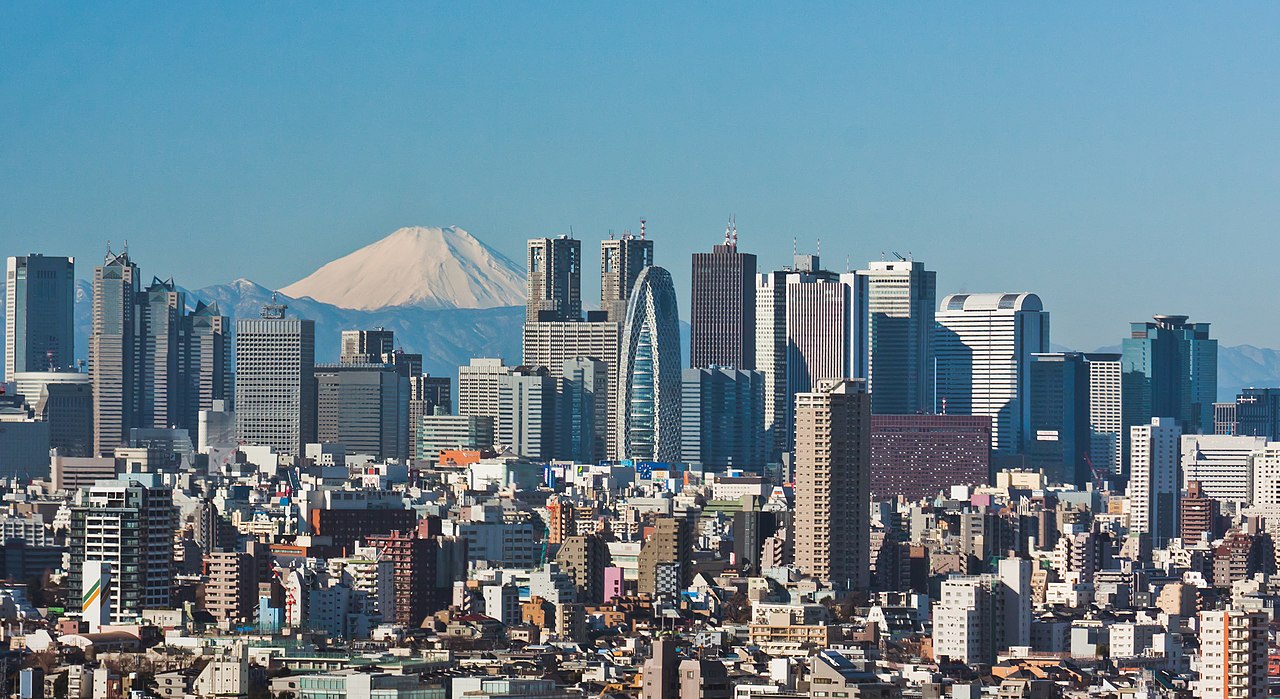
Tokyo is a network of major station districts rather than a single centre. Historic Asakusa and Ueno, commercial Ginza and Marunouchi, and the western hubs of Shinjuku and Shibuya each work as separate sightseeing clusters. Rail makes movement reliable, but large stations and cross-city transfers consume time. A good itinerary stays on one side of the city for half a day and uses the Yamanote loop, subway lines and through-running rail services to connect clusters.
實用資訊
實用資訊
規劃造訪
- 記錄有季節性休館
- 此月份無記錄資料
- 當前月份
- 建議停留天數
- 5-6 days
- 交通方式
- JR, subway and private rail with an IC card
- 一月:記錄有季節性休館
- 二月:記錄有季節性休館
- 三月:記錄有季節性休館
- 四月:記錄有季節性休館
- 五月:記錄有季節性休館
- 六月:無季節性資料記錄
- 七月:無季節性資料記錄
- 八月:無季節性資料記錄——本月
- 九月:記錄有季節性休館
- 十月:記錄有季節性休館
- 十一月:記錄有季節性休館
- 十二月:記錄有季節性休館
必遊景點
按重要性排序——網站連結、頁面瀏覽量與文化遺產地位,而非編輯偏好。
Tokyo 中沒有任何項目符合所有篩選條件
此列表根據真實景點資料建置,因此空白結果表示該組合確實沒有符合項目——並非頁面載入失敗。放寬任一篩選條件,排名結果即會恢復。
資料來源: OpenStreetMap 貢獻者, Wikidata ·
城市格局概覽
Central Tokyo is easiest to understand as an east-west sequence. Asakusa, Ueno and Yanaka carry much of the older city; Tokyo Station, Marunouchi, Nihonbashi and Ginza form the central business and shopping core; Shibuya, Harajuku and Shinjuku anchor the west. Roppongi and Akasaka sit between those spines, while Odaiba lies across the bay. The wider metropolis extends well beyond the central wards, so Mt Takao, western Tokyo and island destinations belong to separate day plans rather than a central-city route.
檢查2026-08-26
交通方式
Use rail for nearly every cross-city journey. Tokyo Metro operates nine lines and Toei operates four subway lines, alongside JR and private railways; a rechargeable IC card removes most ticketing friction across operators. The subway alone covers more than 280 stations, but JR passes do not cover Tokyo Metro or Toei services. Trains generally stop around midnight, so late-night plans need a route check. Inside a district, walking is usually faster than making a one-stop transfer through a very large station.
檢查2026-08-26
常見問題
How many days does Tokyo need?
Five to six days suit a first visit. Four days can cover the main eastern, central and western clusters, while extra days allow slower neighbourhood exploration or a separate trip to western Tokyo.
When is the best time to visit Tokyo?
Spring and autumn usually give the most comfortable walking weather. Peak blossom and foliage periods can be crowded, so the broader March-May and October-November windows are more useful than targeting one forecasted week.
Do visitors need a rail pass inside Tokyo?
Usually not. A rechargeable IC card is simpler because Tokyo journeys may involve JR, Tokyo Metro, Toei and private railways. A JR pass does not cover the two subway operators.
Does Tokyo public transport run all night?
No. The official Tokyo guide notes that last trains are commonly between about 23:30 and 00:30, with first services around 05:00. Check the final connection before a late evening across town.
Which districts should be combined?
Pair Asakusa with Ueno, Marunouchi with Ginza, and Shibuya with Harajuku. Shinjuku can fill its own half day. Grouping nearby station districts reduces transfers through large hubs.
將此列表轉為行程規劃
設定您的天數、步調與實際想外出的時段。規劃工具會自動避開休館日、計算交通時間,並預留用餐空檔。