4 min walk
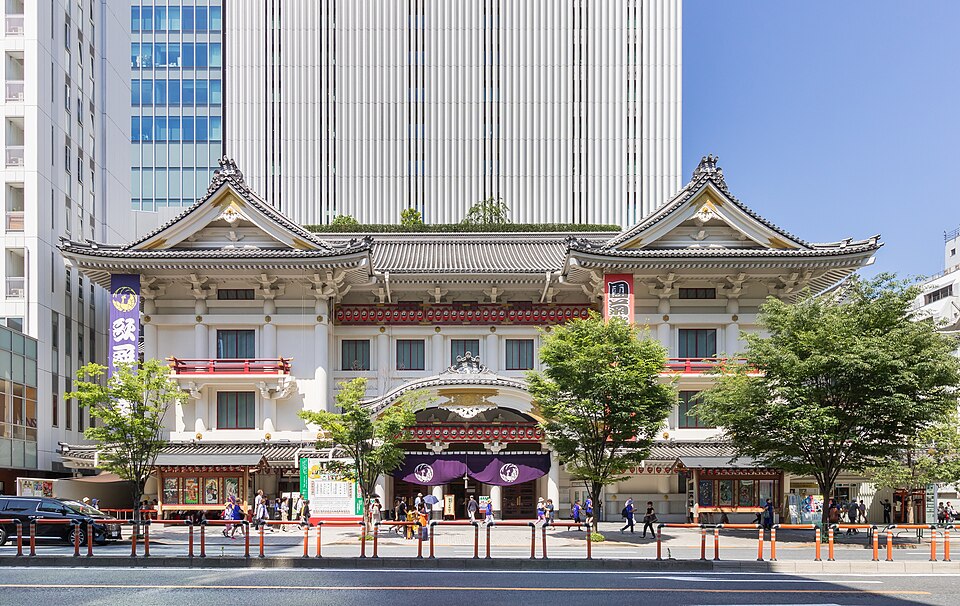
Kabuki-za
- Must see
- Art and culture venue
Language · 1 published
Activity · Tokyo
銀座
Ginza is a prominent upscale shopping and entertainment district in central Tokyo, Japan. Its local name is 銀座. The area developed significantly following the Meiji Restoration and became a symbol of Japanese modernization and Western influence. Today it remains one of Tokyo's most prestigious commercial zones, characterized by flagship stores of international luxury brands, major Japanese department stores, and numerous restaurants. The district extends roughly from Shimbashi to Kyobashi, with Chuo-dori as its central thoroughfare. Ginza also earns time in a tokyo itinerary because WIKIDATA_EDITORIAL reconciliation for the ranked entry; identity and coordinates were verified without a nearby fallback. Its value becomes clearer when the stop is compared with the surrounding streets and the other ranked places nearby.
Checked 2026-08-26
Ginza contains numerous high-end retail establishments including flagship boutiques for international fashion houses and Japanese department stores such as Mitsukoshi and Matsuya. The area features art galleries, upscale dining establishments, and traditional specialty shops. The Kabuki-za theatre, dedicated to kabuki performances, stands as a significant cultural institution. Various side streets and alleys contain smaller retailers, restaurants, and bars. Recent redevelopment has introduced additional commercial and cultural facilities. The district's character varies between the main avenues and narrower backstreets.
Checked 2026-08-26
Visitor time in Ginza varies substantially based on individual interests. Shoppers exploring multiple flagship stores and department stores may spend several hours to a full day. Those focusing on specific retailers or dining experiences might require less time. Theatre attendance at Kabuki-za typically involves performances of several hours. Evening visits for dining or entertainment extend the duration. The compact, walkable nature of the district allows flexible itineraries. Window shopping along Chuo-dori can be accomplished relatively quickly.
Checked 2026-08-26
Ginza can be visited throughout the year. The district maintains active commercial operations across seasons. Sundays see Chuo-dori pedestrianized, creating a different atmosphere for walking. Seasonal decorations appear during major Japanese holidays and year-end periods. Summer brings heat and humidity typical of Tokyo. Winter offers generally clear, dry conditions. Cherry blossom season in spring attracts increased visitor numbers. Operator-confirmed hours for specific establishments are Not recorded pending review. Individual store and restaurant hours vary independently. A flexible visit lets travellers connect Ginza with the rest of the day without treating one room, viewpoint or photograph as the whole experience. The useful pace depends on personal interest and conditions on arrival.
Checked 2026-08-26
Access to Ginza as a district requires no admission fee. Individual attractions, stores, and restaurants set their own pricing structures. Kabuki-za theatre performances require purchased tickets, with pricing varying by seating section and performance type. Department stores and retail establishments operate as standard commercial venues. Dining costs range broadly depending on venue selection. Operator-confirmed prices for specific attractions or services are Not recorded pending review. Visitors should verify current pricing directly with individual establishments prior to visits.
Checked 2026-08-26
Ginza is accessible via multiple Tokyo Metro and JR lines. Ginza Station serves the Ginza, Marunouchi, and Hibiya subway lines. Yurakucho Station on the JR Yamanote Line and Yurakucho Subway Line provides nearby access. Higashi-Ginza Station on the Asakusa and Hibiya lines serves the eastern portion. Tokyo Station lies within walking distance to the south. Numerous bus routes traverse the area. The district's central location facilitates connections to major Tokyo destinations. Walking from nearby stations is straightforward given the flat terrain.
Checked 2026-08-26
Chuo-dori pedestrianization occurs on Sundays, altering traffic patterns and creating different walking conditions. Weekday afternoons bring heavy pedestrian traffic, particularly near major intersections. High-end pricing characterizes many establishments; budget-conscious visitors should verify costs before entering. The area becomes notably quieter in early mornings and after major store closing times. English language availability varies among smaller establishments. Weather protection is advisable during summer and rainy seasons. Crowd density increases during holiday periods and sales events. Standard urban precautions regarding personal belongings apply.
Checked 2026-08-26
Ginza presents varied photographic subjects including modern architecture, historic facades, and street scenes. Chuo-dori offers wide avenue perspectives, particularly effective during Sunday pedestrianization when traffic is absent. Night photography benefits from extensive building illumination and signage. Individual stores may restrict interior photography; visitors should observe posted policies and staff guidance. The Kabuki-za exterior provides distinctive traditional architectural imagery. Side streets offer more intimate, less crowded compositions. Weather and seasonal conditions significantly affect lighting and atmosphere. Respect for private property and commercial spaces should guide photographic practice.
Checked 2026-08-26
No. While Ginza is known for luxury retail, it contains varied establishments including traditional shops, art galleries, casual dining options, and the Kabuki-za theatre. Different streets and areas offer different price points and atmospheres.
Yes. The district is compact and flat, with Chuo-dori as a central spine. Sunday pedestrianization of Chuo-dori creates particularly walkable conditions. Sidewalks and crossings are generally well-maintained.
English availability varies. Major department stores and international brand boutiques typically have some English-capable staff. Smaller, traditional establishments may have limited English. Basic preparation aids communication.
Yes. The district contains numerous dining options ranging from high-end restaurants to more accessible establishments. Department store basement food halls offer additional choices. Specific venue details require direct verification.
Kabuki-za is a major theatre in Ginza dedicated to kabuki, a traditional form of Japanese theatre. It presents performances of this art form and stands as a significant cultural institution within the commercial district.
Evening brings building illuminations and a shift toward dining and entertainment. Some retail establishments close while restaurants and bars become more prominent. The atmosphere changes from primarily commercial to more socially oriented.
Loading the interactive map…
The interactive map could not be loaded.


Last updated:
Source: OpenStreetMap contributors, Wikidata ·