
.jpg)
.jpg)

8 min walk
National Art Center
- Must see
- Museum
Language · 1 published
Museum · Tokyo
森美術館

| Monday | 10:00 – 22:00 |
|---|---|
| Tuesday | 10:00 – 17:00 |
| Wednesday | 10:00 – 22:00 |
| Thursday | 10:00 – 22:00 |
| Friday | 10:00 – 22:00 |
| Saturday | 10:00 – 22:00 |
| Sunday | 10:00 – 22:00 |
Parsed from OpenStreetMap opening hours on 2026-08-26.
The Mori Art Museum is a contemporary art museum located in Tokyo, Japan. Its local name is 森美術館. The museum is situated within the Roppongi Hills complex, a major urban development in the Minato ward. It focuses on modern and contemporary art from around the world, with particular attention to Asian artists. The institution was established to promote cultural exchange and artistic dialogue. Its elevated position within the Mori Tower offers visitors views alongside their art experience. The museum has developed a reputation for ambitious, internationally oriented exhibitions since its founding.
Checked 2026-08-26
The museum presents rotating exhibitions of contemporary art across various media including painting, sculpture, installation, photography, and video. Its programming emphasizes cross-cultural perspectives and thematic shows rather than permanent collections. The museum space includes multiple galleries for temporary exhibitions. Educational programs and artist talks accompany major shows. A museum shop offers art-related publications and merchandise. The museum also maintains a restaurant and cafe area. The Roppongi Hills complex surrounding the museum contains additional commercial and cultural facilities that visitors may explore before or after their museum visit.
Checked 2026-08-26
Visitors typically spend between one and a half to three hours at the Mori Art Museum depending on exhibition scale and personal interest. Major temporary exhibitions with extensive catalogues may require longer viewing periods. The museum's layout involves moving through sequential gallery spaces, with natural pacing determined by crowd flow and individual engagement. Those combining their visit with the Tokyo City View observation deck, located in the same building, should allocate additional time. Weekday mornings generally offer more leisurely progression through exhibitions compared to peak weekend periods when visitor density increases substantially.
Checked 2026-08-26
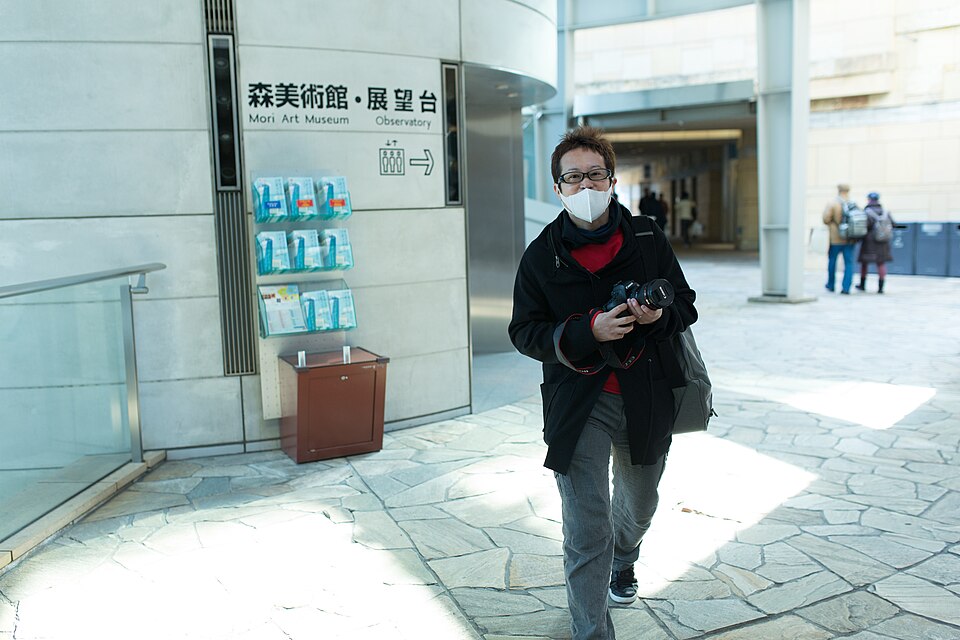
Operator-confirmed hours are Not recorded pending review. Visitors should consult the museum's official website or contact the institution directly before planning their visit. Exhibition schedules change periodically, with each show running for a defined duration typically spanning several months. Holiday periods in Japan, including Golden Week in early May and the New Year period, may affect operating schedules. The museum's location in Roppongi means evening visits coincide with the district's active nightlife, though museum closing times vary by exhibition period. Advance verification prevents disappointment from unanticipated closures or modified hours.
Checked 2026-08-26
Operator-confirmed prices are Not recorded pending review. Admission fees vary by exhibition, with special exhibitions commanding different rates than standard entry. Combination tickets with the Tokyo City View observation deck may be available. Discounted admission for students, seniors, and other eligible categories is common at Japanese museums but specific eligibility and rates require direct confirmation. Group rates may apply for organized parties above certain size thresholds. Online advance purchase options have become increasingly standard. Visitors should verify current pricing through official channels, as exhibition changes bring corresponding admission adjustments that published third-party sources may not reflect promptly.
Checked 2026-08-26
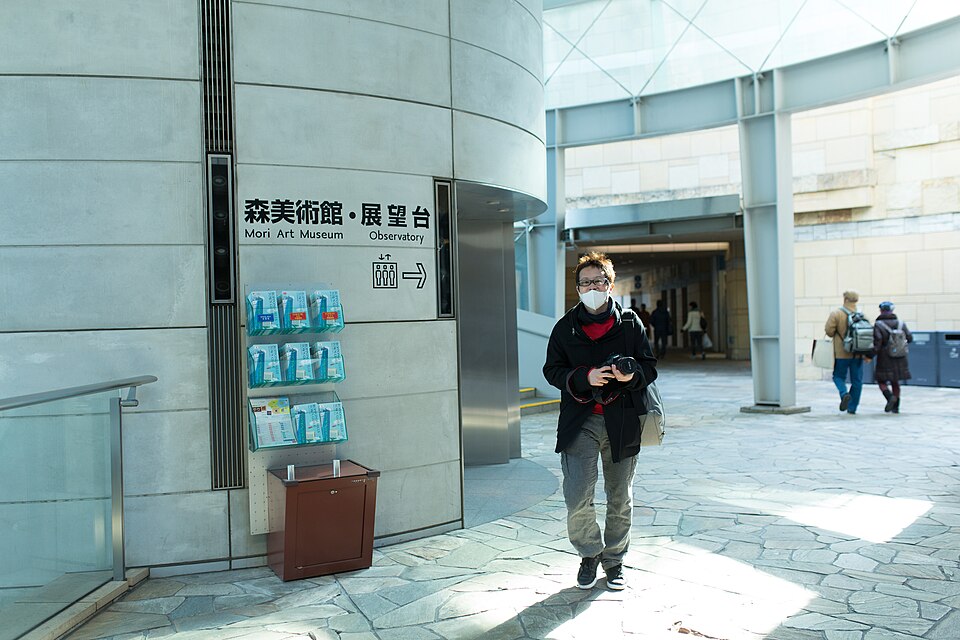
The Mori Art Museum occupies the Roppongi Hills Mori Tower in Tokyo's Minato ward. Roppongi Station serves the area through Tokyo Metro Hibiya Line and Toei Oedo Line connections. Multiple exits from the station complex lead toward Roppongi Hills, with pedestrian signage directing toward the development. The museum entrance sits within the tower's commercial podium rather than at street level. Visitors should follow internal directional markers through the complex to reach the designated elevator banks serving the museum floors. Taxis and buses also serve the Roppongi district, though traffic congestion during peak periods affects reliability.
Checked 2026-08-26
The museum's location within a mixed-use tower requires navigating commercial spaces to reach the entrance, which may confuse first-time visitors. Exhibition content varies dramatically; some shows feature challenging contemporary works that may not suit all audiences. Photography policies change by exhibition and individual artwork requirements. The observation deck combination, while appealing, involves separate queueing systems. Roppongi's evening entertainment district atmosphere transforms dramatically after dark, which visitors with children may wish to consider. Crowding at popular exhibitions can impede comfortable viewing. Visitors should maintain awareness of personal belongings in busy public areas surrounding the museum complex.
Checked 2026-08-26

Photography policies at the Mori Art Museum are determined on a per-exhibition basis, with individual artworks often carrying specific restrictions. Visitors should observe signage adjacent to each work and comply with staff instructions. Where permitted, flash photography is typically prohibited to protect sensitive artworks. Tripods, selfie sticks, and professional equipment generally require advance authorization. Some exhibitions may prohibit all photography. Visitors should not assume consistency between visits, as policies shift with each new exhibition installation. When in doubt, inquiry with gallery attendants provides clarification. Respect for artist and lender stipulations maintains institutional relationships enabling future loans.
Checked 2026-08-26
Suitability depends on the current exhibition content, which varies significantly. Some contemporary art exhibitions contain mature themes. Parents should review exhibition descriptions before visiting with children.
The Mori Art Museum primarily organizes temporary exhibitions rather than maintaining permanent galleries. The specific artworks visible depend entirely on the current exhibition schedule.
The Tokyo City View observation deck operates with separate admission. Whether combination tickets or independent access are available depends on current operational policies requiring direct verification.
Audio guide availability varies by exhibition. Visitors should check whether supplementary materials are offered for the specific exhibition they plan to attend.
Modern Japanese museum facilities typically incorporate accessibility features, but visitors with specific mobility requirements should contact the museum directly to confirm current provisions and any limitations.
Booking recommendations depend on exhibition popularity and current operational procedures. For high-demand exhibitions or peak visitation periods, advance purchase through official channels is prudent visitor judgment.
Loading the interactive map…
The interactive map could not be loaded.
Last updated:
Source: OpenStreetMap contributors, Wikidata ·