
3 min walk
Chion-in
- Must see · Heritage site
- Place of worship
Language · 11 published
Place of worship · Kyoto
青蓮院
| Monday | 09:00 – 17:00 |
|---|---|
| Tuesday | 09:00 – 17:00 |
| Wednesday | 09:00 – 17:00 |
| Thursday | 09:00 – 17:00 |
| Friday | 09:00 – 17:00 |
| Saturday | 09:00 – 17:00 |
| Sunday | 09:00 – 17:00 |
Parsed from OpenStreetMap opening hours on 2026-08-26.
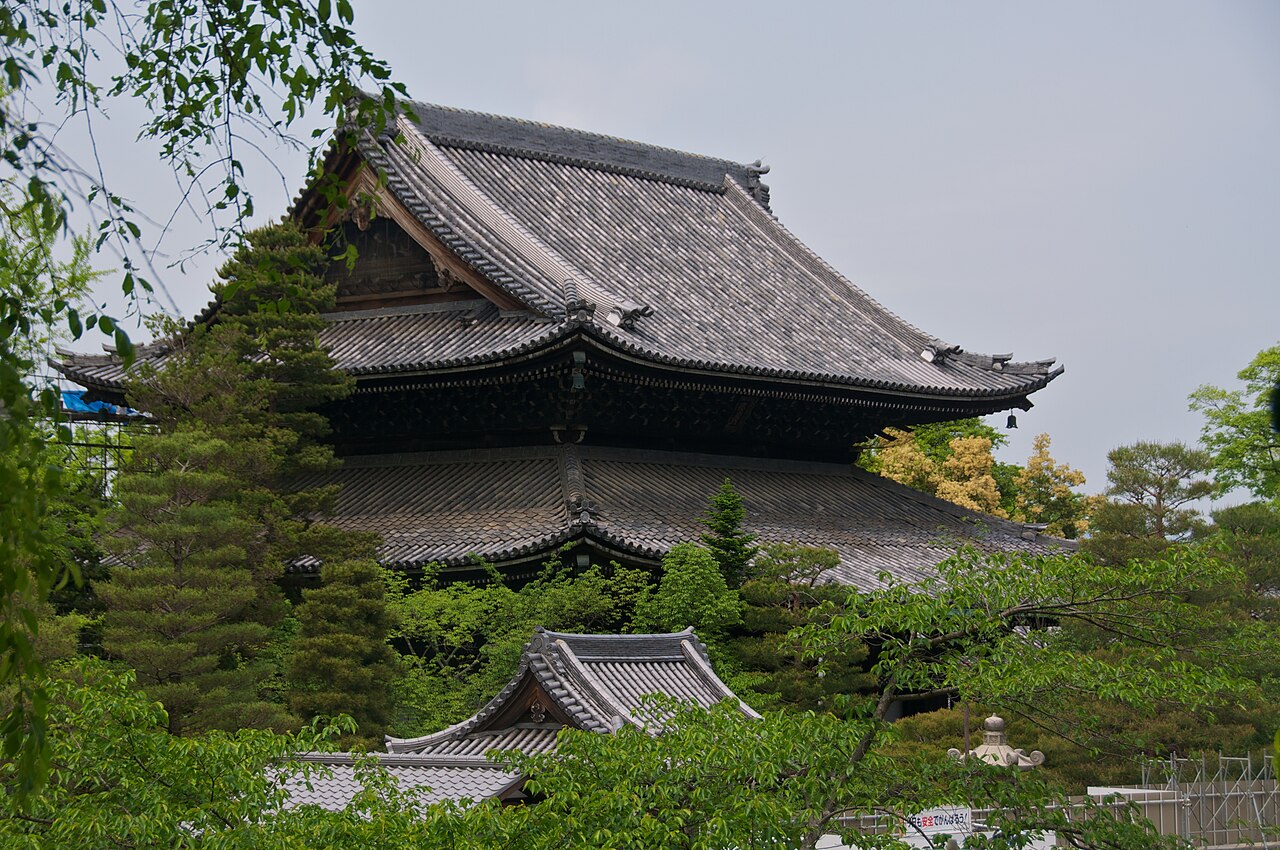
Shoren-in is a Buddhist temple in Kyoto’s Higashiyama district and belongs to the Tendai sect. As a monzeki temple, Shoren-in has historical associations with members of the imperial family, giving the site a distinctive aristocratic and imperial connection within Kyoto’s religious landscape. The temple is known for extensive grounds and gardens that reward attentive viewing across the seasons. Shoren-in works especially well for travelers who want to experience the relationship between Japanese architecture, cultivated nature, and religious practice. The visit is atmospheric and visual, with the gardens forming an essential part of the temple’s identity.
Checked 2026-08-26 · Source
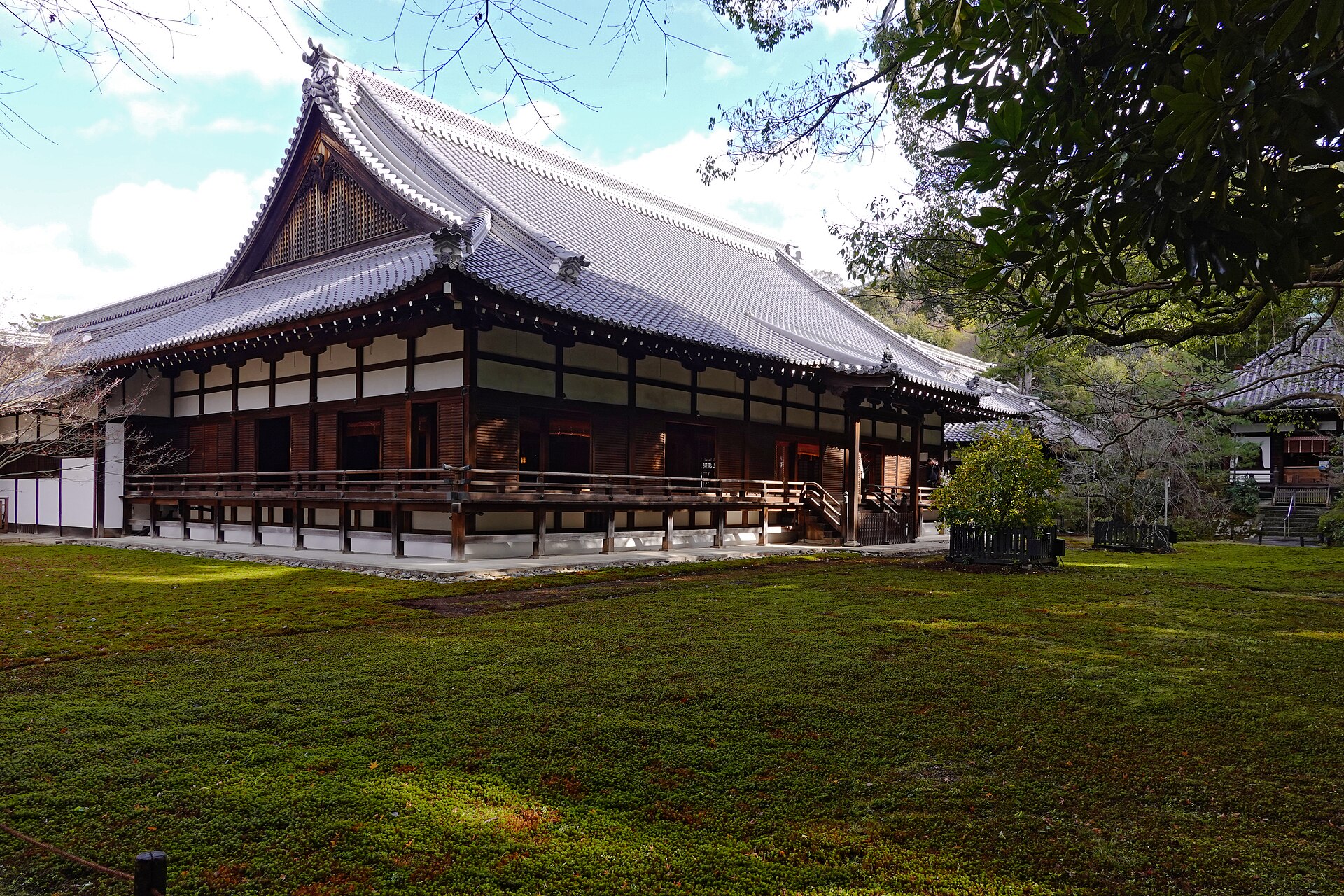
Shoren-in’s grounds bring together traditional halls, reception spaces, pathways, mature trees, and garden areas shaped for contemplative viewing. Moss gardens and carefully framed landscape scenes create changing compositions as visitors move through the precinct. The architecture and greenery are intended to be read together rather than as separate attractions. Seasonal vegetation changes the balance of color, texture, and light, while the temple’s imperial and aristocratic associations add historical depth to the buildings. Shoren-in is therefore most rewarding when visitors take time to sit, look across a garden view, and notice how structures guide attention toward the landscape.
Checked 2026-08-26 · Source
Allow around thirty minutes to one hour for Shoren-in, depending on how long you spend with the gardens and interior spaces. The temple precinct is compact enough for a complete visit without an exhausting walk, yet the garden views reward a slower pace. Travelers interested in Japanese garden design, Buddhist architecture, or imperial history may want to stay longer for careful observation. A short visit can cover the principal atmosphere and major views; an unhurried visit makes space for sitting quietly and noticing seasonal details that are easy to miss while moving quickly.
Checked 2026-08-26 · Source
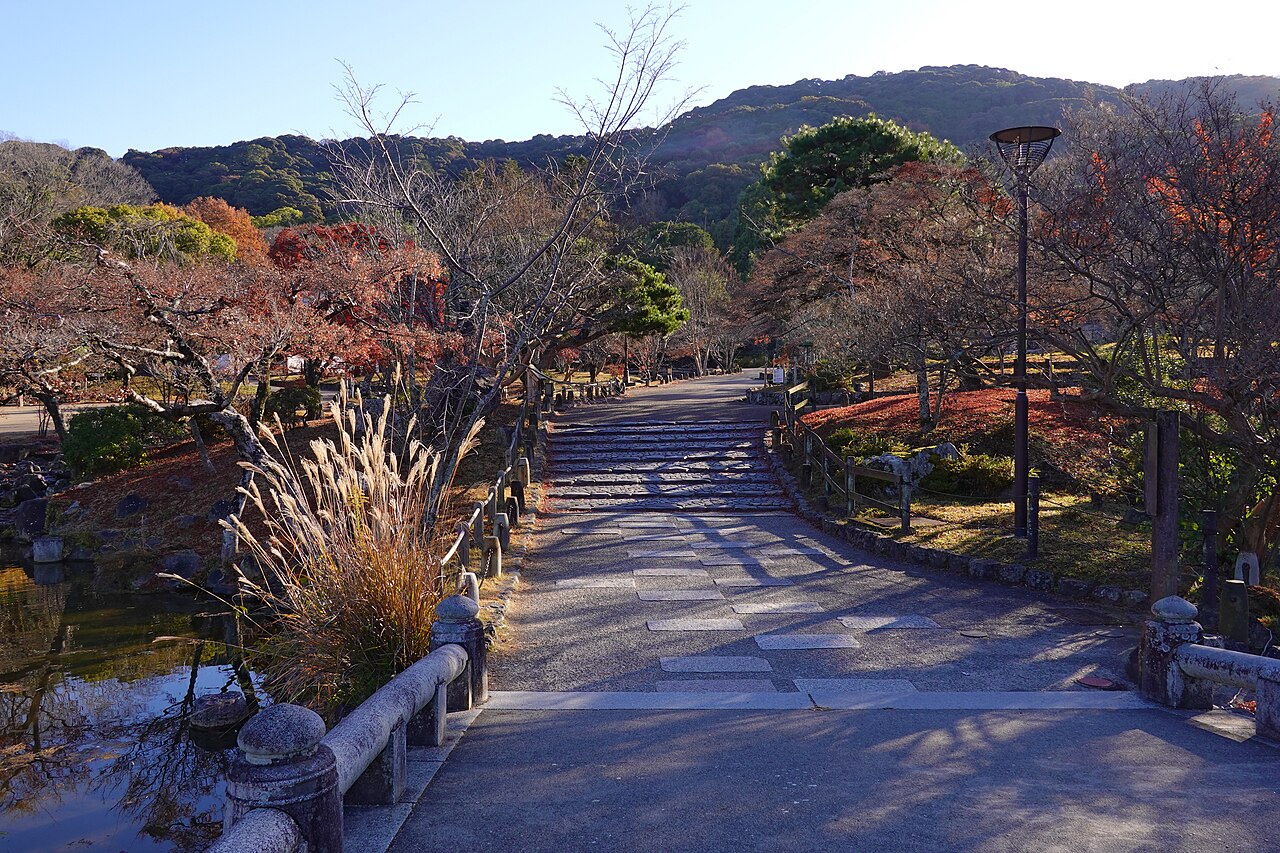
Shoren-in changes character with the seasons. Spring brings fresh growth, summer emphasizes lush greenery, autumn highlights changing foliage, and winter exposes more of the garden’s structure and mature trees. Choose the season according to the atmosphere you want, while remembering that Kyoto’s most popular periods can make historic districts busier. Weather matters because the visit combines interior viewing with outdoor garden paths. Morning or late afternoon can offer a more reflective rhythm for the gardens, while the best choice remains the time that allows you to walk without rushing.
Checked 2026-08-26 · Source
Plan for a temple visit centered on the gardens and traditional spaces, and keep the budget adaptable to the arrangement in force when you arrive. Carrying cash is sensible for a visit to a historic religious site in Japan, although no specific payment requirement is stated here. Do not build a wider Kyoto budget around a particular ticket figure. Any special presentation or evening program should be treated as a separate possibility from the standard garden experience.
Checked 2026-08-26 · Source
Shoren-in stands in Kyoto’s Higashiyama district, an area where several historic temples and shrines can be linked in a walking day. Public transport serves the broader district, followed by an approach through streets associated with Kyoto’s temple quarter. The temple’s position makes it practical to combine with nearby cultural destinations, but the route should allow time for walking rather than measuring the journey only by vehicle distance. Comfortable shoes are important on a day of Higashiyama exploration. A map application is useful for the final approach through the district’s narrower streets and established visitor routes.
Checked 2026-08-26 · Source
Shoren-in combines historic interiors with outdoor gardens, so visitors should prepare for both traditional flooring and changing weather. Shoes may need to be removed in some buildings; easily removable footwear makes that process simpler. Garden paths can become slippery after rain, and the grounds may be less comfortable in heavy summer heat or winter cold. Quiet conduct is appropriate because Shoren-in remains a Buddhist temple. Respect barriers and any photography limits inside the buildings. Visitors with mobility concerns should remember that historic temple architecture and garden paths may not offer the same movement as a modern public building.
Checked 2026-08-26 · Source
Shoren-in offers strong photographic subjects in the connection between traditional architecture, moss gardens, mature trees, and seasonal vegetation. Garden views can look different in morning, afternoon, and changing weather, so patient framing is more rewarding than rapid coverage. Interior photography rules may differ from outdoor practice; follow signs and staff directions in every building. Keep tripods and large equipment from obstructing narrow routes, and do not disturb people engaged in worship or quiet contemplation. The most characteristic images usually show the garden and architecture together, preserving the calm relationship that defines the visit.
Checked 2026-08-26 · Source
Shoren-in is known for its Tendai Buddhist identity, monzeki history, imperial associations, traditional buildings, and extensive gardens.
Allow about thirty minutes to one hour, with extra time if you want to study the gardens or sit quietly with the views.
Spring, summer, autumn, and winter each emphasize different parts of the gardens, from fresh growth and lush greenery to foliage and structural detail.
Yes. Shoren-in’s Higashiyama location makes it practical to connect the temple with other historic sites during a walking-focused day.
Wear comfortable clothing and easily removable shoes, and prepare for outdoor garden paths that may be wet or slippery after rain.
The gardens, moss, mature trees, traditional buildings, and seasonal relationship between architecture and landscape are the principal photographic subjects.
Loading the interactive map…
The interactive map could not be loaded.

Last updated:
Source: OpenStreetMap contributors, Wikidata ·