


2 min walk
Yasaka Shrine
- Must see · Heritage site
- Place of worship
Language · 11 published
Historic monument · Kyoto

Gion District is a historic entertainment quarter in eastern Kyoto, Japan. It developed as a pleasure district during the Edo period and remains one of the most famous geisha districts in the country. The area encompasses Hanamikoji Street and the streets around Shirakawa Canal. Gion preserves traditional wooden machiya townhouses and hosts ochaya teahouses where geiko and maiko perform. The district's cultural significance stems from its sustained role in Kyoto's performing arts heritage. Gion District also earns time in a kyoto itinerary because Frozen visitor rank established independently of local database availability; current visitor relevance was verified on 2026-08-28 and the exact identity was reconciled without a proxy or lower-value filler. Its value becomes clearer when the stop is compared with the surrounding streets and the other ranked places nearby.
Checked 2026-08-26
The district contains Shirakawa Canal lined with willow trees and traditional restaurants. Hanamikoji Street features preserved machiya architecture. Ichiriki Chaya stands as a prominent ochaya with centuries of history. Kennin-ji Temple, founded in 1202, occupies the southern edge. Gion Corner presents occasional cultural performances. Numerous kaiseki restaurants, bars, and exclusive establishments operate throughout. The area divides into Gion Kobu and Gion Higashi, with the former being larger. Small shrines and tucked-away gardens appear between buildings.
Checked 2026-08-26
Visitors typically spend two to four hours exploring Gion's streets, though duration varies substantially by interest. A brief walk through Hanamikoji and along Shirakawa Canal requires under an hour. Those dining at kaiseki restaurants or attending performances should allocate additional time. Evening visits extend naturally as atmospheric lighting transforms the district. Some travelers return multiple times across days to experience different moods. Photography enthusiasts and architecture observers tend to linger longer than casual passersby. A flexible visit lets travellers connect Gion District with the rest of the day without treating one room, viewpoint or photograph as the whole experience. The useful pace depends on personal interest and conditions on arrival.
Checked 2026-08-26
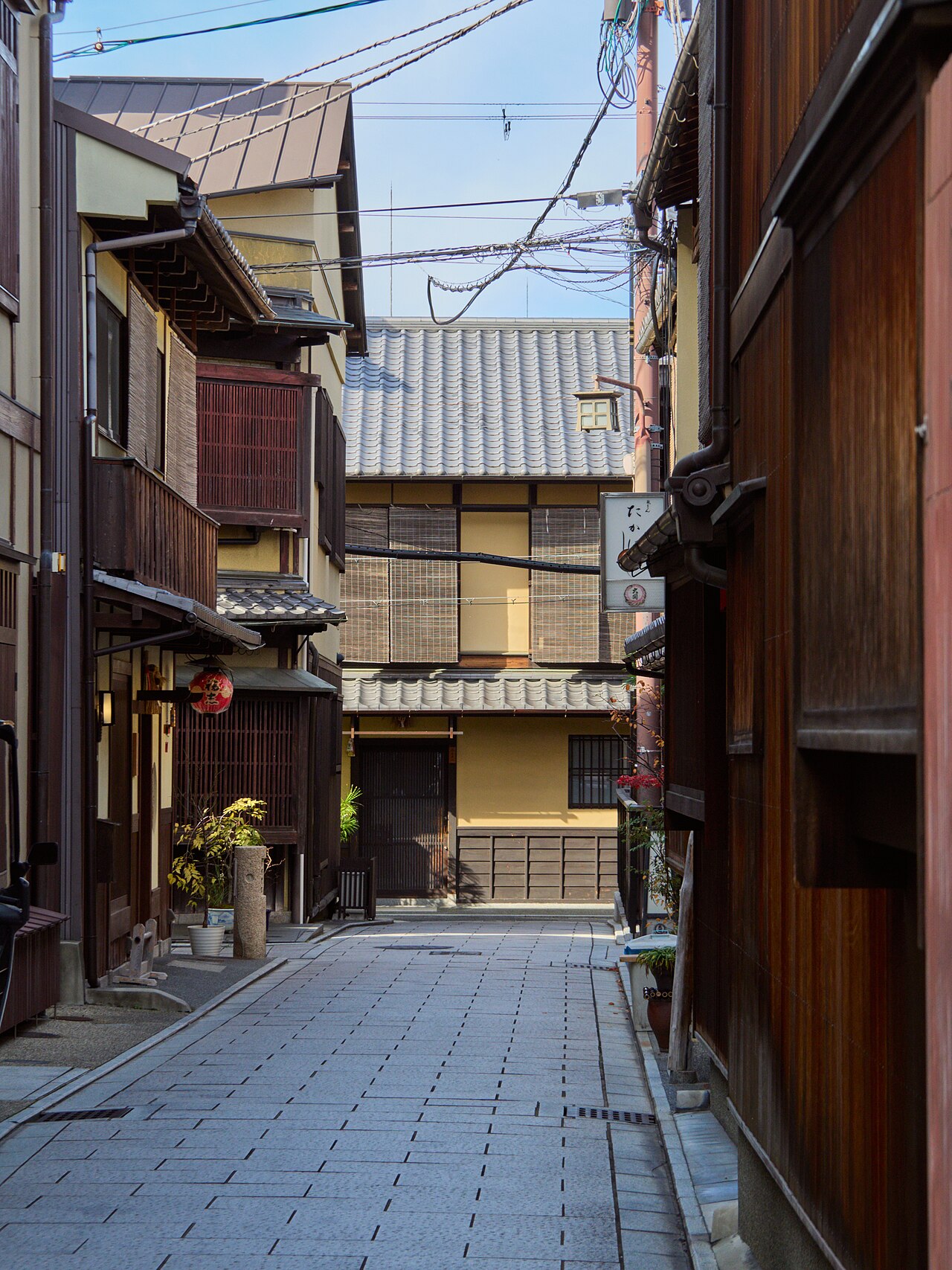
Gion District operates as a public area accessible at all hours, though individual establishments maintain separate schedules. Evening hours offer enhanced atmosphere when lanterns illuminate machiya facades. Operator-confirmed hours or prices are Not recorded pending review. Seasonal considerations include summer humidity and winter chill for street walking. The Miyako Odori dance performances occur in April, though specific dates and ticket availability require direct confirmation. Cherry blossom season and autumn foliage periods draw increased visitor density.
Checked 2026-08-26
No general admission fee applies to enter Gion District itself. Individual venues such as Gion Corner or Kennin-ji Temple may charge separate entry fees. Kaiseki restaurants and ochaya experiences require reservations and substantial expenditure. Operator-confirmed hours or prices are Not recorded pending review. Exclusive teahouse entertainment involves established relationships or hotel concierge arrangements. Visitors should verify current pricing directly with intended venues. Budget-conscious travelers can experience the district's atmosphere through free street wandering without entering paid establishments.
Checked 2026-08-26

Gion sits accessible from multiple Kyoto transport points. Gion-Shijo Station on the Keihan Main Line and Kawaramachi Station provide nearby rail access. City buses serve stops along Shijo-dori and Kawaramachi-dori. The district lies walkable from the downtown Kawaramachi commercial area. From Kyoto Station, bus routes or train combinations with transfers reach the vicinity. Walking from Kiyomizu-dera Temple through Higashiyama's preserved streets offers a scenic approach. Taxis serve the area though narrow streets limit vehicle penetration in core sections.
Checked 2026-08-26
Photographing geiko and maiko without permission constitutes inappropriate behavior; many are private individuals en route to appointments. Tourist congestion clogs narrow sidewalks during peak periods. Some establishments maintain exclusive clientele and uninvited entry provokes offense. Street food consumption while walking conflicts with local etiquette. Evening hours see increased activity from bars and nightlife venues. Traditional architecture preservation restricts building modifications, meaning facilities may lack modern accessibility features. Language barriers affect interactions at non-tourist-oriented businesses.
Checked 2026-08-26

Street photography captures machiya facades, canal reflections, and atmospheric alleyways effectively. Early morning and evening golden hours provide optimal natural lighting. Tripod use in narrow streets obstructs pedestrian flow and may draw intervention. Respectful distance from geiko and maiko remains essential; covert or aggressive photographing violates norms. Interior photography at restaurants and teahouses generally prohibited without explicit permission. The Shirakawa Canal willow-tree reflections offer iconic compositions. Rainy conditions create reflective street surfaces enhancing mood. Flash photography after dark disrupts establishment atmospheres.
Checked 2026-08-26
No. Traditional ochaya operate on invitation and established relationships. Unaccompanied tourists cannot enter most teahouses. Some hotels with concierge services may facilitate introductions. Gion Corner offers more accessible cultural performances as an alternative.
Public street encounters occur but formal performances happen at private events or designated venues. Gion Corner presents occasional demonstrations. The Miyako Odori in April offers ticketed public performances though availability requires verification.
Gion maintains general urban safety standards. Nighttime activity concentrates around restaurants and bars. Standard precautions apply as in any entertainment district. Narrow streets and limited lighting in some areas warrant awareness of surroundings.
Kimono rental services operate in Kyoto and many visitors wear them in Gion. This practice is generally accepted. Respectful behavior matching the attire's formality is expected. Some exclusive establishments may still restrict entry regardless of dress.
Public facilities exist though not abundantly. Department stores and train stations near the district perimeter offer accessible restrooms. Restaurants and cafes typically reserve facilities for customers. Planning ahead advisable during extended walks.
Gion Kobu represents the larger western section with more ochaya and geiko houses. Gion Higashi comprises the smaller eastern area. Both maintain geisha traditions though Kobu holds greater visibility and establishment density. The division reflects historical administrative boundaries.
Loading the interactive map…
The interactive map could not be loaded.
Last updated:
Source: OpenStreetMap contributors ·