
3 min walk
Nison-in Temple
- Must see
- Place of worship
Language · 11 published
Place of worship · Kyoto
常寂光寺
| Monday | 09:00 – 17:00 |
|---|---|
| Tuesday | 09:00 – 17:00 |
| Wednesday | 09:00 – 17:00 |
| Thursday | 09:00 – 17:00 |
| Friday | 09:00 – 17:00 |
| Saturday | 09:00 – 17:00 |
| Sunday | 09:00 – 17:00 |
Parsed from OpenStreetMap opening hours on 2026-08-26.
Jojakko-ji is a Buddhist temple on the wooded slopes of Arashiyama in western Kyoto. Its buildings and paths follow the hillside, creating a visit that combines religious architecture, forest scenery and elevated views. The temple belongs to the Honzan Shugen sect and was founded in the late sixteenth century. Its setting gives the complex a quieter, more atmospheric character than a flat urban temple, especially when maple foliage colours the surrounding slopes. Jojakko-ji is a Buddhist temple situated on the slopes of Arashiyama's mountains in western Kyoto. The temple belongs to the Honzan Shugen sect of Buddhism and occupies a hillside position that affords views across the city and surrounding forested terrain. It was founded in the late sixteenth century and has developed a reputation as a significant autumn foliage viewing location. The temple complex integrates with the natural topography, with buildings and paths arranged across ascending terrain. Its elevation provides a distinctive perspective on the Arashiyama district. The temple's hillside location with stone stairways and elevation changes presents significant challenges.
Checked 2026-08-26 · Source
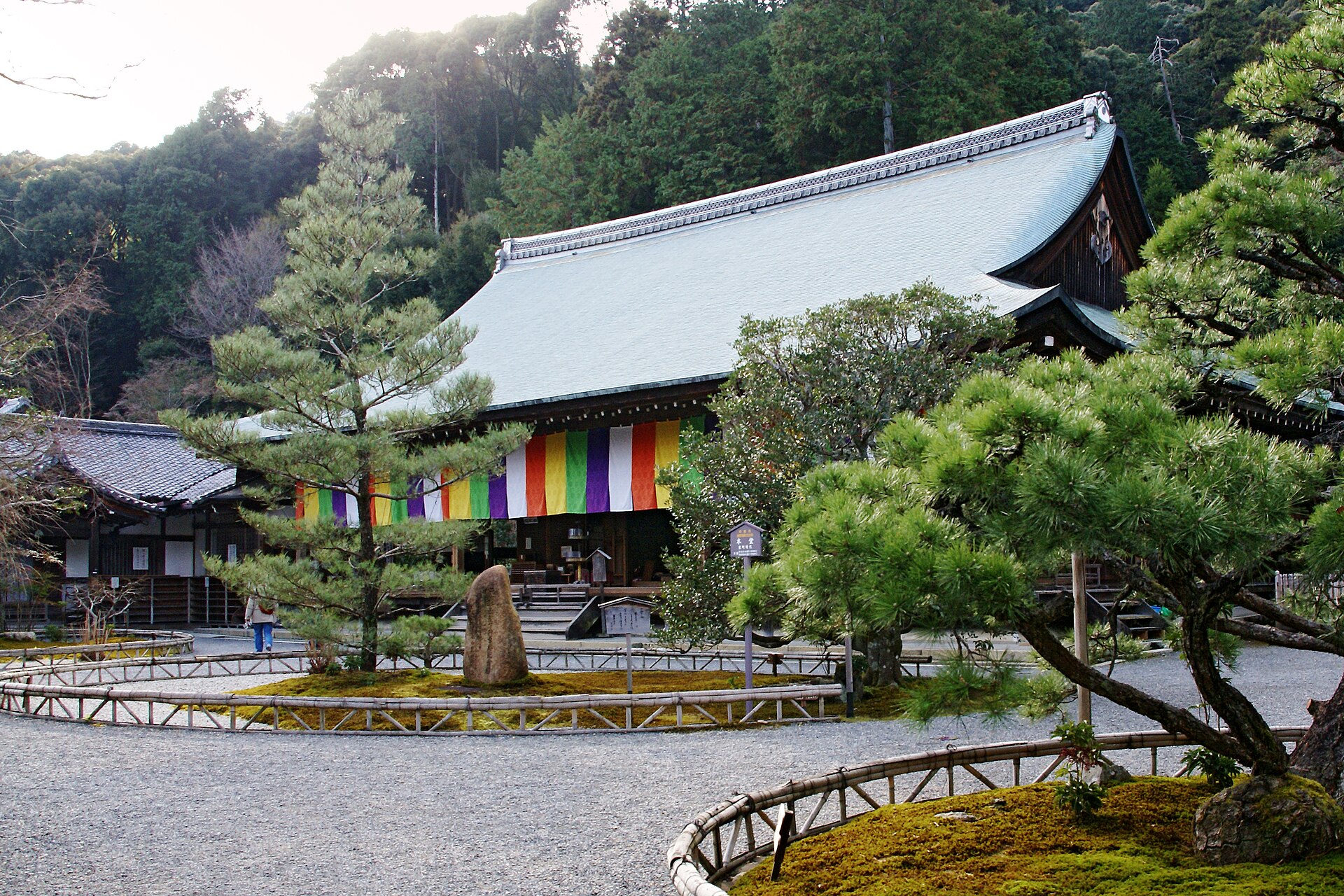
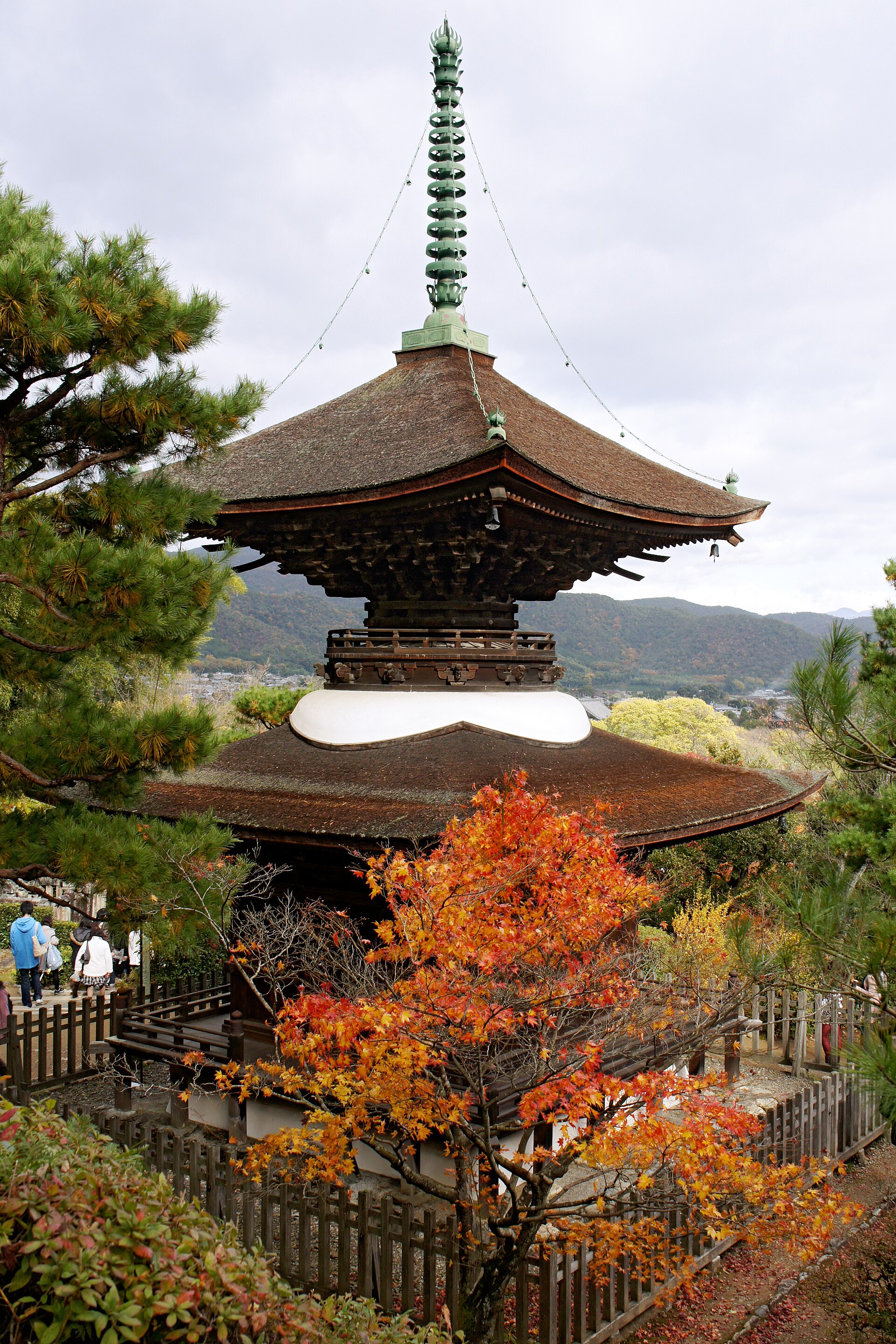
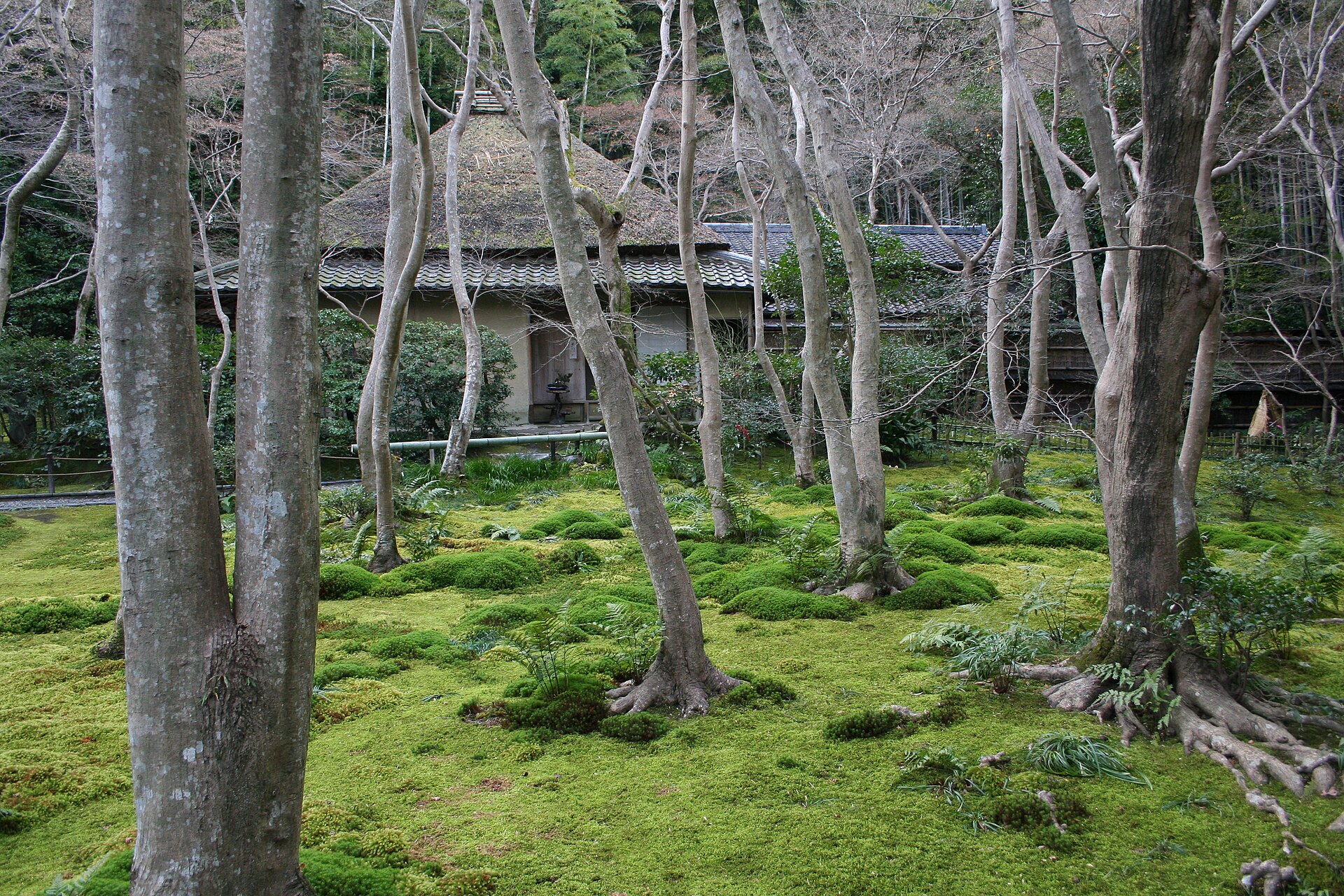
The grounds are arranged across ascending terrain, with a main hall and other traditional wooden buildings connected by stone paths and steps. A pagoda stands among mature trees and becomes a recurring visual focus as you move through the complex. Moss, maple foliage, stone lanterns and boundary walls shape the atmosphere. The interest lies in the relationship between the structures and the forest rather than in a large indoor collection. Take time to notice how each level frames a different view. The temple grounds contain multiple structures distributed across the hillside. The main hall and subsidiary buildings are connected by stone pathways and stairways that navigate the slope.
Checked 2026-08-26 · Source
Allow around thirty minutes to one hour for the visit. The stairs and sloping paths naturally slow your pace, while the views encourage pauses at several points. A quick circuit covers the principal atmosphere and architecture; a slower visit gives you time for the pagoda, mossy details and outlooks across Kyoto. During the autumn season, narrow paths can take longer to navigate because many visitors stop for photographs and scenic views.
Checked 2026-08-26 · Source
Late November is especially rewarding for maple foliage, when the hillside setting adds colour at several levels of the visit. Spring and summer bring a green canopy, while winter can provide clearer views of the temple structures and distant landscape. Morning and late-afternoon light work well for the wooded paths and city outlooks. Peak autumn periods are busier, so plan for slower movement on the narrowest sections and leave room for unhurried stops.
Checked 2026-08-26 · Source
Entry requires a paid admission fee, and Japanese yen is useful for temple visits of this kind. The supplied guide does not provide a current amount or a confirmed reservation procedure, so the practical choice is to treat Jojakko-ji as a walk-in temple visit and carry cash. The fee supports the upkeep of the hillside grounds and buildings. Do not plan the day around a combination ticket, because none is established here.
Checked 2026-08-26 · Source
Reach Jojakko-ji from central Arashiyama on foot, following the local signs toward the hillside temple. Arashiyama is served by the Keifuku Electric Railroad Randen line and the JR Sagano Line, but neither station places you at the entrance. From the neighbourhood, the walk takes roughly fifteen to twenty minutes at a moderate pace and ends with an uphill approach. A taxi can bring you closer, though the final ascent still requires walking.
Checked 2026-08-26 · Source
Expect elevation changes throughout the grounds. Stone stairs and paths can become slippery after rain, so shoes with secure grip are valuable. Narrow sections become crowded during peak autumn colour, making stops and passing slower. The hillside route can be demanding for anyone who finds stairs difficult. Forest conditions also bring insects and uneven surfaces. Visit while daylight is comfortable for walking, and keep your pace controlled on descents as well as climbs.
Checked 2026-08-26 · Source
Photograph the pagoda through the trees, then look back along the rising paths for layered views of roofs, trunks and moss. Autumn provides the strongest colour contrast, while green seasons create a softer woodland palette. Clear weather helps with distant city views. Narrow paths are poor places for tripods when busy, so handheld photographs are more practical. Give worshippers space, keep the route moving when others are waiting, and follow any restrictions around temple buildings.
Checked 2026-08-26 · Source
The visit follows an uphill sequence of stone paths and stairs through wooded grounds, with pauses for the pagoda, temple buildings and views across Kyoto.
The hillside is known for maple foliage, and the trees frame the pagoda, roofs and elevated views in layers of seasonal colour.
Plan for about thirty minutes to one hour, with extra time during busy autumn periods when narrow paths move slowly.
Travel to Arashiyama by the Randen line or JR Sagano Line, then walk roughly fifteen to twenty minutes from central Arashiyama to the uphill entrance.
No. The complex occupies a hillside, and the route includes ascending and descending stone paths and stairs.
Look for the pagoda among the trees, mossy stone details, traditional roofs and elevated views across the Arashiyama landscape.
Loading the interactive map…
The interactive map could not be loaded.

Last updated:
Source: OpenStreetMap contributors, Wikidata ·